
 Worksheets
Ecosystems
Total questions: 36
Worksheet time: 32mins
Name
Class
Date
1.
Study of interactions between organisms and their environment
a)
niche
b)
community
c)
ecology
d)
ecosystem
2.
Choose the correct order of organization from smallest to largest
a)
Species--> Population--> Community--> Ecosystem-->Biosphere
b)
Community--> Species--> Population--> Biosphere --> Ecosystem
c)
Ecosystem--> Community--> Species--> Population--> Biosphere
d)
Population-->Species--> Community--> Ecosystem-->Biosphere
3.

An individual belonging to a specific species
a)
Biotic
b)
Community
c)
Organism
d)
Reptile
4.

An area where an organism finds food, shelter and water in a specific arrangement
a)
niche
b)
biosphere
c)
biome
d)
habitat
5.

Organisms that look similar and can produce fertile offspring
a)
Species
b)
Fish
c)
Community
d)
Trees
6.
The place where an organism lives is its __________.
a)
habitat
b)
ecosystem
c)
organism
d)
population
7.
All of the nonliving parts of an ecosystem are __________.
a)
biotic
b)
biology
c)
abiotic
d)
biography
8.
A group of organisms of the same species living in the same area are called a/an __________.
a)
community
b)
habitat
c)
population
d)
ecosystem
9.
All of the living AND non-living things in an area that interact with each other are called a/an __________.
a)
community
b)
habitat
c)
population
d)
ecosystem
10.
A group of different species that live together and interact in an environment are called a/an __________.
a)
community
b)
habitat
c)
population
d)
ecosystem
11.
ALL energy flow for an ecosystem begins with ...
a)
plants
b)
the moon
c)
the sun
d)
algae
12.
What are biotic factors?
a)
dead things
b)
living things/ organisms
c)
weather
d)
plants
13.
Which is an example of an ABIOTIC factor?
a)
hummingbird
b)
water
c)
dead tree branch
d)
skunk
14.
An individual living thing is a/an ___________.
a)
habitat
b)
ecosystem
c)
organism
d)
population
15.

What is this called?
a)
Food Web
b)
Food Chain
c)
Abiotic Factors
16.

What is this called?
a)
Food Web
b)
Food Chain
c)
Abiotic Factors
17.
What does a Primary Consumer eat?
a)
Tertiary Consumers
b)
Secondary Consumers
c)
Producers
18.

An animal that eats other animals is a....
a)
carnivore
b)
omnivore
c)
herbivore
d)
decomposer
19.

__________ is an organism that eats BOTH plants and animals for energy.
a)
Omnivore
b)
Darnivore
c)
Carnivore
d)
Herbiovre
20.

Which organism recieves the least amount of energy from the producer?
a)
Owl
b)
Grasshopper
c)
Lilypad
d)
Mouse
21.
What is a trophic level?
a)
Each level represented within a food chain or web.
b)
Levels of ecosystems that the world is divided into.
c)
Different levels of nutrients present within an organism.
d)
The levels of sunlight an autotroph needs to survive.
22.
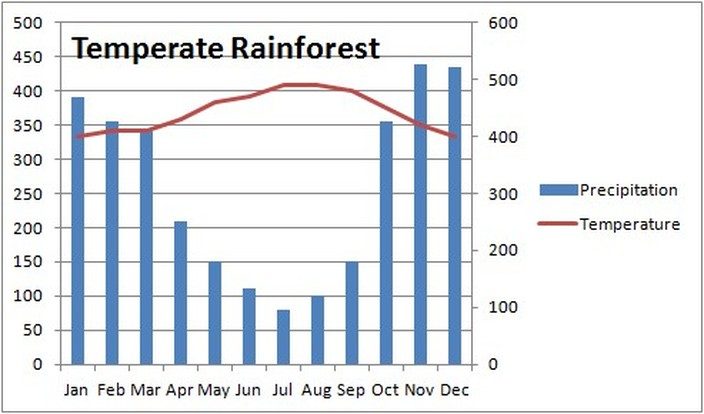
The most important abiotic factors when studying biomes are...
a)
Food and Water
b)
Water and Sunlight
c)
Temperature and Oxygen
d)
Water and Temperature
23.
The main source of energy for the Earth is the
a)
Moon
b)
Sun
c)
Clouds
d)
Atmosphere
24.

Cattle egrets forage (feed) in fields among cattle. The egret gets easy access to flying insects stirred up by the cattle, and the cattle don't care if they are there or not.
a)
mutualism
b)
commensalism
c)
competition
d)
parasitism
25.
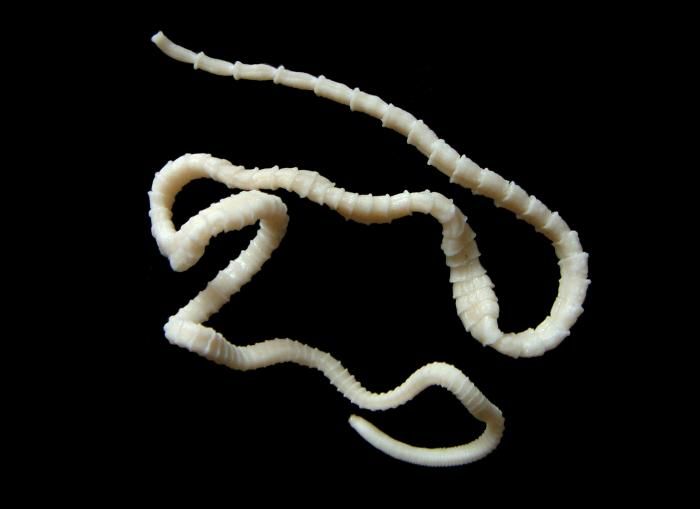
A tapeworm and a cat have this type of relationship.
a)
mutualism
b)
parasitism
c)
commensalism
d)
competition
26.
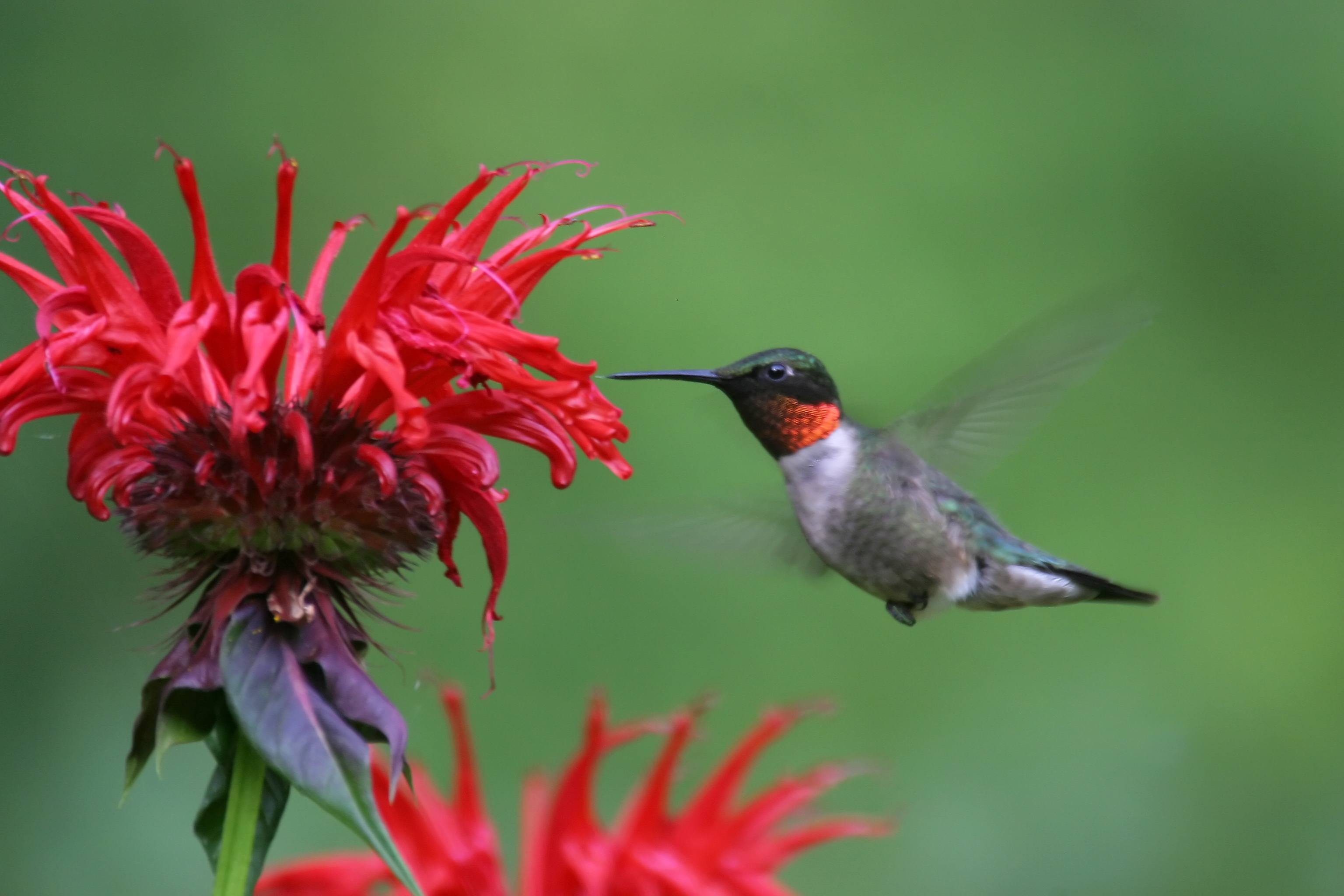
What type of symbiosis? Hummingbirds feed on nectar from flowers. The flowers are pollinated by hummingbirds as they move from flower to flower.
a)
commensalism
b)
mutualism
c)
parasitism
d)
predation
27.
Which symbols best describe parasitism?
a)
+,+
b)
+,-
c)
+,0
d)
-,0
28.
The struggle between organisms to survive as they attempt to use the same resource
a)
Predator
b)
Prey
c)
Competition
d)
Adaptation
29.
The organism that does the killing in a predation interaction
a)
Predator
b)
Prey
c)
Competition
d)
Adaptation
30.
An organism that is killed and eaten by another organism
a)
Predator
b)
Prey
c)
Competition
d)
Adaptation
31.

What is the carrying capacity of the following graph?
a)
1000
b)
8000
c)
800
d)
600
32.
The efficiency of energy transfer from a lower trophic level to the next highest level is roughly
a)
1%
b)
10%
c)
100%
d)
1000%
33.

Which animal is the apex predator?
a)
hawk
b)
lizard
c)
snake
d)
grass
34.

An organism that gets energy from breaking down dead organisms, non-living material or waste is a(an) ___________.
a)
producer
b)
consumer
c)
decomposer
d)
autotroph
35.
An organism that gets energy from breaking down dead organisms, non-living material or waste is a(an) ___________.
a)
producer
b)
consumer
c)
decomposer
d)
autotroph
36.

Diagram that shows the energy available to each trophic level in an ecosystem; 10% is passed on to upper levels, the rest is lost as heat
a)
succession
b)
cellular respiration
c)
energy pyramid
d)
biochemical cycle
100 %

