
 Worksheets
Unit 1 - Variables, Water, Macromolecules
Total questions: 35
Worksheet time: 35mins
Name
Class
Date
1.
Proteins are made of monomers called ___________
a)
Nucleotides
b)
Monosaccharides
c)
Amino Acids
d)
Glycerol and fatty acids
2.
The element _______is found in all of the organic compounds.
a)
Iron
b)
Nitrogen
c)
Carbon
d)
Oxygen
3.
_________ are composed out of carbon (C), hydrogen (H), oxygen (O), nitrogen (N), and phosphorus (P)
a)
Carbohydrates
b)
Lipids
c)
Proteins
d)
Nucleic Acids
4.
DNA and RNA are examples of
a)
Carbohydrates
b)
Lipids
c)
Proteins
d)
Nucleic Acids
5.
Nucleotides are monomers of
a)
Carbohydrates
b)
Lipids
c)
Proteins
d)
Nucleic Acids
6.
Monosaccharides are monomers of
a)
Carbohydrates
b)
Lipids
c)
Proteins
d)
Nucleic Acids
7.
Waxes, oils and fats are examples of
a)
Carbohydrates
b)
Lipids
c)
Proteins
d)
Nucleic Acids
8.
Glycerol and fatty acids are the monomers of
a)
Carbohydrates
b)
Lipids
c)
Proteins
d)
Nucleic Acids
9.

Which macromolecule is shown?
View Figure 1 (if not visible)
View Figure 1 (if not visible)
a)
lipid
b)
protein
c)
nucleic acid
d)
carbohydrate
10.
What is the function of nucleic acids?
a)
store genetic information
b)
store energy (long-term)
c)
store energy (short-term)
d)
build skin, hair, nails, muscles
11.

Which macromolecule is shown?
View Figure 4 (if not visible)
View Figure 4 (if not visible)
a)
lipid
b)
protein
c)
nucleic acid
d)
carbohydrate
12.
Carbohydrates are made of...
a)
C H O
b)
C H O N
c)
C H O N P
d)
C H O N S
13.
Lipids are made of...
a)
C H O
b)
C H O N
c)
C H O N P
d)
C H O N S
14.
Proteins are made of...
a)
C H O
b)
C H O N
c)
C H O N P
d)
C H O N S
15.
Which macromolecule stores energy, insulates us, and makes up the cell membrane?
a)
lipids
b)
proteins
c)
carbohydrates
d)
nucleic acids
16.
All polymers are made up of...
a)
monosaccharides
b)
monomers
c)
proteins
d)
None of these
17.
Monosaccharides are
a)
single sugar molecules
b)
make up polysaccharides
c)
are carbohydrates
d)
all of the above
18.
Which of the following properties of water enables it to move from the roots to the leaves of plants?
a)
Water expands as it freezes.
b)
Water is an excellent solvent.
c)
Water exhibits cohesive behavior.
d)
Water moderates temperature.
19.
Water striders can walk across the surface of calm water. Their feet push the surface of the water down slightly, but they do not break the surface. Why?
a)
The insects are light enough so they do not break the hydrogen bonds holding the water molecules together
b)
The insects actually use their wings to hover slightly above the water’s surface and they only skim it with their feet.
c)
The insect’s feet are non-polar, so they are repelled by the polar water molecules and are pushed away from the water’s surface.
d)
The insects are small enough to see the individual water molecules, so they are able to step carefully from one molecule to the next
20.
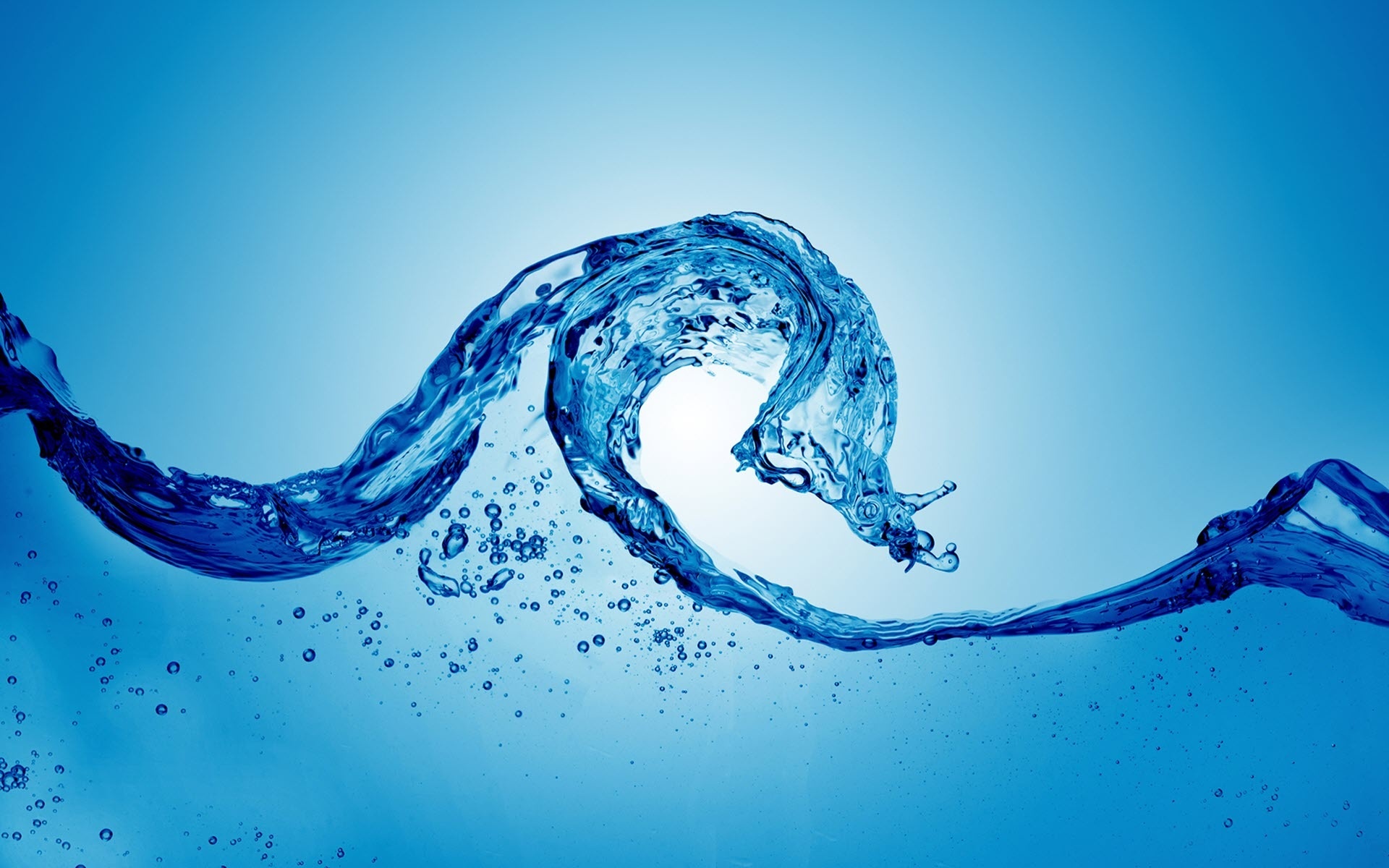
What two elements make up water?
a)
Helium and oxygen
b)
Hydrogen and oxygen
c)
helium and carbon
d)
oxygen and carbon
21.

What word describes when water is attracted to other substances?
a)
cohesion
b)
adhesion
c)
capillary action
d)
surface tension
22.
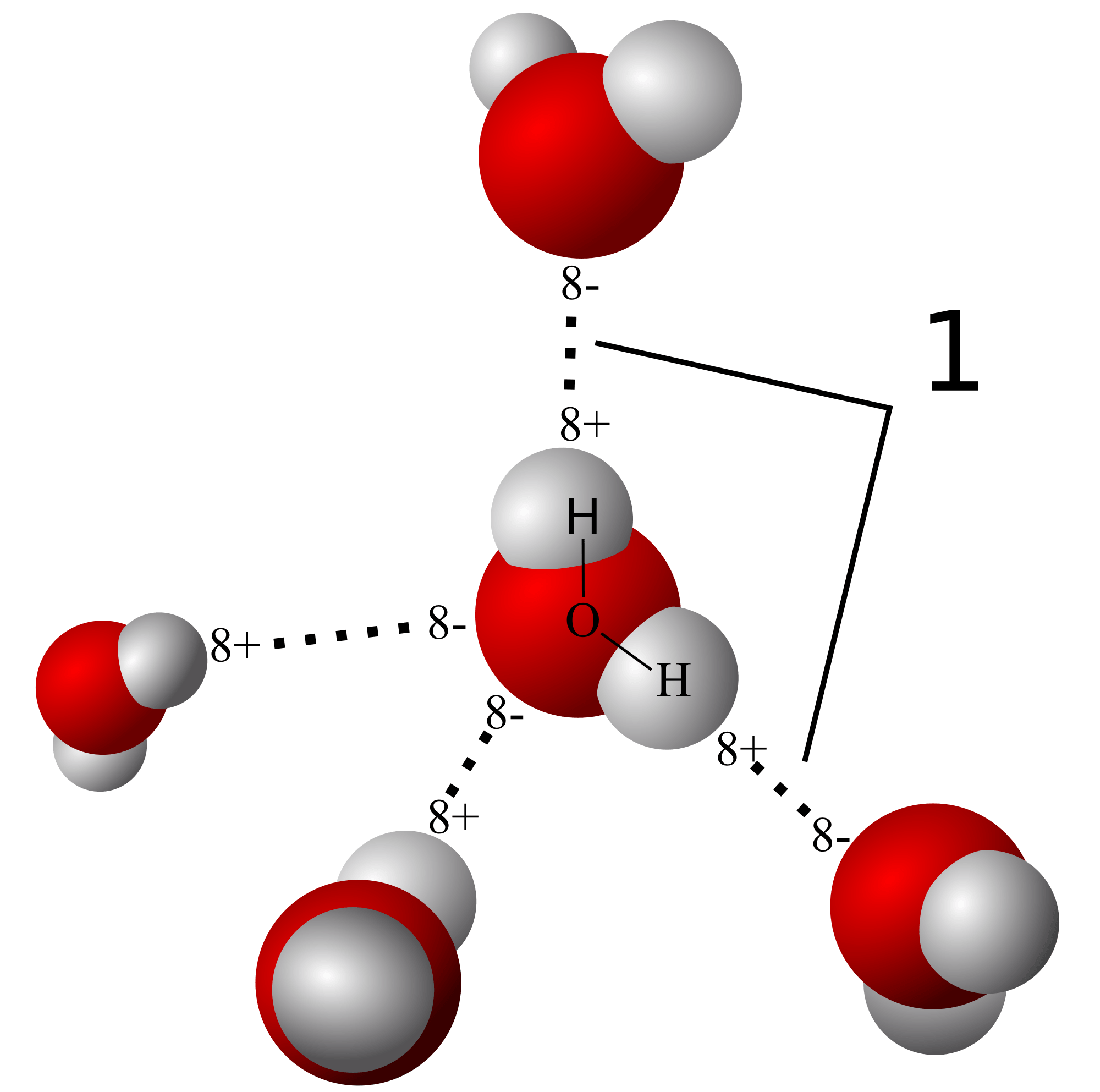
Attractions between water molecules are called
a)
Covalent bonds
b)
Ionic bonds
c)
Polar bonds
d)
Hydrogen bonds
23.
A teacher wanted to see how different types of music affected students pulse rates. She played, country, rap, rock, jazz, and classical, and measured the students pulses for 10 mins each. What is the independent variable?
a)
pulse rate
b)
type of music
c)
length of time measuring pulse
d)
age of student
24.
A researcher did an investigation to see if corn seeds would sprout at different times depending on the temperature of the water in which they were placed. What is the independent variable?
a)
How long to sprout
b)
type of seed used
c)
water temperature
d)
how much water used
25.
A study was done to see if different tire treads affect the braking distance of a car.
What is the dependent variable?
What is the dependent variable?
a)
Tire treads
b)
Braking distance
c)
Road conditions
d)
Model of car
26.
The higher the temperature in an oven, the faster a cake will bake.
What is the independent variable?
What is the independent variable?
a)
Cake flavor
b)
Temperature
c)
Time
d)
Type of oven
27.
Students measured the temperature of the water at different depths in Lake Skywalker and found that the temperature varied.
What was the dependent variable?
What was the dependent variable?
a)
Time
b)
Temperature
c)
Student taking the measurement
d)
Water depth
28.
Find the DV: You experiment to see if a bouncy ball or a tennis ball bounces higher.
a)
Type of ball
b)
Same drop height
c)
Height of bounce
d)
Same surface
29.
Find the IV: You experiment to see if a bouncy ball or a tennis ball bounces higher.
a)
Type of ball
b)
Same drop height
c)
Height of bounce
d)
Same surface
30.
Mr. S set up an experiment to see how the mass of a ball affects the distance it rolls off a ramp. What is the controlled variable?
a)
Distance traveled by the ball
b)
Height of the ramp
c)
Mass of the ball
31.
The type of variable that you change or manipulate in an experiment. It is what you are testing.
a)
Independent
b)
Dependent
c)
Control
32.
A group of middle school students were given a short course in speed reading. The teacher was curious of money could influence their performance on a test taken at the end of the course. Half the students were offered $5 for a getting a certain percentage better at speed reading, the other half was offered no money. Which is the dependent variable.
a)
Students being offered money or not.
b)
Their test scores.
c)
Their age in school years.
d)
The length of the course.
33.
Mrs. Hankins uses a new spray cleaner to remove the green slime left by students on the tables. Identify the control group.
a)
type of cleaner
b)
test with a new cleaner
c)
test with the old cleaner
d)
the green slime
34.
Experiment: How does watching TV during studying affect a student’s test grades?
The students grades are the ___________ variable.
The students grades are the ___________ variable.
a)
independent
b)
dependent
35.
Experiment: Does the flavor of ice cream effect how fast the ice cream melts?
The flavor of ice cream is the ___________ variable.
The flavor of ice cream is the ___________ variable.
a)
independent
b)
dependent
100 %

