
 Worksheets
Phy Sci, Ch 6, Chemical Bonds, Sec 1 & 2, Quiz
Total questions: 20
Worksheet time: 11mins
Name
Class
Date
1.
A cation is a ____ ion.
a)
negative
b)
positive
2.
A anion will be a ____ ion.
a)
negative
b)
positive
3.
Nitrogen will ____ valence electrons when forming an ionic bond.
a)
gain 1
b)
lose 1
c)
gain 3
d)
lose 3
4.
Beryllium will ____ valence electrons when forming an ionic bond.
a)
lose 4
b)
gain 4
c)
lose 2
d)
gain 2
5.
Helium will ____ valence electrons when forming an ionic bond.
a)
lose 2
b)
gain 2
c)
both
d)
not form a bond
6.
Boron will ____ valence electrons when forming an ionic bond.
a)
lose three
b)
gain three
c)
lose 5
d)
gain 5
7.
Which atom will Lithium form an ionic bond with?
a)
Neon
b)
Fluorine
c)
Oxygen
d)
Carbon
8.
Which atom will Oxygen form an ionic bond with?
a)
Magnesium
b)
Chlorine
c)
Argon
d)
Nitrogen
9.
What will be the compound name of the following chemical formula?
H2O2
H2O2
a)
Hydrogen Dioxide
b)
Dihydrogen oxide
c)
Dihydrogen Dioxide
d)
water
10.
What will be the compound name of the following chemical formula?
NaCl
NaCl
a)
Potassium Chloride
b)
Sodium Chloride
c)
Calcium Chloride
d)
Sodium Chlorine
11.
In covalent bonding, electrons are
a)
shared
b)
transferred
c)
wiped out
12.
In ionic bonding, electrons are
a)
shared
b)
transferred
c)
wiped out
13.
Covalent bonds tend to happen between two
a)
metals
b)
nonmetals
c)
metal and nonmetal
14.
Atoms want
a)
A full outer shell of electrons
b)
One electron short of a full shell
c)
kit kats
15.
How are covalent bonds explained?
a)
When one atom takes the other atom's electron
b)
When the atom shares an electron with an another atom
c)
When the two nucleus merge
d)
When the neutrons leave the nucleus
16.
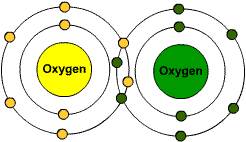
Is this image an example of covalent bonding?
a)
Yes
b)
No
17.
Which element is most likely to form a covalent bond?
a)
Nitrogen
b)
Lithium
c)
Sodium
d)
Potassium
18.
Which of the following is a covalent bond?
a)
LiF - Lithium Fluoride
b)
NH3 - Ammonia
c)
NaBr - Sodium Bromide
d)
CuCl - Copper(I) Chloride
19.
What region of the periodic table contains atoms that form covalent bonds?
a)
the left side
b)
the middle
c)
the right side
d)
top left
20.
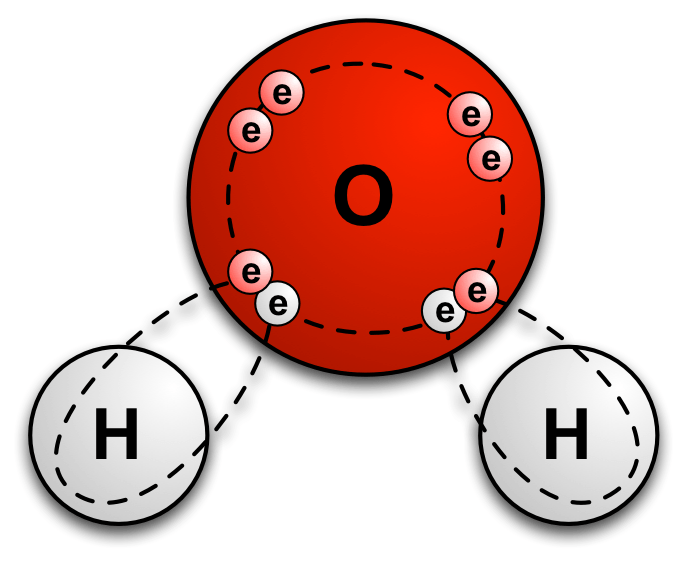
What would you name this molecule?
a)
SNa3
b)
H3O
c)
NaCl
d)
H2O
100 %

