
 Worksheets
Naturel Selection
Total questions: 30
Worksheet time: 30mins
Name
Class
Date
1.

The great barrier reef of Australia is the largest coral reef in the world and known to have brutal hot summers. Some species of turtles stay well below the surface during the summer months. This behavior is most likely to help the turtle by
a)
avoiding sharks
b)
getting better oxygenated water
c)
keeping their body temp low
d)
be close to the plants they eat
2.

Most foxes of the desert have a reddish brown coat but the artic fox has a white coat. How has this adaptation allowed the arctic fox to survive over many years?
a)
it gives it warmth during the summer
b)
it makes the fox look meaner
c)
it keeps it warm
d)
its protects it from prey using camoflauge
3.

Mother cows gave birth to fours calves in the same litter but have different hair color than the mother. Which of the following processes is responsible for the variety of hair color in this litter
a)
sexual reproduction
b)
asexual reproduction
c)
mutation
d)
generations
4.

Flashy tails on many animals is an example of coloration. Why might flashy tailed animals display their colors to another of the same species?
a)
make friends
b)
help build a nest
c)
attract a mate
d)
scare predators
5.

characteristic or trait that helps an organism survive in its environment
a)
skills
b)
speciation
c)
natural instinct
d)
adaptation
6.

Charles Darwin noticed that birds of the Galapagos Islands were very similar in size and shape but their beaks were very different. What is the explanation for birds having different beaks?
a)
gathering food
b)
building nest
c)
fighting
d)
scaring predators
7.
Why are advantageous traits more likely to be passed onto offspring?
a)
Because they are more likely to survive and reproduce.
b)
Because they come from dominant alleles.
c)
Because they come from recessive alleles.
d)
Because the trait is an acquired phenotype.
8.
Which of the following would be considered a physiological adaptation?
a)
Human ability to sweat for evaporative cooling
b)
Hollow bones in birds allowing for flight
c)
The blubber in bears allowing them to hibernate.
d)
Webbed toes in frogs allowing for efficient water movement.
9.
The differences among a species, like different bird beaks, are called
a)
genes.
b)
variations.
c)
traits.
d)
theories.
10.
Do organisms "decide" to evolve and change?
a)
Yes, they know they need to change to survive
b)
No, they change because of natural selection
11.
Which of the following means "change over time"
a)
natural selection
b)
speciation
c)
evolution
d)
isolation
12.
Any inherited trait that gives an organism an advantage in its environment is called ___.
a)
a mutation
b)
an adaptation
c)
evolution
d)
natural selection
13.
Most organisms have more offspring than will survive
a)
True
b)
False
14.
Why are advantageous traits more likely to be passed on to the offspring?
a)
Because parents with those traits can teach their offspring
b)
Because parents with those traits can surive and reproduce better
c)
Because parents with those traits care more about their offspring
15.
Adaptations can...
a)
be helpful.
b)
be harmful.
c)
have no effect.
d)
All the above
16.
In natural selection, the main goal of organisms is...
a)
adapting.
b)
surviving.
c)
moving to a new ecosystem.
17.
What is evolution?
a)
Changes in a species over time
b)
Changes in humans over time.
c)
Charles Darwin came up with this.
d)
The study of finches.
18.
Survival of the Fittest and Evolution were proposed by what scientist?
a)
Charles Darwin
b)
Albert Einstein
c)
Steven Hawking
d)
Isaac Newton
19.
What are the most studied animals in the galapagos?
a)
Finches
b)
Tortoises
c)
Turtles
d)
Lizards
20.
Mutations are a change in what?
a)
DNA
b)
tRNA
c)
genotype
d)
phenotype
21.

A relative who lived in the past.
a)
Charles Darwin
b)
Speciation
c)
Ancestor
d)
Descendant
22.

The process of selecting a few organisms with desired traits to serve as parents of the next generation. Selective breeding of plants and animals to promote the occurrence of desirable traits in offpsring .
a)
Evolution
b)
Natural Selection
c)
Generation Time
d)
Artificial Selection
23.

An original species from which all other species evolved.
a)
Fossil
b)
Natural Selection
c)
Descendant
d)
Common Ancestor
24.

One who is descended lineally from another, as a child, grandchild, etc.
a)
Genetic trait
b)
Descendant
c)
Survival of the Fittest
d)
Ancestor
25.

Preserved remains or traces of ancient organisms.
a)
Natural Selection
b)
Fossil
c)
Adaptation
d)
Derived trait
26.

a)
Extinction
b)Speciation
c)
Natural Selection
d)
Artificial Selection
27.

A group of similar organisms that can breed and produce fertile offspring.
a)
Fossils
b)
Species
c)
Descendants
d)
Evolution
28.
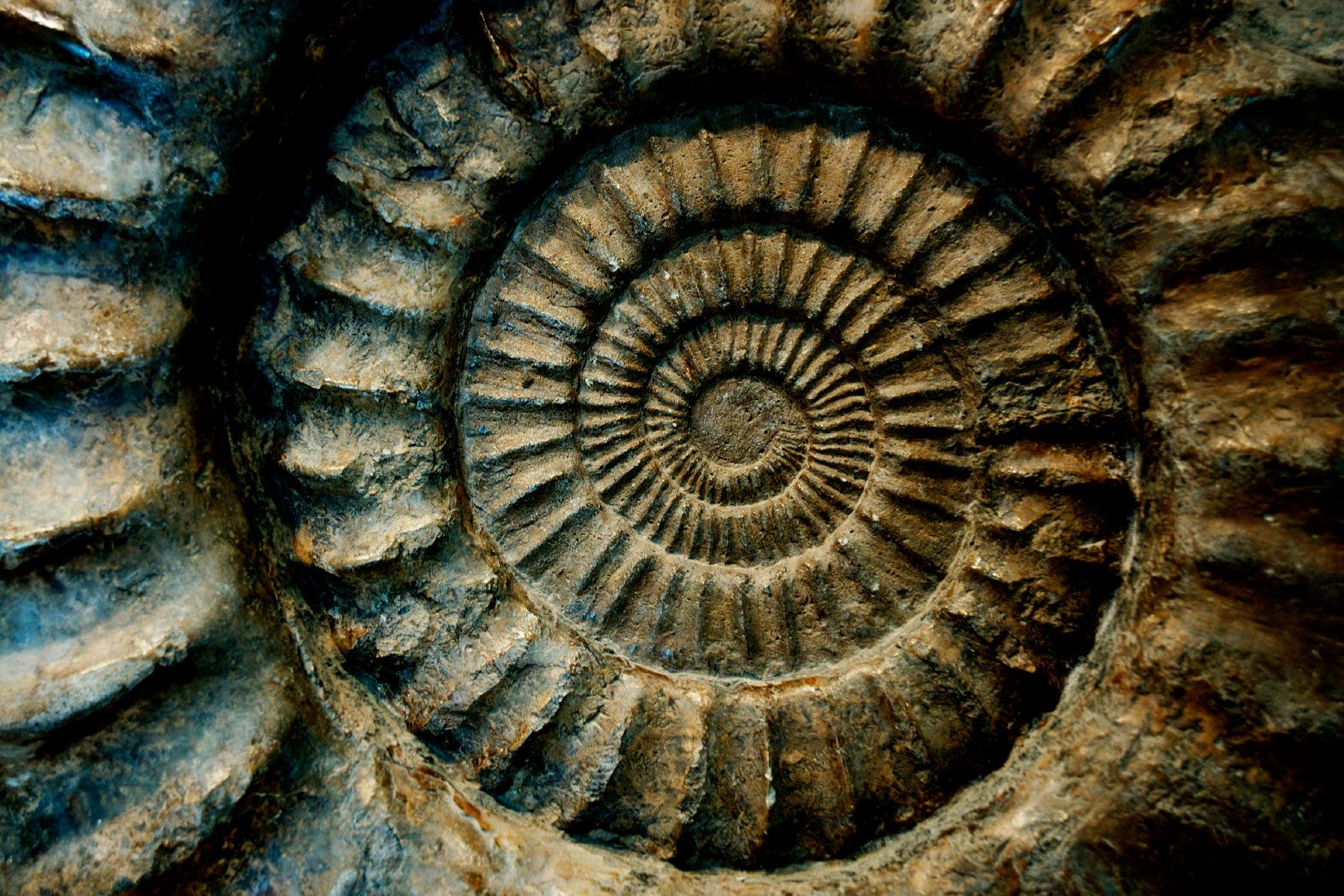
The difference in the physical traits of an individual from those of other individuals in a group is called a(n)
a)
change
b)
adaption
c)
species
d)
variation
29.

All rabbits living in a particular area would be an example of a(n)
a)
population
b)
species
c)
fossil
d)
individual organism
30.
Naturel Selection occurs because of what
a)
Genetic Mutations
b)
Mr Caseys Force Powers
c)
Reproduction
d)
Species
100 %

