
 Worksheets
Interdependence
Total questions: 37
Worksheet time: 36mins
Name
Class
Date
1.
Where do all life forms get their energy?
a)
Earth's Core
b)
Water
c)
Plants
d)
The Sun
2.
What is missing from this food chain?
Grass > Grasshopper > Bird > Snake
Grass > Grasshopper > Bird > Snake
a)
Producer
b)
Primary Consumer
c)
Secondary Consumer
d)
Decomposer
3.
If a habitat experiences a drought, the available resources will
a)
Increase
b)
Decrease
c)
increase, then decrease
d)
Not Change
4.

An animal that eats only plants is an...
a)
carnivore
b)
omnivore
c)
herbivore
d)
decomposer
5.

Overlapping food chains in an ecosystem make up....
a)
food web
b)
food chain
c)
niche
d)
symbiosis
6.

What is this called?
a)
Food Web
b)
Food Chain
c)
Abiotic Factors
d)
Biotic Factors
7.
An animal that kills another animal for food is called
a)
prey
b)
predator
c)
producer
d)
herbivore
8.
Where an animal lives is called the animal's ______
a)
wildlife
b)
habitat
c)
environment
d)
carnivore
9.
If a frog is the prey, what could be the predator?
a)
Grass
b)
Insect
c)
Snake
d)
Snail
10.

An organism that lives by breaking apart dead organic matter into simpler parts is...
a)
scavenger
b)
consumer
c)
decomposer
d)
carnivore
11.

In the energy pyramid here, which organisms have the most energy available?
a)
Producers
b)
Carnivores
c)
Herbivores
d)
Top Predator
12.

In the energy pyramid below, which organism has the least amount of energy available?
a)
Producers
b)
Herbivores
c)
Carnivores
d)
Top Predator
13.

In the energy pyramid here, how much of the energy in the producers gets passed to the herbivores?
a)
10%
b)
20%
c)
80%
d)
90%
14.
All food webs and food chains begin with _________________.
a)
primary consumer
b)
producers
c)
secondary consumers
d)
predators
15.
Which is a producer?
a)
deer
b)
tall grass
c)
lion
d)
worm
16.

Cattle egrets forage (feed) in fields among cattle. The egret gets easy access to flying insects stirred up by the cattle, and the cattle don't care if they are there or not.
a)
mutualism
b)
commensalism
c)
competition
d)
parasitism
17.
A relationship between two organisms in which one organism benefits and the other is unharmed...
a)
Mutualism
b)
Competition
c)
Parasitsm
d)
Commensalism
18.
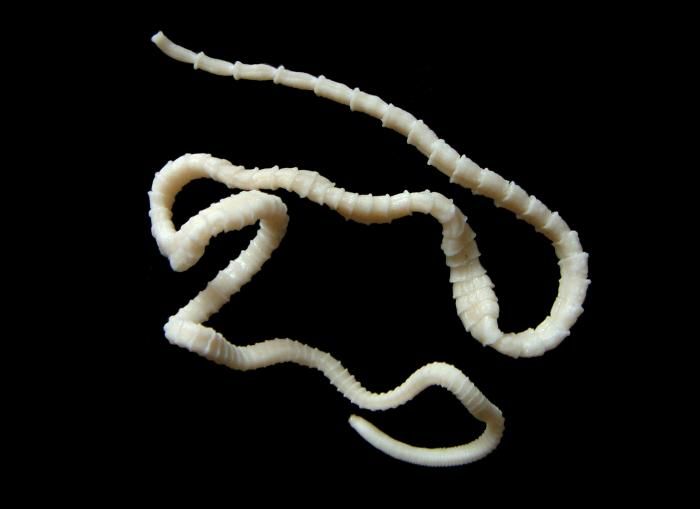
A tapeworm and a cat have this type of relationship.
a)
mutualism
b)
parasitism
c)
commensalism
d)
competition
19.
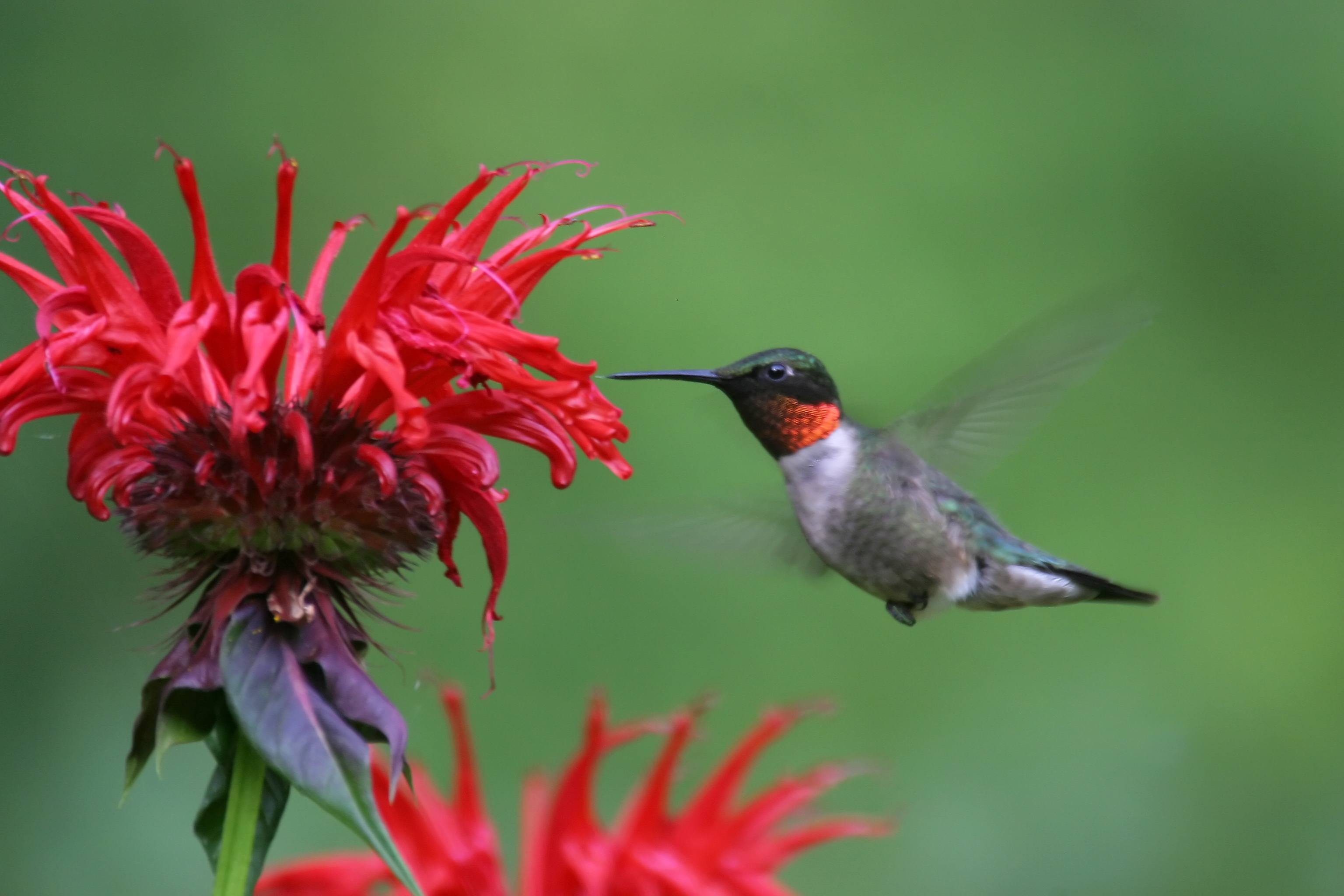
What type of symbiosis? Hummingbirds feed on nectar from flowers. The flowers are pollinated by hummingbirds as they move from flower to flower.
a)
commensalism
b)
mutualism
c)
parasitism
d)
predation
20.
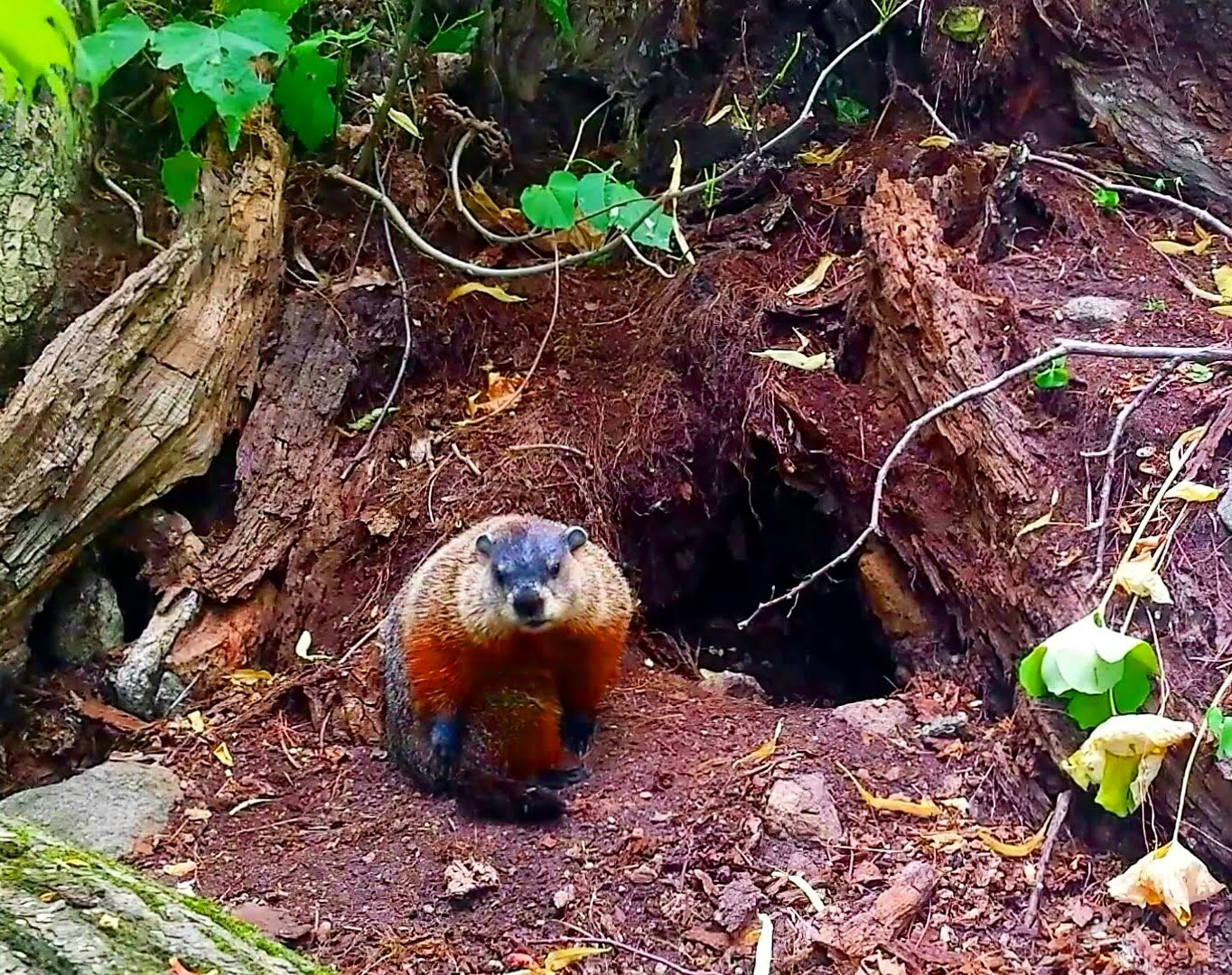
What type of symbiosis? Skunks often live in burrows that have been dug and abandoned by woodchucks.
a)
commensalism
b)
mutualism
c)
parasitism
d)
predation
21.
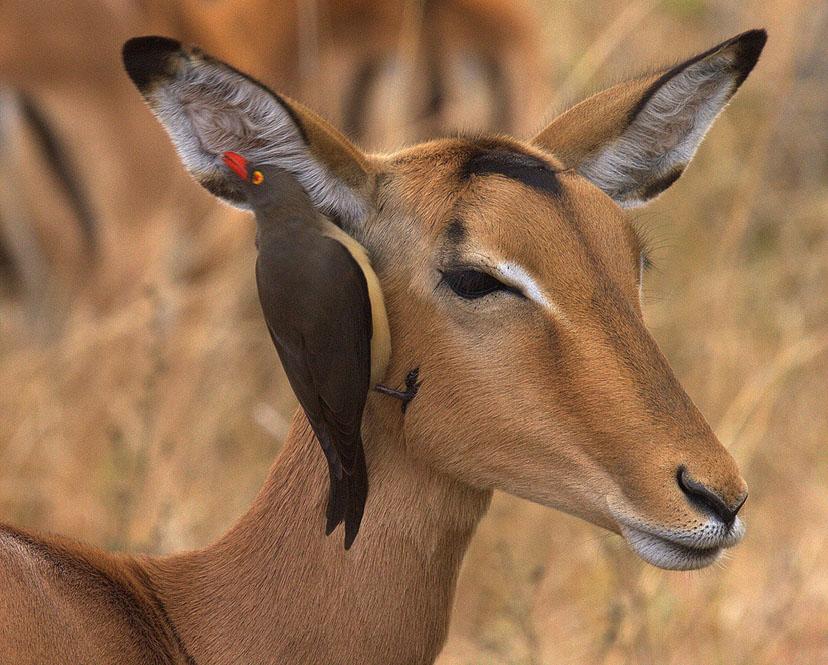
Red-billed oxpeckers are birds that often feed on parasites that infest impala. This is an example of _______.
a)
commensalism
b)
mutualism
c)
neutralism
d)
competition
22.
A relationship between two organisms in which both organisms benefit.
a)
Mutualism
b)
Competition
c)
Parasitsm
d)
Commensalism
23.
What type of symbiosis?
*Remora use suckers to attach temporarily to large marine animals such as sharks, manta rays, whales, turtles, or large fish.
*The shark provides free transportation, protection, and dropped food and feces which the remora feeds on. The host is not injured.
*Remora use suckers to attach temporarily to large marine animals such as sharks, manta rays, whales, turtles, or large fish.
*The shark provides free transportation, protection, and dropped food and feces which the remora feeds on. The host is not injured.
a)
commensalism
b)
mutualism
c)
parasitism
d)
predation
24.
What type of symbiosis?
*Fungi form lichens by living in a close relationship with an algae. The fungus provides a protective home for the algae, and gathers mineral nutrients from rainwater and from dissolving the rock underneath.
*The algae gathers energy from the sun using photosynthesis. Both organisms share their nutrients with each other.
*Fungi form lichens by living in a close relationship with an algae. The fungus provides a protective home for the algae, and gathers mineral nutrients from rainwater and from dissolving the rock underneath.
*The algae gathers energy from the sun using photosynthesis. Both organisms share their nutrients with each other.
a)
commensalism
b)
mutualism
c)
parasitism
d)
predation
25.
A bird living on a tree is an example of
a)
commensalism
b)
mutualism
c)
parasitism
d)
predation
26.
Which symbols best describe mutualism?
a)
+,+
b)
+,-
c)
+,0
d)
-,0
27.
Which symbols best describe parasitism?
a)
+,+
b)
+,-
c)
+,0
d)
-,0
28.
Which symbols best describe commensalism?
a)
+,+
b)
+,-
c)
+,0
d)
0,0
29.
Silverfish live and hunt with army ants. They share the prey. They neither help nor harm the ants.
a)
Mutualism
b)
Parasitism
c)
Commensalism
30.
Barnacles create home sites by attaching themselves to whales. This neither harms nor benefits the whales. What kind of relationship is this?
a)
Mutualism
b)
Parasitism
c)
Commensalism
31.
How many types of symbiosis are there?
a)
5
b)
7
c)
3
d)
If you pick this you're silly
1000
1000
32.
A type of symbiosis that involves an organism getting a benefit while causing harm to the other organism
a)
mutualism
b)
predation
c)
symbiosis
d)
parasitism
33.
A symbiotic relationship that is beneficial for one organism but does not benefit or harm the other
a)
commensalism
b)
symbiosis
c)
competition
d)
mutualism
34.
In commensalism
a)
one species is killed
b)
one species is harmed
c)
one species is unaffected
d)
both species benefit
35.
In parasitism
a)
Both species benefit
b)
One species is harmed
c)
Species fight for something
d)
One species is unaffected
36.
In mutualism
a)
both species benefit
b)
one species is killed
c)
both species fight for something
d)
one species is unaffected
37.
The black bear has a tick on it's back. The Bear is HURT and the tick gets blood or food. The tick is HELPED.
a)
parasitism
b)
mutualism
c)
commensalism
100 %

