
 Worksheets
FOSS Living Systems: Investigation 3
Total questions: 34
Worksheet time: 2hrs 43mins

What type of leaf venation is this?
Palmate
Pinnate
Parallel
The hollow cells of a plant that transport water and minerals to plant cells
Phloem
Vein
Xylem
Vascular Bundle
The system of blood vessels and organs that transports blood to all the cells in the body
Respiratory System
Digestive System
Circulatory Sytem
Lungs

What type of leaf venation is this?
Palmate
Pinnate
Parallel
a muscular organ that pumps blood
Artery
Brain
Lungs
Heart

What type of leaf venation is this?
Palmate
Pinnate
Parallel

What happens after old blood, which has already circulated through the body, moves into the heart?
The old blood is re-circulated through the body.
The old blood travels to the lungs for more oxygen.
The old blood is removed from the body.
The old blood is stored in the heart.
Which part in a plant transports sap from the leaves to all other cells of the plant.
esopagus
xylem tubes
phloem tubes
capillaries
Which part in a plant transports water and minerals throughout the plant?
cell membrane
xylem tubes
phloem tubes
esophagus
a regulator that moves blood in one direction, ensuring that it does not pump the wrong way in the system
heart
leaf vein
heart valve
a sugar-rich liquid transported by phloem
lung
palmate
vein
sap
the process in which water is removed from the cells and passes into the environment
alveoli
right atrium
right ventricle
transpiration
to identify and organize according to similar properties or other criteria
classify
xylem
transpiration
vein
How does most of the water needed by the plant get into its leaves?
It enters through the stomata
The roots absorb it and then it travels up the stem
It's made during a chemical reaction in the leaf
The flowers capture water and deliver it to the leaves

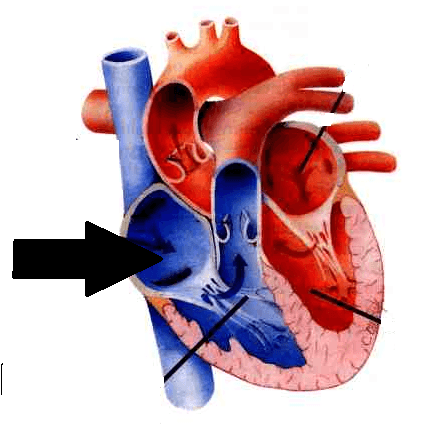
The right side of the heart pumps blood to the
organs
brain
lungs
intestine
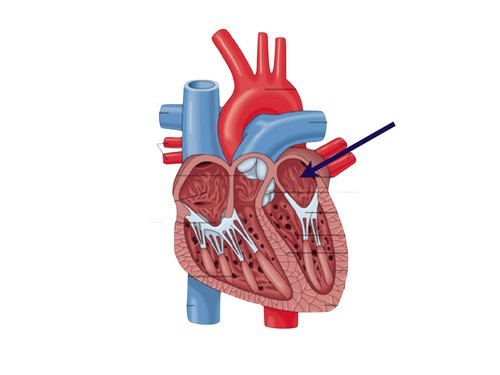
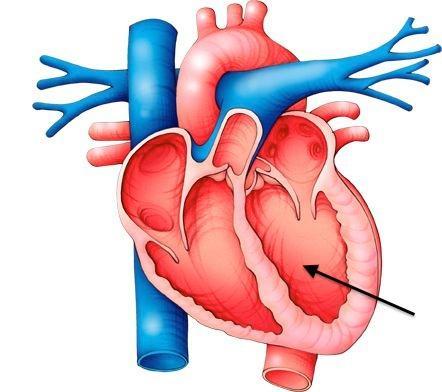
The left side of the heart pumps blood to the
lungs
bladder
out to the cells in the body
heart
The blood receives __________ from the lungs.
nutrients
carbon dioxide
oxygen
poison
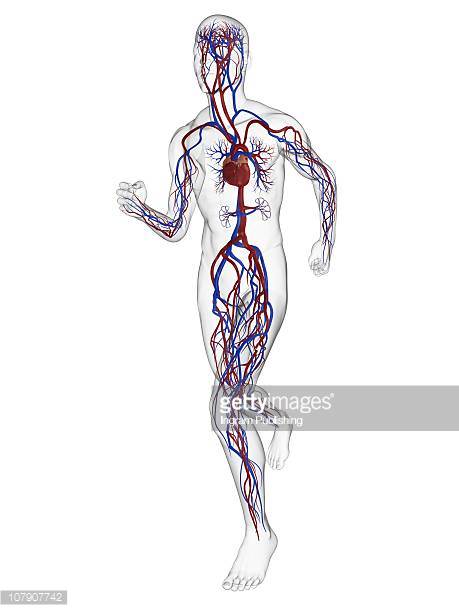
What is the main organ of the circulatory system?
small intestine
bone
lungs
heart
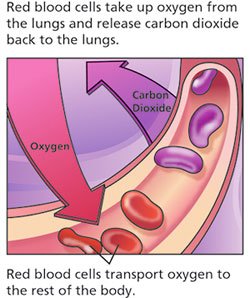

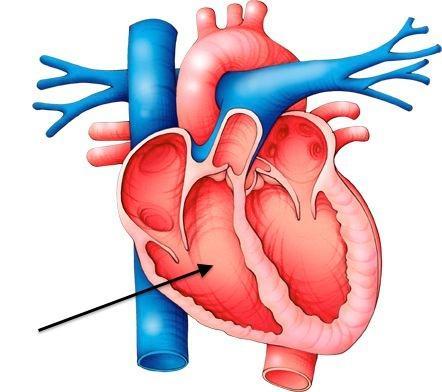
The two lower chambers of the heart are called _____
Auricle
Ventricle
Aorta
Vena cava
The group of xylem and phloem tubes in a vascular plant
circulatory system
Vascular Bundles
transport
respiratory system


Tool that can be used to see the inside parts of a cell
Magnifying Glass
Balance Scale
Microscope
Graduated Cylinder
Redwood trees can grow to be very tall. They can grow so tall because they are _____________, which means that they have tubes to transport water and nutrients.

