wayground logo

Free Printable Worksheets

NEW

Font size

S
M
L
XL
Worksheets

Ecology key definitions

Total questions: 35

Worksheet time: 18mins

Name
Class
Date
1.

Which word means all the organisms from one species living in one place at one particular time?

a)

Ecosystem

b)

Habitat

c)

Community

d)

Population

2.

Which word means a group of organisms that can interbreed to produce fertile offspring?

a)

Organism

b)

Species

c)

Habitat

d)

Abiotic

3.

Which word means all the organisms of all species that live in the same habitat?

a)

Community

b)

Ecosystem

c)

Species

d)

Habitat

4.

Which word means all the organisms of all species that live in the same habitat?

a)

Community

b)

Ecosystem

c)

Species

d)

Habitat

5.

Which word means the interaction between all the living organisms in an area with non-living parts of their environment?

a)

Ecosystem

b)

Community

c)

Habitat

d)

Species

6.

Which words means the living parts of an environment?

a)

Abiotic

b)

Biotic

c)

Habitat

d)

Ecosystem

7.

Which word mean the non-living parts of an environment?

a)

Biotic

b)

Abiotic

c)

Inderdependence

d)

Species

8.

Which word means the environment in which an organism lives, made up of biotic and abiotic factors?

a)

Ecosystem

b)

Community

c)

Habitat

d)

Population

9.

Which word means any living thing: could be an animal, plant, fungus, protist or prokaryote?

a)

Organism

b)

Species

c)

Habitat

d)

Community

10.
The study of how living things interact with one another and with their environment.
a)
Biology
b)
Lithology
c)
Ecology
d)
Farmacology
11.
The area between the highest mountain and the deepest ocean where life can be found
a)
Biosphere
b)
Biome
c)
Farm
d)
Ecosystem
12.
Which one is NOT an example of a decomposer?
a)
mushroom
b)
leaves
c)
mold
d)
worm
13.
Examples of a producer
a)
frog
b)
algae
c)
worm
d)
mouse
14.
Example of a decomposer
a)
fungus
b)
mouse
c)
plants
d)
frogs
15.
A tree is a ....
a)
composer
b)
decomposer
c)
producer
16.
What is a producer?
a)
an organism that gets energy from eating other organisms
b)
an organisms that uses sunlight to make its own food
c)
an organism that gets energy from eating dead organisms, non-living material or waste
d)
an organism that uses chemical energy to make its own food
17.
What is a herbivore?
a)
an animal that gets energy from eating other animals
b)
an organism that gets energy from eating only plants
c)
an animal that gets energy by eating both plants and other animals
d)
an animal that eats only herbs
18.
What is a carnivore?
a)
an animal that gets energy by eating other animals
b)
An animal that gets energy by eating only plants
c)
an animal that gets energy by eating both plants and animals
d)
an animal that makes its own energy through photosynthesis
19.
An animal that gets energy from eating both plants and animals is a 
a)
herbivore
b)
carnivore
c)
omnivore
d)
autotroph
20.
The shrew provides energy for the _______?
a)
cricket
b)
grasshopper
c)
frog
d)
snake
21.
Which of the following is a herbivore?
a)
cricket
b)
frog
c)
hawk
d)
shrew
22.
Where do all life forms get their energy?
a)
Earth's Core
b)
Water
c)
Plants
d)
The Sun
23.
What is this called?
a)
Food Web
b)
Food Chain
c)
Abiotic Factors
24.
What is this called?
a)
Food Web
b)
Food Chain
c)
Abiotic Factors
25.
A producer is a (n) ______________.
a)
heterotroph
b)
omnitroph
c)
autotroph
d)
oscartroph
26.
All food chains begin with a ____________.
a)
primary consumer
b)
secondary consumer
c)
producers
d)
scavengers
27.
Which best describes what a food chain shows you?
a)
Energy flow through an ecosystem
b)
Food flowing through an ecosystem
c)
Consumers going into other consumers
d)
Who eats who
28.
Another name for a consumer is a
a)
heterotroph
b)
autotroph
c)
producer
d)
plant
29.
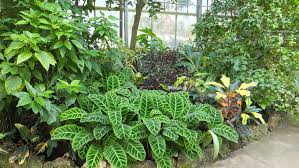
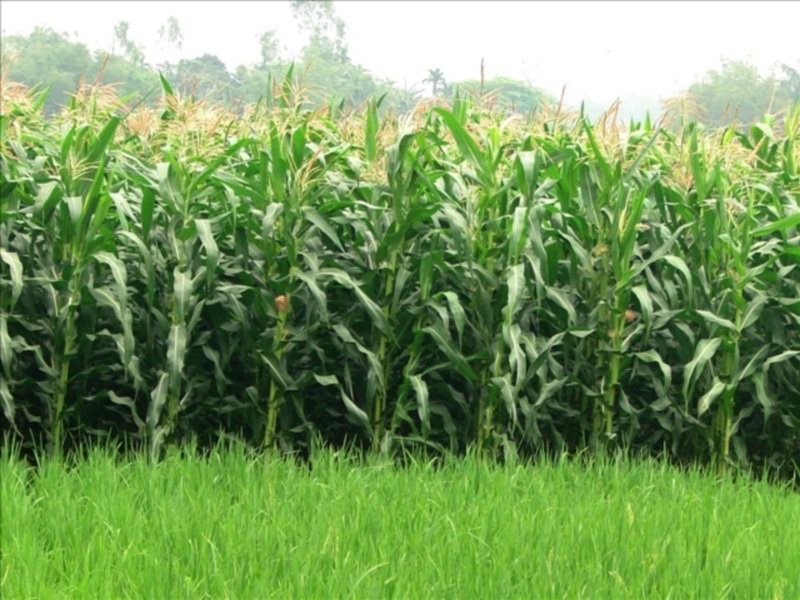
The image provided is an example of a:
a)
Producer
b)
Heterotroph
c)
Consumer
d)
Decomposer
30.
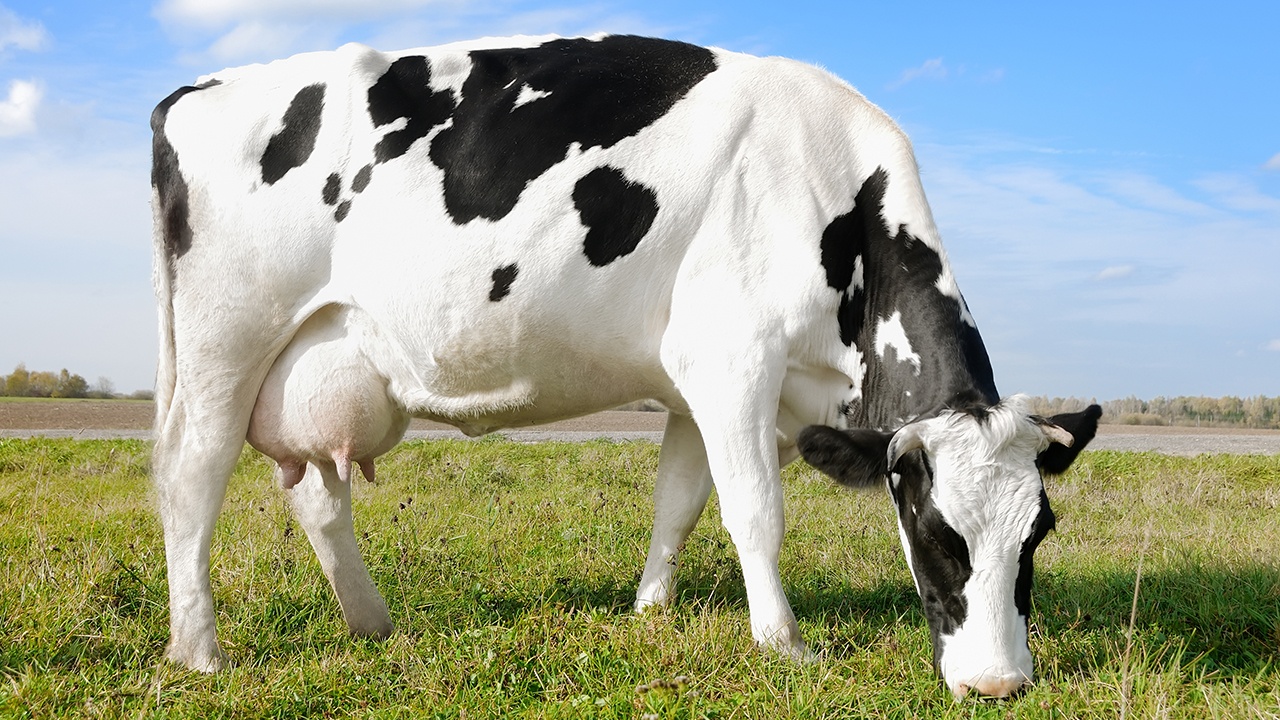
The image provided is an example of a(n):
a)
Autotroph
b)
Carnivore
c)
Herbivore
d)
Decomposer
31.
What is the term for each step in the transfer of energy and matter within a biological community?
a)
energy path
b)
food web
c)
trophic level
d)
food pyramid
32.
What may happen if the snowshoe hare was removed from the food web pictured?
a)
The insects in the habitat would increase.
b)
The shrew population would decrease due to being only hawk food source.
c)
The willow tree population would decrease.
d)
Foxes would dies due to no food source. 
33.
In the energy pyramid here, how much of the energy in the producers gets passed to the herbivores?
a)
10%
b)
20%
c)
80%
d)
90%
34.
In the food web shown, the snail would be considered...
a)
primary consumer
b)
secondary consumer
c)
tertiary consumer
d)
producer
35.
The rabbit in this food web would be considered a:
a)
Decomposer
b)
Producer
c)
Secondary Consumer
d)
Primary Consumer