
NEW
Font size
S
M
L
XL
 Worksheets
CMS Unit 8: Ecology Pre-Assessment
Total questions: 33
Worksheet time: 31mins
Name
Class
Date
1.
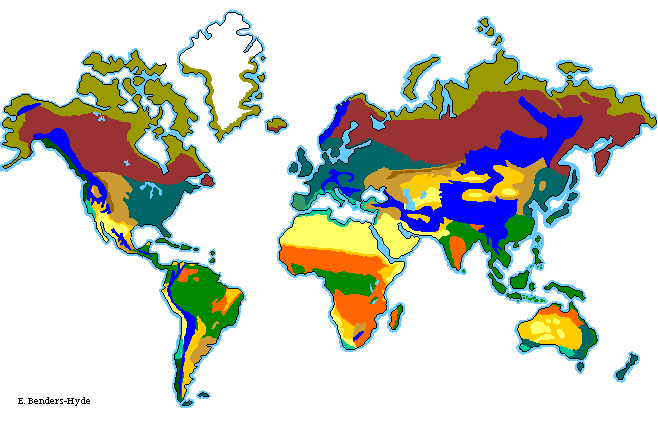
A large ecosystem is called a ______
a)
Ecosystem
b)
Habitat
c)
Biome
d)
Niche
2.
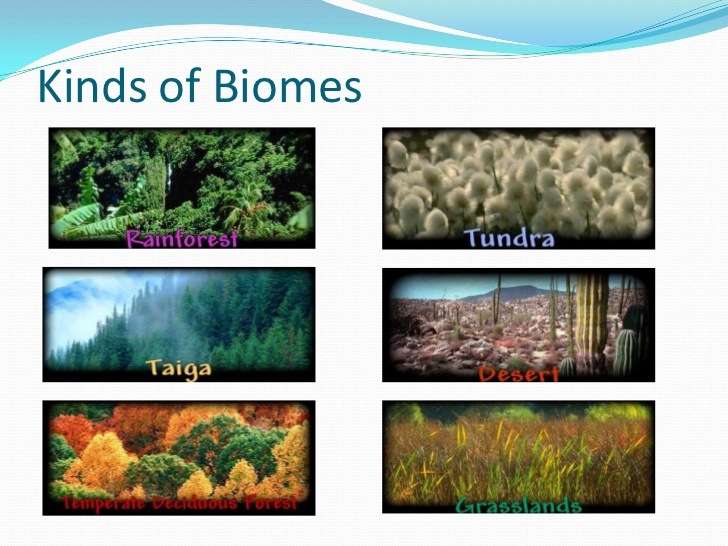
What is the main factor that separates the biomes?
a)
Land
b)
Water
c)
Climate
d)
Longitude
3.
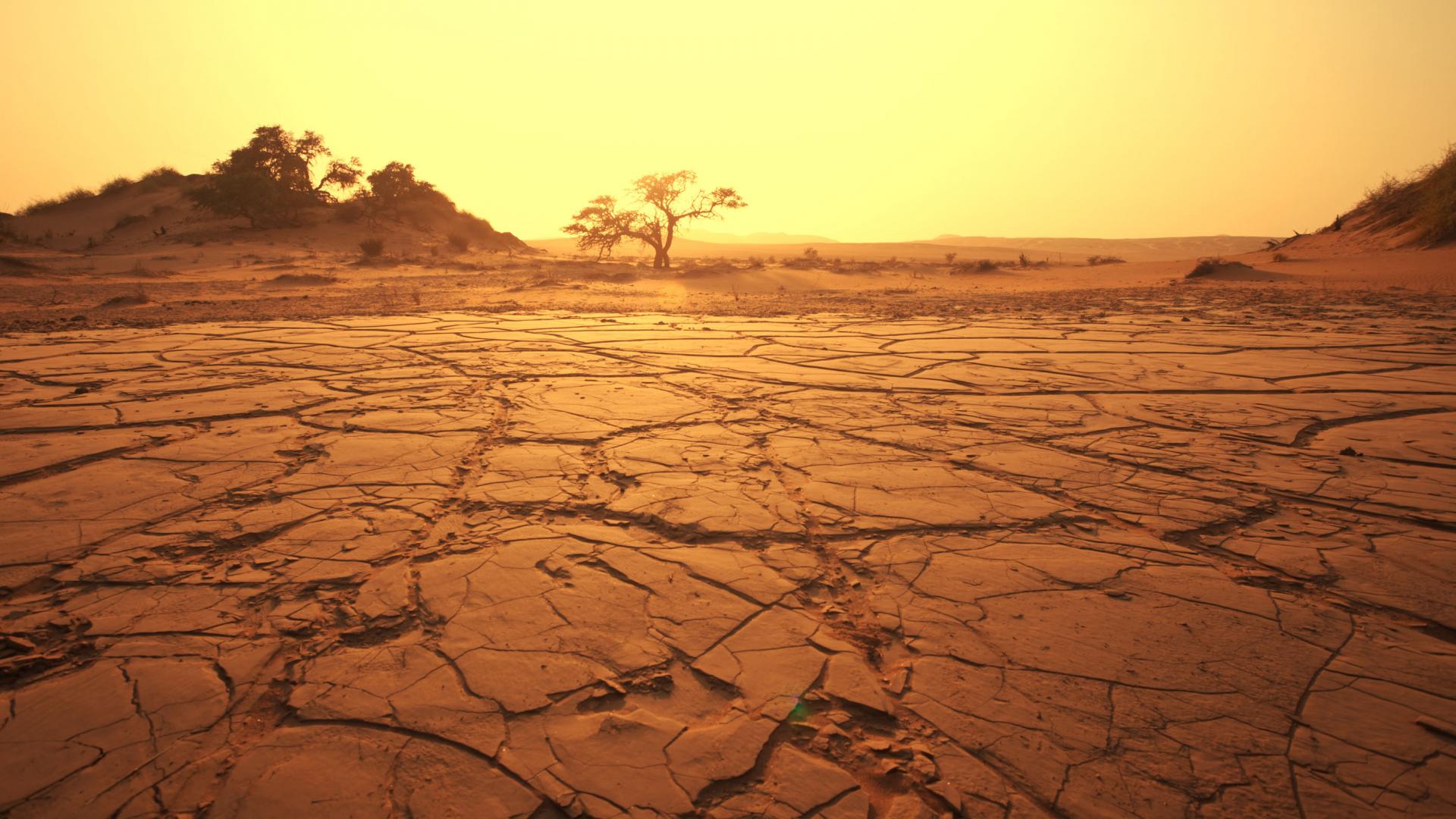
Which biome is the driest?
a)
Desert
b)
Tundra
c)
Taiga
d)
Rainforest
4.
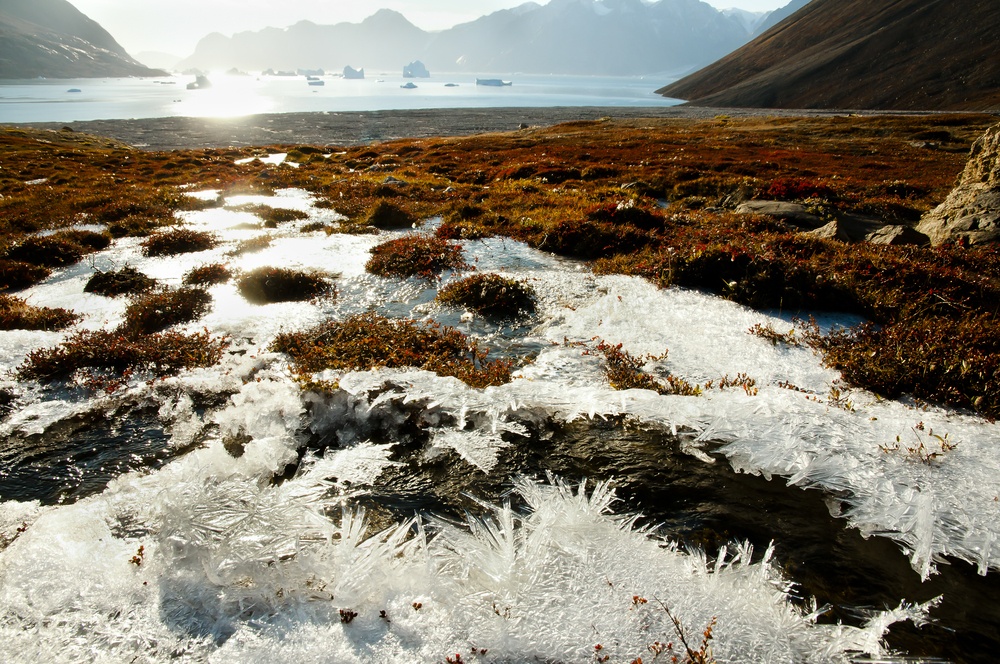
Which Biome has permafrost?
a)
Temperate Forest
b)
Rainforest
c)
Taiga
d)
Tundra
5.
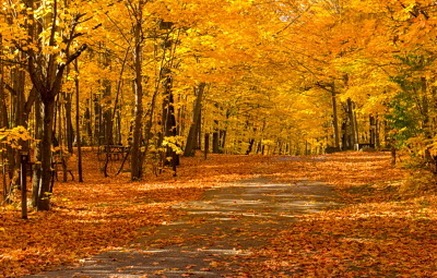
Which biome has deciduous trees (which lose their leaves)?
a)
Temperate Forest
b)
Rainforest
c)
Grasslands
d)
Taiga
6.
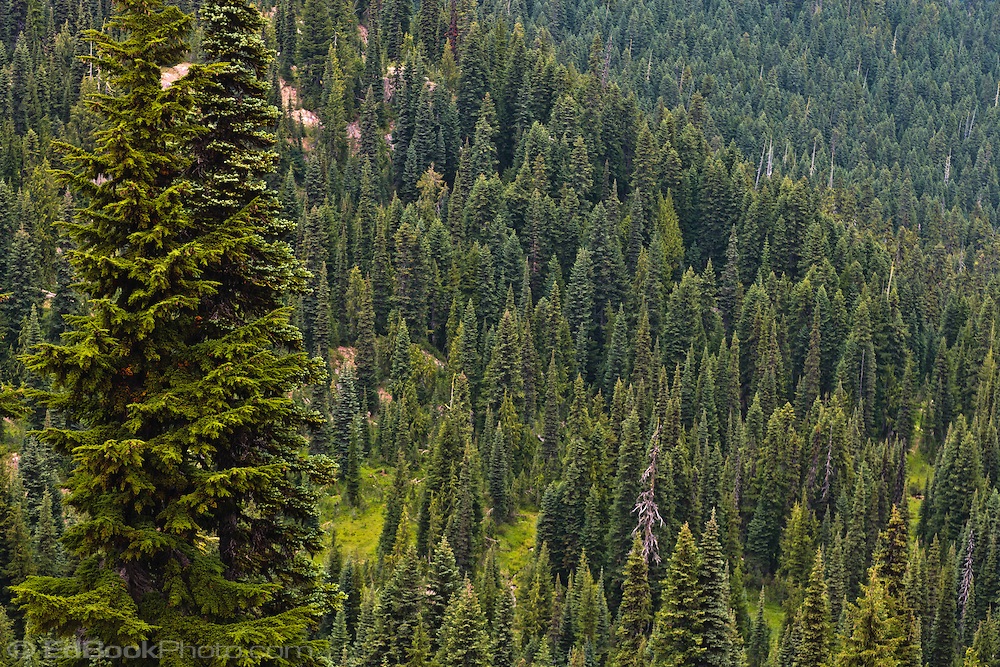
Which biome has coniferous trees (which don't lose their leaves)?
a)
Taiga
b)
Temperate Forest
c)
Tundra
d)
Grasslands
7.
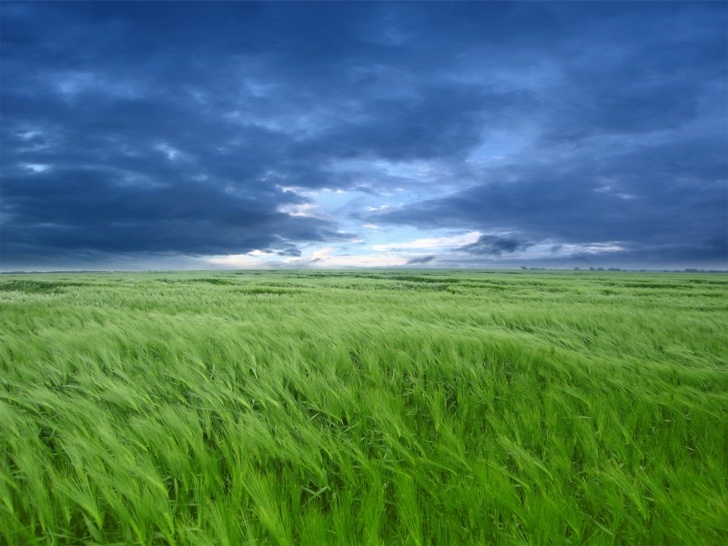
Which biome has wide-open fields of grass?
a)
Taiga
b)
Grasslands
c)
Temperate Forest
d)
Rainforest
8.

Which biome has 4 seasons?
a)
Taiga
b)
Tundra
c)
Grasslands
d)
Temperate Forest
9.
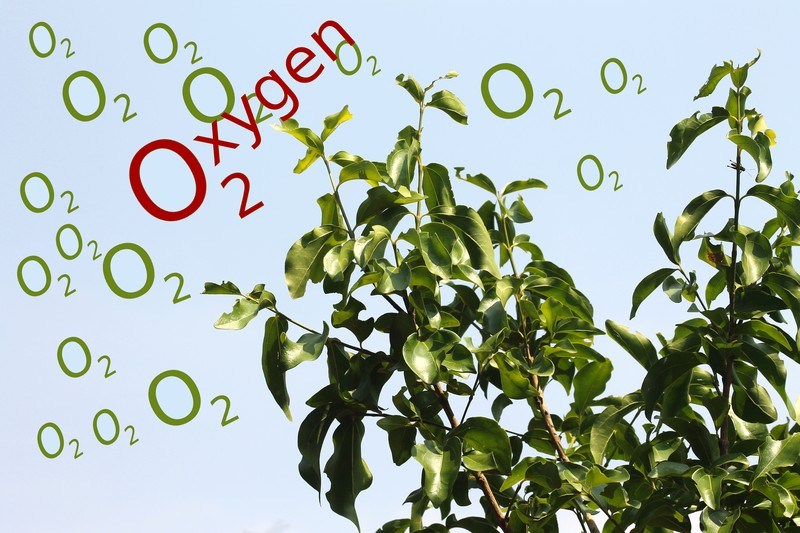
Which biome produces over 50% of the world's oxygen?
a)
Rainforest
b)
Temperate Forest
c)
Grasslands
d)
Taiga
10.

Which biome is home to jaguars, anacondas, leopards, gorillas, and poisonous tree frogs?
a)
Grasslands
b)
Temperate Forest
c)
Rainforest
d)
Tundra
11.
What term is given by scientists to the living parts of an ecosystem?
a)
Biotic Factors
b)
Abiotic Factors
c)
Community
d)
Population
12.
Abiotic factors are parts of the environment that are...
a)
Nonliving
b)
Living
c)
Populations
d)
Vegetation
13.
Identify an a example of an abiotic factor?
a)
Panda
b)
Turtle
c)
Butterfly
d)
sunlight
14.
Temperature, light, air, water, and soil are all _____ parts of the environment
a)
alive
b)
biotic
c)
abiotic
d)
living
15.
In which biome is Georgia located?
a)
tropical rainforest
b)
temperate rainforest
c)
temperate deciduous forest
d)
alpine forest
16.

What is the order of succession shown in this figure?
a)
A, B, C, D
b)
B, A, D, C
c)
C, D, A, B
d)
D, A, B, C
17.
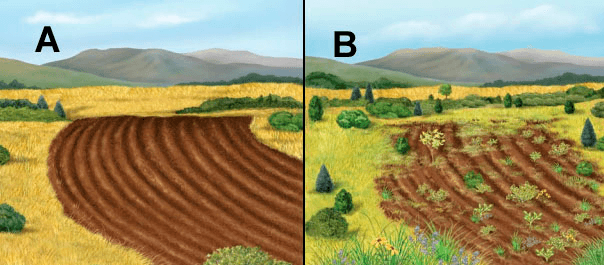
What type of succession is shown going from figure A to figure B?
a)
primary succession
b)
ecological succession
c)
secondary succession
d)
intermediate
18.
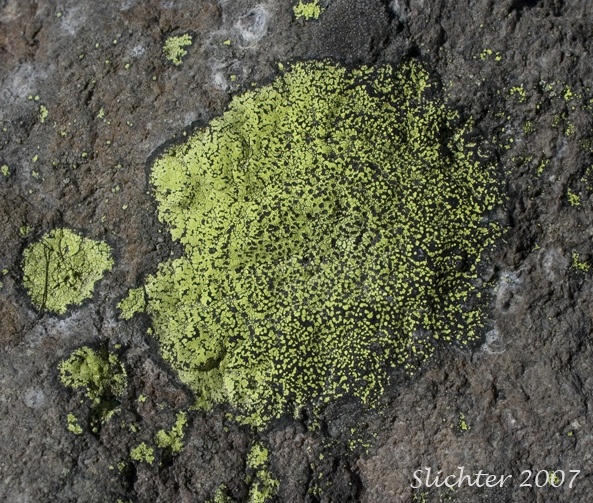
What is the first species you will see after a primary succession?
a)
lichens
b)
grasses
c)
small plants
19.

What does the final picture (#8) show?
a)
pioneer species
b)
a climax community
c)
only biotic factors
d)
only abiotic factors
20.

Which type of succession does this cartoon show?
a)
primary succession
b)
secondary succession
21.

Which type of succession does this picture show?
a)
primary succession
b)
secondary succession
22.

Succession that occurs in an area with NO SOIL
a)
ecological succession
b)
primary succession
c)
secondary succession
d)
pioneer species
23.

The number of individuals a habitat can sustain with the resources it has available
a)
Carrying capacity
b)
Limiting factors
c)
Resources
d)
Population
24.

A supply of materials in a habitat
a)
Resources
b)
Biomes
c)
Organisms
d)
Groceries
25.
Which of the following is an EXAMPLE of a limiting factor?
a)
Water
b)
Disease
c)
Migration
d)
Thick fur
26.

All members of the same species that live in one area.
a)
Population
b)
Community
c)
Biome
d)
Organism
27.

Different populations that live together in an area.
a)
Community
b)
Ecosystem
c)
Population
d)
Biosphere
28.

What is the carrying capacity of the graph?
a)
1000
b)
8000
c)
800
d)
600
29.
This may cause a population to increase
a)
increase of food supply
b)
removal of predators
c)
removal of disease
d)
all of these
30.

Something that regulates the size of a population is called...
a)
a limiting measure
b)
a limiting factor
c)
carrying capacity
d)
biodiversity
31.
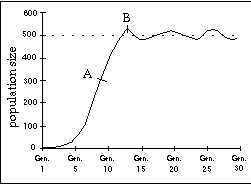
What is the carrying capacity of the graph?
a)
around 500
b)
more than 800
c)
less than 300
d)
around 700
32.
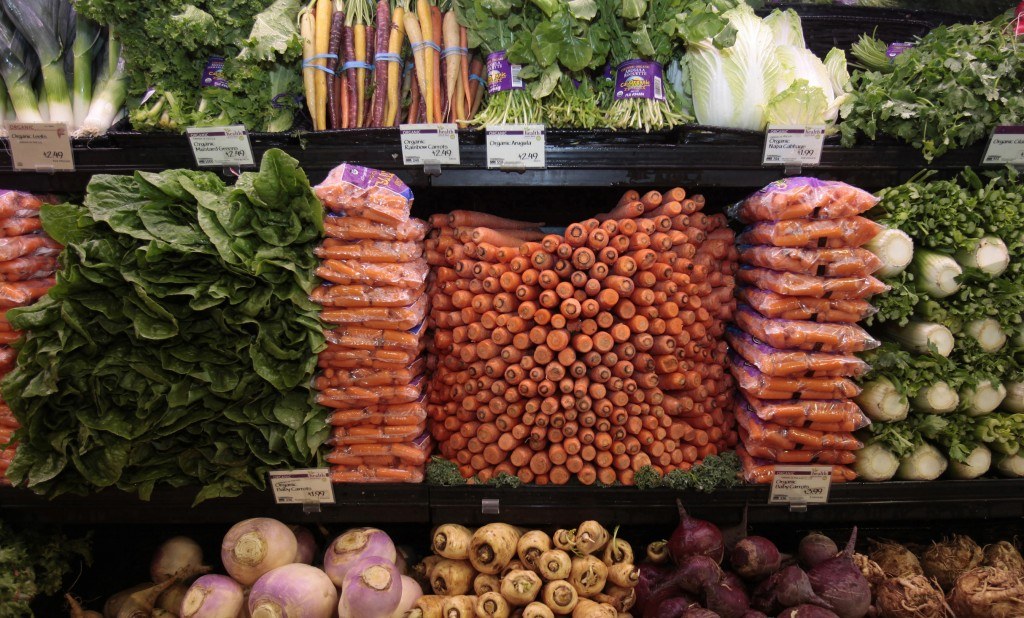
Which of the following would INCREASE the carrying capacity of an ecosystem?
a)
increase in predators
b)
disease
c)
increase in available food
d)
drought
33.

Will competition increase/decrease the carrying capacity of an ecosystem for the animal in competition?
a)
Decrease
b)
Increase
Reset

