wayground logo

Free Printable Worksheets

Font size

S
M
L
XL
Worksheets

Human Impacts

Total questions: 38

Worksheet time: 33mins

Name
Class
Date
1.

Which of these is an example of a human activity that causes climate change?

a)

A. burning fossil fuels

b)

B. removing greenhouse gases

c)

C. using alternative energy sources

d)

D. increasing ash particles from volcanoes

2.

A greenhouse is a building where plants are cultivated. Because a greenhouse traps some of the incoming solar radiation, the air inside is generally warmer than the air outside. Which gas in Earth’s atmosphere acts like this greenhouse?

a)

Argon

b)

Oxygen

c)

Nitrogen

d)

Carbon Dioxide

3.

The graph shows the change in average global temperature during the last 100 years. The graph shows both natural and human contributions to climate change. Which of these statements is supported by the graph?

a)

A. Human activities have caused most of the change in Earth’s increased temperatures.

b)

B. Earth’s surface is becoming warmer mostly because of an increase in the sun’s energy.

c)

C. Natural factors have been the main factor in causing Earth’s climate to become warmer.

d)

D. Driving vehicles every day in crowded cities is the main contributor to increasing temperatures.

4.

If a population grows larger than its environmental carrying capacity, then

a)

death rate may rise.

b)

death rate may fall significantly.

c)

birth rate may rise significantly.

d)

immigration rate may increase.

5.

What type of growth is the human population experiencing today?

a)

Exponential growth

b)

Zero population growth

c)

Slight decreases in growth

d)

Slight increases in growth

6.
Sunlight, wind, and water are considered ____resources.
a)
renewable
b)
fossil
c)
nonrenewable
d)
nonliving
7.
_____ resources are resources that cannot be replenished within a lifetime.
a)
Renewable
b)
Endangered
c)
Nonrenewable
d)
Living
8.
Natural resources are distributed ____across the Earth.
a)
safely
b)
easily
c)
unequally
d)
underground
9.
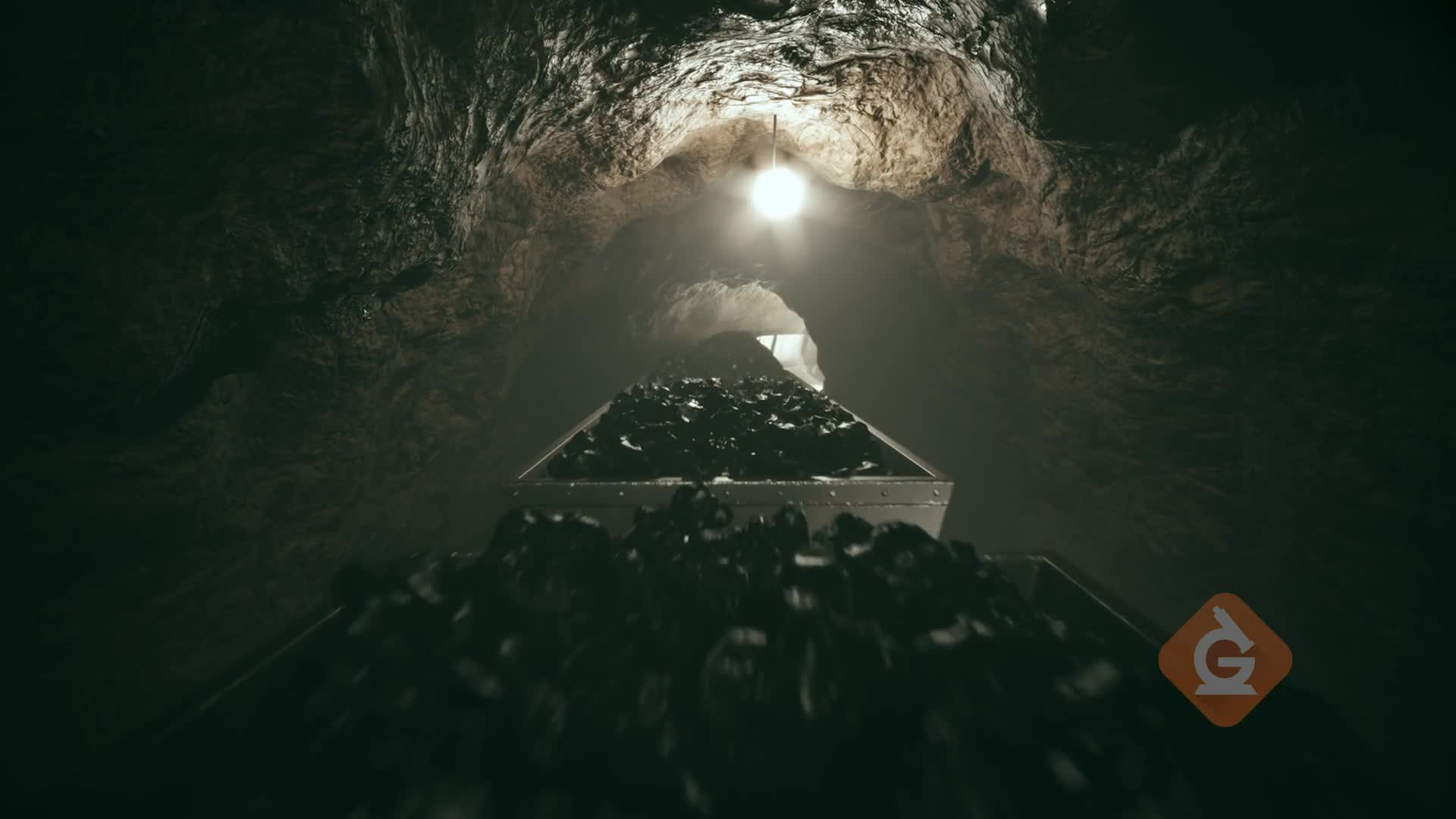
This resource comes from plants that died millions of years ago. Thick layers of rock and soil covered the dead plants. The pressure of the rocks and soil turned the plants into a solid
a)
Oil
b)
Copper
c)
Iron
d)
Coal
10.
These countries take up 75% of our human population, but use only 25% of our world's natural resources
a)
Developing
b)
Developed
11.
Which region of the United States has a poor groundwater recharge rate? (Look at the map)
a)
North
b)
South
c)
East
d)
West
12.

The majority of Earth's energy comes from...

a)

the Earth's core

b)

the Sun

c)

hydroelectric power

d)

burning fossil fuels

13.

Which of the following does NOT happen to solar energy when it reaches Earth?

a)

Some solar energy reflects off the atmosphere, back to space

b)

Some solar energy passes through Earth and comes out the other side

c)

Some solar energy is absorbed by land and water

d)

Some solar energy is radiated from the Earth's surface and trapped by the atmosphere

14.
What is the greenhouse effect?
a)
The warming of a planet due to trapped radiation.
b)
The cooling of Earth due to air pollution.
c)
The heating of a solid, such as a rock.
15.
Which of the following are greenhouse gases?
a)
Carbon dioxide
b)
Methane
c)
Water vapor
d)
All answers are correct
16.
Without the Greenhouse Effect the Earth would be
a)
warm 
b)
cold
c)
dead
17.
Rock underground suddenly breaks along a fault causing tectonic movement, causing what natural hazard? 
a)
Volcanic Eruption 
b)
Cyclone
c)
Earthquake
d)
Hurricane
18.
What is the difference between a natural hazard and a natural disaster? 
a)
They are exactly the same 
b)
A hazard is what could happen, a disaster is after it has an impact on humans
c)
I disaster is what could happen, a hazard is after it has an impact on humans 
d)
Hurricanes and tsunamis are natural disasters, but earthquakes and volcanoes are hazards
19.
A huge undersea earthquake off the Alaskan coastline could produce what natural hazard? 
a)
Tsunami 
b)
Cyclone 
c)
Hurricane 
d)
Drought 
20.

What are possible negative outcomes of forest being cleared to make room for farmland?

a)

Fewer trees for animal habitats

b)

Fertilizers create run-off into a nearby stream, polluting it.

c)

Less room for animals to hunt and find shelter

d)

Birds find seeds and insects on plowed fields
21.

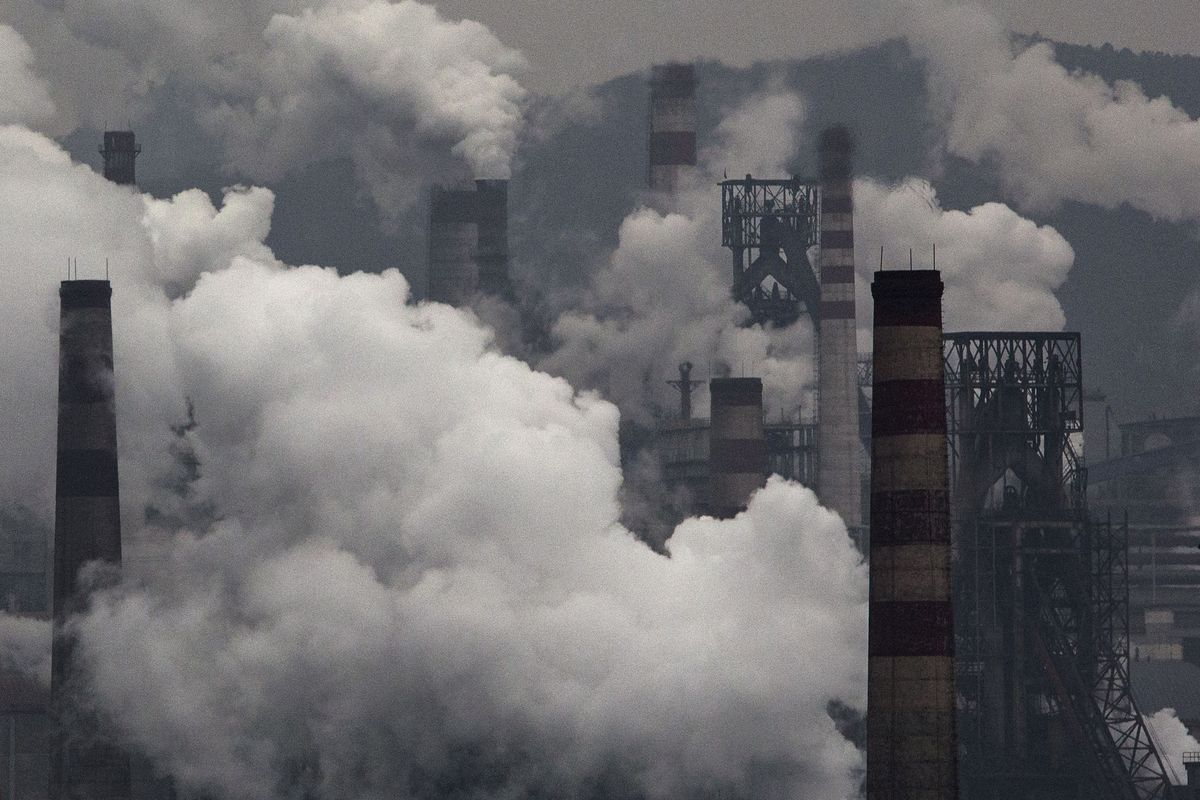
Pollution caused by a coal factory most directly affects the...

a)

ocean

b)

soil

c)

atmosphere

d)

groundwater

22.

Pick All of the R's of Conservation.

a)

Reduce

b)

Reuse

c)

Recycle

d)

Remind

23.
_____ is a material that is found in nature and that is used by living things.
a)
nonrenewable resource
b)
natural resource
c)
renewable resource
24.
What type of energy resource is wind?
a)
Nonrenewable
b)
Renewable
c)
Exhaustible 
25.
What is an energy source that will never run out.
a)
Exhaustible 
b)
Inexhaustible
c)
Coal and oil 
26.
What type of renewable energy am I?  I convert the sun's rays into electricity. 
a)
wind
b)
biofuels
c)
geothermal
d)
solar
27.
What type of renewable energy am I? I turn water into steam which escapes through cracks in the Earth as well as forms geysers and hot springs.
a)
biofuels
b)
hydroelectric
c)
geothermal
d)
wind
28.

Which of the following is an example of precipitation?

a)

sleet

b)

hail

c)

snow

d)

all of the above

29.

Which of the following is NOT a way water moves from the land to the air?

a)

transpiration

b)

respiration

c)

evaporation

d)

precipitation

30.

If groundwater reaches earth's surface, how does it reenter the water cycle?

a)

by transpiration

b)

by evaporation

c)

by accumulation

d)

it can't

31.

The water cycle starts at....

a)

evaporation

b)

condensation

c)

precipitation

d)

it has not beginning or ending

32.

What process is show by letter A in the diagram?

a)

condensation

b)

evaporation

c)

accumulation

d)

precipitation

33.
If heat and pressure inside the Earth cause a rock to melt, the material that formed would be
a)
Metamorphic
b)
Magma
c)
Sedimentary
d)
Igneous
34.
The three groups of rocks are classified by
a)
How they form
b)
Color
c)
Grain size
d)
Chemical Composition
35.
Fossils are only found in
a)
Sedimentary rocks
b)
Foliated Metamorphic rocks
c)
Igneous Rocks
d)
Nonfoliated Metamorphic rocks
36.

Why are fossils fuels so widely used?

a)

They are renewable so they won't run out.

b)

They pollution they produce is less compared to renewable energy sources.

c)

They are easy to obtain and process.

d)

They don't disrupt the environment when mined from the earth.

37.

Fossil Fuels (choose ALL that apply)

a)

considered nonrenewable resources

b)

cause pollution in the atmosphere

c)

are renewable resources

d)

oil, coal and natural gas

38.

What percent of water on Earth is saltwater?

a)

3%

b)

97%

c)

90%

d)

5%