
 Worksheets
LS SA #2 Review
Total questions: 35
Worksheet time: 28mins
Name
Class
Date
1.
All Offspring of Asexual reproduction are identical
a)
True
b)
False
2.
How many parent(s)are needed for asexual?
a)
4
b)
1
c)
9
d)
100
3.
Which process is considered to be faster?
a)
Asexual
b)
Sexual
4.
A hydra reproduces when an outgrowth, or bud, forms and continues to develop until if falls off of the parent. This is an example of:
a)
Binary Fission
b)
Sporulation
c)
Budding
d)
Vegetative Propagation
5.
When a starfish grows a new body off a broken arm, what kind of reproduction is this?
a)
Sexual
b)
Differentiation
c)
Asexual
d)
Specialization
6.
What percentage of chromosomes are handed down by a parent cell in asexual reproduction?
a)
75%
b)
25%
c)
50%
d)
100%
7.
What are some of the facts about sexual reproduction?
a)
Takes two mates to reproduce and takes a longer time to reproduce
b)
Takes one mate to reproduce and takes a shorter amount of time to reproduce
c)
Takes two mates to reproduce and takes a shorter amount of time to reproduce
d)
Takes one mate to reproduce and takes a shorter amount of time to reproduce
8.
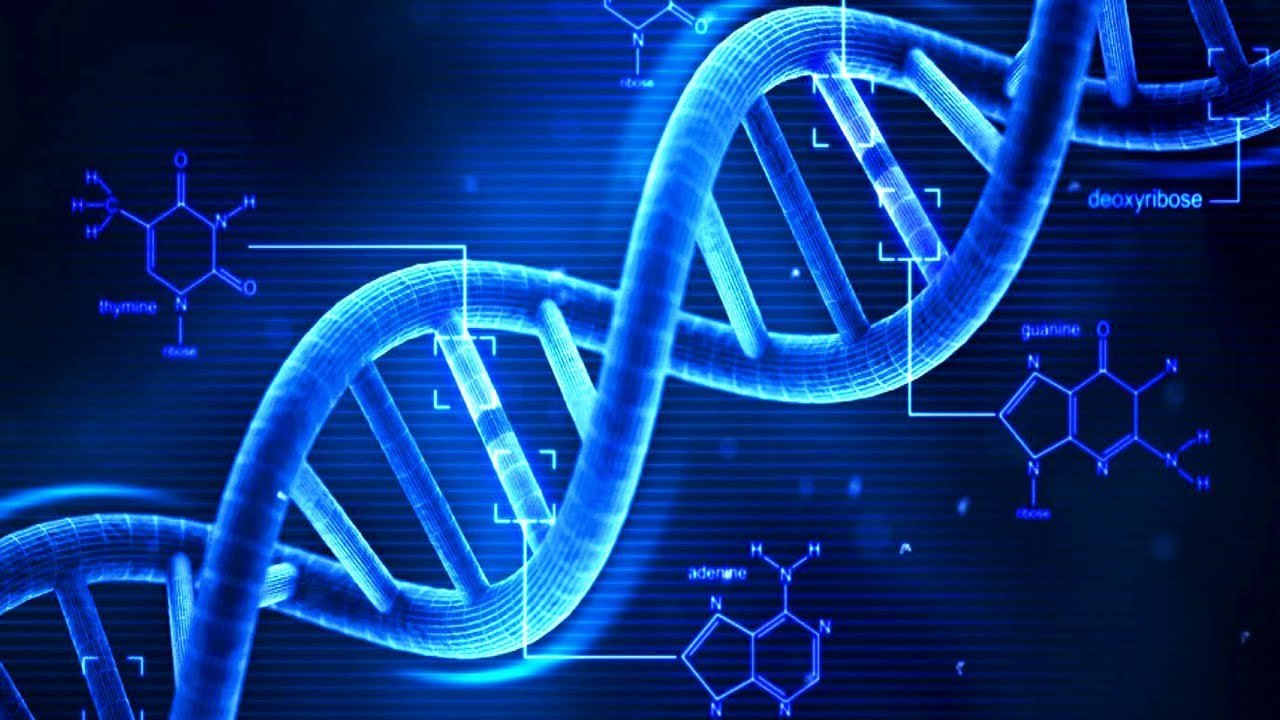
When comparing the offspring of sexually and asexually reproducing organisms, we would expect the genetic material (DNA) of the sexually reproducing organism to -
a)
contain fewer mutations
b)
be lesser in quantity
c)
be simpler overall
d)
show more variation
9.
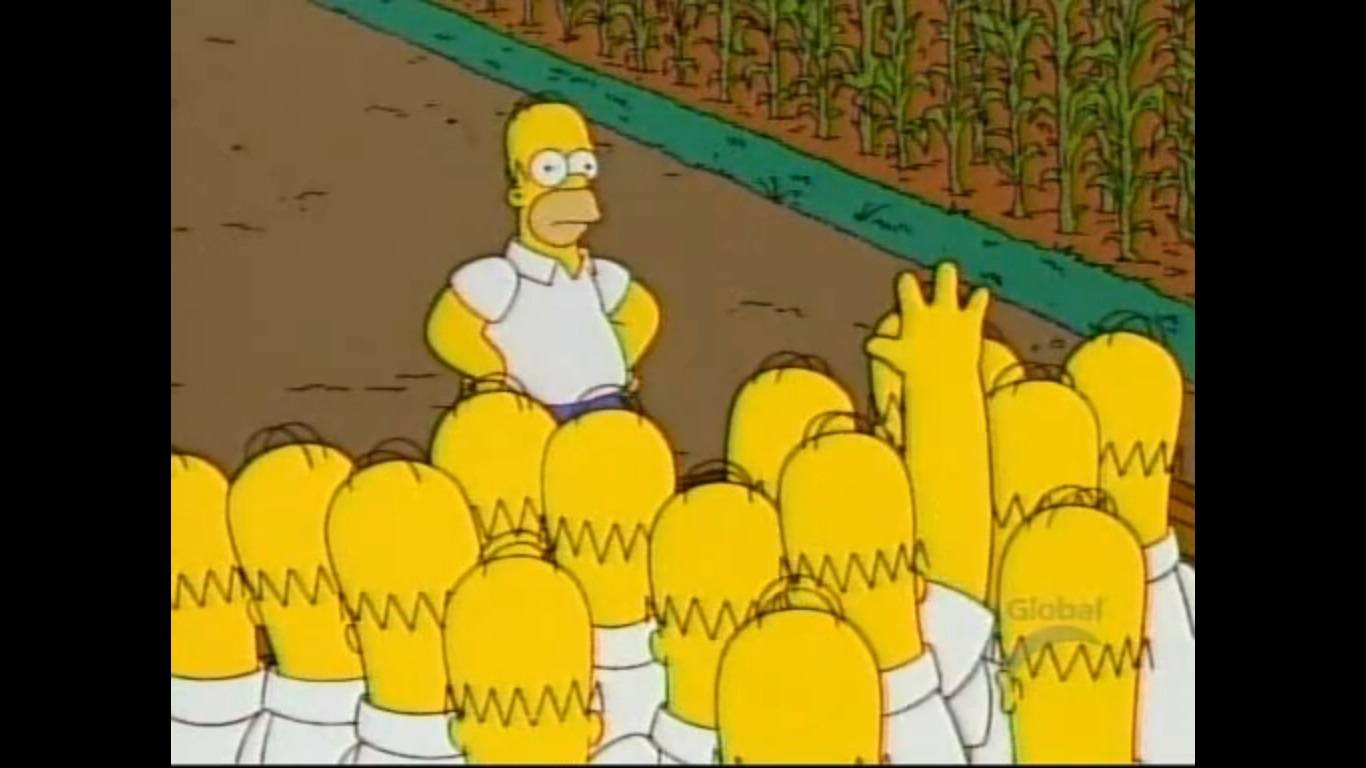
All of the offspring of an organism have the same genetic material, which is identical to the parent organism. From this, we can conclude that this organism -
a)
makes its own food
b)
is unicellular
c)
live in a marine habitat
d)
reproduces asexually
10.
What percentage of chromosomes are handed down by a sperm cell?
a)
75%
b)
25%
c)
50%
d)
100%
11.
What is an advantage of sexual reproduction?
a)
Allows genetic variation
b)
Only needs one parent
c)
Happens very quickly
d)
Offspring are exact copies of parent
12.
What is one disadvantage of sexual reproduction?
a)
Only one parent needed
b)
Off spring are exact copies of parents
c)
Happens very quickly
d)
Needs two parents
13.
What produces unique daughter cells?
a)
Meiosis
b)
Mitosis
c)
DNA
d)
Cell Cycle
14.
The end product of meiosis is ____________ haploid cells.
a)
2
b)
3
c)
4
d)
6
15.
How many daughter cells are produced during mitosis?
a)
2
b)
3
c)
4
d)
6
16.
A turtle dove has 72 chromosomes in its somatic cells, how many chromosomes would be in their gametes?
a)
72
b)
36
c)
156
d)
40
17.
Sex cells, sperm, eggs
a)
Somatic cells
b)
Body cells
c)
Gametes
d)
Diploid cells
18.
Male gamete
a)
sperm
b)
egg
c)
diploid
19.

A white cat had a litter of kittens that were orange, grey, and black and white spotted. Is this the result of sexual or asexual reproduction? And how would you characterize the offspring listed above?
a)
Sexual reproduction with uniform offspring
b)
Asexual reproduction with diverse offspring
c)
Sexual reproduction with diverse offspring
d)
Asexual reproduction with uniform offspring
20.
In sexual reproduction the female produces ___ cells.
a)
Femalex
b)
Quack
c)
Egg
d)
Sperm
21.

Is the following asexual or sexual reproduction?
A labradoodle is a type of dog that is crossed between a labradoor retriever and a poodle. The labradoodle puppy takes on the traits of both of its parents. Female dogs have a pregnancy period of almost 70 days.
A labradoodle is a type of dog that is crossed between a labradoor retriever and a poodle. The labradoodle puppy takes on the traits of both of its parents. Female dogs have a pregnancy period of almost 70 days.
a)
Sexual
b)
Asexual
22.
This produces 2 identical cells.
a)
mitosis
b)
meiosis
23.
A human usually has xx amount of chromosomes.
a)
6
b)
22
c)
4
d)
46
24.

Meiosis makes sperm and egg cells. In humans, sperm and egg cells each have _____ chromosomes. Therefore a fertilized human egg cell (sperm and egg cell combined) would create a cell with _____ chromosomes.
a)
23, 46
b)
46, 23
c)
2, 4
d)
50, 100
25.

Which process and type of resulting cells are represented?
a)
mitosis, gametes
b)
mitosis, body cells
c)
meiosis, gametes
d)
meiosis, body cells
26.
A male shark has 40 chromosomes in each of its sex cells. How many would be present in its body cells?
a)
20
b)
40
c)
80
d)
160
27.
Why do we need meiosis?
a)
To double the number of chromosomes going into sex cells
b)
To halve the number of chromosomes going into sex cells
c)
To triple the number of chromosomes going into sex cells
d)
To not change the number of chromosomes going into sex cells
28.

Fruit fly body cells have 8 chromosomes. After mitosis, you would expect a resulting fruit fly daughter cell to have ...
a)
16 chromosomes.
b)
46 chromosomes.
c)
8 chromosomes.
d)
4 chromosomes.
29.
Mitosis is considered this type of reproduction
a)
sexual
b)
asexual
30.
This produces cells for growth and repair.
a)
mitosis
b)
meiosis
31.
After meiosis is complete:
a) how many egg cells are usuable (viable)?
b) how many sperm cells are viable?
a) how many egg cells are usuable (viable)?
b) how many sperm cells are viable?
a)
a) 1
b) 1
b) 1
b)
a) 4
b) 1
b) 1
c)
a) 1
b) 4
b) 4
d)
a) 4
b) 4
b) 4
32.
After meiosis is complete, the new cells:
a)
are all identical
b)
are all different
c)
are half identical and half different
d)
are all stretched out
33.

The process on the left is:
The process on the right is:
The process on the right is:
a)
Left: meiosis
Right: meiosis
Right: meiosis
b)
Left: meiosis
Right: cloning
Right: cloning
c)
Left: mitosis
Right: meiosis
Right: meiosis
d)
Left: mitosis
Right: mitosis
Right: mitosis
34.
When a cell divides, what do we call the 2 new cells?
a)
mother cells
b)
father cells
c)
daughter cells
d)
son cells
35.
Before a cell can divide, what must happen?
a)
Nothing, it is always ready to divide
b)
The number of chromosomes must be cut in half
c)
The number of chromosomes must double
d)
The number of chromosomes must triple.
100 %

