
NEW
Font size
S
M
L
XL
 Worksheets
Digestive, Muscular, Skeletal Review
Total questions: 48
Worksheet time: 33mins
Name
Class
Date
1.

The chewing and grinding of food into smaller pieces is an example of...
a)
Mechanical Digestion
b)
Chemical Digestion
2.

What is one secondary (helper) organ of the digestive system?
a)
Small Intestine
b)
Esophagus
c)
Gallbladder
d)
Stomach
3.

Bile is made by which digestive organ?
a)
Gallbladder
b)
Stomach
c)
Rectum
d)
Liver
4.

Which digestive organ makes digestive juices to help the small intestine absorb nutrients?
a)
Liver
b)
Gallbladder
c)
Pancreas
d)
Esophagus
5.

Nutrients from digested food are absorbed in which digestive organ?
a)
Small Intestine
b)
Stomach
c)
Large Intestine
d)
Gallbladder
6.
Which of the following is NOT part of the digestive tract? (Hint: Identify the secondary organ.)
a)
Mouth
b)
Esophagus
c)
Small Intestine
d)
Liver
7.

Number 4 is pointing to the....
a)
Anus
b)
Rectum
c)
Large Intestine
d)
Small intestine
8.

Number 5 is pointing to the...
a)
Liver
b)
Gallbladder
c)
Pancreas
d)
Stomach
9.

Number 3 is pointing to the...
a)
Small intestine
b)
Rectum
c)
Large intestine
d)
Stomach
10.

Number 2 is pointing to the...
a)
Esophagus
b)
Stomach
c)
Small intestine
d)
Anus
11.

Which organ pushes food down to the stomach?
a)
Mouth
b)
Esophagus
c)
Rectum
d)
Large intestine
12.
Which body system gets ride of solid waste?
a)
Excretory (Urinary)
b)
Digestive
c)
Circulatory
d)
Respiratory
13.

As waste moves through the digestive system, the ______ absorbs water before storing waste in the rectum.
a)
Small intestine
b)
Stomach
c)
Esophagus
d)
Large intestine
14.
A short tube at the end of the large intestine that stores solid waste is the...
a)
Anus
b)
Rectum
15.

Bile is stored in which secondary digestive organ?
a)
Stomach
b)
Liver
c)
Gallbladder
d)
Pancreas
16.
What is the substance found in the stomach that allows for chemical digestion to take place?
a)
Gastric Juices
b)
Saliva
c)
Bile
17.
Which is NOT a function of the Digestive System?
a)
To rid the body of solid waste
b)
Absorb nutrients for energy & growth
c)
Break down nutrients from food
d)
Pump blood around the body
18.

The opening at the end of the digestive system where solid waste comes out is the...
a)
rectum
b)
anus
c)
mouth
d)
large intestine
19.

Which secondary organ makes digestive juices like insulin to help absorb food in the small intestine?
a)
Large intestine
b)
Pancreas
c)
Liver
d)
Gallbladder
20.
Enzymes (chemicals) in your saliva help break down food while chewing. This is...
a)
Mechanical digestion
b)
Chemical digestion
21.
Most chemical digestion takes place in which organ?
a)
Stomach
b)
Small intestine
c)
Rectum
d)
Esophagus
22.

Number 7 is pointing to...
a)
Mouth
b)
Esophagus
c)
Small intestine
d)
rectum
23.

Number 8 is pointing to the...
a)
small intestine
b)
stomach
c)
anus
d)
rectum
24.
What are the 3 types of muscle tissue?
a)
Thigh, Calf, & Shoulder
b)
Traps, Forearm, & Abs
c)
Hamstring, Biceps, & Triceps
d)
Smooth Muscle, Cardiac Muscle, & Skeletal Muscle
25.
Which muscle type is found in your stomach, bladder, and intestines?
a)
Skeletal
b)
Smooth
c)
Cardiac
d)
Straight
26.
Which type of muscle is found in your heart?
a)
Skeletal
b)
Smooth
c)
Cardiac
d)
Straight
27.
Which muscles are involuntary?
a)
skeletal
b)
cardiac
c)
smooth
d)
smooth and cardiac
28.
Which types of muscle tissue are voluntary?
a)
Cardiac
b)
Skeletal
c)
Smooth
d)
Cardiac and Smooth
29.
Skeletal muscles are attached to the _________.
a)
Stomach
b)
Lungs
c)
Bones
d)
Involuntary Muscles
30.
Cardiac muscles are ONLY located in the heart
a)
TRUE
b)
FALSE
31.
Involuntary muscle is
a)
muscle found in the heart
b)
muscle found in the organs
c)
muscle that works automatically
d)
all of these are true
32.
What is a voluntary muscle?
a)
You have control over the muscle
b)
You have no control over the muscle
c)
Muscle works automatically
d)
Muscles fuse together
33.

a)
Humerus
b)
Ulna
c)
Radius
d)
Clavicle
34.

a)
metacarpals
b)
metatarsals
c)
tarsals
d)
carpals
35.

a)
metacarpals
b)
metatarsals
c)
carpals
d)
tarsals
36.

a)
pelvis
b)
tibia
c)
sternum
d)
sacrum
37.

a)
humerus
b)
ulna
c)
radius
d)
tibia
38.
fingers and toes
a)
phalanges
b)
metacarpals
c)
metatarsals
d)
fibula
39.

Name the bones.
a)
Tarsals
b)
Carpals
c)
Phalanges
d)
Mandible
40.
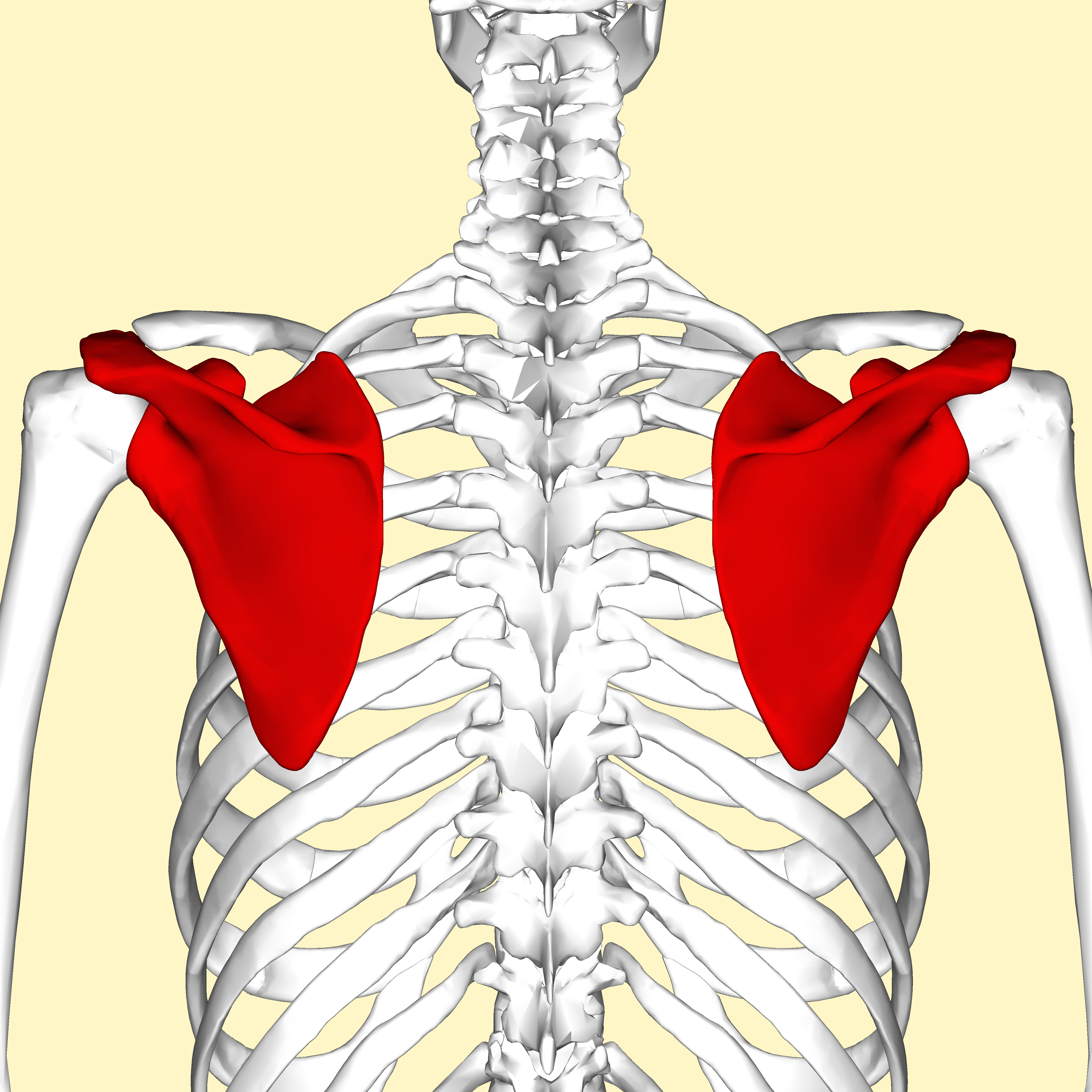
What bones is represented in the picture?
a)
Clavicle
b)
Scapula
c)
Sternum
d)
Carpals
41.

Name the bone highlighted in red.
a)
Clavicle
b)
Rib Cage
c)
Humerus
d)
Femur
42.

This bone is located on the thumb side of the forearm
a)
ulna
b)
radius
c)
humerus
d)
patella
43.

This bone is on the pinky side of your forearm
a)
Ulna
b)
Radius
c)
Humerus
d)
Pelvis
44.

a)
Tibia
b)
Fibula
c)
Patella
d)
Femur
45.

Also known as the kneecap
a)
Patella
b)
Tibia
c)
Fibula
d)
Femur
46.

Also known as the shin bone
a)
Femur
b)
Tibia
c)
Fibula
d)
Metatarsals
47.

This is the smaller bone behind the Tibia
a)
Tibia
b)
Femur
c)
Fibula
d)
Pelvis
48.
Functions of bones include all of the follow except:
a)
red blood cell formation
b)
gives the body form
c)
protects internal organs
d)
generates heat
Reset

