
NEW
Font size
S
M
L
XL
 Worksheets
Endocrine System A & P
Total questions: 44
Worksheet time: 1hrs 7mins
Name
Class
Date
1.
Homeostasis
a)
allows for a wildly fluctuating internal environment
b)
is impossible in vertebrates
c)
is the maintenance of a relatively stable internal environment and often incorporates a form of feedback regulation
d)
is the maintenance of a relatively stable external environment and often incorporates a form of feedback regulation
2.
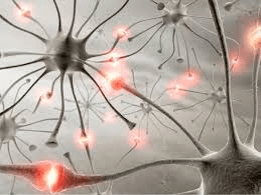
a body system that controls and coordinates all body activities through electric impulses/messages between brain, spinal cord and nerves.
a)
endocrine system
b)
nervous system
c)
nerve
d)
neuron
3.
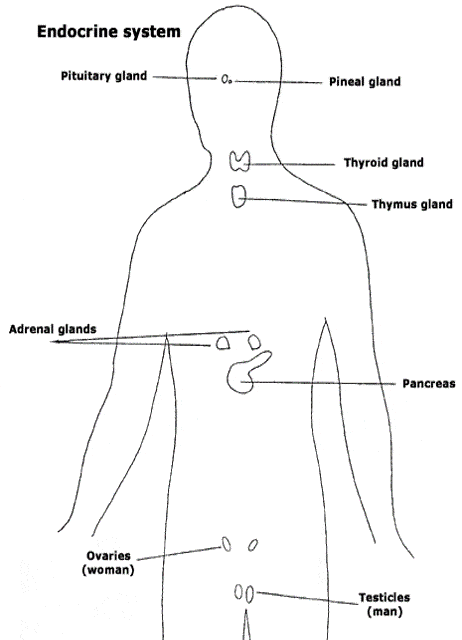
a body system that controls growth and homeostasis by secreting hormones from glands.
a)
skeletal system
b)
nervous system
c)
endocrine sytem
d)
integumentary system
4.
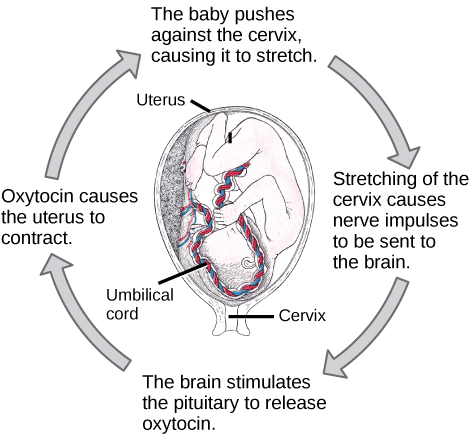
What type of feedback loop is shown?
a)
negative
b)
neutral
c)
positive
5.
When glucose levels in the blood rise, your brain sends a signal to your pancreas. The pancreas releases insulin, which opens channels in cell membranes to allow glucose to enter the cell, lowering blood sugar levels.
a)
Positive Feedback Response
b)
Negative Feedback Loop
6.
When you get cut, your skin cells release hormones that signal platelets to come and stop the bleeding. Platelets then release more hormones that signal even more platelets to help stop bleeding. The hormone signals continue until the cut is closed.
a)
Positive Feedback Response
b)
Negative Feedback Loop
7.
The name for a chemical made by glands that tell cells to make something or respond in some way.
a)
acid
b)
enzyme
c)
perspiration
d)
hormone
8.
What is the endocrine system?
a)
senses the hormone levels in the blood
b)
controls all other endocrine glands
c)
A group of glands that work together with the nervous system to coordinate all body functions
d)
decreases bone calcium levels
9.
What gland secretes thyroxin causing metabolism to increase?
a)
Thyroid
b)
Parathyroid
c)
Adrenal
d)
Pancreas
10.
What is the male gland that secretes testosterone?
a)
Ovaries
b)
Pituitary
c)
Testes
d)
Adrenal
11.
What is the female gland that secretes estrogen and progesterone?
a)
Testes
b)
Pancreas
c)
Thymus
d)
Ovaries
12.
Which hormone helps glucose get into the cells of the body, thus lowering blood glucose?
a)
Calcitonin
b)
Thyroxin
c)
Insulin
d)
Cortisol
13.
What is a chemical released by a cell or gland that sends out messages to other parts of the body?
a)
Glands
b)
Nerves
c)
Electric impulses
d)
Hormones
14.
What is an organ or structure that synthesizes and secretes hormones into the blood?
a)
Hormone
b)
Gland
c)
Skin
d)
Nerve
15.
What is the gland that releases hormones for fight or flight response?
a)
Pancreas
b)
Adrenal Gland
c)
Pituitary Gland
d)
Hypothalamus
16.
What is the gland that releases insulin to regulate blood sugar levels?
a)
Pancreas
b)
Adrenal Gland
c)
Pituitary Gland
d)
Hypothalamus
17.
The gland that is responsible for secreting growth hormones is called the:
a)
pancreas
b)
ovaries/testes
c)
pituitary
d)
thyroid
18.
______ is quick to take effect and short-lived, while ______ is longer to take effect but longer lasting.
a)
nervous system, endocrine system
b)
endocrine system, nervous system
c)
digestive system, circulatory system
d)
exocrine gland, endocrine gland
19.
Which hormone is released during a "fight or flight" response?
a)
Serotonin
b)
Acetylcholine
c)
Epinephrine
d)
Insulin
20.
Only one of the following statements is true. Analyze the statements to determine which is completely true about how the endocrine system and cardiovascular system work together.
a)
The endocrine system uses glands to produce hormones that travel with the blood through the blood vessels.
b)
The endocrine system uses glands to produce electrical signals that travel through the blood vessels.
c)
The endocrine system uses nerve cells to control all other systems including the cardiovascular system and the beating of the heart.
d)
The endocrine system uses white blood cells to kill diseases that might infect the body.
21.
What is released by the pancreas when blood sugar is low?
a)
glucose
b)
glucagon
c)
insulin
d)
glycogen
22.

What is this type of feedback?
a)
positive
b)
negative
c)
infinity
d)
a figure 8
23.
Type of diabetes characterized by insulin resistance
a)
Type I
b)
Type II
24.
Along with the nervous system, the ______ system coordinates the various activities of body parts.
a)
digestive
b)
endocrine
c)
circulatory
d)
respiratory
25.

Disease caused by excessive growth hormone released by the pituitary gland during childhood.
a)
acromegaly
b)
gigantism
c)
cretinism
d)
dwarfism
26.

Disease caused from overproduction of growth hormone during the adult years
a)
gigantism
b)
myxedema
c)
cushing syndrome
d)
acromegaly
27.

Disease caused from hyposecretion of growth hormone inhibiting growth in the bones and muscles
a)
insomnia
b)
acromegaly
c)
pitutary dwarfism
d)
addisons disease
28.

Thyroid Disease that results in bulging eyes, nervousness, and increased heart rate.
a)
hypothryroid
b)
hyperthryoid
c)
addisons disease
d)
acromegaly
29.

hyposectretion of cortisol resulting in darkened skin,low blood pressures, low blood glucose, and fatigue
a)
addison's disease
b)
cushing syndrome
c)
myxedema
d)
cretinism
30.

Thyroid Disease resulting in dry, flaky skin, and swollen legs, fatigue, and constipation
a)
hyperthyroid
b)
hypothryoid
c)
addisons disease
d)
gigantism
31.
Lowers blood sugar by allowing glucose to enter cells.
a)
insulin
b)
glucagon
c)
Thyroxine
d)
melatonin
32.
increase heart rate, and fight or flight responses
a)
melatonin
b)
oxytocin
c)
epinephrine
d)
thyroxine
33.
increase blood sugar levels by stimulating the liver to release glucose into the blood.
a)
glucagon
b)
insulin
c)
PTH
d)
ACTH
34.
Which of the following characteristics is the same for the nervous and endocrine systems:
a)
target cells affected
b)
time and duration of actions
c)
mechanism of communication
d)
none of the answers
35.
_______________ is the relative constancy of the environment despite external or internal changes
a)
Homeostasis
b)
Negative Feedback
c)
Positive Feedback
d)
Hematopoesis
36.
Exocrine Glands
a)
Secrete chemical messages into the bloodstream
b)
Are ductless
c)
Deliver chemical messages to inside the body only
d)
Include salivary glands
37.
A patient is obese and has a high blood sugar. The patient is diagnosed with Type II Diabetes. The FIRST LINE of TREATMENT you would recommend is
a)
insulin
b)
high carbohydrate diet
c)
increase in physical activity
d)
insulin and a low carbohydrate diet
38.
Doug has Addison's disease. His adrenal glands are not producing enough cortisol or aldosterone. You would expect Doug to have all of the following symptoms EXCEPT
a)
low blood sugar
b)
high blood pressure
c)
fatigue
d)
weight loss
39.
Zena has been diagnosed with having a HYPOTHYROID. She would have all of the following EXCEPT
a)
dry skin
b)
constipation
c)
fatigue
d)
rapid heart rate
40.
Betty has Type I Diabetes. The cause of her diabetes is
a)
insulin resistance
b)
lack of insulin due to the insulin producing cells being destroyed
c)
obesity
d)
diet
41.
The response of the endocrine system compared to the nervous system is
a)
the same
b)
slower
c)
more rapid
d)
unpredictable
42.
The length of time the response of the nervous system lasts versus the endocrine system
a)
shorter
b)
longer
c)
the same
d)
unpredictable
43.
The endocrine system sends its chemical messages, hormones, through which system
a)
nervous
b)
circulatory
c)
respiratory
d)
digestive
44.
Hormones are chemical messages secreted by a gland that travel to influence a
a)
target cell
b)
gland
c)
synapse
d)
action potential
Reset

