
Font size
S
M
L
XL
 Worksheets
Campus Assessment 4 Review
Total questions: 100
Worksheet time: 2hrs 24mins
Name
Class
Date
1.
List the correct order of the three stages in an incomplete life cycle.
a)
egg, nymph, adult
b)
adult, nymph, egg
c)
egg, adult, nymph
d)
nymph, egg, adult
2.

Complete or Incomplete Metamorphosis
a)
Complete because it has 3 stages
b)
Complete because it has 4 stages
c)
Incomplete because it has 3 stages
d)
Incomplete because it has 4 stages
3.

Complete or Incomplete Metamorphosis
a)
Complete because the stages look the same throughout its life
b)
Complete because the stages look different throughout its life
c)
Incomplete because it looks the same throughout its life
d)
Incomplete because it looks different throughout its life
4.

How do you know this insect is undergoing incomplete metamorphosis?
a)
The insect changes color when it becomes an adult.
b)
The first stage of the insects development is as an egg.
c)
The insect undergoes more than four stages in its development.
d)
The insect has similar body parts throughout its development.
5.
In complete metamorphosis which stage doesn't belong?
a)
egg
b)
nymph
c)
larva
d)
adult
6.
Which stage is worm-like and eats a lot?
a)
Nymph
b)
Egg
c)
Adult
d)
Larva
7.

The diagrams show the life cycle of a frog and of a ladybug.
What do frog and ladybug life cycles have in common? Both frogs and ladybugs spend time as -
What do frog and ladybug life cycles have in common? Both frogs and ladybugs spend time as -
a)
tadpole
b)
pupa
c)
larva
d)
eggs
8.
In incomplete metamorphosis which stage doesn't belong?
a)
egg
b)
nymph
c)
pupa
d)
adult
9.
Which statement most likely explains why a species no longer exists?
a)
The reproduction rate of the species increased.
b)
There were severe storms in the area in which a species lived
c)
the species was not successful at adapting to changes in its environment
d)
wolves were introduced into the area in which the species lived
10.
In incomplete metamorphosis, the stage between an egg and adult. This stage looks just like adult but lacks wings.
a)
larva
complete
complete
b)
nymph
c)
pupa
11.

Coloring or another physical characteristic that help an organism blend in with its environment
a)
mimicry
b)
camouflage
c)
hibernation
d)
migration
12.
An inherited trait that helps those organisms that have it to survive
a)
niche
b)
structure
c)
characteristic
d)
adaptation
13.

The role an organism plays in its ecosystem
a)
niche
b)
behavior
c)
structure
d)
function
14.

When an organism copies a characteristic of something else in order to better its chances for survival and reproduction
a)
hibernation
b)
camouflage
c)
mimicry
d)
migration
15.

What is a desert tarantula's adaptation?
a)
Behavior
b)
Body Covering
c)
Body Part
16.
A giraffe has a long neck. Why would the giraffe need this adaptation?
a)
to keep warm
b)
to reach food high above the ground
c)
to have room to eat more
d)
to catch birds
17.
Which of the following is a physical adaptation for the underlined animal?
a)
A butterfly has bright colors to warn predators that it is poisonous.
b)
A hognose snake rolls over, slows its breathing, and hangs its tongue out to play dead.
c)
A herd of buffalo encircle their young to protect them from a pack of wolves.
d)
A dung beetle rolls a piece of dung across the desert.
18.
Which adaptation (for the underlined animal) serves the function of defense?
a)
A walking stick looks like the twig on which it rests.
b)
A porcupine’s quills cause a predator to seek another meal.
c)
A whale filters plankton and krill from the water in which it swims.
d)
A penguin is dark on top and white below to blend in with the water.
19.

Which feature of a rose helps it grow without being eaten by large animals?
a)
flowers with bright colors
b)
sharp thorns
c)
small seeds
d)
deep roots
20.
An example of a physical adaptation is...
a)
a turtle hiding inside its shell
b)
The spikes on a porcupine fish
c)
a rabbit burrowing underground
d)
a viper biting when threatened
21.
An arctic tern migrates for food and warmth.
a)
Behavioral Adaptation
b)
Structural Adaptation
22.
Thick bark on a tree
a)
Protect it from the weather in a cold environment
b)
make it hard for humans to cut down
c)
Protect it from predators
d)
Protects it from the sunlight and fog
23.
Hoof of a buffalo
a)
Packs and flattens mud and dirt to build with
b)
Protects feet and gives greater mobility on rocky ground
c)
protects from environment and terrain
d)
Keeps it warm while swimming in cold water
24.

Raccoon eating trash is an example of . . .
a)
Inherited Trait
b)
Learned Behavior
c)
Instinctive Behavior
25.

Playing a sport is an example of . . .
a)
Inherited Trait
b)
Learned Behavior
c)
Instinctive Behavior
26.

A Chimpanzee using a stick to collect ants to have as a snack in an example of . . .
a)
Inherited Trait
b)
Learned Behavior
c)
Instinctive Behavior
27.

Hibernating in the winter is an example of . . .
a)
Inherited Trait
b)
Learned Behavior
c)
Instinctive Behavior
28.
(6-3.7) Which of the following is an inherited behavior?
a)
a toddler begins to walk
b)
a dog salivates when it hears a dinner bell ring
c)
a child sees a pot on a stove and does not touch it
d)
a newborn baby cries because it is hungry
29.
In an experiment, a group of kittens was raised together with a rat. An adult cat raised in this group was placed together with a rat. The cat did not kill the rat. This behavior would best be considered _______.
a)
learned
b)
inherited
c)
a stimulus
d)
an instinct
30.
(6-3.7) From where do inherited behaviors come?
a)
repeated experiences and practice
b)
passed on from parents to offspring
c)
taught by parents to offspring
d)
the animal's environment
31.
John has a pet dog. The dog has always barked at other dogs and strangers. It loves to play fetch with a ball. The dog once got scratched on the nose by a cat, so it now stays far away from cats, but it gets very excited when John rattles the food dish.
Which of these behaviors is MOST LIKELY an inherited trait in dogs?
Which of these behaviors is MOST LIKELY an inherited trait in dogs?
a)
getting exited by hearing the food dish rattled
b)
staying far away from cats
c)
playing fetch
d)
barking at other dogs and strangers
32.
Which of these is not an inherited trait?
a)
a bird building a nest
b)
a turtle burying its eggs
c)
a bear hibernating in winter
d)
a horse pulling a plow
33.

A farmer keeps bees to pollinate his crops. The farmer makes several observation about the bees. Which of these describes a LEARNED behavior?
a)
Bees have dark eyes and black and yellow stripes.
b)
Bees make return trips to drink sugar water from a bowl placed near their hive
c)
Bees produce honey from the nectar they collect
d)
Bees will sting when threatened or disturbed
34.

The caterpillars of monarch butterflies eat milkweed leaves. Milkweed leaves contain sap that is toxic to many animals but not to Monarch butterflies. This sap makes the monarch butterfly caterpillars toxic to predators and protects them from being eaten.
Which of these is an inherited trait of Monarch butterfly caterpillars?
Which of these is an inherited trait of Monarch butterfly caterpillars?
a)
The size of the leaves that they eat
b)
The ability of the caterpillars to eat toxic leaves without being harmed
c)
The number of milkweed leaves they eat each day
d)
The number of leaves on the milkweed plants
35.

Fox squirrels live in the trees of city parks in Texas. Each spring they build nests of twigs and leaves in the tops of trees. They are also often found near park benches, waiting to be fed by visitors.
For fox squirrels, which of these is a learned behavior?
For fox squirrels, which of these is a learned behavior?
a)
Having brown fur
b)
Taking food from people
c)
Having a long bushy tail
d)
Having sharp claws
36.
Rolling Your Tongue
a)
Inherited Trait
b)
Learned Behavior
37.

Crayfish live in water and often hide under rocks or plants. They come out to look for food and will eat both plants and animals. Which of these is a trait that a crayfish most likely inherits from its parents?
a)
The average distance it travels each day
b)
The number of legs it has
c)
The amount of food it eats each day
d)
The type of plants in its habitat
38.

Which of the observations describe inherited traits?
a)
2, 5
b)
1, 3, 4
c)
2, 3, 5
d)
1, 2, 3, 4, 5
39.
Which is an example of a learned characteristic?
a)
color of a dog's fur
b)
color blindness of a person
c)
the ability of a mouse to run a maze
d)
a person's ability to roll their tongue
40.

Tallness in plants
a)
inherited
b)
acquired
41.

Put the liquids in order from most dense to least dense?
a)
4, 3, 2, 1
b)
1, 2, 3, 4
c)
3, 4, 2, 1,
d)
4, 3, 1, 2
42.

Use the picture to select the correct statement.
a)
Oil is denser than water
b)
Pasta is less dense than the crayon
c)
The paper clip is denser than everything else
43.

Which two objects sink in water?
a)
a penny and a craft stick
b)
a craft stick and an anchor
c)
a beach ball and a paper clip
d)
a seashell and a penny
44.

Some students tested 3 substances and recorded their findings about physical properties in the chart. Which substance is magnetic, a conductor and has a volume between 4 cubic centimeters and 8 cubic centimeters?
a)
Substance A
b)
Substance B
c)
Substance C
d)
no way to tell
45.

Although I am a solid, I am so light that I can float in any liquid listed on the chart. What am I?
a)
Ice
b)
Cork
c)
Marble
d)
Rubber
46.

Physical Properties
a)
The look, feel, taste, sound, or smell of an object.
b)
Stay on the surface level in a liquid.
c)
Drop below the surface level in a liquid.
d)
Anything that has mass and takes up space.
47.
Calvin threw a piece of wood and a rock into his swimming pool. The piece of wood floated, while the rock sank to the bottom. Which statement best explains what happened?
a)
The wood and the rock are solid, so they are both denser than water.
b)
The rock is denser than water, and water is denser than the wood.
c)
The rock is denser than wood, but less dense than water.
d)
The water is less dense than wood, but denser than the rock.
48.
Which of the following is NOT a slow change to Earth's surface?
a)
weathering
b)
erosion
c)
deposition
d)
landslides
49.

When sand settles on the beach after waves dropped it here. This is an example of:
a)
Weathering
b)
Erosion
c)
Deposition
d)
Draggin
50.
U shape valley forms because of...
a)
glacier erosion
b)
water erosion
c)
wind erosion
51.

When ocean waves crash against rocks,
a)
the rocks will melt
b)
the rocks will explode as the waves hit them
c)
pieces of the rock may break off due to weathering
d)
the rocks will move to another quieter location
52.

What might cause a sand dune to move from place to place?
a)
rushing rivers
b)
blowing winds
c)
freezing water
d)
weathering rock
53.

Canyons form because of...
a)
glacier erosion
b)
water erosion
c)
volcanoes
54.

This landform was created by-
a)
glacier
b)
wind
c)
landslide
d)
water
55.

Which of the following is a slow change to the Earth's surface?
a)
Rocks falling down the side of a hill
b)
An earthquake creating cracks on the road
c)
A glacier scraping down the side of a mountain
d)
Hot lava creating new land from a volcano
56.

The picture shows a large rock breaking apart. Which of these is MOST likely making the rock break apart?
a)
hot sunlight
b)
plant roots
c)
falling leaves
d)
running water
57.
WWI, water, wind, and ice (glaciers)
a)
landform
b)
mouth of a river
c)
erosion
d)
agents of erosion
58.

Ice wedging is an example of
a)
deposition
b)
weathering
c)
erosion
59.
How do glaciers create a change in the Earth's surface?
a)
The ice moves rocks to other areas and gradually carves the land beneath it.
b)
Glaciers do not cause a change in the Earth's surface.
c)
The ice moves rocks to other areas and rapidly carves the land beneath it.
d)
The ice melts and causes a landslide.
60.
Which one of the following is considered a living thing?
a)
A clock
b)
A tree
c)
A brick
d)
A computer
61.

Is water living, nonliving, or once alive?
a)
Living
b)
Nonliving
c)
Once alive
d)
None of the above
62.

How do we know that coral is alive?
a)
It grows.
b)
It reproduces.
c)
It uses energy.
d)
All of the above.
63.
How are crayons, paperclips, toys, and rocks alike?
a)
They are all living things.
b)
They are all things from nature.
c)
They are all nonliving things.
d)
They are all made by people.
64.
Plants interact with living and nonliving components in their environment. Which is an interaction with a nonliving element?
a)
Small insects eating the stems of the plants
b)
Humans breathing oxygen released by plants
c)
Bees gathering pollen from flowers of plants
d)
Sandy soil holding the roots of the plants
65.
Which adaptation of a cactus is related to its interactions with living organisms in its environment?
a)
roots that grow deep underground to reach water
b)
large, expendable stem that allows it to store water
c)
a waxy, outer coating to prevent the loss of the water
d)
spines to protect it from animals that want its water
66.
Which of the following is a question that could be asked in a scientific investigation of how organisms depend on their environment?
a)
How does temperature affect the formation of soil?
b)
What time of day produces the most precipitation?
c)
What is the effect of rainfall on the growth of grasses?
d)
How fast does water erode different types of rock
67.
All of the following are examples of living things interacting with each other EXCEPT —
a)
birds preying on insects living in the grass
b)
squirrels spreading the seeds of trees by burying them
c)
frogs sleeping in the mud at the bottom of the pond
d)
fish eating plants and other smaller fish
68.
Harp seals give birth to their young in snowy ice fields in the Arctic. The baby seals have white coats. The mother leaves her young alone. What is the function of the seals white coat?
a)
It makes it easier for the mother to find it.
b)
It makes it hard for predators to see it.
c)
It helps it break through chunks of ice.
d)
It helps is get air from the surface.
69.
Which is and example of an Inherited Behavior (Instinct)
a)
A baby using a spoon to eat
b)
A child born with green eyes.
c)
A robin building a nest.
d)
A baby with a scar on his face.
70.
Two students built an Aquarium. They placed gravel on the bottom and added water. They placed aquatic plants in the gravel and added fish. The students made a small...
a)
Organism
b)
Life cycle
c)
Ecosystem
d)
Terrarium
71.
Canyons are formed when water deposits sediments at the mouth of a river.
a)
True
b)
False
72.
If students used a fan to blow sand and the sand piled up, what natural process is being modeled?
a)
the formation of sand dunes
b)
volcanic eruptions
c)
earthquake
73.
One example of a delta is the Grand Canyon.
a)
True
b)
False
74.
Wind and loose sand help form:
a)
deltas
b)
canyons
c)
sand dunes
75.
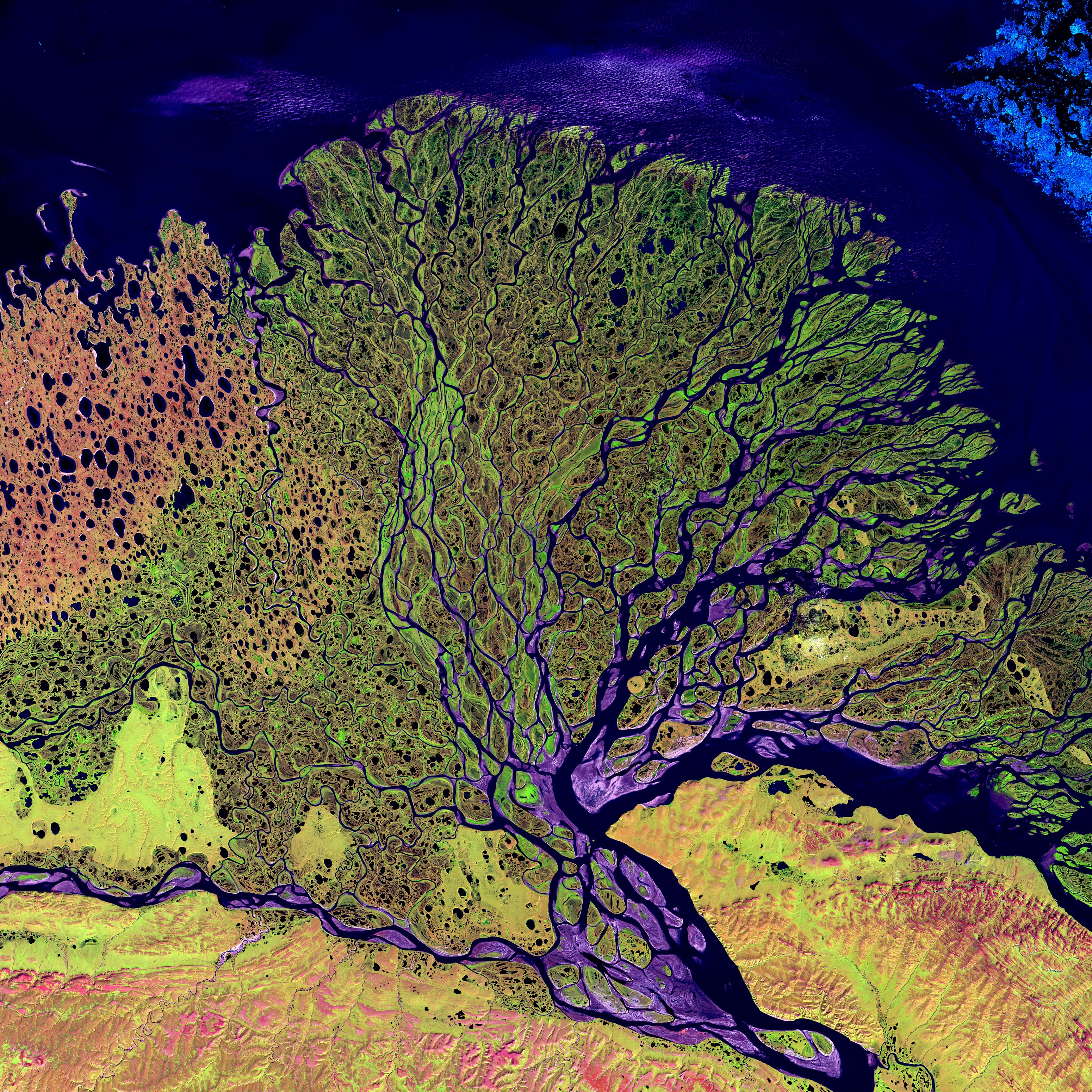
Deltas are built up by -
a)
deposition
b)
leaching
c)
abrasion
d)
erosion
76.

The Appalachian Mountains used to be pointed like the Rockies. What process lead to the roundedness of their peaks?
a)
Weathering
b)
Deposition
c)
Lightning Strikes
d)
Mining of the rock
77.
Rain washing away soil from a hillside
a)
Weathering
b)
Erosion
c)
Deposition
78.
Flood water pounding against a canyon wall and wearing it down
a)
Weathering
b)
Erosion
c)
Deposition
79.
What do magnets stick to?
a)
copper
b)
wood
c)
iron
d)
plastic
80.

What is the volume of liquid in this graduated cylinder?
a)
40.0 mL
b)
40.3 mL
c)
43.0 mL
d)
44.0 mL
81.

What does mass measure?
a)
size of an object
b)
weight of an object
c)
shape of an object
d)
amount of matter in an object
82.

Which liquid has the highest density?
a)
corn syrup
b)
lamp oil
c)
rubbing alcohol
d)
honey
83.

How many stages are in an incomplete life cycle?
a)
1
b)
2
c)
3
d)
4
84.

The ears of this fox are an example of...
a)
A behavioral adaptation
b)
Poor breeding
c)
A physical adaptation
d)
Plastic surgery gone horribly wrong
85.

A picture of a beetle life cycle is shown.
Which letter represents the adult stage of the darkling beetle life cycle?
Which letter represents the adult stage of the darkling beetle life cycle?
a)
A
b)
B
c)
C
d)
D
86.

The diagram below shows the growth of a tree. The diagram represents a
a)
food chain
b)
food supply
c)
life span
d)
life cycle
87.
__________________ and ___________________ are two inherited traits.
a)
Eye color, hair style
b)
Clothing style, height
c)
Rolling your tongue, manners
d)
Hair color, height
88.
Which is the missing step in the incomplete metamorphosis?
egg->________ -> adult
egg->________ -> adult
a)
larva
b)
larvae
c)
nymph
d)
gnome
89.
Hibernation is when an animal becomes ____________ in an enclosed space and reduces bodily functions to _____________ energy.
a)
still, save
b)
active, waste
c)
sleepy, waste
d)
still, use up
90.
Camouflage is the characteristic of an animal that helps it ____________ in with the surrounding environment to increase chances of ____________.
a)
blend, dying
b)
mixing, survival
c)
blend, survival
d)
mixing, dying
91.
Which of the following is a learned behavior?
a)
color of your eyes
b)
eating pizza crust first
c)
being allergic to cedar
d)
being right-handed
92.
An adaptation is any characteristic that helps a ___________ or ___________.
a)
plant, animal
b)
adaptation, camouflage
c)
hibernation, migration
d)
niche, community
93.
A group of organisms of the same species
a)
ecosystem
b)
community
c)
population
d)
group
94.
A resting state through the winter.
Adaptation: Bear sleeping in a cave during the winter months
Adaptation: Bear sleeping in a cave during the winter months
a)
Locomotion
b)
Hibernation
c)
Migration
d)
Defense
95.
Why do animals use camouflage?
a)
To look pretty
b)
To stay safe
c)
To play Hide and Go Seek
d)
To eat food
96.

Which feature helps an animal hide from other animals?
a)
looking like a dangerous animal
b)
being the same color as the place it lives (camoflauge)
c)
having sharp claws or a strong shel
d)
having only a few young and caring for them
97.
Which of these adaptations help an organism live in water?
a)
Gills
b)
Hooves
c)
A beak
d)
Clawed toes
98.
Organism that makes its own food
a)
organism
b)
producer
c)
decomposer
d)
producer
99.
An organism that feeds on other organisms
a)
consumer
b)
producer
c)
decomposer
d)
organism
100.
A simple organism that breaks down dead organisms and waste, returning important nutrients to the environment
a)
inorganic
b)
decomposer
c)
organism
d)
consumer
Reset

