
 Worksheets
SYMBIOSIS
Total questions: 42
Worksheet time: 31mins
Name
Class
Date
1.
A relationship between two organisms in which one organism benefits and the other is unharmed...
a)
Mutualism
b)
Competition
c)
Parasitsm
d)
Commensalism
2.
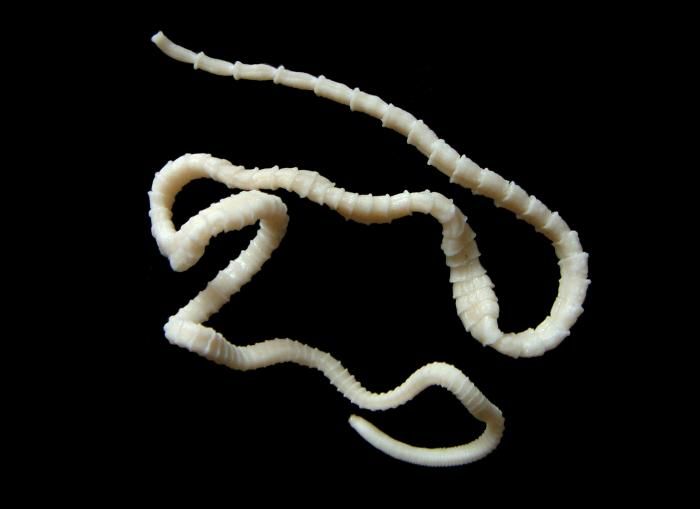
A tapeworm and a cat have this type of relationship.
a)
mutualism
b)
parasitism
c)
commensalism
d)
competition
3.
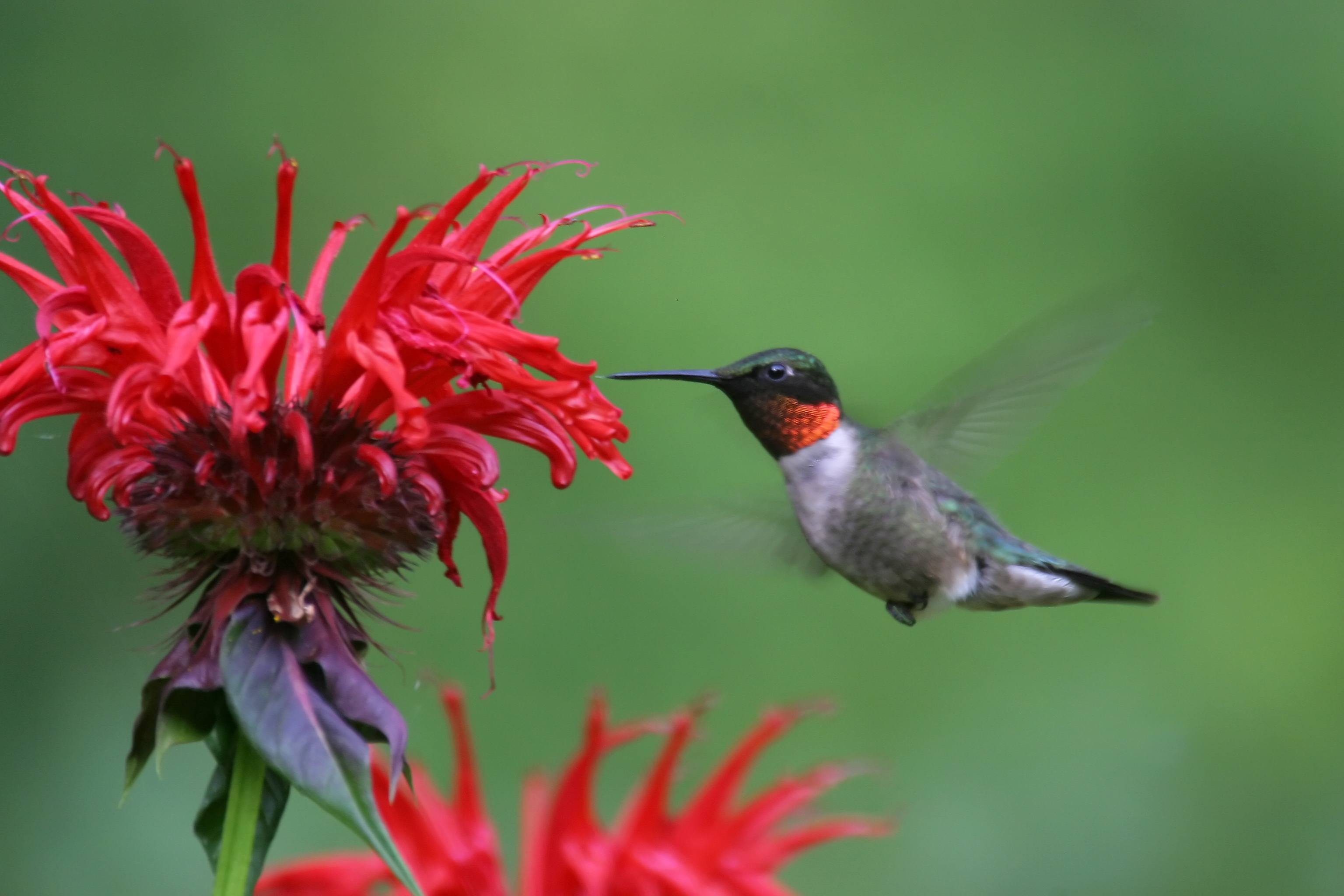
What type of symbiosis? Hummingbirds feed on nectar from flowers. The flowers are pollinated by hummingbirds as they move from flower to flower.
a)
commensalism
b)
mutualism
c)
parasitism
d)
predation
4.
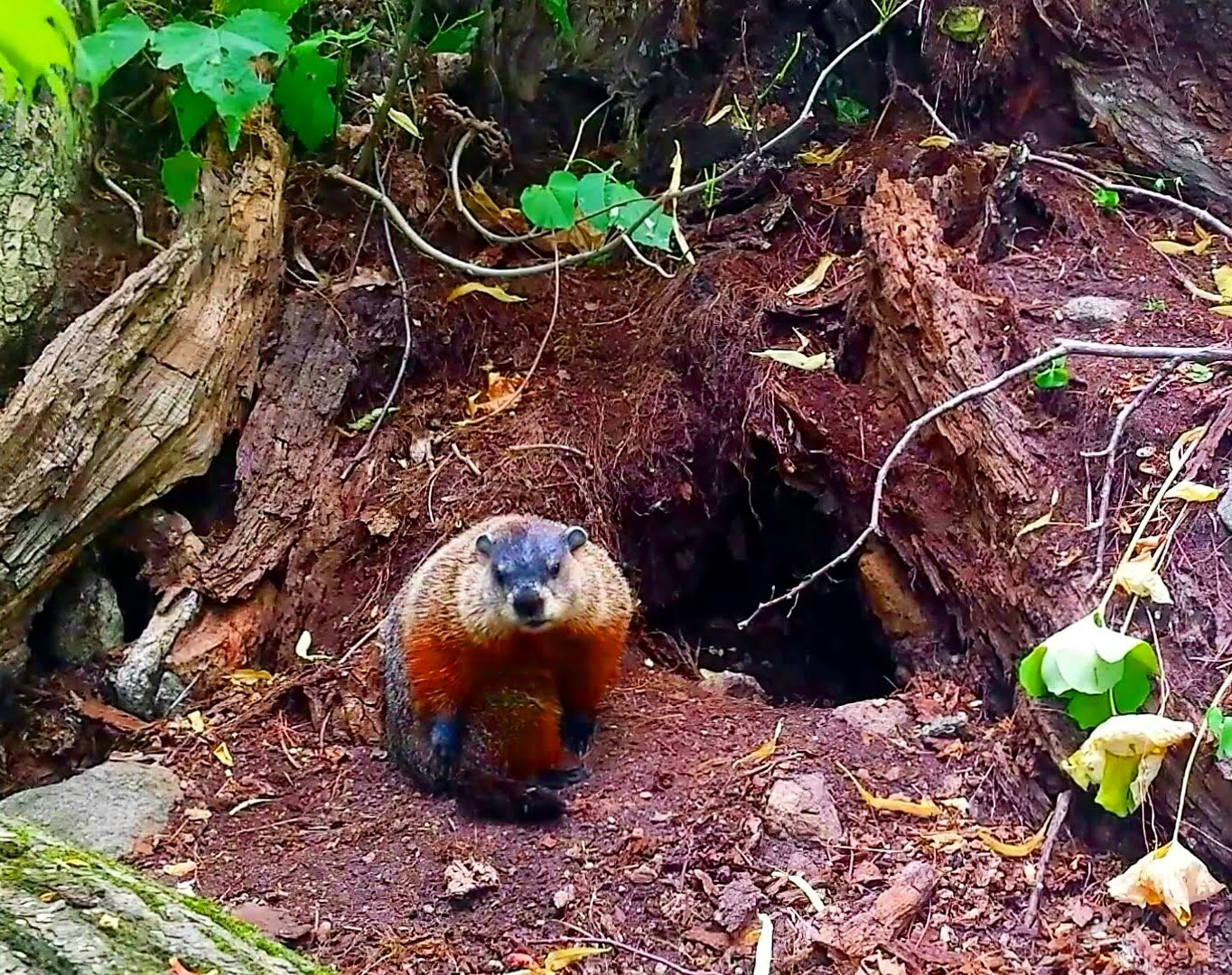
What type of symbiosis? Skunks often live in burrows that have been dug and abandoned by woodchucks.
a)
commensalism
b)
mutualism
c)
parasitism
d)
predation
5.
Which symbols best describe parasitism?
a)
+,+
b)
+,-
c)
+,0
d)
-,0
6.
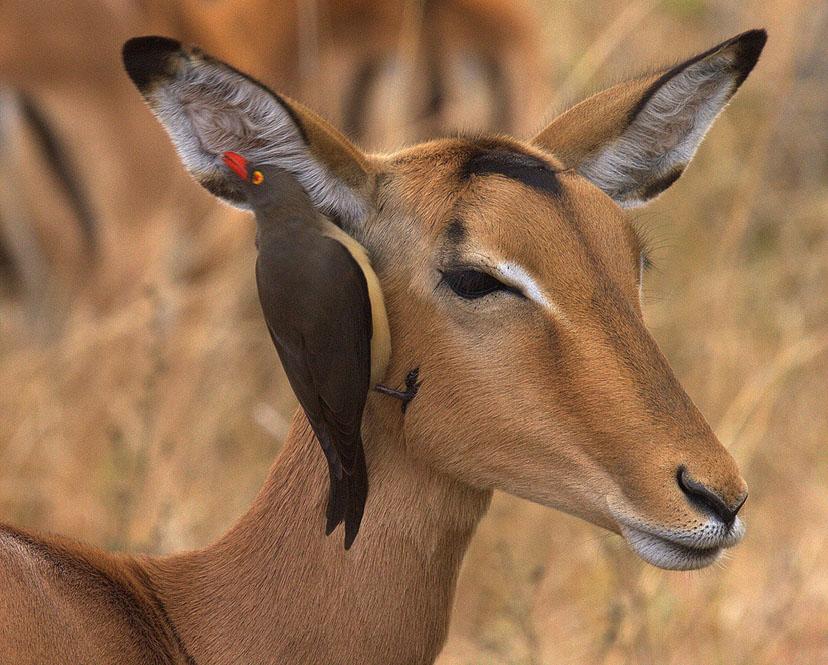
Red-billed oxpeckers are birds that often feed on parasites that infest impala. This is an example of _______.
a)
commensalism
b)
mutualism
c)
neutralism
d)
competition
7.
A relationship between two organisms in which both organisms benefit.
a)
Mutualism
b)
Competition
c)
Parasitism
d)
Commensalism
8.
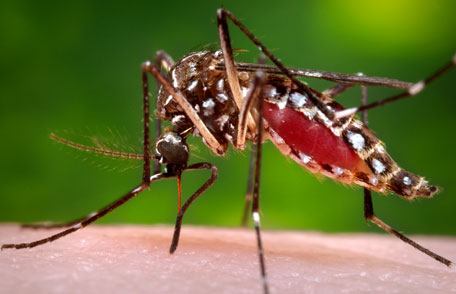
When a mosquito bites you, you are the __________ and the mosquito is the ____________.
a)
host, hostess
b)
parasite, host
c)
host, parasite
d)
prey, predator
9.

Aphids are tiny insects that live on and eat the leaves of plants, removing vital nutrients from the plants.
a)
Predation
b)
Parasitism
c)
Commensalism
d)
Mutualism
10.

The stork uses it saw-like bill to cut up the dead animals it eats. As a result, the dead animal carcass is accessible to some bees for food and egg laying. The relationship neither harms nor benefits the stork.
a)
parasitism
b)
commensalism
c)
mutualism
11.

Mistletoe extracts water and nutrients from a spruce tree. The spruce tree is harmed.
a)
parasitism
b)
commensalism
c)
mutualism
12.

Remoras attach themselves to a shark’s body. They then travel with the shark and feed on the leftover food scraps from the shark’s meals. The relationship neither harms nor benefits the shark.
a)
parasitism
b)
commensalism
c)
mutualism
13.

Yucca flowers are pollinated by yucca moths. The moths lay their eggs in the flowers where the larvae hatch and eat some of the developing seeds. Both species benefit.
a)
parasitism
b)
commensalism
c)
mutualism
14.

Hermit crabs live in shells made and then abandoned by snails. This relationship neither helps nor harms the snails.
a)
parasitism
b)
commensalism
c)
mutualism
15.

Honey guide birds alert and direct badgers to bee hives. The badgers then expose the hives and feed on the honey first. Next the honey guide birds eat. Both species benefit.
a)
parasitism
b)
commensalism
c)
mutualism
16.

A cuckoo may lay its eggs in a warbler’s nest. The cuckoo’s young will knock the warbler’s eggs out of a nest and the warbler will raise the cuckoo’s young.
a)
parasitism
b)
commensalism
c)
mutualism
17.

As bison walk through grass, insects become active and are seen and eaten by cowbirds. The relationship neither harms nor benefits the bison.
a)
parasitism
b)
commensalism
c)
mutualism
18.

Heartworms develop inside a dog’s heart. The worms cause health problems and may result in death.
a)
parasitism
b)
commensalism
c)
mutualism
19.

Orchids grow inside a bromeliad plant. The orchid obtains water and nutrients from the bromeliad, but does not help or harm it.
a)
parasitism
b)
commensalism
c)
mutualism
20.

A wasp lays its eggs on a caterpillar. When the wasp eggs hatch, the larva will eat the caterpillar and kill it.
a)
parasitism
b)
commensalism
c)
mutualism
21.
Two male Giraffes are fighting over the last green leaf of a tree that is dying.
a)
Competition
b)
Mutualsim
c)
Predation
d)
Commensalism
22.
A hawk flies down and scopes of a snake, trying to slither into the ground
a)
Predation
b)
Competition
c)
Hungry
d)
Mutualism
23.

Any thing or organism that regulates the size of a population is known as __________.
a)
a limiting measure
b)
a limiting factor
c)
carrying capacity
d)
biodiversity
24.

If a disease destroying barley plants in a field swept through an ecosystem, what would happen to the barley eating bird population in the the field ?
a)
The bird population would stay the same
b)
The bird population would infinitely increase
c)
The bird population would decrease
25.

When a population grows past the ecosystem's carrying capacity, what happens to the population?
a)
Continues to grow
b)
The population starts to die off to return to carrying capcity
c)
The population will go extinct due to lack of resources
d)
The population grows then finds a new carrying capacity
26.
A symbiotic relationship that involves species having to fight for something they both need or want
a)
competition
b)
predation
c)
commensalism
d)
parasitism
27.
A symbiotic relationship between a predator and prey
a)
competition
b)
parasitism
c)
predation
d)
mutualism
28.
A fox chasing a rabbit to eat it is
a)
predation
b)
mutualism
c)
parasitism
d)
commensalism
29.
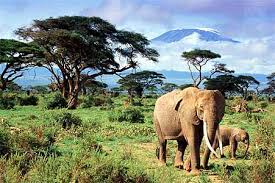
What are the biotic factors in this image?
a)
sunlight, elephants, and grasses
b)
sunlight, water, and air
c)
elephants, plants, trees
30.

In the energy pyramid below, which organism has the least amount of energy available?
a)
Producers
b)
Herbivores
c)
Carnivores
d)
Top Predator
31.

In the energy pyramid here, which organisms have the most energy available?
a)
Producers
b)
Carnivores
c)
Herbivores
d)
Top Predator
32.

What does a food web represent?
a)
All connections of energy flow throughout all organisms in a habitat.
b)
The specific ways that mutualism is carried out.
c)
A single pathway or energy flow between organisms.
d)
How carnivores get their food.
33.
Which combination of symbols best describe mutualism?
a)
+ +
b)
+ -
c)
+ 0
d)
- 0
34.
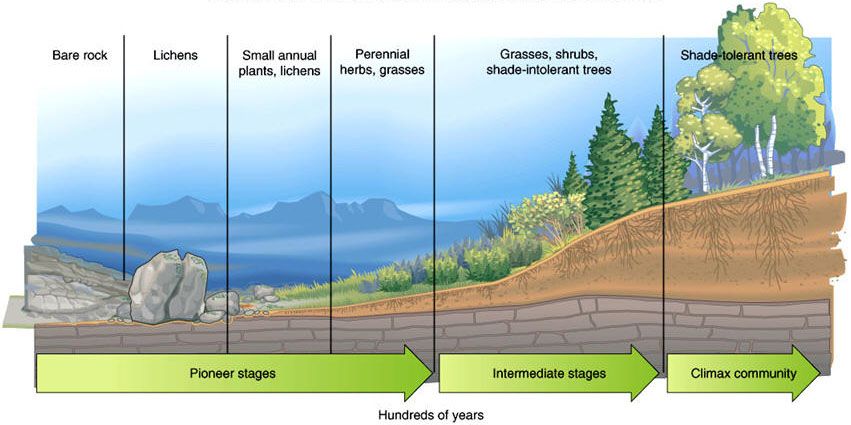
The picture shows what type of succession?
a)
primary
b)
secondary
c)
tertiary
d)
quadanary
35.
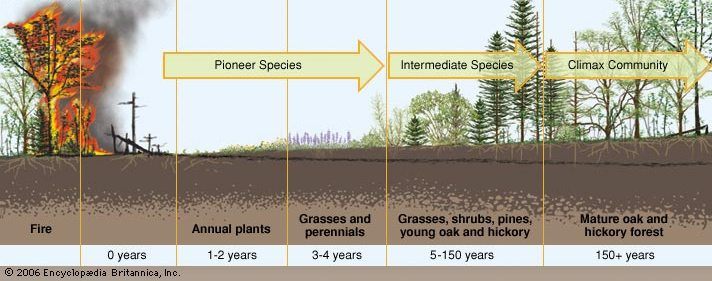
The picture shows what type of succession?
a)
primary
b)
secondary
c)
tertiary
d)
quadanary
36.
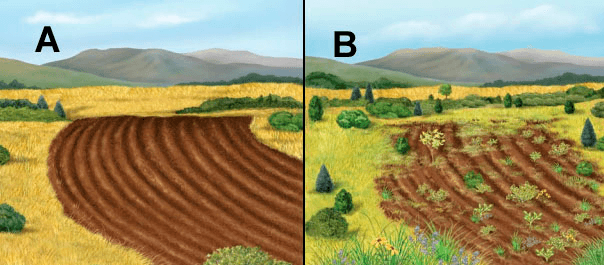
What type of succession is shown going from figure A to figure B?
a)
primary succession
b)
ecological succession
c)
secondary succession
d)
intermediate
37.
After a volcanic eruption, lava covers the land. What is the order that plants grow to repopulate the area?
a)
Lichens → Shrubs → Grasses → Trees
b)
Lichens → tree → shrubs→Grasses
c)
Grasses → Lichens → Shrubs → Trees
d)
Lichens → Grasses → Shrubs → Trees
38.
What is a group of organisms of the same species living in the same area at the same time called?
a)
Community
b)
Population
c)
A group
d)
Ecosystem
39.
Which type of organisms gets its food energy by decomposing dead animals and plants?
a)
Predators
b)
Decomposers
c)
Producers
d)
Consumers
40.
Which type of organism would be considered a decomposer?
a)
Small fish
b)
Vegetation
c)
Bacteria & Fungi
d)
Invertebrates
41.
A ________ is made up of the community and all of the non-living factors in the environment.
a)
ecosystem
b)
biosphere
c)
population
d)
biome
42.
The biome with the greatest amount of biodiversity is the
a)
temperate deciduous forest
b)
desert
c)
grassland
d)
tropical rainforest
100 %

