
 Worksheets
Immune System
Total questions: 50
Worksheet time: 29mins
Name
Class
Date
1.

Which of the following illness is caused by pathogens?
a)
Bruise
b)
Blood Clot
c)
Diabetes
d)
Influenza
2.

Vaccinations are used for
a)
Curing the illness
b)
Preventing the Illness
c)
Getting the illness
3.

What are the 4 types of pathogens that could cause illness?
a)
animals, bacteria, fungi and plants
b)
bacteria, fungi, nucleus, protist
c)
bacteria, fungi, viruses, protist
d)
bacteria, plants, fungi, protist
4.

What is the main purpose of the immune system?
a)
support the body through bones and muscles
b)
get rid of waste from the body
c)
protect the body from pathogens
d)
move blood through the body
5.

What do antibodies attach to on the pathogen?
a)
Anti inflammatory
b)
Antigens
c)
Antiseptic
d)
Antibodies
6.

Vaccines stimulate the body to produce...
a)
autoimmune diseases
b)
helper t-cells
c)
fever
d)
antibodies
7.

Which would most likely prevent a cold virus from spreading in a classroom?
a)
tissue at a teacher's desk
b)
students wash hands regularly with soap
c)
students shake hands regularly with each other
d)
students wipe desks with dry paper towels
8.

Which one is a way the body defends against a pathogen?
a)
Fever
b)
Stomach Acid digesting
c)
White Blood Cells fighing
d)
All of these are correct
9.

A disease that is harmful to the body and is contagious is called....
a)
Non-Infectious
b)
Infectious
10.
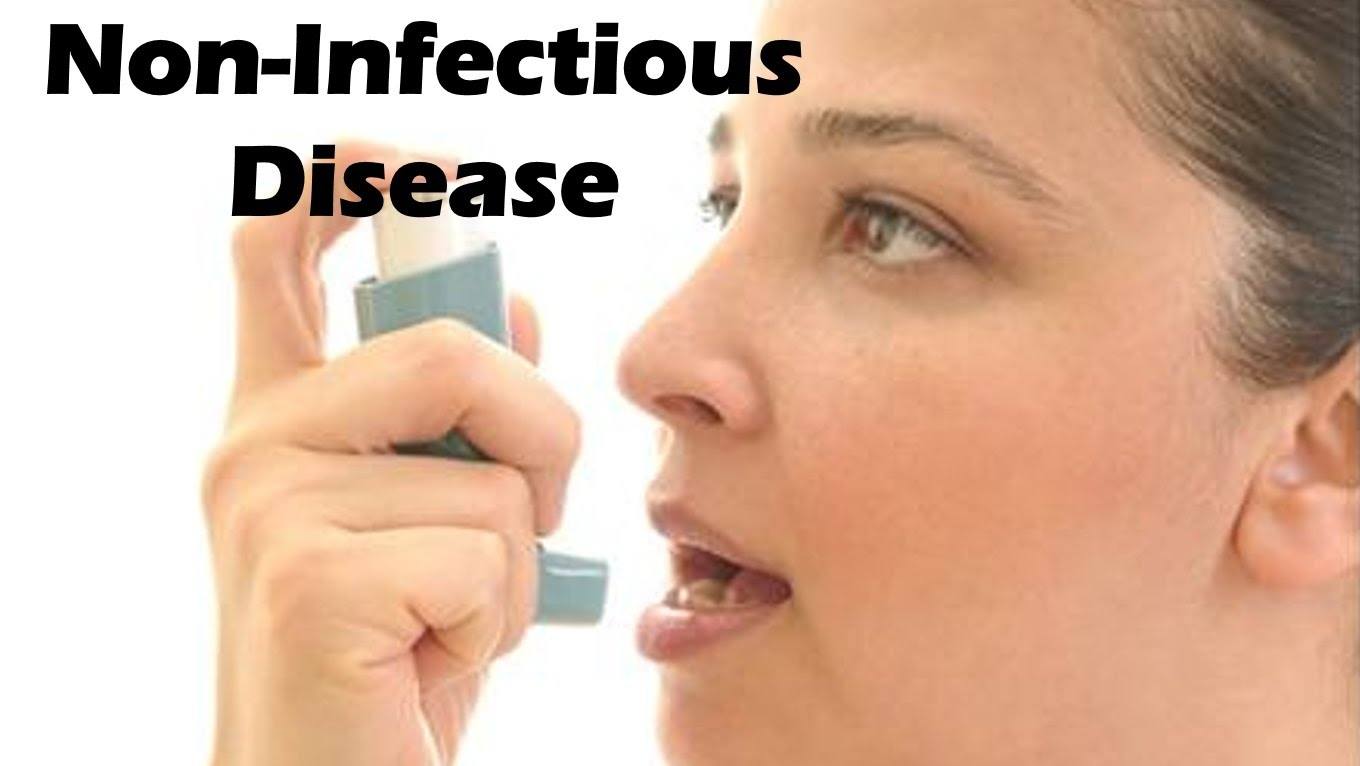
Which disease is a non-infectious disease?
a)
Diabetes
b)
Influenza
c)
AIDS
d)
Chickenpox
11.

Pathogens are recognized by their...
a)
antigens
b)
antibodies
c)
killer t-cells
d)
B-cells
12.

The picture below illustrates one internal part of the body’s immune system. What process is illustrated in the picture?
a)
a skin cell destroying germs.
b)
inflammation near an opened wound
c)
a white blood cell destroying pathogens
d)
mucus in the lungs destroying pathogens
13.
What do scientists call bacteria and viruses that can make people sick?
a)
diseases
b)
vaccines
c)
antibodies
d)
pathogens
14.
Liz notices that shortly after cutting her arm accidentally the area around the cut is turning red and feeling hot. Which immune system defense is Liz experiencing?
a)
inflammation
b)
white blood cell clotting
c)
skin
d)
fever
15.
Which answer best describes how infectious diseases get transmitted (passed on)?
a)
people can sneeze or cough and pass disease on through the air
b)
drinking water can be contaminated with diseases
c)
objects such as doorknobs and towels can be contaminated by disease
d)
all of the above answers are ways that diseases are transmitted
16.

Lyme disease is spread by
a)
eating contaminated food.
b)
drinking contaminated water.
c)
coughing or sneezing.
d)
the bite of an infected tick.
17.

How do breathing passages help keep pathogens out of the body?
a)
Mucus and cilia trap pathogens.
b)
They produce antibodies that kill pathogens.
c)
Chemicals kill some pathogens.
d)
Phagocytes in the breathing passages destroy pathogens.
18.

A cut in the skin can lead to an infection because
a)
the cut destroys the cilia that remove bacteria.
b)
the cut kills phagocytes.
c)
it allows pathogens to get into the body.
d)
it interferes with the immune system’s ability to fight disease.
19.

What type of white blood cells are part of the inflammatory response?
a)
Phagocytes
b)
T cells
c)
Cilia
d)
B cells
20.

Which cells in the immune system identify pathogens and distinguish one pathogen from another?
a)
Red blood cells
b)
B cells
c)
Phagocytes
d)
T cells
21.

Antibodies destroy pathogens by
a)
infecting T cells.
b)
breaking the cell membranes of pathogens.
c)
destroying phagocytes.
d)
binding to antigens on the pathogens.
22.
Immunity is the body’s ability to
a)
destroy pathogens before they can cause disease.
b)
distinguish pathogens from one another.
c)
produce antigens.
d)
fight disease with the inflammation response.
23.
How does the body acquire active immunity to a disease without getting the disease?
a)
by means of the inflammatory response
b)
through an allergic reaction
c)
by means of passive immunity
d)
through vaccination
24.
Passive immunity is different from active immunity because passive immunity
a)
lasts a long time.
b)
involves antibodies that have not been produced by the body of the immunized person.
c)
protects a person from many different diseases.
d)
does not protect a person from disease.
25.

An infectious disease is a disease that
a)
cannot be cured.
b)
is caught because the weather turns cold.
c)
can be spread only by bacteria.
d)
is caused by pathogens.
26.

What cells help our immune system recognize invaders?
a)
phagocytes
b)
vaccinations
c)
immunizations
d)
liver
27.

What is another name for a shot or immunizations?
a)
wound
b)
vaccination
c)
ouch!
d)
flu
28.
These help our body to treat/cure a bacterial disease.
a)
antibiotic
b)
vaccination
c)
spleen
d)
help me please
29.

What are the white blood cells called?
a)
phagocytes
b)
ouchy cells
c)
lymphocytes
d)
spleen
30.

What is the purpose of the immune system?
a)
to help digest food
b)
to help fight disease
c)
to help us eat better
d)
to help us breathe better
31.
What is the job of the immune system?
a)
To protect your body from drugs and medicine
b)
To protect your body from air and water
c)
To protect your body from pathogens
d)
To protect your body from itself
32.
immunity that occurs when a person's own immune system produces antibodies in response to the presence of a pathogen
a)
Inflammatory Response
b)
Immune Response
c)
Immunity
d)
Active Immunity
33.
a protein produced by a b cell of the immune system that destroys a pathogen
a)
T Cell
b)
B Cell
c)
Antibody
d)
Vaccination
34.
immunity in which antibodies are given to a person rather than produced within the person's own body
a)
Vaccine
b)
Passive Immunity
c)
Vaccination
d)
Noninfectious disease
35.

A pathogen is a...
a)
Good guy.
b)
Bad guy.
36.

Which of the following is NOT part of the external defenses?
a)
Mucus
b)
White blood cells
c)
Skin
d)
Tears
37.
What is the role of histamines?
a)
Causes fever
b)
Causes inflammation
c)
Produces antibodies
d)
It is a pathogen
38.
Antigens are part of...
a)
Your own immune system.
b)
The pathogen.
39.
Antibodies are made by...
a)
Your own cells.
b)
The pathogen.
40.
What is the role of a B cell?
a)
Kills pathogens
b)
Helps activate other immune cells
c)
Produces antibodies
d)
Binds to antigens
41.

The body recognizes pathogens by their...
a)
Antigens
b)
Antibodies
c)
Histamines
d)
DNA
42.

Allergies result from the body overreacting to a normally harmless substance like pollen. The chemical that causes swelling during allergies is:
a)
T cells
b)
B cells
c)
Histamines
d)
Macrophages
43.

A vaccine may contain:
a)
A live but weak version of the pathogen
b)
A killed pathogen
c)
Just the antigen from a pathogen
d)
Vaccine may contain any of these
44.
What is the main function of the Immune System.
a)
It allows the body to run and jump
b)
It makes your muscles big
c)
It helps you take in nutrients
d)
It protects your body by fighting off pathogens
45.
Pathogens are...
a)
Helpful bacteria that should not be killed
b)
Harmful single-celled organisms that are infectius
c)
Chickens without eyes, but they have 6 legs
d)
Medicine that helps kill bacteria
46.
Cilia is...
a)
Tiny hair-like structures on the surface of cells in the respritory tract that move mucus away from the lungs and sinus.
b)
A physical barrier against illness
c)
A thick, wet, substance in your respiratory tract that traps and destroys foreign nvaders like viruses or bacteris before they can get into your body and cause an infection.
d)
None of the above.
47.
Immunity is
a)
When a human or other organism being resistant to a illness
b)
A type of community were everyone´s name is "Imm."
c)
When an organism fights off a illness
d)
When an organism is exposed to invaders
48.

Why do we say the SKIN is the FIRST line of defense?
a)
epidermis has sweat glands
b)
breaks in the skin result in infection
c)
epidermis provides a barrier and secretes chemicals to stop invacers
d)
there are no other forms of barrier defense
49.

Bacteria that are swallowed encounter what first line of defense?
a)
very strong bases break down the bacteria cell wall
b)
stomach acid attack the bacteria
c)
special mucus coats the bacteria in the stomach
d)
stomach ulcers are a common result of bacteria
50.
What is the Immune system?
a)
The body's defense system
b)
A system that gives support and structure
c)
A system that helps you breathe
d)
None of the above
100 %

