
 Worksheets
SC Science PASS Review
Total questions: 70
Worksheet time: 56mins
Name
Class
Date
1.
Through what part of a cell do materials enter and waste products leave?
a)
Nucleus
b)
Cytoplasm
c)
Cell Membrane
d)
Chloroplast
2.
What is the function of a vacuole?
a)
It surrounds a cell and holds it together.
b)
It contains the cell's nucleus.
c)
It gathers sunlight for photosynthesis.
d)
It stores food, water, and other materials.
3.
How are plant cells different from animal cells?
a)
Plant cells have fewer parts.
b)
Plant cells have chloroplasts.
c)
Plant cells have cell membranes.
d)
Plant cells have more cytoplasm.
4.

What is the name of the part of the cell at letter B?
a)
cytoplasm
b)
cell membrane
c)
vacuole
d)
nucleus
5.
Many microorganisms live in soil. What do all the microorganisms of the same species living in an area's soil make up?
a)
an ecosystem
b)
a population
c)
a community
d)
a habitat
6.
Which of these is an example of an abiotic factor in a forest ecosystem?
a)
sunlight
b)
squirrel
c)
moss
d)
tree
7.
Which of these is the best example of an interaction between a biotic factor and an abiotic factor in an ecosystem?
a)
Sunlight warms a rock
b)
An elephant uproots a tree
c)
A bird feeds its young
d)
A wolf drinks from a stream
8.
A bear eats berries and fish. What best describes a bear's role in a food web?
a)
herbivore
b)
omnivore
c)
carnivore
d)
decomposer
9.
What is the smallest living part of a living thing?
a)
Cell
b)
Nucleus
c)
Nutrient
d)
Vacuole
10.
What is the only member of the food chain that is a producer?
grass>grasshopper>toad>snake>Hawk
grass>grasshopper>toad>snake>Hawk
a)
grass
b)
grasshopper
c)
toad
d)
hawk
11.
What is a limiting factor?
a)
water
b)
friends
c)
family
d)
clothing
12.
Which member of the food chain is an herbivore
grass>grasshopper>toad>snake>Hawk
grass>grasshopper>toad>snake>Hawk
a)
sun
b)
grasshopper
c)
grass
d)
snake
13.
The snake and the toad in the food chain fill what two roles?
grass>grasshopper>toad>snake>Hawk
grass>grasshopper>toad>snake>Hawk
a)
parasite-host
b)
predator-prey
c)
producer-consumer
d)
decomposer-consumer
14.
Which ecosystem contains sparse vegetation, sparse animals such as insects, arachnids, reptiles, and birds with mostly sand and rocks?
a)
oceans
b)
estuaries
c)
deserts
d)
grasslands
15.
What are the areas where fresh water rivers and the oceans mix?
a)
lakes and ponds
b)
estuaries
c)
forest
d)
grasslands
16.
Which ecosystem is being described?
Water- completely wet
temperature - cool to cold
soil-has a sand bottom
animals-fish, sea mammals
plants-algae, seaweed
Water- completely wet
temperature - cool to cold
soil-has a sand bottom
animals-fish, sea mammals
plants-algae, seaweed
a)
ocean
b)
forest
c)
grassland
d)
wetland
17.
Which ecosystem is being described?
Water - temperate
temperature - cool season and warm season
soil-fertile
animals-many including mammals, birds, reptiles, insects
plants- deciduous trees
Water - temperate
temperature - cool season and warm season
soil-fertile
animals-many including mammals, birds, reptiles, insects
plants- deciduous trees
a)
salt marsh
b)
estuary
c)
ocean
d)
forest
18.
White tailed deer in a forest, all rainbow trout in a stream ,or all bald cypress trees in the swamp are examples of______________.
a)
communities
b)
abiotic factors
c)
ecosystems
d)
populations
19.
A pond ecosystem that includes a number of different types of mammals, reptiles, amphibians, birds, and fish make up the ecosystem's _________.
a)
organisms
b)
population
c)
community
d)
abiotic factors
20.
What do we call living organisms that are too small to be seen without a 10x magnifier?
a)
plants
b)
animals
c)
microorganisms
d)
vertebrates
21.
Which of the following is an abiotic factor?
a)
stream
b)
dog
c)
grass
d)
tree
22.
Which of the following is a biotic factor?
a)
dog
b)
stream
c)
air
d)
light
23.
What does the Law of Conservation of Matter refer to?
a)
Matter can not be created or destroyed
b)
Matter can be created but not destroyed
c)
Matter can be destroyed but not created
d)
Matter is being lost everyday
24.
Why does an egg sink in fresh water but float in salt water?
a)
The volume of the glass of salt water is more then the volume of the glass of fresh water.
b)
The density of the egg is more than the density of the fresh water, but the density of the egg is less than the salt water.
c)
The mass of the egg is greater in the salt water than it is in fresh water.
d)
All of the above
25.
The degree of compactness of a substance.
a)
Matter
b)
Mass
c)
Volume
d)
Density
26.
How much space an object takes up.
a)
Density
b)
Buoyancy
c)
Weight
d)
Volume
27.
A measure of the amount of matter in an object.
a)
Matter
b)
Mass
c)
Density
d)
Buoyancy
28.
Anything that has mass and takes up space.
a)
Buoyancy
b)
Matter
c)
Density
d)
Weight
29.
The tendency of objects to rise in a fluid.
a)
Buoyancy
b)
Weight
c)
Density
d)
Volume
30.
Any material that can flow. Liquid or gas
a)
Mass
b)
Fluid
c)
Density
d)
Volume
31.
When an object enters a fluid and pushes it aside.
a)
Fluid
b)
Density
c)
Weight
d)
Displacement
32.
An objects ability to float depends on its
a)
Size
b)
Temperature
c)
Density
d)
Insulation
33.
How many Magnesium are in 10MgCl2?
a)
10
b)
5
c)
20
34.
Molecule
a)
A group of atoms bonded together
b)
Basic unit of a chemical element
c)
Coefficient
d)
Subscript
35.
Which of these shows a balanced chemical reaction?
a)
NH3 + O2 --> N2 + H2O
b)
H2 + Cl2 --> 2HCl
c)
NO + O2 --> NO2
d)
CH4 + H2O --> CO + H2
36.
The Law of Conservation of Mass states that the mass of the __________________ in a chemical equation must equal the mass of the __________________
a)
reactants, products
b)
oxygen, hydrogen
c)
energy, transformation
d)
children, adults
37.
Can matter be created or destroyed?
a)
Yes, it can be created.
b)
Yes, it can be destroyed.
c)
No, matter is always conserved
d)
None of these
38.
The site of photosynthesis
a)
ribosome
b)
mitochondria
c)
chloroplast
d)
nucleus
39.
When many organ systems work together it can form...
a)
organ
b)
cells
c)
organ system
d)
organism
40.

This is a example of........
a)
organ system
b)
cells
c)
organ
d)
tissue
41.

This is a example of ........
a)
cell
b)
organ system
c)
organ
d)
tissue
42.
The brain is a part of which organ system?
a)
nervous
b)
skeletal
c)
muscular
d)
digestive
43.
The lungs and the kidneys are examples of
a)
cells
b)
organs
c)
tissues
d)
organ systmes
44.

Directs all cell activities through the DNA located there.
a)
Lysosomes
b)
Nucleus
c)
ribosomes
d)
Mitochondria
45.
Which of the following is directly involved in the transportation of materials inside/within the cell?
a)
Endoplasmic Reticulum
b)
Vacuole
c)
Lysosome
d)
Mitochondria
46.
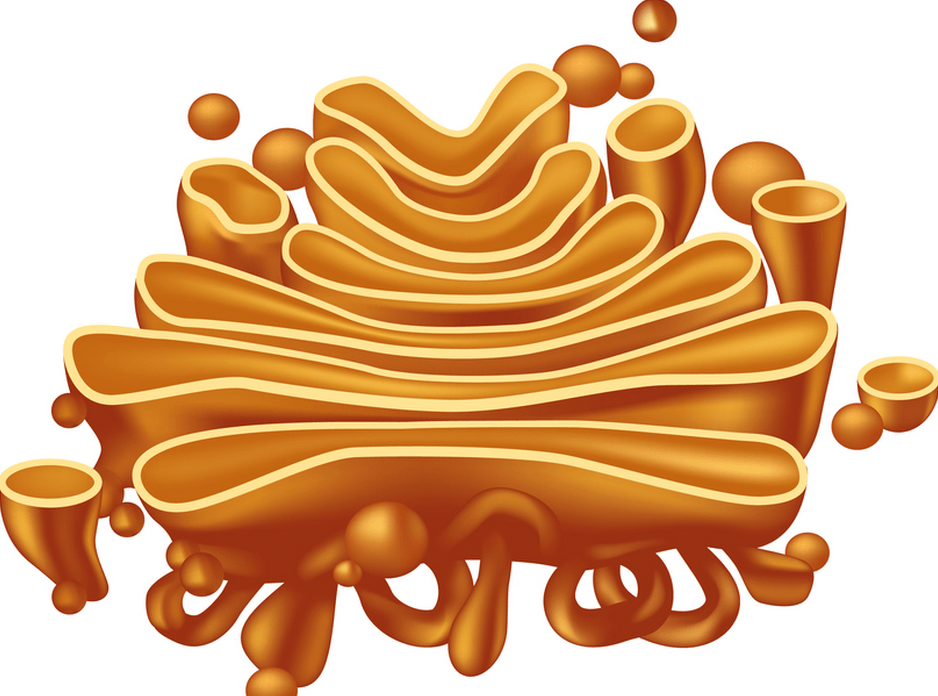
I am a protein packaging and shipping machine! Who am I?
a)
vacuole
b)
ribosome
c)
mitochondrion
d)
golgi apparatus
47.
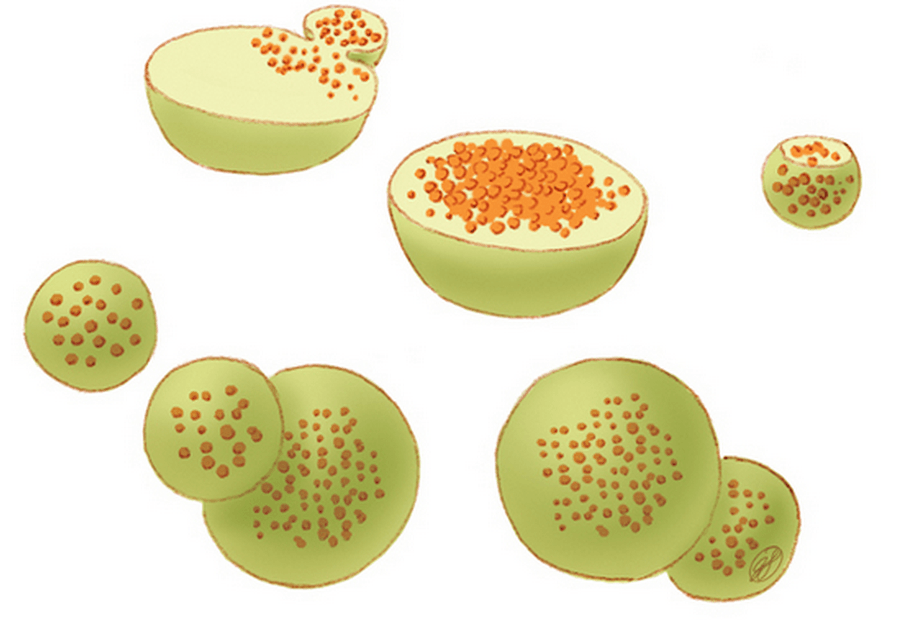
You might think of me as the trash collector, but recycler is maybe more accurate. What am I?
a)
mitochondria
b)
lysosome
c)
vacuole
d)
ribosome
48.
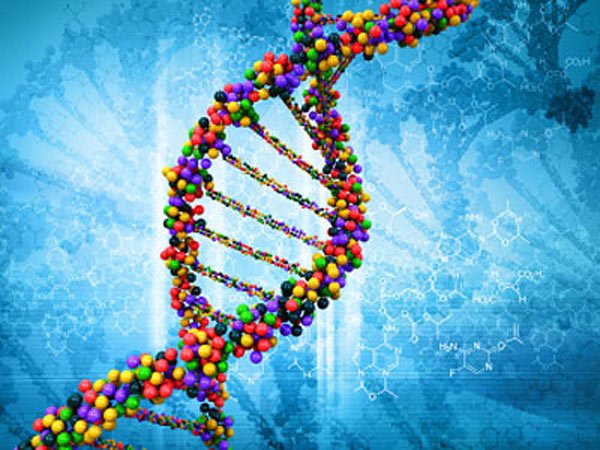
What is the name of the genetic material that is inside the nucleus?
a)
ER
b)
ATP
c)
YOLO
d)
DNA
49.

I am the outer most layer of an animal cell. What am I?
a)
cell wall
b)
nucleus
c)
cell membrane
d)
cell skin
50.
Where are proteins made?
a)
Golgi body
b)
Mitoichondria
c)
Chromosomes
d)
Ribosomes
51.
What is found in both plant and animal cells but is much larger in plant cells?
a)
Nucleus
b)
Mitochondria
c)
Chloroplast
d)
Vacuole
52.
What is the gel-like substance inside of cells called?
a)
photoplasm
b)
photosynthesis
c)
cytoskeleton
d)
cytoplasm
53.
What organelle is called the "powerhouse" of a cell?
a)
Endoplasmic Reticulum
b)
Nucleus
c)
Mitochondria
d)
Nucleolus
54.
Organs that work together to perform a related function is called _____________?
a)
cells
b)
tissues
c)
organ system
d)
organs
55.
A group of cells that have similar functions? Examples are nervous, epithelial, muscle and connective
a)
cells
b)
tissues
c)
organs
d)
atoms
56.
A group of tissues that work together to perform a similar function is called_____. (Examples include the heart, lungs or stomach)
a)
cells
b)
tissues
c)
organs
d)
organ system
57.

What is the genotype for this organism?
(E= 3 eyes, e= 1 eye)
(E= 3 eyes, e= 1 eye)
a)
EE
b)
Ee
c)
ee
d)
EE or Ee
58.

If green is dominant over purple, then what is the genotype for this individual?
a)
Purple
b)
Green
c)
GG
d)
gg
59.
If something is heterozygous, it is also...
a)
purebred
b)
hybrid
c)
dominant
d)
recessive
60.
Another word for homozygous is...
a)
purebred
b)
hybrid
c)
heterozygous
d)
dominant
61.
A phenotype is the...
a)
letter combination
b)
dominant gene
c)
recessive gene
d)
physical appearance
62.

This image shows a...
a)
Punnett Square
b)
Phenotype
c)
Genotype
d)
Dominant allele
63.
Dominant alleles are-
a)
capital
b)
lowercase
c)
both
d)
neither
64.
Recessive alleles are-
a)
capital
b)
lowercase
c)
both
d)
neither
65.
Tt is-
a)
homozygous dominant
b)
homozygous recessive
c)
heterozygous
d)
none of these
66.
If a pea plant were homozygous recessive for height, how would its alleles be represented?
a)
TT
b)
Tt
c)
tt
d)
tT
67.
A cross of a red cow with a white bull produces all road offspring. This type of inheritance is known as
a)
codominance
b)
incomplete dominance
c)
multiple alleles
d)
"breed time:
68.

This type of inheritance pattern is a MIXTURE of both traits.
a)
incomplete dominance
b)
co-dominance
c)
complete dominance
d)
recessive pattern
69.

This type of inheritance pattern shows BOTH traits in possible offspring
a)
complete dominance
b)
incomplete dominance
c)
co-dominance
d)
dominant pattern
70.

Colorblindness is a recessive, X chromosome sex-link disorder. Cross the parents to figure out which percentage of their offspring will be colorblind.
a)
25%
b)
0%
c)
75%
d)
50%
100 %

