
 Worksheets
EnviroSci 2nd Sem Final Review
Total questions: 100
Worksheet time: 55mins
Name
Class
Date
1.
Land that drains into a river is called...
a)
watershed
b)
recharge zone
c)
potable
d)
pathogen
2.
The area above an aquifer is called...
a)
watershed
b)
recharge zone
c)
potable
d)
pathogen
3.
Bottled water is known as...
a)
watershed
b)
recharge zone
c)
potable
d)
pathogen
4.
Bacteria is a...
a)
watershed
b)
recharge zone
c)
potable
d)
pathogen
5.
Phosphates in laundry detergent are...
a)
artificial eutrophication
b)
1972 Clean Water Act
c)
point-source pollution
d)
residential and industrial
6.
This was designed to improve water quality...
a)
artificial eutrophication
b)
1972 Clean Water Act
c)
point-source pollution
d)
residential and industrial
7.
A leaking gasoline tank is...
a)
artificial eutrophication
b)
1972 Clean Water Act
c)
point-source pollution
d)
residential and industrial
8.
Global uses of fresh water include...
a)
artificial eutrophication
b)
1972 Clean Water Act
c)
point-source pollution
d)
residential and industrial
9.
Three percent of the world’s water resources are found as...
a)
fresh water
b)
icecaps and glaciers
c)
salt water
d)
groundwater
10.
Most of the pollutants in the ocean come from...
a)
commercial boats and personal watercraft
b)
spills from oil tankers
c)
activities on land
d)
leaking underground storage facilities
11.
The largest watershed in the United States is the...
a)
Mississippi River.
b)
Yukon River.
c)
Colorado River.
d)
Rio Grande.
12.
During the water treatment process, what is the purpose of adding chlorine to water?
a)
to remove large debris
b)
to form flocs
c)
to kill or limit bacterial growth
d)
to remove unwanted gases
13.
How is fresh water used in industry?
a)
in manufacturing processes
b)
in the disposal of waste products
c)
to generate power
d)
all of these
14.
Many areas of the world that do not have adequate fresh water have become habitable because...
a)
rainfall patterns have changed.
b)
water management projects have diverted water to the area.
c)
icebergs have been towed in to provide fresh water.
d)
people have practiced water conservation.
15.
Fresh water is a limited resource because...
a)
most water is polluted.
b)
most surface water contains salt.
c)
it is controlled by powerful governments.
d)
dams have limited the flow of fresh water.
16.
Which of the following is one way a person can conserve water?
a)
take a long bath instead of a shower
b)
wash laundry in small, partial loads
c)
use a low-flow shower head to take short showers.
d)
water the lawn daily and at mid-day
17.
Which of the following is a source of nonpoint pollution?
a)
unlined landfill
b)
polluted waste-water from a chemical plant
c)
leaking oil tanker
d)
runoff from agricultural feedlots
18.
Parasitic worms would be classified as which type of water pollutant?
a)
pathogen
b)
organic matter
c)
inorganic chemicals
d)
heavy metals
19.
Polluted groundwater is difficult to clean because...
a)
groundwater is deep in the ground and dispersed through large areas of rock.
b)
pollutants cling to the materials that make up the aquifer and contaminate the clean water.
c)
the recycling process of groundwater can take hundreds or thousands of years.
d)
All of these
20.
Earth is a closed system with respect to
a)
people
b)
energy
c)
information
d)
matter
21.
Earth is an open system with respect to
a)
energy
b)
people
c)
information
d)
matter
22.
The Gaia hypothesis states that the Earth is a
a)
living being
b)
non-living planet
c)
non-living planet with living parts
d)
non-living being
23.
Fully modern humans have lived on the Earth for about
a)
35,000 years
b)
1 million years
c)
1000 years
d)
10,000 years
24.
Hunter-gatherer societies are often
a)
permanent
b)
semi-permanent
c)
nomadic
d)
very dense
25.
An early invention that helped raise food production in agricultural societies was
a)
mass production
b)
gunpowder
c)
the plow
d)
sustainable development
26.
Industrial societies were made possible by inventions such as the steam engine and
a)
the plow
b)
gunpowder
c)
mass production
d)
sustainable development
27.
A renewable resource is one that regenerates
a)
slowly
b)
not at all
c)
without human action
d)
quickly
28.
A non-renewable resource is one that regenerates
a)
only after human action
b)
without human action
c)
slowly or not at all
d)
quickly
29.
An ethic is a set of rules in a society that determines
a)
economic functions
b)
government
c)
holidays
d)
right or wrong
30.
The most rapid population growth rate resuled from
a)
the industrial revolution
b)
the agricultural revolution
c)
early permanent settlements
d)
hunting and gathering
31.
Problems associated with a declining population size include
a)
increased famine
b)
decreased health care
c)
loss of habitat
d)
weakened economic strength
32.
The change in energy consumption in the United States during the past 100 years is due to
a)
population growth
b)
modernization
c)
both populatioon growth and modernization
d)
neither population growth nor modernization
33.
The birthrate is 25 per 1000 people. The deathrate is 10 per 1000 people. What is the growth rate?
a)
25
b)
1.5
c)
3.5
d)
35
34.
What makes it difficult to control human population growth?
a)
declining food supply
b)
increased political pressure
c)
lack of higher education
d)
personal and cultural views
35.
The factor most likely to result in a decrease in the size of a specific population is
a)
improved medical care
b)
increased food availability
c)
famine
d)
industrialization
36.
The germ theory of disease established that many diseases are caused by
a)
microorganisms
b)
water
c)
poor nutrition
d)
bad luck
37.
A nation with a population that is not increasing is
a)
Kenya
b)
United States
c)
Germany
d)
China
38.
When calculating global population growth, the death rate is
a)
added to the birth rate
b)
subtracted from life
c)
multipled by 100
d)
subtracted from the birth rate
39.
At present, the growth patterns of the human population are best described as
a)
above the carrying capacity
b)
geometric/exponential
c)
arithmetic/linear
d)
stable
40.
The kilocalories in a food indicates the amount of:
a)
healthfulness
b)
carbohydrates
c)
energy
d)
protein
41.
The effects of tilling include:
a)
improved crop production
b)
reduced energy needs
c)
increased soil erosion
d)
reduced soil drainage
42.
An IPM system is used to:
a)
aerate soil
b)
improve soil nutrients
c)
reduce erosion
d)
control pests and insects
43.
Energy in food is provided by
a)
minerals
b)
vitamins
c)
macronutrients
d)
micronutrients
44.
Nitrogen is a component of all:
a)
carbohydrates
b)
vitamins
c)
proteins
d)
fats
45.
The nutrient that provides the greatest amount of energy per gram is:
a)
carbohydrates
b)
fats
c)
proteins
d)
vitamins
46.
The Green Revolution occurred during the:
a)
nineteenth century
b)
Middle Ages
c)
the 1990's
d)
the 1960's
47.
A cash crop is a crop intended for:
a)
animal feed
b)
protecting the soil between growing seasons
protecting the soil between growing seasons
c)
local use
local use
d)
sale
48.
In some developing nations, the percent of animal protein that comes from fish can be as high as:
a)
20%
b)
40%
c)
80%
d)
10%
49.
To helps restore nitrogen to the soil, fields should occasionally be planted with:
a)
legumes
b)
weeds
c)
grains
d)
cash crops
50.
Crude oil is another name for
a)
alcohol
b)
methane
c)
peat
d)
petroleum
51.
The use of corn to make alcohol is an example of
a)
bioconversion
b)
fossil fuels
c)
hydrocarbon
d)
refining
52.
Compounds that contain only carbon and hydrogen are
a)
fuels
b)
fossil fuels
c)
organic fuels
d)
hydrocarbons
53.
The type of society that has the greatest energy needs is the
a)
hunting society
b)
gathering society
c)
industrial society
d)
agricultural society
54.
The type of coal that has the highest carbon content
a)
peat
b)
lignite
c)
bituminous
d)
anthracite
55.
Of the following the only example of a biomass fuel is
a)
coal
b)
petroleum
c)
wood
d)
natural gas
56.
The process by which alcohol is made by yeast is called
a)
fermentation
b)
bioconversion
c)
purification
d)
distillation
57.
The most abundant form of coal in the United States is
a)
peat
b)
lignite
c)
anthracite
d)
bituminous
58.
Unlike fossil fuels, biomass fuels
a)
do not release carbon dioxide
b)
are renewable resources
c)
are buried beneath the surface
d)
are not products of living things
59.
The first stage in the formation of coal is
a)
Lignite
b)
Peat
c)
Anthracite Coal
d)
Bituminous Coal
60.
Aerogenerators are used to produce electricity from
a)
wind
b)
moving water
c)
the sun
d)
heat inside earth
61.
Photovoltaic cells convert the energy of the sun to
a)
heat
b)
light
c)
electricity
d)
fuel
62.
The production of electricity from moving water is called
a)
solar
b)
wind
c)
hydroelectric
d)
geothermal
63.
Iceland is a country that makes extensive use of
a)
solar
b)
nuclear
c)
fossil fuels
d)
geothermal
64.
A characteristic common to all the alternative energy discussed in this chapter is that they
a)
can be produced any where
b)
do not use fossil fuels
c)
non renewable
d)
must be used along with fossil fuels
65.
The sun is not involved in providing energy in
a)
wind
b)
hydroelectric
c)
solar
d)
geothermal
66.
Photovoltaic cells are used to provide the energy for all the following except
a)
passive heating solar system
b)
space satellites
c)
calculators
d)
wrist watches
67.
Nuclear fusion
a)
produces no wastes
b)
uses fuels that are difficult to obtain
c)
is not yet available
d)
is an inexpensive energy source
68.
The tubes in a solar collector are filled with
a)
metal
b)
solid
c)
fluid
d)
insulation
69.
Of the following, the energy source that can be used in the greatest number of areas is
a)
geothermal
b)
wind
c)
hydroelectric
d)
solar
70.
Environmental costs associated with the use of coal include all of the following except
a)
particulates that are released into the atmosphere when coal is burned
b)
degradation to land due to mining techniques
c)
the creation of highly radioactive waste
d)
trace metals found in coal
71.
Put the items below in correct sequence for the generation of electricity using the wind
1 – generator converts mechanical energy into electrical energy
2 – wind turns the wind turbine blade
3 – the gear box transfers mechanical energy to the generator
4 – electricity is transferred to the grid
1 – generator converts mechanical energy into electrical energy
2 – wind turns the wind turbine blade
3 – the gear box transfers mechanical energy to the generator
4 – electricity is transferred to the grid
a)
1-2-3-4
b)
2-1-3-4
c)
2-3-1-4
d)
2-4-3-1
72.
Which of the following energy sources is a chief contributor to greenhouse gas emissions as well as increasing environmental mobility of mercury?
a)
Nuclear power
b)
Wind power
c)
Coal
d)
Natural gas cogeneration
73.
One of the risks when fracking for natural gas is
a)
contamination of drinking water
b)
radioactive materials released during a meltdown
c)
mine collapse and miner endangerment
d)
flooding of local areas
74.
Oil Shale and Oil Sands are....
a)
traditional sources of fossil fuels
b)
unconventional sources of kerogen which are beginning to be utilized
c)
concentrated in the middle east
d)
can be pumped from underground reserves using existing oil rigs.
75.
The world's most abundant fossil fuel is
a)
coal
b)
oil
c)
natural gas
d)
uranium
76.
Which of the following energy sources does NOT release carbon dioxide?
a)
nuclear
b)
coal
c)
natural gas
d)
biomass
77.
Compared to other fossil fuels, which of the following is true of coal
a)
it requires more technology to extract and use
b)
it releases more pollutants
c)
it is difficult to transport
d)
it is more expensive
78.
All of the following are problems of nuclear energy except ---
a)
storage of radioactive fuel
b)
air pollution during operation
c)
security concerns
d)
natural disasters (tsunamis, earthquakes, etc.)
79.
In a nuclear power plant the control rods
a)
generate heat
b)
contail pellets of uranium
c)
slow the reaction
d)
speed up the reaction
80.
Which of the following would reduce global greenhouse gas emissions?
a)
decrease the number of nuclear power plants
b)
replace wind farms with natural gas power plants
c)
convert tropical rainforest to farm land
d)
replace natural gas power plants with nuclear
81.
Which of the following best describes the role of renewable energy in the United States?
a)
It is the dominant source of energy
b)
It is a large contributor to the transportation sector
c)
Its largest contribution is to electricity generation
d)
It is the largst contributor to greenhouse gases
82.
problems associated with the use of trees for biomass include all of the following except
a)
potential soil eroision
b)
potential deforestation
c)
burning fossilized carbon and releasing it into the atmosphere
d)
the loss of habitat for wildlife and some people
83.
The world gets MOST of their energy through all of the following sources EXCEPT
a)
natural gas
b)
coal
c)
hydroelectric
d)
oil
84.
What is a possible downside to hydroelectric energy?
a)
generates high levels of pollution
b)
high startup cost
c)
low functional lifespan
d)
high operation and maintenance cost
85.
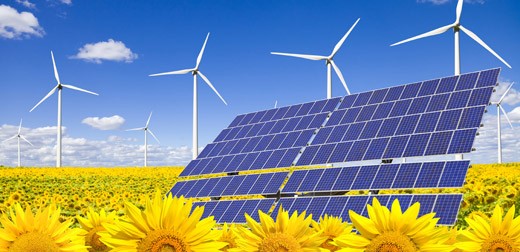
__________ is an energy resource that WILL NOT run out in the next several hundred years.
a)
Renewable Energy Resource
b)
Nonrenewable Energy Resource
86.
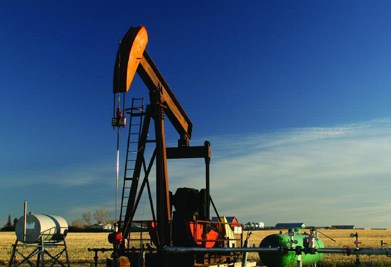
__________ is an energy resource that WILL run out in the next several hundred years.
a)
Renewable Energy Resource
b)
Nonrenewable Energy Resource
87.
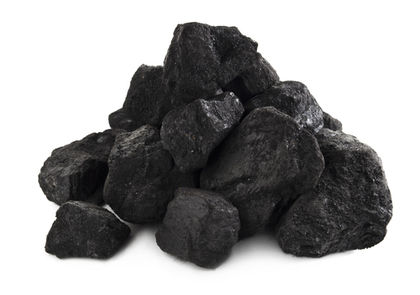
Coal is a __________ energy resource.
a)
Renewable
b)
Nonrenewable
88.
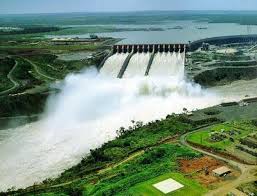
Hyrdo Power is a __________ energy resource.
a)
Renewable
b)
Nonrenewable
89.
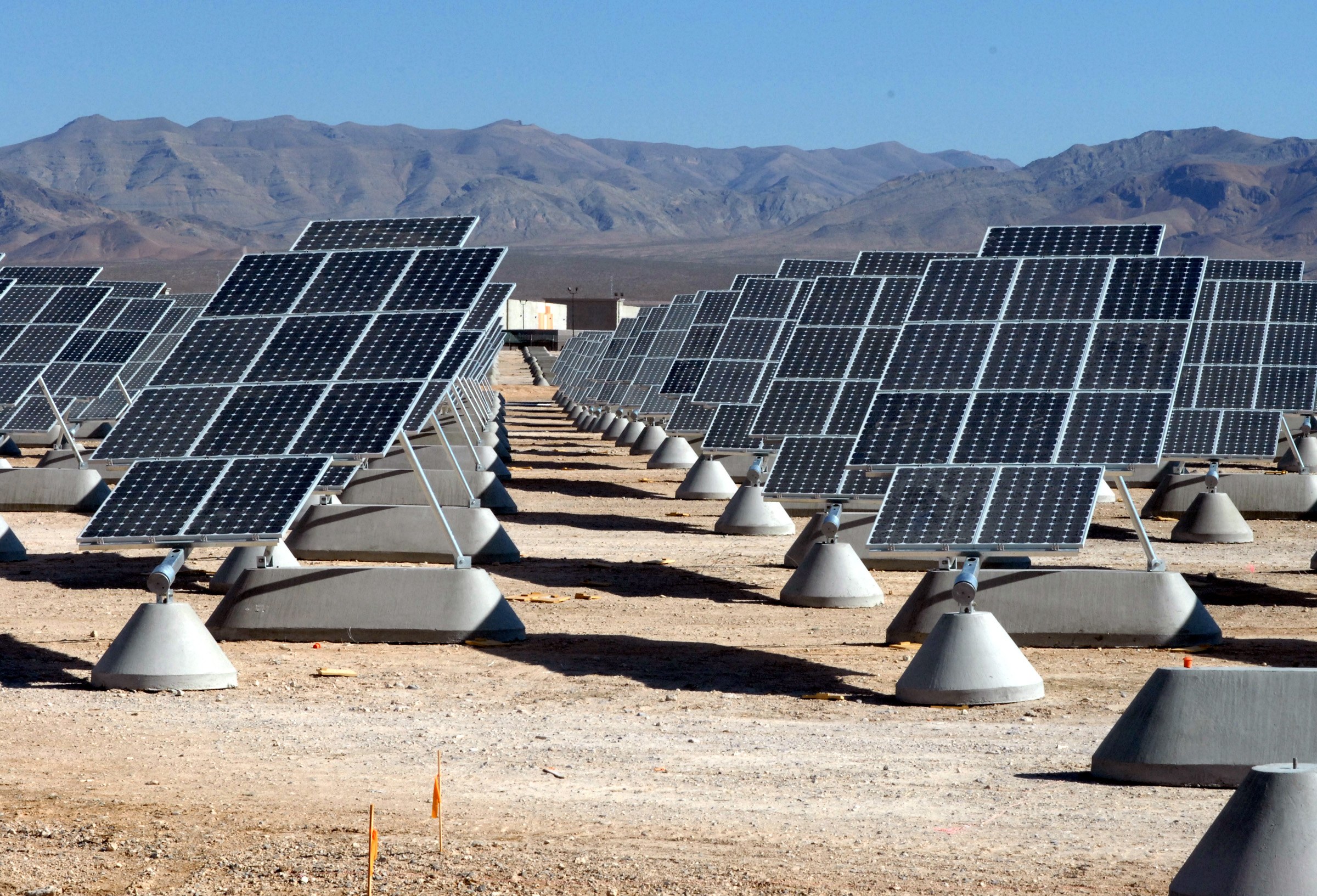
Solar Power is a __________ energy resource.
a)
Renewable
b)
Nonrenewable
90.
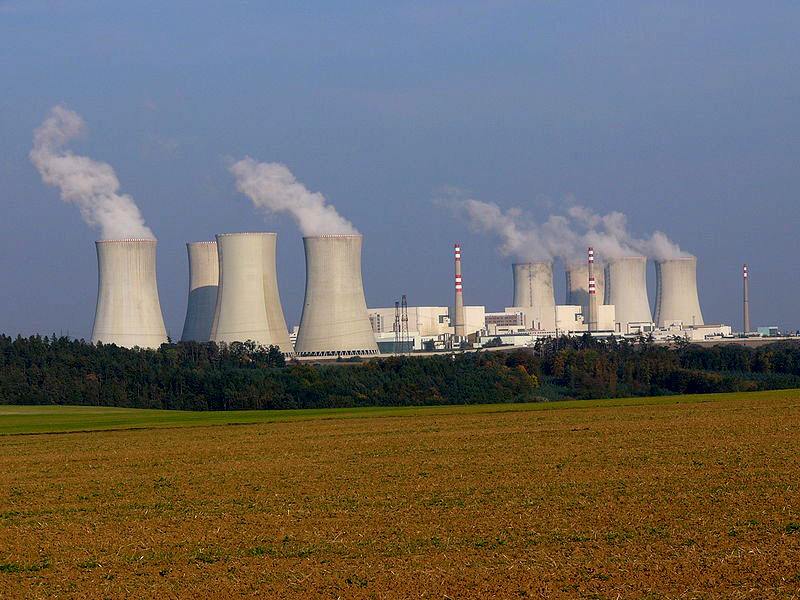
Nuclear Power is a __________ energy resource.
a)
Renewable
b)
Nonrenewable
91.
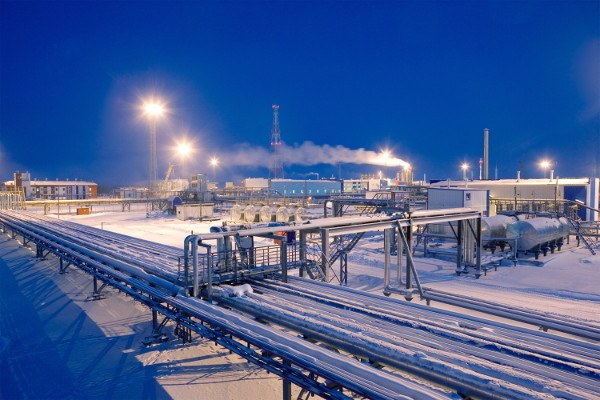
Natural Gas is a __________ energy resource.
a)
Renewable
b)
Nonrenewable
92.

Oil is a __________ energy resource.
a)
Renewable
b)
Nonrenewable
93.

The energy of nuclear reactions between atoms that creates heat and turns turbines is _________.
a)
Coal
b)
Wind
c)
Hydro
d)
Nuclear
94.

__________is the energy created by wind turning wind turbines.
a)
Geothermal
b)
Hydro
c)
Wind
d)
Nuclear
95.
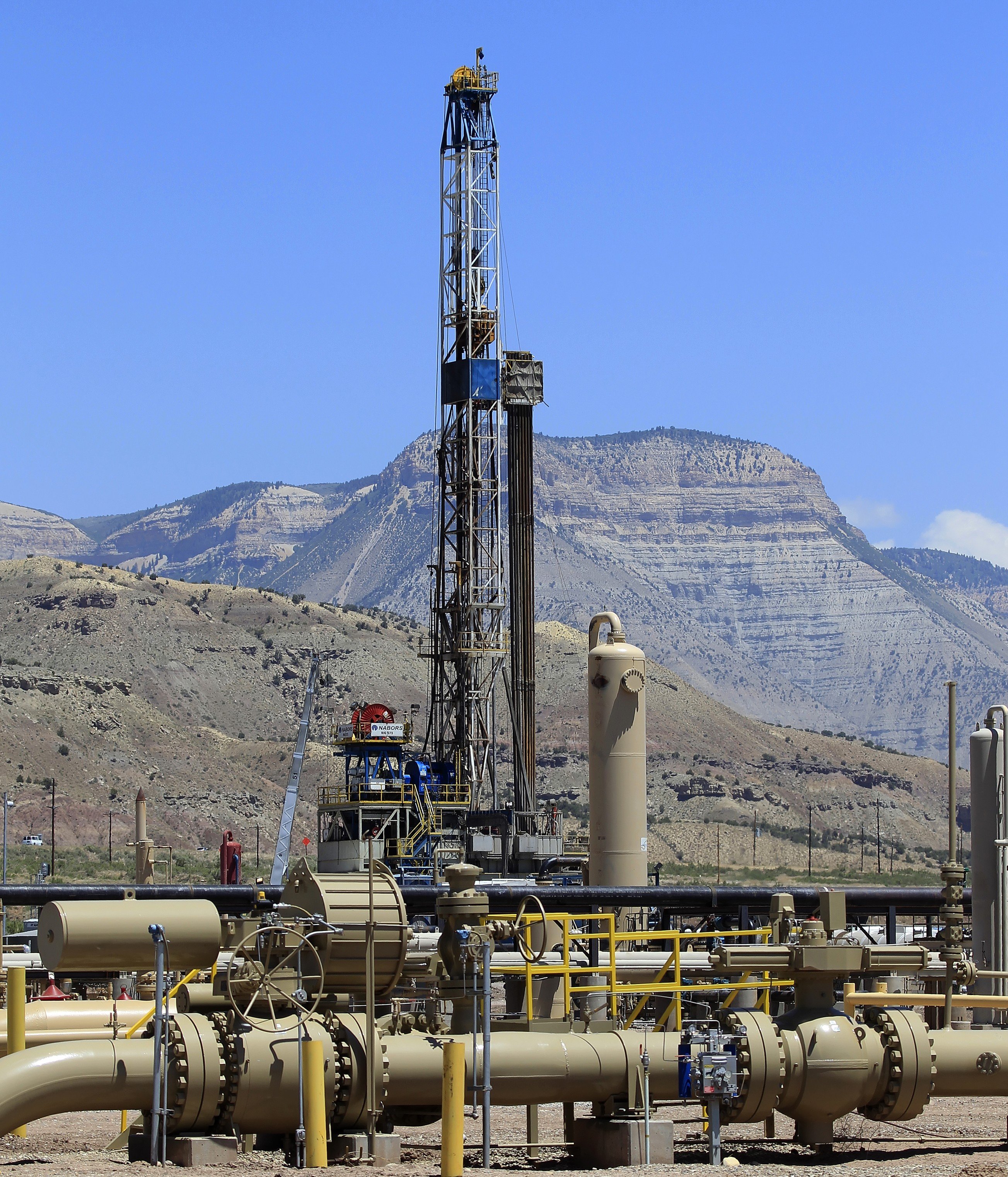
__________is a gas found under the Earth’s surface and is used to produce energy by burning it.
a)
Geothermal
b)
Natural Gas
c)
Coal
d)
Nuclear
96.

_________is energy generated when moving water turns turbines.
a)
Wind
b)
Hydro
c)
Geothermal
d)
Solar
97.
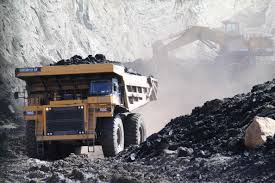
_________is compacted matter dug from under the Earth’s surface that is used to provide energy by burning it.
a)
Hydro
b)
Coal
c)
Nuclear
d)
Geothermal
98.

What percentage of our energy use comes from fossil fuels?
a)
25%
b)
45%
c)
61%
d)
86%
99.
What causes smog?
a)
The burning of particulates
b)
The formation of ozone
c)
Acid Rain
d)
the interaction of sunlight with pollutants produced by fossil fuels
100.
Global warming has been linked to a decrease in
a)
the size of the polar ice caps
b)
the temperature of Earth
c)
the rate of species extinction
d)
the rate of carbon dioxide production
100 %

