
 Worksheets
Stream: Ecology and Evolution Review
Total questions: 45
Worksheet time: 32mins
Name
Class
Date
1.
What does every food chain start with? (Even if it's not drawn or written there!)
a)
producers
b)
sun
c)
consumer
d)
decomposers
2.

An organism that needs to eat other organisms to obtain energy is known as a:
a)
Autotroph
b)
Producer
c)
Consumer
d)
Mutualist
3.

relationship in which two species live closely together
a)
resource
b)
mutualism
c)
succession
d)
symbiosis
4.
Where an organism lives
a)
habitat
b)
niche
c)
heterotrogh
d)
biosphere
5.
The amount of energy that usually transfers from one trophic level to the next...
a)
10%
b)
20%
c)
80%
d)
50%
6.
An illustration that uses arrows to show the MANY possible directions in which matter and energy can pass through the organisms in an ecosystem.
a)
Food chain
b)
Food web
c)
Energy Pyramid
d)
Succession Map
7.
The nonliving aspects of an ecosystem.
a)
Abiotic factors
b)
Biotic factors
8.
The living portions of the ecosystem.
a)
Biotic factors
b)
Abiotic factors
9.
A graphic illustration that shows each trophic level and the amount of useable energy contained within.
a)
Food chain
b)
Food web
c)
Energy Pyramid
d)
All of these
10.
A collection of organisms that make up a community as well as all of the nonliving aspects of the environment.
a)
Population
b)
Community
c)
Habitat
d)
Ecosystem
11.
As you move upward, from level to level, in an energy pyramid, energy _____.
a)
increases
b)
decreases
c)
stays the same
d)
increases exponentially
12.
plants that convert energy from the sun
a)
decomposer
b)
primary consumer
c)
secondary consumer
d)
producer
13.

What are the Abiotic factors in this image?
a)
water, sunlight, dirt, air
b)
birds and plants
c)
birds, water, dirt
d)
plants, water
14.

An individual belonging to a specific species
a)
Biotic
b)
Community
c)
Organism
d)
Reptile
15.
An organism that is killed and eaten by another organism
a)
Predator
b)
Prey
c)
Competition
d)
Adaptation
16.
The organism that does the killing in a predation interaction
a)
Predator
b)
Prey
c)
Competition
d)
Adaptation
17.
The struggle between organisms to survive as they attempt to use the same resource
a)
Predator
b)
Prey
c)
Competition
d)
Adaptation
18.
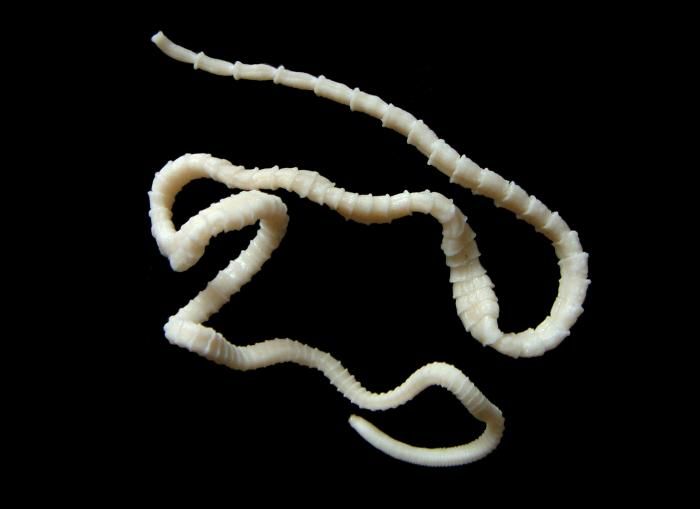
A tapeworm and a cat have this type of relationship.
a)
mutualism
b)
parasitism
c)
commensalism
d)
competition
19.
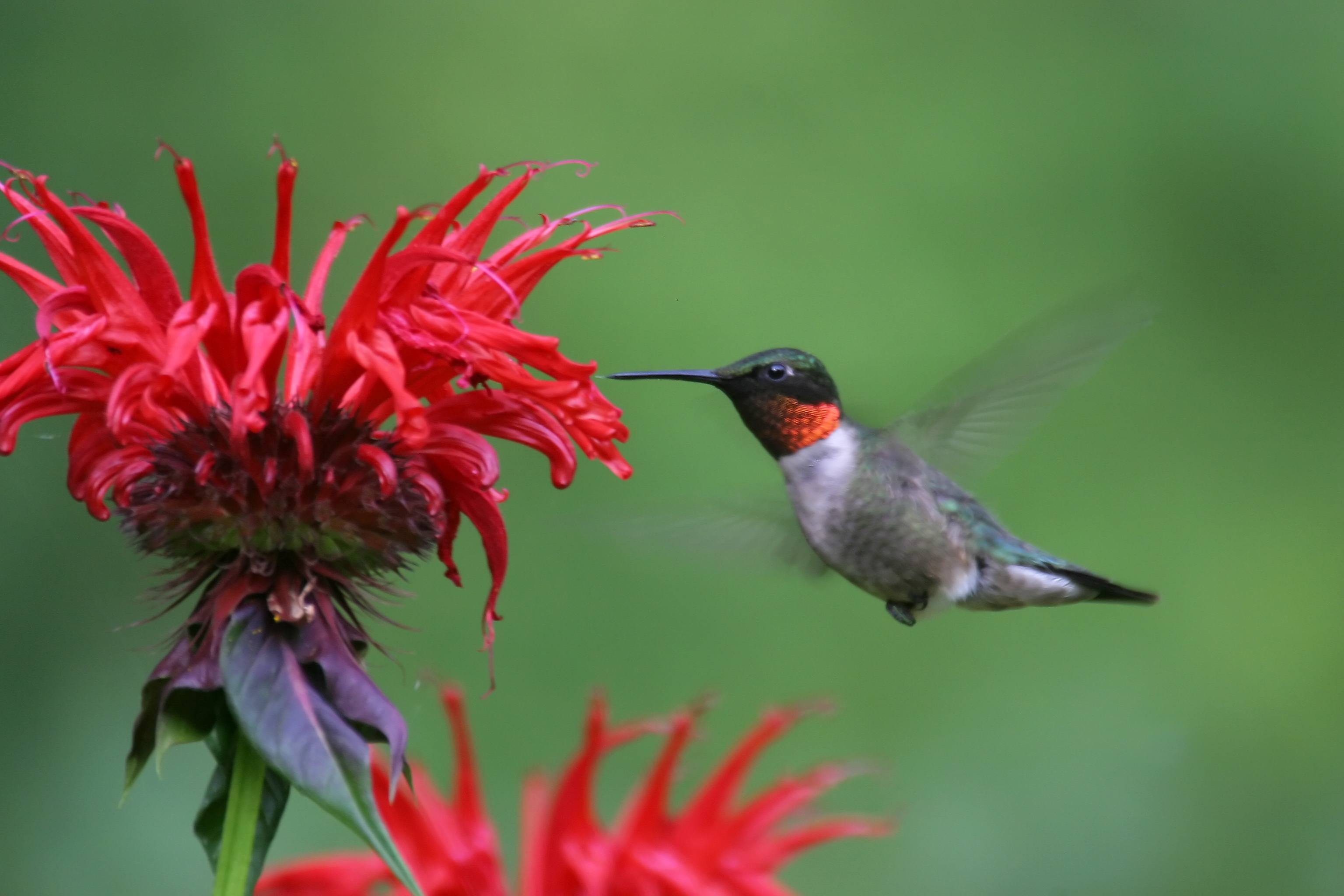
What type of symbiosis? Hummingbirds feed on nectar from flowers. The flowers are pollinated by hummingbirds as they move from flower to flower.
a)
commensalism
b)
mutualism
c)
parasitism
d)
predation
20.
The _________________ of a species in an environment is the population size that the environment can sustain, given the food, habitat, water and other necessities available in the environment.
a)
Limiting factor
b)
Carrying capacity
c)
death rate
d)
immigration
21.
Any abiotic or biotic factor in an ecosystem that causes a population’s size to slow or decrease is a ________________________.
a)
carrying capacity
b)
birth rate
c)
death rate
d)
limiting factor
22.

Webs contain several _____________ and, therefore, are much more complex than food chains.
a)
species
b)
populations
c)
food chains
d)
biotic factors
23.

Biome with plants and grasses, but no trees.
a)
grassland
b)
savannah
c)
taiga
d)
tundra
24.

Biome with many different species of cacti and reptiles and very little rainfall.
a)
Desert
b)
Temperate Rainforest
c)
Tropical Rainforest
d)
Tundra
25.

Biome with many scattered shrubs, tall grasses and small trees.
a)
Savannah
b)
Grassland
c)
Desert
d)
Taiga
26.

Cold, dry biome where the soil stays frozen the entire year. Very little precipitation.
a)
savannah
b)
taiga
c)
tundra
d)
desert
27.

A group of ecosystems with similar organisms and climates.
a)
desert
b)
deciduous
c)
canopy
d)
Biome
28.

Forest biome with many different trees, mosses and ferns; most trees lose and regrow their leaves each year.
a)
temperate rainforest
b)
biome
c)
savannah
d)
boreal
29.

Northern biome with many coniferous trees; very cold temperatures in the winter months.
a)
Taiga
b)
tundra
c)
desert
d)
temperate rain forest
30.

Type of forest biome near the equator; receives a lot of rain; temperatures are warm all year.
a)
desert
b)
tropical rain forest
c)
arctic
d)
temperate rain forest
31.

Type of tree that loses and regrows leaves each year.
a)
deciduous
b)
coniferous
c)
pine tree
d)
oak tree
32.

Charles Darwin came up with this theory
a)
Natural Selection
b)
Mutation
33.

Another word for adapt is ____________.
a)
change
b)
create
34.
What characteristic did Darwin observe about the finches on the Galapagos Islands?
a)
Their feathers
b)
Genotypes
c)
Their beaks
d)
Their body sizes
35.
Which term refers to the process by which individuals that are better suited to the environment survive and reproduce therefore passing down their genes to their offspring?
a)
Evolution
b)
Variation
c)
Adaptation
d)
Natural Selection
36.

Which species’ DNA is most similar to the DNA of the toothed whale?
a)
Hippopotamus
b)
Baleen Whale
c)
Grazing Mammals
d)
Camels
37.
When an organism completely dies out, it is called.....
a)
Adaption
b)
Extinction
c)
Fossilization
d)
Mutation
38.
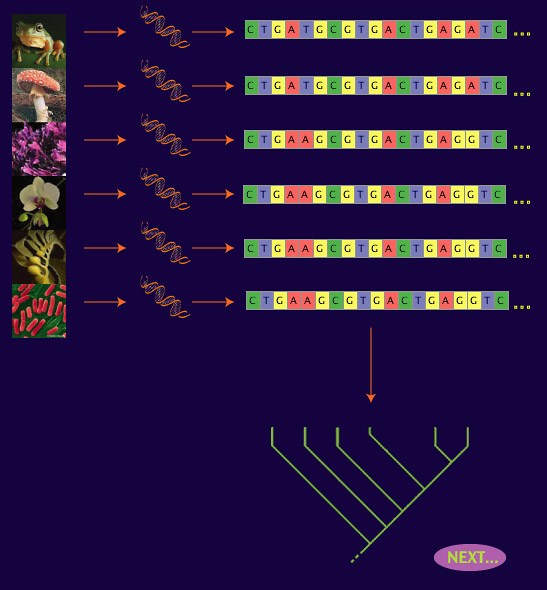
Two organisms that are closely related would have
a)
very similar DNA sequence
b)
exactly the same DNA sequences
c)
no proteins in common
d)
completely different DNA sequence
39.
Genetic differences between organisms of the same species
a)
Variation
b)
Adaptation
c)
Behavior
d)
Environment
40.
A group of similar organisms that can mate with each other and produce fertile offspring is called a species.
a)
True
b)
False
41.

What are the traces or remains of an organism that lived long ago?
a)
species
b)
fossil
c)
rock
d)
adaptation
42.

According to the diagram, which fossil is the oldest?
a)
Crinoid
b)
Trilobite
c)
Ammonite
d)
Fern
43.

Which of the following organisms in the kingdom Animalia are not closely related?
a)
mouse and hagfish
b)
mouse and lizard
c)
mouse and pigeon
d)
mouse and chimp
44.

Female bullfrogs release thousands of eggs underwater that are then fertilized by the males. Once fertilized, the female will cover the egg mass with a jelly-like substance. The eggs hatch within a couple weeks. This illustrates which point of natural selection?
a)
genetic variation
b)
overproduction of offspring
c)
struggle for existence
d)
differential in survival and reproduction
45.

If an organism has a vestigial structure, that structure likely once had a function in a(n)
a)
close relative
b)
early ancestor
c)
unrelated organism
d)
embryological stage
100 %

