
 Worksheets
Final Review
Total questions: 200
Worksheet time: 3hrs 13mins
Name
Class
Date
1.
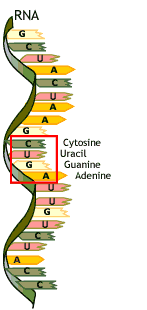
In RNA, Uracil pairs with ______.
a)
cytosine
b)
adenine
c)
guanine
d)
thymine
2.
The process to go from DNA to mRNA is _______
a)
translation
b)
transcription
c)
replication
3.
The process to go from mRNA to a protein is called ____
a)
transcription
b)
rRNA
c)
replication
d)
translation
4.
DNA holds the code for
a)
lipids
b)
carbohydrates
c)
protein
d)
sugar
5.
Choose the nucleotide sequence of the RNA strand that would be complementary to the following strand:
GTAGTCA
GTAGTCA
a)
UATUAGA
b)
ACGACTG
c)
CAUCAGU
d)
CATCAGT
6.
The main function of tRNA is to...
a)
carry a message that, when translated, forms proteins
b)
form a portion of ribosomes
c)
string together complementary RNA and DNA strands
d)
bring amino acids from the cytoplasm to the ribosomes
7.
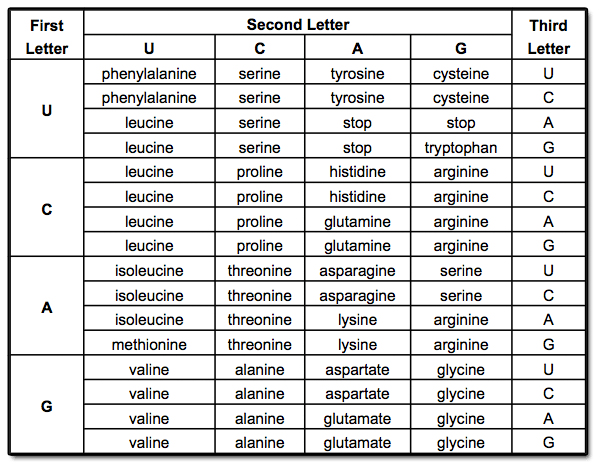
What amino acid is represented by the codon UUA?
a)
Phenylalanine
b)
Tyrosine
c)
Leucine
d)
Stop codon
8.
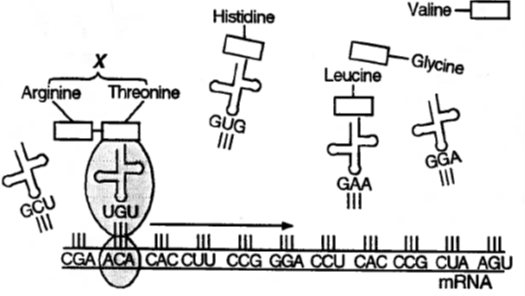
What process is going on in this photo?
a)
Transcription
b)
Translation
c)
Replication
d)
All the above
9.
Which component of DNA determines the traits of an organism?
a)
Nitrogen Bases
b)
Sugar-Phosphate Backbone
c)
Hydrogen bonds
10.
What is the location in the cell for translation?
a)
nucleus
b)
mitochondria
c)
ribosome
d)
chloroplast
11.
What is the three base sequence of mRNA that codes for a single amino acid?
a)
Anticodon
b)
Codon
c)
Protein
12.
What are the backbones (sides) of the DNA structure made up of?
a)
repeating phosphates and sugars
b)
nitrogen bases
c)
nucleotides
d)
adenine and thymine
13.
What is the location in the cell for transcription?
a)
nucleus
b)
cytoplasm
c)
ribosome
d)
mitochondria
14.
Which is the mRNA molecule that would be transcribed from this DNA template:
TGGCAAGTACGT
TGGCAAGTACGT
a)
ACCGTTCATGCA
b)
UGGCAAGUACGU
c)
UCCGUUCUUGCU
d)
ACCGUUCAUGCA
15.
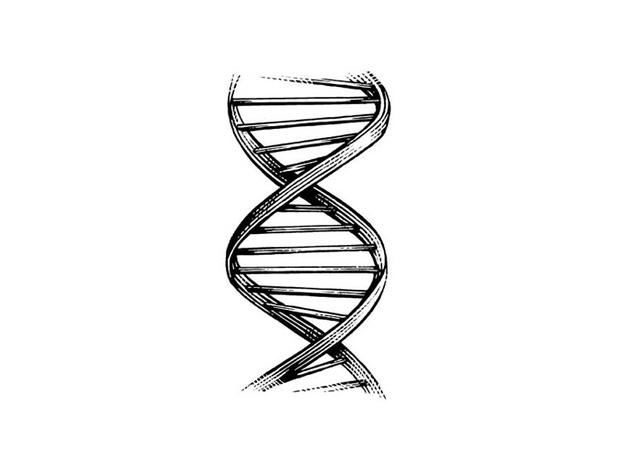
DNA has a _____________ structure.
a)
double helix
b)
single strand
c)
ring
d)
chain
16.
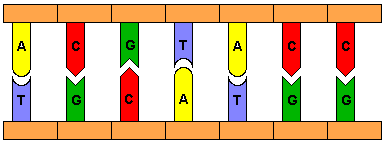
In DNA, Adenine pairs with ___________.
a)
Guanine
b)
Cytosine
c)
Thymine
d)
Uracil
17.
Translation is the process where
a)
mRNA is created in the Nucleus
b)
mRNA is decoded to form a protein
c)
glucose molecules are made
d)
is where lipids are synthesised
18.
Does the order of amino acids in a protein matter?
a)
YES!
b)
NO!
19.
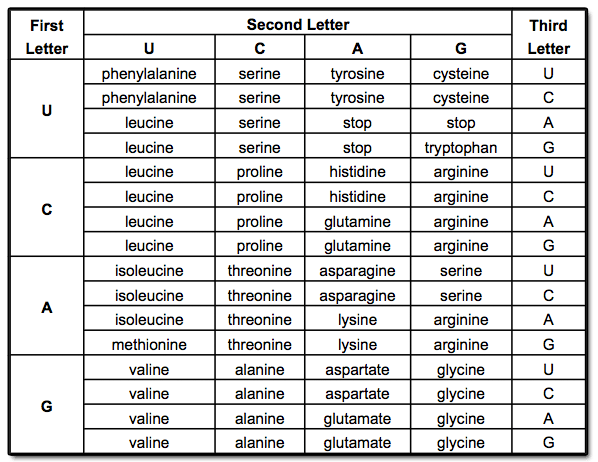
What is the correct amino acid sequence for the mRNA code AUGCCAGUAUGA
a)
Met-Pro-Ala-Val
b)
Met-Pro-Val
c)
Tyr-Gly-His
d)
Tyr-Gly-Arg-His
20.
How many amino acids are coded for by this sequence of nucleotides:
ATG GGA ACT CCA
ATG GGA ACT CCA
a)
4
b)
2
c)
6
d)
12
21.
What macromolecules provide structural support, help to build muscles, speed up chemical reactions, and are part of the immune system?
a)
carbohydrates
b)
nucleic acids
c)
proteins
d)
lipids
22.
What substances speed up chemical reactions by lowering the activation energy needed to start a chemical reaction?
a)
amino acids
b)
proteins
c)
nucleic acids
d)
enzymes
23.
Which macromolecules store and communicate genetic information as well as provide energy?
a)
carbohydrates
b)
nucleic acids
c)
proteins
d)
lipids
24.
Which of the following are nucleic acids used as a template during protein synthesis?
a)
DNA
b)
RNA
c)
ATP
25.
Which of the following are nucleic acids created during protein synthesis?
a)
DNA
b)
RNA
c)
ATP
26.
Which of the following are monomers of proteins?
a)
monosaccharides
b)
nucleotides
c)
amino acids
d)
fatty acids
27.
Which of the following are monomers of nucleic acids?
a)
monosaccharides
b)
nucleotides
c)
amino acids
d)
fatty acids
28.

a)
monosaccharide
b)
nucleotide
c)
amino acid
d)
fatty acid
29.
"Double helix" describes the shape of which nucleic acid?
a)
DNA
b)
RNA
c)
ATP
30.
What are the rungs (steps) of the DNA structure made up of?
a)
repeating phosphates and sugars
b)
nitrogen bases
c)
nucleotides
d)
adenine and thymine
31.
Which bases are complementary in DNA?
a)
A-T
b)
A-U
c)
T-C
d)
G-A
32.
Which bases are complementary in RNA?
a)
A-T
b)
A-U
c)
T-C
d)
G-A
33.
Which nucleic acid is single stranded, has the 4 bases A, U, C, G, and is small enough to leave the nucleus?
a)
DNA
b)
RNA
c)
ATP
34.
What is one characteristic that is true about both DNA and RNA?
a)
single stranded
b)
contain genes
c)
have the base uracil
d)
used as a template
35.
Which nucleic acid contains the sugar deoxyribose?
a)
DNA
b)
RNA
c)
ATP
36.
Which nucleic acid is made up of codons?
a)
DNA
b)
RNA
c)
ATP
37.
What is the first step in protein synthesis in which DNA is used as a template to create a mRNA molecule?
a)
Transcription
b)
Translation
38.
What is the second step in protein synthesis in which mRNA is translated by a ribosome to create a string of amino acids (a protein)?
a)
Transcription
b)
Translation
39.
Which nitrogen base CAN’T you use during transcription?
a)
adenine
b)
uracil
c)
cytosine
d)
thymine
40.
How many chambers does the heart have ?
a)
4
b)
6
c)
3
d)
1
41.
What is the main function of the heart ?
a)
The heart circulates blood, oxygen, and nutrients throughout the body.
b)
The heart is the control centers for all body activities.
c)
The heart gets rid of the wastes in your body produced by homeostasis.
d)
The heart transports , protection and regulation. Blood transports the following substances:
42.
A blood vessel that carries blood TO the heart is called ...
a)
vein
b)
capillary
c)
blood vessel
d)
artery
43.
White blood cells (WBC’s), red blood cells (RBC’s), plasma, & platelets are the 4 parts of what?
a)
blood vessels
b)
organs
c)
heart disease
d)
blood
44.
The bottom chambers of the heart are called
a)
ventricles
b)
atria
c)
vena cava
d)
valves
45.
What is the largest artery in the human body?
a)
Aorta
b)
lung
c)
ventricle
d)
vein
46.
What does the circulatory system do?
a)
pumps blood through the whole body
b)
pumps blood to the brain
c)
pumps blood to the lungs
d)
pumps blood
47.
What do the arteries do?
a)
pumps blood to the heart
b)
pumps blood to and from the heart
c)
carry's blood away from the heart
d)
a muscle
48.
What is a pulmonary vein?
a)
a aorta
b)
a main blood vessel
c)
the blood vessel that carries newly oxygenated blood from the lungs
d)
it is a heart valve
49.
What is the main organ in the circulatory system?
a)
vein
b)
lung
c)
heart
d)
aorta
50.
How many types of blood vessels are in our body?
a)
1
b)
2
c)
3
d)
4
51.
Arteries carry oxygen rich blood away from the heart.
a)
True
b)
False
52.
Veins carry oxygen poor blood back to the heart.
a)
False
b)
True
53.
Carbon dioxide is considered a _________________
a)
food
b)
waste
c)
energy
d)
fun party favor
54.
The circulatory system works with the ___________ system to provide our body with oxygen.
a)
respiratory
b)
digestive
c)
muscular
d)
skeletal
55.
The circulatory system works with the __________ system to obtain energy from nutrients that we eat.
a)
respiratory
b)
digestive
c)
skeletal
d)
nervous
56.
Where does the deoxygenated blood from the body go ?
a)
Stomach
b)
Colon
c)
Toes
d)
Lungs
57.
The heart is divided into how many parts.
a)
2
b)
4
c)
8
d)
1
58.
This chamber of the heart PUMPS blood to the body.
a)
Right Atrium
b)
Right Ventricle
c)
Left Atrium
d)
Left Ventricle
59.
The _______ RECEIVES blood returning from the lungs.
a)
Right Atrium
b)
Right Ventricle
c)
Left Atrium
d)
Left Ventricle
60.
The _________ PUMPS blood to the lungs.
a)
Right Atrium
b)
Right Ventricle
c)
Left Atrium
d)
Left Ventricle
61.
This chamber of the heart RECEIVES blood returning from the body
a)
Right Atrium
b)
Right Ventricle
c)
Left Atrium
d)
Left Ventricle
62.

Identify
a)
Left atrium
b)
Right atrium
c)
Left ventricle
d)
Right ventricle
63.

Identify
a)
Pulmonary veins
b)
Pulmonary artery
c)
Aorta
d)
Vena cava
64.

Identify
a)
Left atrium
b)
Right atrium
c)
Left ventricle
d)
Right ventricle
65.
Which is NOT a function of the circulatory system?
a)
deliver O2 and nutrients to cells
b)
remove CO2 and wastes from cells
c)
break down carbohydrates into glucose
d)
transport other materials through body
66.
Thin-walled vessels that allow for the exchange of O2 , CO2, nutrients and wastes between blood cells or air sacs in the lungs
a)
Arteries
b)
Veins
c)
Capillaries
67.

What does Deoxygenated mean?
a)
Oxygen-rich
b)
Blood flow
c)
Oxygen-poor
d)
Water Flow
68.

What are tube-like structures that include the arteries, arterioles, capillaries, venules, and veins?
a)
Blood Vessels
b)
Lymph
c)
Glands
d)
Strep
69.

A complex iron protein that binds to oxygen?
a)
Red blood cells
b)
Carbon Dioxide
c)
Hemoglobin
d)
Blood
70.

Identify
a)
Left atrium
b)
Right atrium
c)
Left ventricle
d)
Right ventricle
71.
When a person exhales, which of the following is TRUE?
a)
The diaphragm contracts and moves up
b)
The diaphragm relaxes and moves up
c)
The thoracic pressure decreases
d)
The diaphragm contracts and moves
up, and thoracic pressure decreases
up, and thoracic pressure decreases
72.

When you breathe, your lungs take in ___ and remove ___.
a)
air/oxygen
b)
oxygen/carbon dioxide
c)
carbon dioxide/waste
d)
waste/air
73.

The two main branches from the trachea (one to each lung)
a)
bronchi
b)
alveoli
c)
capillaries
d)
bronchioles
74.

The air sacs that are covered with capillaries where gas exchange takes place
a)
bronchi
b)
lungs
c)
oxygen
d)
alveoli
75.

What is the function of the bronchi?
a)
Transport air from nose to lungs
b)
Transport air from trachea to lungs
c)
Transport air from lungs to alveoli
d)
Transport air from alveoli to blood
76.

What is the main function of the respiratory system?
a)
to provide oxygen and remove carbon dioxide from the body
b)
to bring oxygen to the body
c)
to break down food and absorb nutrients
d)
to remove oxygen from the body and deliver carbon dioxide
77.
The use of oxygen by the cells to release energy from food is called...
a)
photosynthesis
b)
cellular respiration
c)
diffusion
d)
osmosis
78.
The movement of oxygen from the alveoli to the blood and from the blood to the tissues is due to the process of...
a)
osmosis
b)
diffusion
c)
cytokinesis
d)
phagocytosis
79.
Diffusion is the movement of particles across a membrane from a higher concentration to a lower concentration.
a)
True
b)
False
80.
When you inhale, air passes the following structures in which order
a)
pharynx, larynx, trachea, bronchi, bronchioli, aveoli
b)
larynx, pharynx, trachea, alveoli, bronchiole, bronchi
c)
trachea, larynx, pharynx, bronchus, bronchioli, aveoli
alveoli, bronchioli, bronchi, trachea, larynx, pharynx
alveoli, bronchioli, bronchi, trachea, larynx, pharynx
81.
The main function that INTERNAL Respiration is to
a)
make ATP from cellular respiration
b)
make glucose from cellular respiration
c)
release oxygen
d)
break down oxygen
82.
EXTERNAL Respiration is when
a)
ATP released from the breakdown of food
b)
oxygen is released from the breakdown of food
c)
oxygen is transported from the alveoli to the blood
d)
carbon dioxide is transported from the alveoli to the blood
83.

Fertilization occurs in which structure?
a)
#4 uterus
b)
#3 fallopian tube
c)
#7 vagina
d)
# 5 bladder
84.
Also known as the birth canal
a)
cervix
b)
vagina
c)
ovaries
d)
cowpers gland
85.
The menstrual cycle generally lasts
a)
3-5 days
b)
28 days
c)
1 week
d)
2 weeks
86.
This structure produces the main hormone testosterone as well as sperm
a)
epididymis
b)
testicle
c)
ovary
d)
prostate
87.

The male gonad that produces sperm and the male hormone testosterone.
a)
Penis
b)
Epididymis
c)
Testes
d)
Cowper's Gland
88.

a)
Ovary
b)
Fallopian tube
c)
Uterus
d)
Uterus lining
89.

Ovary
a)
A
b)
B
c)
C
d)
D
90.
Fallopian tube
a)
E
b)
D
c)
B
d)
C
91.

Urethra
a)
A
b)
B
c)
E
d)
F
92.
Which hormone helps develop female characteristics?
a)
TestosteroneTestosterone
b)
estrogen
Estrogen
Estrogen
c)
insulin
Insulin
Insulin
d)
thymosin
Thymosin
Thymosin
93.
What is the female gland that secretes estrogen and progesterone?
a)
Testes
b)
Pancreas
c)
Thymus
d)
Ovaries
94.

Umbilical Cord
a)
B
b)
C
c)
D
d)
E
95.
Planceta
a)
B
b)
C
c)
D
d)
E
96.
Fetus
a)
E
b)
F
c)
G
d)
Blank
97.
Amniotic Sac
a)
E
b)
F
c)
G
d)
Blank
98.
What is the name of the development stage when the egg is first fertilized?
a)
zygote
b)
blastula
c)
morula
d)
gastrula
99.
What provides nutrients to a fetus?
a)
estrogen
b)
uterus
c)
cervix
d)
placenta
100.
Menstruation is
a)
the shedding of the lining of the uterus
b)
fertilization of an egg
c)
fetal development
d)
blockage of the fallopian tube
101.
The umbilical cord connects
a)
the placenta and the fetus
b)
the ovaries and the uterus
c)
the fetus and the cervix
d)
the testes and the urethra
102.
The cells produced via meiosis are called:
a)
sex cells
b)
somatic cells
c)
body cells
d)
skin cells
103.
A human usually has xx amount of chromosomes.
a)
6
b)
22
c)
4
d)
46
104.

What phase is shown in the picture?
a)
anaphase 1
b)
anaphase 2
c)
metaphase 1
d)
telophase 1
105.
What causes genetic variation in meiosis?
a)
chromosomes lining up
b)
crossing over of chromosomes
c)
separation of chromosomes
d)
chromosomes pulling apart
106.
Unlike mitosis, meiosis in male mammals results in the formation of
a)
one haploid gamete
b)
three diploid gametes
c)
four diploid gametes
d)
four haploid gametes
107.

When an area of a chromatid is exchanged with the matching area on a chromatid of its homologous chromosome, _________________ occurs
a)
crossing over
b)
mutagenesis
c)
hybridization
d)
fertilization
108.
What kind of cells are made in MEIOSIS?
a)
Haploid Gametes
b)
Diploid Somatic Cells
c)
Skin Cells
d)
Liver Cells
109.
Diploid Cells are represented by
a)
2n
b)
n
c)
4n
d)
1/2 n
110.
If the Diploid number of Carrots is 18, the haploid number is
a)
18
b)
9
c)
27
d)
36
111.
If a somatic cell in a butterfly contains 24 chromosomes, a butterfly egg would contain
a)
3
b)
6
c)
12
d)
24
112.
The process of crossing over occurs in what phase of meiosis?
a)
anaphase 1
b)
prophase 1
c)
prophase 2
d)
telophase 1
113.
Which of these cells would be produced through meiosis?
a)
skin cells
b)
liver cells
c)
brain cells
d)
sperm cells
114.
The chromosomes that pair up during meiosis, are called __________ chromosomes.
a)
homozygous
b)
asexual
c)
homologous
d)
genes
115.
Why do we need meiosis?
a)
To double the number of chromosomes going into sex cells
b)
To halve the number of chromosomes going into sex cells
c)
To triple the number of chromosomes going into sex cells
d)
To not change the number of chromosomes going into sex cells
116.
You inherited...
a)
most of your chromosomes from your mother
b)
most of your chromosomes from your father
c)
a random number of chromosomes from each parent
d)
half your chromosomes from your mother and half from your father.
117.
During meiosis I, what happens?
a)
Sister chromatids are split
b)
Homologous chromosomes are split
c)
Four cells are created
d)
None of the other choices are correct
118.

What phase is represented?
a)
metaphase 1
b)
metaphase 2
c)
anaphase 1
d)
anaphase 2
119.
Meiosis occurs in the testes in men and the ___________ in women.
a)
uterus
b)
cervix
c)
ovaries
d)
stomach
120.
How many daughter cells are produced at the end of meiosis?
a)
1
b)
2
c)
3
d)
4
121.
Which of the following is NOT a gamete?
a)
egg
b)
sperm
c)
skin cell
d)
all of the above are gametes
122.
A female inherits an ____ from the egg and an ____ from the sperm.
a)
X, X
b)
Y, X
c)
X, Y
d)
X, W
123.
Chromosome pairs 1-22 are known as
a)
sex chromosomes
b)
homologous chromosomes
c)
autosomes
d)
synapsis
124.
The chromosomes that define your sex are chromosome pair ___.
a)
1
b)
22
c)
1-22
d)
23
125.
Anything that triggers an immune response is a/n
a)
lymph cell
b)
antigen
c)
antibody
d)
neutrop
126.
Y shaped proteins that may mark pathogens for destruction are
a)
antigens
b)
T cells
c)
antibodies
d)
neutrophils
127.
What is the Immune system?
a)
The body's defense system
b)
A system that gives support and structure
c)
A system that helps you breathe
d)
None of the above
128.

What is the role of antibodies?
a)
Kills pathogens
b)
Helps activate other immune cells
c)
Produces antibodies
d)
Binds to antigens and neutralizes pathogen
129.

The body recognizes pathogens by their...
a)
Antigens
b)
Antibodies
c)
Histamines
d)
DNA
130.

A vaccine may contain:
a)
A live but weak version of the pathogen
b)
A killed pathogen
c)
Just the antigen from a pathogen
d)
Vaccine may contain any of these
131.

The blue molecule in this image is a(n) _______
a)
Antibody
b)
Antigen
c)
Pathogen
d)
Blood cell
132.
The orange molecule in this image is a(n) _______
a)
Antibody
b)
Antigen
c)
Antibiotic
d)
Blood cell
133.

Which of the following is NOT a type of vaccine?
a)
Live attenuated
b)
Killed/Inactive
c)
Subunit
d)
Antibiotics
134.

Why are viruses so difficult to treat?
a)
They use the host's own cells
b)
They reproduce quickly
c)
They are not technically alive
d)
All of these
135.

How is a virus DIFFERENT from bacteria?
a)
Viruses do not contain genetic material
b)
Viruses cannot reproduce without a host
c)
Viruses don't have antigens
d)
Viruses and bacteria are identical
136.
What does the stomach do?
a)
Nothing
b)
Adds digestive juices to the food
c)
Goes out to the rectum
d)
Barley any of these
137.
WHAT IS AFTER THE SMALL INTESTINE?
a)
Large intestine
b)
nothing
c)
liver
d)
pancreas
138.
Small muscular pouch responsible for storing bile
a)
pancreas
b)
mechanical
c)
amylase
d)
gallbladder
139.
Muscular tube that connects the mouth to the stomach
a)
Epiglottis
b)
Peristalsis
c)
Stomach
d)
Esophagus
140.
Flap of skin that covers the opening to the windpipe during swallowing
a)
Stomach
b)
Pepsin
c)
Pancreas
d)
Epiglottis
141.

3
a)
Esophagus
b)
Salivary Glands
c)
Stomach
d)
Pancreas
142.
4
a)
Gallbladder
b)
Liver
c)
Stomach
d)
Pancreas
143.
5
a)
Stomach
b)
Small Intestine
c)
Large intestine
d)
Rectum
144.
6
a)
Stomach
b)
Small Intestine
c)
Large intestine
d)
Rectum
145.
10
a)
Stomach
b)
Liver
c)
Gallbladder
d)
Pancreas
146.
11
a)
Stomach
b)
Liver
c)
Gallbladder
d)
Pancreas
147.
What does saliva do?
a)
Chemically digests food in the mouth.
b)
Chemically digests food in the stomach
c)
Protects the stomach from digesting iteself
d)
Absorbs nutrients from food so the body has energy.
148.
Where does digestion begin?
a)
Mouth
b)
Esophagus
c)
Stomach
d)
Small Intestine
149.
What organ makes bile?
a)
Gallbladder
b)
Liver
c)
Pancreas
d)
Appendix
150.
What parts of the digestive system help with mechanical digestions?
a)
Esophagus and Small Intestine
b)
Mouth and Stomach
c)
Liver and Gallbladder
d)
Rectum and Anus
151.
What is the correct order of digestion?
a)
Mouth - pharynx - stomach - esophagus - L.I. - S.I. - anus - rectum
b)
Pharynx - mouth - esophagus - stomach - gall bladder - S.I. - rectum - anus - L.I.
c)
Mouth - pharynx - pancreas - stomach - rectum - gall bladder - S.I. - rectum - anus
d)
Mouth - pharynx - esophagus - stomach - S.I. - L.I. - rectum - anus
152.
Chewing food with teeth and tongue is an example of a
a)
Mechanical Digestion
b)
Chemical Digestion
153.
An organism that produces its own food supply from inorganic compounds is called a(an)
a)
heterotroph
b)
consumer
c)
detritivore
d)
autotroph
154.
What is the original source of almost all energy in most ecosystems?
a)
carbohydrates
b)
sunlight
c)
water
d)
carbon
155.
What is the term for each step in the transfer of energy and matter within a biological community?
a)
energy path
b)
food web
c)
trophic level
d)
food pyramid
156.
What is an heterotroph?
a)
An organism that can produce its own form of energy (via the Sun)
b)
An organism that consumes only plants for energy
c)
Various organisms that consume other organisms for energy
d)
An organism that decomposes other organisms
157.
What is the major difference between a community and an ecosystem?
a)
A community involves only the biotic, not the abiotic
b)
An ecosystem only includes herbivores and carnivores-- no decomposers
c)
An ecosystem involves only the biotic, AND THE abiotic
d)
An ecosystem is just a larger community
158.
What are the correct types of Trophic levels?
a)
Producers
Primary
Secondary
Primary
Secondary
b)
Primary
Secondary
Secondary
c)
Producers
Consumers
Decomposers
Consumers
Decomposers
d)
Producers
Primary
Secondary
Tertiary
Primary
Secondary
Tertiary
159.
What are the major differences between a species and a population?
a)
Populations consist of ALL of the individual organisms within a species in a given area/ecosystem that are fertile
b)
Populations are a collection of many different types of species that are not related to each other
c)
Populations are just a larger amount of individuals
d)
Populations are the number of individuals within a species that are identical
160.

What are the plants in this picture?
a)
Heterotrophs
b)
Autotrophs
c)
Carnivores
d)
Herbivores
161.

Different populations living and interacting with each other in the same area
a)
Biome
b)
Ecosystem
c)
Community
d)
Niche
162.

The non-living part of an ecosystem
a)
Ocean
b)
Lava Flow
c)
Birds
d)
Abiotic
163.

The study of how living things interact with one another and with their environment.
a)
Biology
b)
Lithology
c)
Ecology
d)
Farmacology
164.

An area where an organism finds food, shelter and water in a specific arrangement
a)
niche
b)
biosphere
c)
biome
d)
habitat
165.

What does a food web represent?
a)
All connections of energy flow throughout all organisms in a habitat.
b)
The specific ways that mutualism is carried out.
c)
A single pathway or energy flow between organisms.
d)
How carnivores get their food.
166.

The image provided is an example of a(n):
a)
Carnivore
b)
Herbivore
c)
Producer
d)
Autotroph
167.
The amount of energy that usually transfers from one trophic level to the next...
a)
10%
b)
20%
c)
80%
d)
50%
168.
An illustration that uses arrows to show the many possible directions in which matter and energy can pass through the organisms in an ecosystem.
a)
Food chain
b)
Food web
c)
Energy Pyramid
d)
Succession Map
169.
Water temperature would be an example of ...
a)
A biotic factor
b)
An abiotic factor
170.
The general name for organisms like animals and fungi that get their energy from eating other organisms.
a)
Producers
b)
Consumers
c)
Detritivores
d)
Carnivores
171.
An organism at the second trophic level would be considered a...
a)
Top carnivore
b)
Producer
c)
Herbivore
d)
Carnivore
172.
True or False: It is possible for a carnivore to be a producer.
a)
False
b)
True
173.

In this food web, what is the grasshopper?
a)
producer
b)
tertiary consumer
c)
secondary consumer
d)
primary consumer
174.

In the energy pyramid here, which organisms have the most energy available?
a)
Producers
b)
Carnivores
c)
Herbivores
d)
Top Predator
175.
An organism's niche is
a)
the entire role an organism has in the place it lives
b)
the range of temperatures that the organism needs to survive
c)
all the physical and biological factors in the organism's environment
d)
the nutrients that flow from the organism to the environment
176.

What is the carrying capacity of the following graph?
a)
1000
b)
8000
c)
800
d)
600
177.
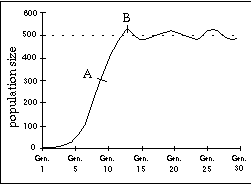
What is the carrying capacity of the graph?
a)
around 500
b)
more than 500
c)
less than 500
d)
around 600
178.

Will competition increase/decrease the carrying capacity of an ecosystem for the animal in competition?
a)
Decrease
b)
Increase
179.

When a population grows past the ecosystem's carrying capacity, what happens to the population?
a)
Continues to grow
b)
The population starts to die off to return to carrying capcity
c)
The population will go extinct due to lack of resources
d)
The population grows then finds a new carrying capacity
180.

If a disease destroying barley plants in a field swept through an ecosystem, what would happen to the barley eating bird population in the the field ?
a)
The bird population would stay the same
b)
The bird population would infinitely increase
c)
The bird population would decrease
181.

If the amount of food or resources available increases, the carrying capacity for an animal:
a)
Stays the same
b)
Increases
c)
Decreases
d)
Fluctuates
182.

In a forest ecosystem, which of the following is the best example of a limiting factor for a rabbit population?
a)
Squirrel Population
b)
Sunlight
c)
Grass available
183.

If the carrying capacity of a predator decreases, what will happen to the carrying capacity of the prey?
a)
Will Increase
b)
Will Decrease
c)
Will stay the same
d)
Will fluctuate
184.

The parasitic wasp injects its larvae into caterpillars . Acid rain has destroyed the caterpillar population. What will happen to the wasp population?
a)
Stay the same
b)
Increase
c)
Decrease
185.

The largest number of individuals in a species that an environment can support long term
a)
carrying capacity
b)
emigration
c)
immigration
d)
population density
186.

Any thing or organism that regulates the size of a population is known as __________.
a)
a limiting measure
b)
a limiting factor
c)
carrying capacity
d)
biodiversity
187.
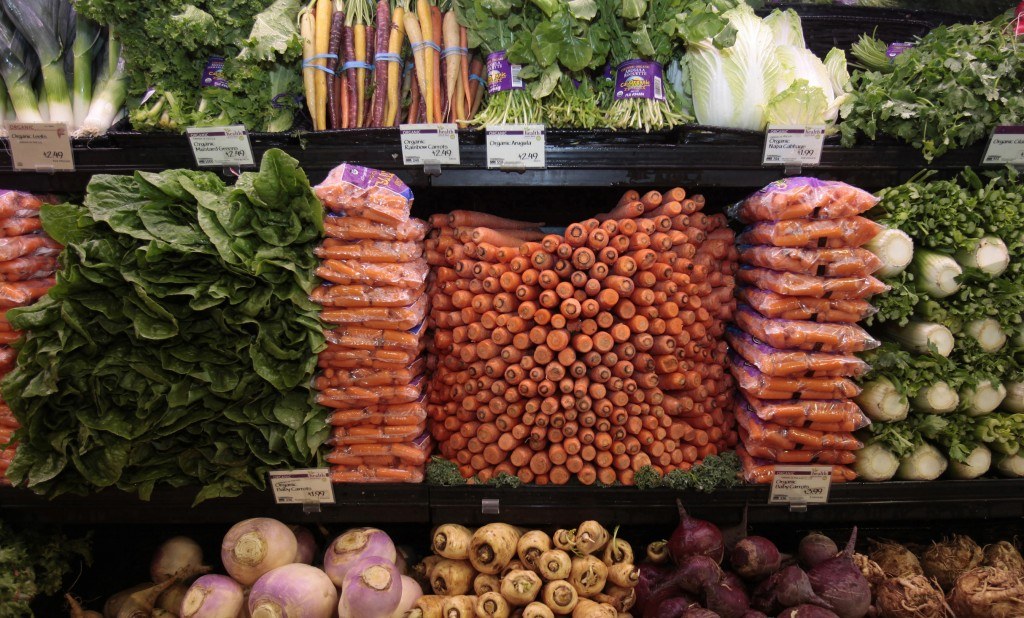
Which of the following would INCREASE the carrying capacity of an ecosystem?
a)
increase in predators
b)
disease
c)
increase in available food
d)
drought
188.
Limiting factors are sometimes helpful because they can keep the population from getting to large.
a)
True
b)
False
189.
Continued depletion of the ozone layer will most likely result in
a)
an
increase in skin cancer among humans
b)
a decrease
in atmospheric pollutants
c)
an
increase in marine ecosystem stability
d)
a
decrease in climatic changes
190.
The acidity of a local stream would most likely be affected by
a)
a change in the percentage of decomposers living
in the stream
b)
a new source of air pollution
c)
a new predator species being introduced to the
ecosystem
d)
a decrease in the amount of sunlight that reaches the stream
191.
Deforestation of areas considered to be rich sources of genetic material could limit future agricultural and medical advances due to
a)
the
maintenance of dynamic equilibrium
b)
the
loss of biodiversity
c)
an
increase in the ecosystem’s carrying capacity
d)
the
depletion of the ozone layer
192.
Deforestation by burning has been described as a "double whammy" to the environment, meaning it has 2 negative impacts. Why is this description accurate?
a)
Forest
burning releases CO2 while decreasing oxygen, which disrupts cycles
b)
Deforestation
reduces the amount of oxygen in the atmosphere, which depletes the ozone layer
c)
Forest
clearing is often followed by land development, which often leads to increased
noise pollution
d)
Deforestation
increases the number of plant and animal species by destroying habitat
193.
Approximately 75 percent of the Earth's surface is covered in water. So why is water considered such a precious resource?
a)
The
greenhouse effect is causing most of the world's freshwater to be trapped in
the atmosphere
b)
Only
a small fraction of the Earth's water is freshwater available for drinking and
irrigation
c)
Each
year, more freshwater is being trapped in icecaps located at the North and
South Poles
d)
Global
warming caused by greenhouse gas emissions will likely cause Earth's oceans to evaporate
194.
In lakes in New York State that are exposed to acid rain, fish populations are declining. This is primarily due to changes in which lake condition?
a)
Biotic
Factors
b)
ozone
levels
c)
increased
sunlight (optional)
d)
pH
195.

Which of the following is a herbivore?
a)
cricket
b)
frog
c)
hawk
d)
shrew
196.

If the grasshopper were to be removed completely from the food web, what organism would be most effected?
a)
The squirrel
b)
The shrew
c)
The deer
d)
The rabbit
197.

Which organism recieves the least amount of energy from the producer?
a)
Owl
b)
Grasshopper
c)
Lilypad
d)
Mouse
198.

The mouse in this food web would be considered a:
a)
Primary Consumer
b)
Producer
c)
Tertiary Consumer
d)
Secondary Consumer
199.
The element _______is found in all of the organic compounds.
a)
Iron
b)
Nitrogen
c)
Carbon
d)
Oxygen
200.
Monosaccharides are monomers of
a)
Carbohydrates
b)
Lipids
c)
Proteins
d)
Nucleic Acids
100 %

