wayground logo

Free Printable Worksheets

Font size

S
M
L
XL
Worksheets

Lab Safety

Total questions: 47

Worksheet time: 30mins
Name
Class
Date
1.
Both food and gum are permitted in lab.
a)
True
b)
False
2.
If your lab partner's hair caught fire, you should spray him/her with the fire extinguisher.
a)
True
b)
False
3.
It's OK to take something from the lab as long as you return it.
a)
True
b)
False
4.
If an accident occurs, you should immediately notify the fire department.
a)
True
b)
False
5.
Safety symbols alert you to possible dangers and identify safety equipment you should use.
a)
True
b)
False
6.
When you work outside, you should never tell anyone where you will be because it is top secret.
a)
True
b)
False
7.
It is important to taste a chemical to find out exactly what you are working with in the lab.
a)
True
b)
False
8.
What is the proper way to smell a chemical mixture in an experiment?
a)
waft
b)
blow your nose then take a big wiff
c)
take a big sniff
d)
snort
9.
What liquid do you use if a foreign substance gets into your eye during an experiment?
a)
eyewash
b)
water
c)
soap
d)
goggles
10.
You have accidentally broken a test tube and spilled a chemical on the table. Which of the following best explains what you should do?
a)
Quickly dispose of the glass, wipe up the spill with the nearest cloth, and hope nobody notices.
b)
Throw the glass into the nearest trash bin and let the spill air-dry.
c)
Use water and paper towels to clean up the spill; place the broken test tube in the disposal container specified for sharp objects.
d)
Caution your lab partners to avoid the area while you inform the teacher of the small accident.
11.
What is the first thing you should do if an accident occurs?
a)
Find the emergency equipment.
b)
Start first aid treatment.
c)
Go to the nearest hospital.
d)
Notify your teacher.
12.
What are some reasonable safety precautions for field investigations?
a)
Be prepared and use common sense.
b)
None; there are no hazards in the field.
c)
Always wear goggles and aprons.
d)
Always go into the field alone.
13.
The most important lab safety rule is
a)
always wear a lab apron.
b)
always wear safety goggles.
c)
design and conduct your own experiments without asking your teacher.
d)
always follow your teacher's instructions and the lab instructions.
14.
When do you NOT need to wear safety goggles?
a)
When the teacher instructs me to do so
b)
All 7 class periods
c)
When heat or chemicals are used
d)
When handling objects that may break, expand, or endanger my eyes in some way
15.
What does this symbol represent?
a)
Wear goggles
b)
Wear a stripe on your clothes
c)
Wear apron
d)
Black and white attire only
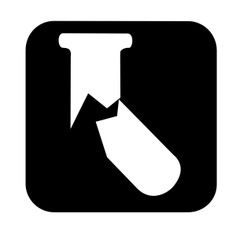
16.
What does this symbol represent?
a)
Wear goggles
b)
Slip hazard
c)
Broken glass
d)
Corrosive chemicals
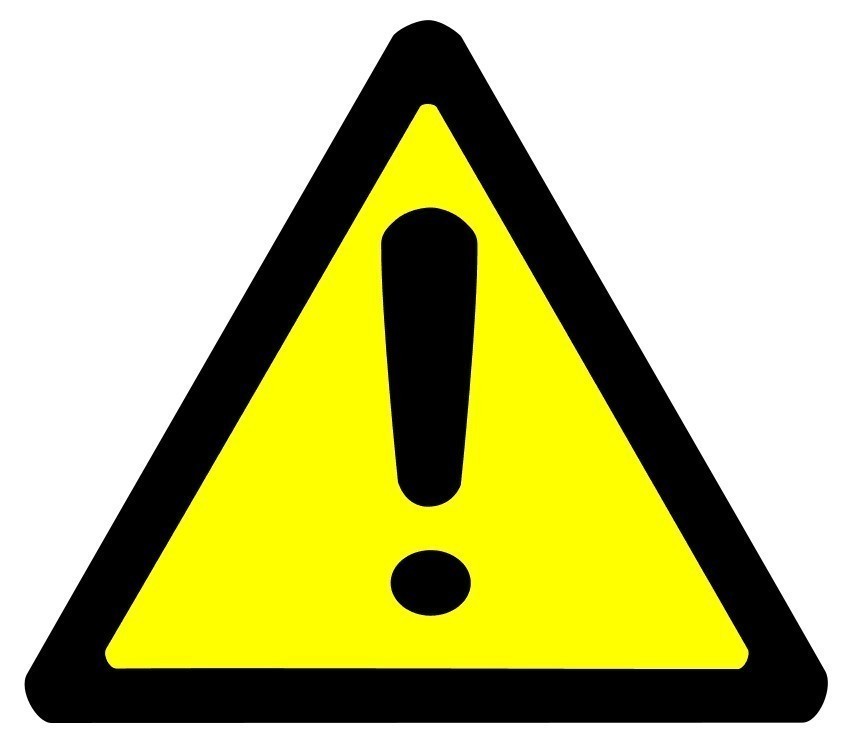
17.
What does the symbol represent?
a)
Yell during lab
b)
Throw a tantrum when you make a mess
c)
General hazard warning
d)
Slip hazard
18.
What does this symbol represent?
a)
Don't forget your scissors.
b)
Be careful while using sharp objects.
c)
No scissors in lab.
d)
Electrical hazard.
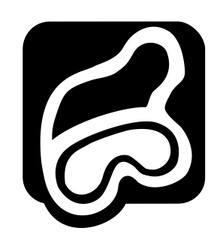
19.
What does this symbol represent?
a)
Time to go skiing.
b)
Wear goggles.
c)
Wear sunglasses outside.
d)
Rubber band hazard.
20.

What is used to measure, heat, and mix large amounts of liquids?

a)

Beaker

b)

Flask

c)

Test Tube

d)

Graduated Cylinder

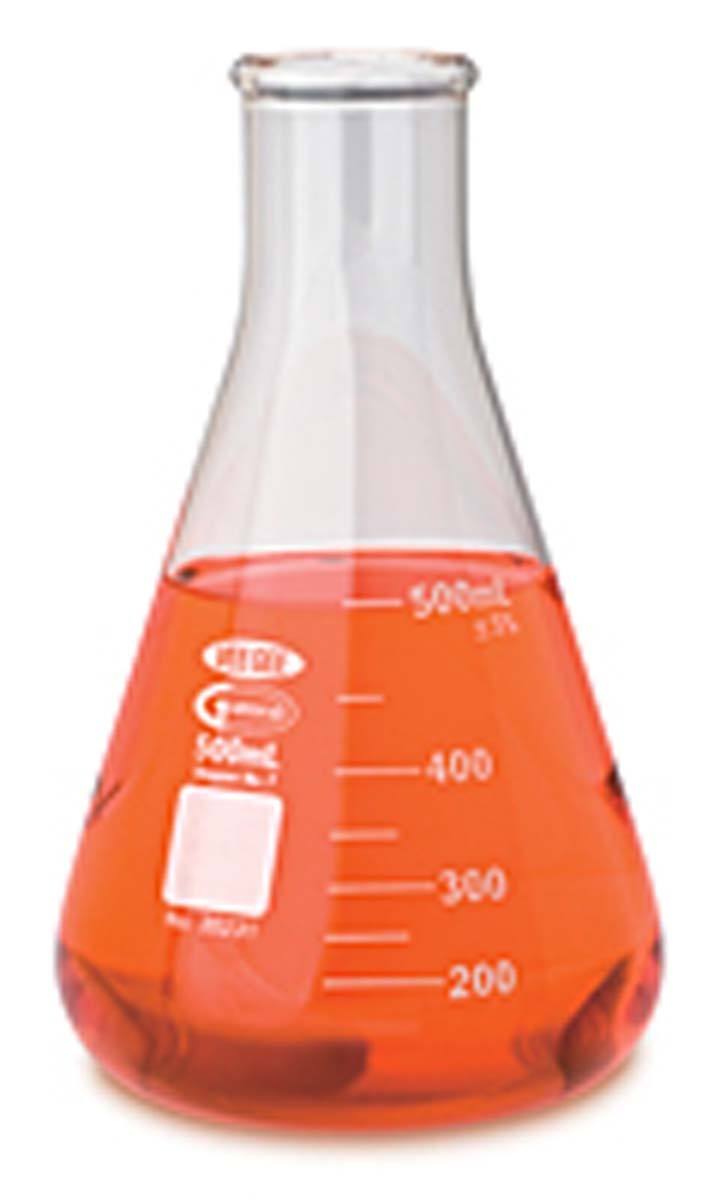
21.

What is used to swirl, mix, or store chemicals?

a)

Beaker

b)

Flask

c)

Test Tube

d)

Graduated Cylinder

22.
What is used to protect your eyes from chemicals, broken glass, and fire?
a)
Fire blanket
b)
Eye wash
c)
Goggles
d)
Flask
23.
What is used to measure mass of an object in grams?
a)
Triple beam balance
b)
Test tube rack
c)
Meter stick
d)
Graduated Cylinder
24.
What is used to hold test tubes?
a)
Test tube rack
b)
Magnifying glass
c)
Petri dish
d)
Funnel
25.

What is used to measure the volume of liquids?

a)

Flask

b)

Beaker

c)

Graduated Cylinder

d)

Pipette

26.

What is used to measure temperature?

a)

Triple Beam Balance

b)

Graduated Cylinder

c)

Stopwatch

d)

Thermometer

27.
You are heating a substance in a test tube. Always point the open end of the tube 
a)
away from all people
b)
toward another classmate
c)
toward your lab partner
d)
toward yourself
28.
You have been injured in the laboratory (cut, burn, etc.). First you should
a)
apply first aid yourself
b)
tell the science instructor at once
c)
see a doctor after school
d)
visit the school nurse after class
29.
Long hair in the laboratory must be 
a)
tied back or kept entirely out of the way with a hair band, hairpins, or other confining device
b)
always neatly groomed
c)
held away from the experiment with one hand
d)
cut short
30.
In a laboratory, the following should not be worn. 
a)
all of the answers
b)
dangling jewelry
c)
sandals
d)
loose clothing
31.
 The following footwear is best in the laboratory. 
a)
shoes appropriate for the weather
b)
open-toed shoes
c)
closed-toed shoes
d)
sandals
32.
 Horseplay or practical jokes in the laboratory are 
a)
okay if you are working alone
b)
not dangerous
c)
okay
d)
always against the rules
33.
When you finish working with chemicals, biological specimens, and other lab substances, always 
a)
wipe your hands on your clothes
b)
wipe your hands on a towel
c)
wash your hands thoroughly with soap and water
d)
treat your hands with skin lotion
34.
Laboratory work can be started immediately upon entering the laboratory even if the instructor is not yet present
a)
True
b)
False
35.
Never remove chemicals or other equipment from the laboratory.
a)
True
b)
False
36.
Work areas should be kept clean and tidy
a)
True
b)
False
37.
All unauthorized experiments are prohibited.
a)
True
b)
False
38.
When using razor blades, scalpels, or scissors, NEVER cut
a)
on a 90° angle
b)
away from you
c)
toward you 
d)
a dead frog
39.
When using a flame
a)
don’t leave it unattended
b)
reach over it
c)
wear loose and baggy clothing
d)
all of the above 
40.

When smelling an odor from a chemical during an investigation, you should

a)

Take a big whiff.

b)

Dab some on your wrist before smelling it.

c)

Waft.

d)

Blow your nose first.

41.

What should be used if large amounts of chemicals are spilled onto the skin?

a)

Fire blanket

b)

Safety shower

c)

Wafting

d)

Fire extinguisher

42.

Which of the following is NOT something you would want to do after completing an experiment?

a)

Make sure all water faucets and appliances are turned off.

b)

Dispose of trash, chemicals, and broken glassware in the appropriate containers.

c)

Review the experiment to find safety concerns you should know about.

d)

Wash your hands with soap.

e)

Clean up the lab area and return all equipment to its proper place.

43.

During a lab, leave your bookbags and belongings close to your work area so you may get what you need quickly.

a)

True

b)

False

44.

What happens to hot glass when it is placed in ice cold water?

a)

The ice in the water melts.

b)

It shatters or breaks.

c)

It vaporizes.

d)

It freezes.

e)

It makes great sweet tea.

45.

What do you use put out your partner's hair fire?

a)

eye wash

b)

safety shower

c)

fire blanket

d)

fire extinguisher

e)

prayer

46.

How should you carry a sharp object?

a)

holding the sharp end, in your hand

b)

pointing the sharp end out

c)

throw it

47.

When you see the symbol, it means to bring marshmallows.

a)

True

b)

False