
NEW
Font size
S
M
L
XL
 Worksheets
Symbiotic Relationships
Total questions: 67
Worksheet time: 1hrs 2mins
Name
Class
Date
1.

Cattle egrets forage (feed) in fields among cattle. The egret gets easy access to flying insects stirred up by the cattle, and the cattle don't care if they are there or not.
a)
mutualism
b)
commensalism
c)
competition
d)
parasitism
2.
A frog eats a fly. The frog and fly are demonstrating ________.
a)
mutualism
b)
competition
c)
predator/prey
d)
parasitism
3.
A relationship between two organisms in which one organism benefits and the other is unharmed...
a)
Mutualism
b)
Competition
c)
Parasitsm
d)
Commensalism
4.
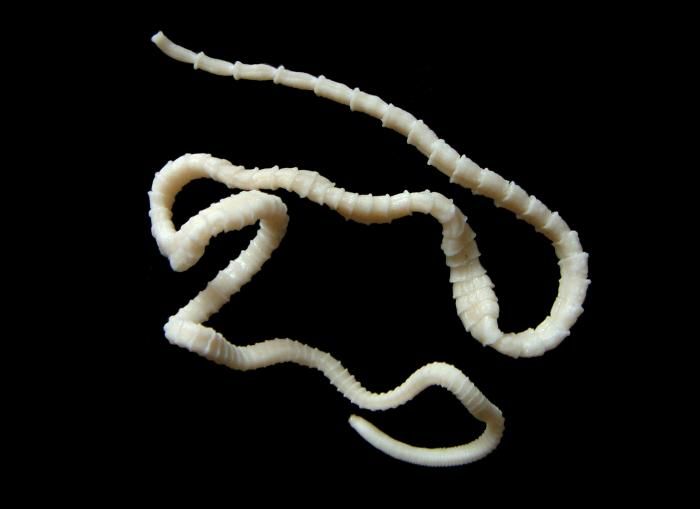
A tapeworm and a cat have this type of relationship.
a)
mutualism
b)
parasitism
c)
commensalism
d)
competition
5.
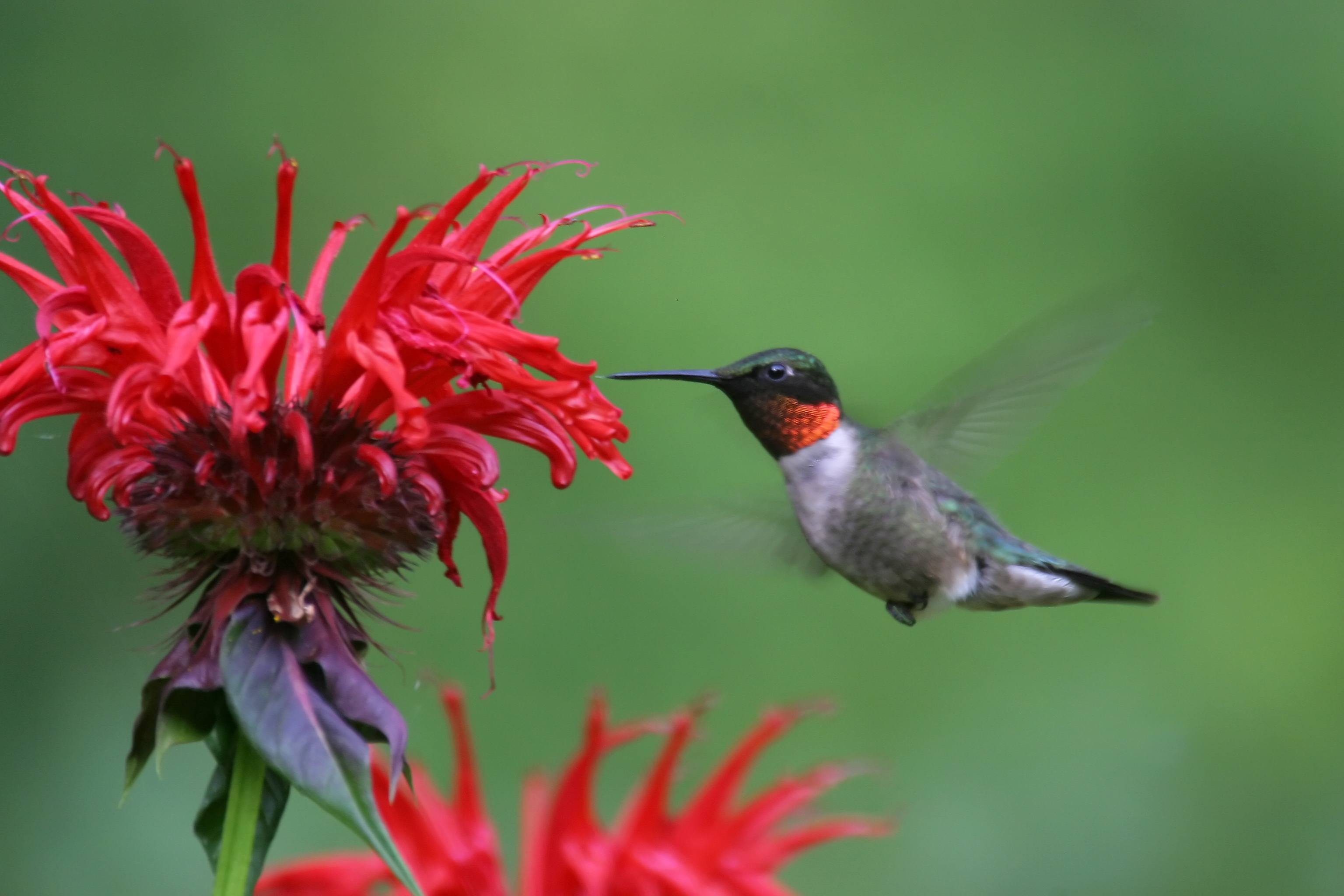
What type of symbiosis? Hummingbirds feed on nectar from flowers. The flowers are pollinated by hummingbirds as they move from flower to flower.
a)
commensalism
b)
mutualism
c)
parasitism
d)
predation
6.
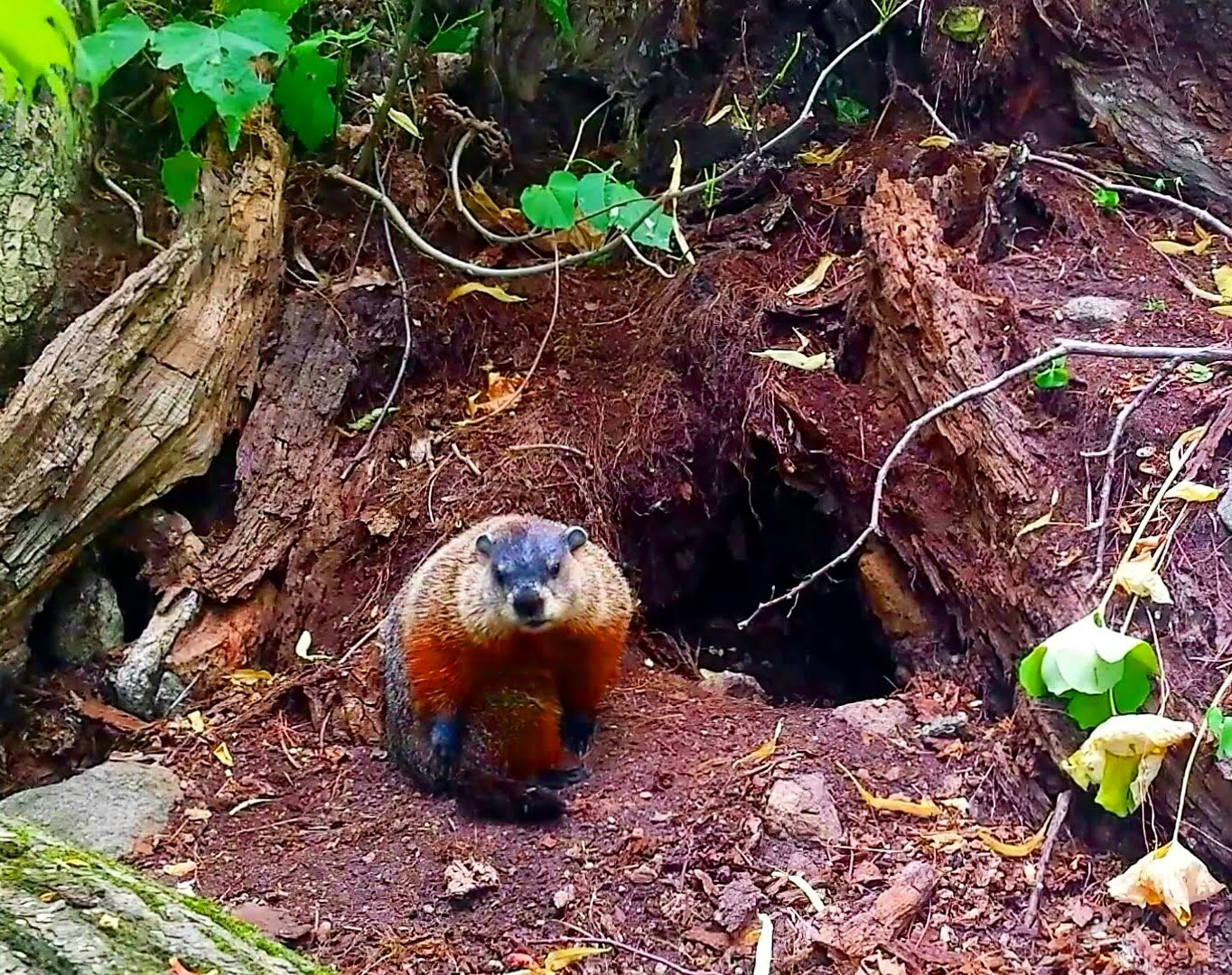
What type of symbiosis? Skunks often live in burrows that have been dug and abandoned by woodchucks.
a)
commensalism
b)
mutualism
c)
parasitism
d)
predation
7.
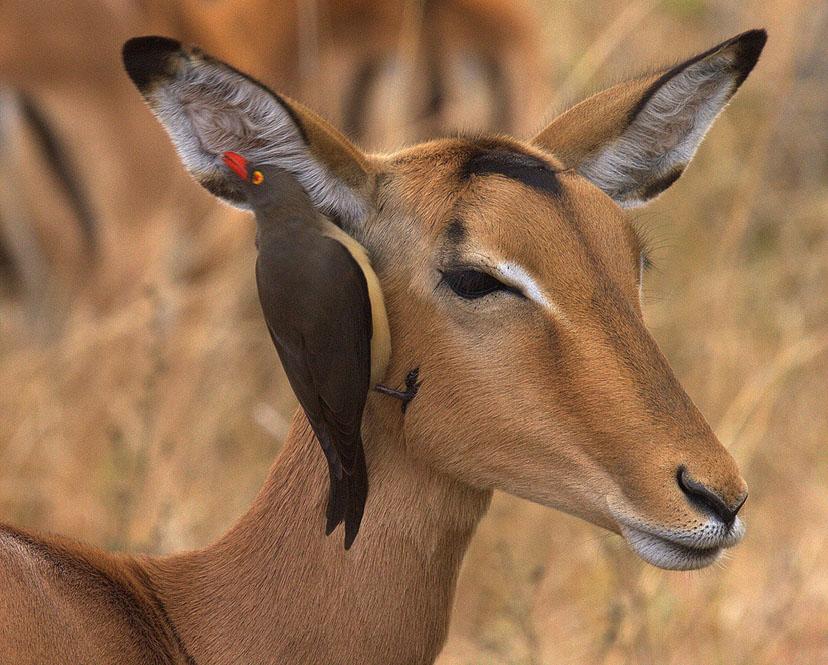
Red-billed oxpeckers are birds that often feed on parasites that infest impala. This is an example of _______.
a)
commensalism
b)
mutualism
c)
neutralism
d)
competition
8.
A relationship between two organisms in which both organisms benefit.
a)
Mutualism
b)
Competition
c)
Parasitsm
d)
Commensalism
9.

Aphids are tiny insects that live on and eat the leaves of plants, removing vital nutrients from the plants.
a)
Predation
b)
Parasitism
c)
Commensalism
d)
Mutualism
10.
Barnacles create home sites by attaching themselves to whales. This neither harms nor benefits the whales. What kind of relationship is this?
a)
Mutualism
b)
Parasitism
c)
Commensalism
11.
Honey guide birds alert and direct badgers to bee hives. The badgers then expose the hives and feed on the honey first. Then the honey guide birds eat.
a)
mutualism
b)
commensalism
c)
predation
d)
competition
12.
The stork uses its saw-like bill to cut up the dead animals it eats. As a result, the dead animal carcass is accessible to some bees for food and egg laying.
a)
Commensalism
b)
Mutualism
c)
Parasitism
d)
Predation
13.
Two male Giraffes are fighting over the last green leaf of a tree that is dying.
a)
Competition
b)
Mutualsim
c)
Predation
d)
Commensalism
14.
A tick and a dog have this type of relationship.
a)
mutualism
b)
commensalism
c)
neutralism
d)
parasitism
15.
A tapeworm and a cat have this type of relationship.
a)
mutualism
b)
parasitism
c)
commensalism
d)
competition
16.
Cattle egrets are birds that forage in fields among cattle. The egrets get easy access to food and the cattle don't care if they are there or not.
a)
mutualism
b)
commensalism
c)
competition
d)
parasitism
17.
Red-billed oxpeckers are birds that feed on parasites found on an impala. The impala gets rid of parasites and the red-billed oxpeckers get a yummy dinner. This is an example of _______.
a)
commensalism
b)
mutualism
c)
neutralism
d)
competition
18.
A relationship between two organisms in which one organism benefits and the other is unharmed
a)
Mutualism
b)
Competition
c)
Parasitsm
d)
Commensalism
19.
A relationship between two organisms in which both organisms benefit.
a)
Mutualism
b)
Competition
c)
Parasitsm
d)
Commensalism
20.
Barnacles create home sites by attaching themselves to whales. This neither harms nor benefits the whales.
a)
Mutualsim
b)
Parasitism
c)
Commensalism
21.
Mistletoe extracts water and nutrients from the spruce tree to the tree's detriment (harm).
a)
Mutualsim
b)
Parasitism
c)
Commensalism
22.
Yucca flowers are pollinated by yucca moths. The moths lay their eggs in the flowers where the larvae hatch and eat some of the developing seeds. Both species benefit.
a)
Mutualism
b)
Parasitism
c)
Commensalism
23.
A wrasse fish feeds on the parasites found on the black sea bass's body. Both species benefit.
a)
Mutualism
b)
Parasitism
c)
Commensalism
24.
Silverfish live and hunt with army ants. They share the prey. They neither help nor harm the ants.
a)
Mutualism
b)
Parasitism
c)
Commensalism
25.
An organism that is eaten by another organism
a)
pray
b)
prey
c)
predator
d)
hamburger
26.
A relationship between two species where one benefits while the other is harmed.
a)
Mutualism
b)
Commensalism
c)
Parasitism
d)
Naturalism
27.
A tapeworm and a cat have this type of relationship.
a)
mutualism
b)
parasitism
c)
commensalism
d)
competition
28.
A frog eats a fly. The frog and fly are demonstrating ________.
a)
mutualism
b)
competition
c)
predator/prey
d)
parasitism
29.
A tick and a dog have this type of relationship.
a)
mutualism
b)
commensalism
c)
neutralism
d)
parasitism
30.
A relationship between two organisms in which one organism benefits and the other is unharmed
a)
Mutualism
b)
Competition
c)
Parasitsm
d)
Commensalism
31.
A relationship between two organisms in which both organisms benefit.
a)
Mutualism
b)
Competition
c)
Parasitsm
d)
Commensalism
32.
Barnacles create home sites by attaching themselves to whales. This neither harms nor benefits the whales. What kind of relationship is this?
a)
Mutualism
b)
Parasitism
c)
Commensalism
33.
An organism that eats other organisms
a)
producer
b)
omnivore
c)
prey
d)
predator
34.
Yucca flowers are pollinated by yucca moths. The moths lay their eggs in the flowers where the larvae hatch and eat some of the developing seeds.
a)
Mutualism
b)
Commensalism
c)
Parasitism
d)
Competition
35.
Ostriches and Gazelles feed next to each other. They both watch for predators and alert each other to danger. Since the visual abilities of the two species are different, they can each identify threats the other animal would not as readily see.
a)
Parasitism
b)
Commensalism
c)
Mutualism
d)
Competition.
36.
Mistletoe extracts water and nutrients from the spruce tree to the trees detriment.
a)
Parasitism
b)
Mutualism
c)
Commensalism
d)
Predation
37.
Two male Giraffes are fighting over the last green leaf of a tree that is dying.
a)
Competition
b)
Mutualsim
c)
Predation
d)
Commensalism
38.
Two male elephants are fighting over a cute little elephant at the watering hole.
a)
Commensalism
b)
Competition
c)
Predation
d)
Mutualism
39.
True or false: symbiosis is interaction between two different organisms living in close physical association
a)
True
b)
False
40.
A symbiotic relationship that involves species having to fight for something they both need or want
a)
competition
b)
predation
c)
commensalism
d)
parasitism
41.
In parasitism
a)
Both species benefit
b)
One species is harmed
c)
Species fight for something
d)
One species is unaffected
42.
In competition
a)
One species is killed
b)
both species benefit
c)
Both species fight for something
d)
One species is harmed
43.
In mutualism
a)
both species benefit
b)
one species is killed
c)
both species fight for something
d)
one species is unaffected
44.
In commensalism
a)
Both species fight for something
b)
Both species benefit
c)
One species is killed
d)
One species is unaffected
45.
Lion and Zebra - The lion hunts and kills the zebra for its food.
a)
Predation
b)
Mutualism
c)
Commensalism
d)
Parasitism
46.
Bear and Salmon - The bear catches salmon in the river and eats it for food.
a)
Predation
b)
Mutualism
c)
Commensalism
d)
Parasitism
47.
Bear and Berries - The bear forages through the forest and finds berries for food.
a)
Predation
b)
Mutualism
c)
Commensalism
d)
Parasitism
48.
Grasshopper and Leaf - A grasshopper lands on a plant and eats its leaves for food.
a)
Predation
b)
Mutualism
c)
Commensalism
d)
Parasitism
49.
Mistletoe and Oak Tree - Mistletoe extracts water and nutrients from the oak tree, causing harm to the oak tree.
a)
Predation
b)
Mutualism
c)
Commensalism
d)
Parasitism
50.
Deer and Tick - Ticks feed on deer blood, causing irritation to the deer and potentially giving it various diseases such as lyme disease.
a)
Predation
b)
Mutualism
c)
Commensalism
d)
Parasitism
51.
Black Wasp and Aphids - Black wasps plant eggs in phids. the larvae eat the aphids from the inside.
a)
Predation
b)
Mutualism
c)
Commensalism
d)
Parasitism
52.
Fleas live on the cat's body and eat it's blood. They cause irritation to the cat and may transmit disease to the cat.
a)
Predation
b)
Mutualism
c)
Commensalism
d)
Parasitism
53.
Hermit Crabs and Snails - Hermit crabs live in shells made and then abandoned by snails.
a)
Predation
b)
Mutualism
c)
Commensalism
d)
Parasitism
54.
Bison and Cowbird - As bison walk through the grass, insects become active and are see n and eaten by the cowbird.
a)
Predation
b)
Mutualism
c)
Commensalism
d)
Parasitism
55.
Whales and Barnacles -Barnacles create home sites by attaching themselves to whales.
a)
Predation
b)
Mutualism
c)
Commensalism
d)
Parasitism
56.
Yucca Plant and Yucca Moth - Yucca flowers are pollinated by yucca moths. The moths lay their eggs in the flowers where the larvae hatch and eat some of the devel oping seeds.
a)
Predation
b)
Mutualism
c)
Commensalism
d)
Parasitism
57.
Otters and Kelp - Otters float and sleep on the forests of kelp in the water. The kelp p rovides them a place to anchor in the moving water. The otters eat sea urchins, which normally feed on the kelp.
a)
Predation
b)
Mutualism
c)
Commensalism
d)
Parasitism
58.
In a mutual relationship, both organisms are ________________.
a)
hurt
b)
not effected
c)
harmed
d)
benefiting
59.
In a parasitic relationship, one organism is ___________ and one organism is benefiting.
a)
helped
b)
harmed
c)
not effected
d)
happy
60.

1. A bee and a flower work together to benefit each other. This is an example of _________________. The bee helps the flower by pollinating it and the flower helps the bee by providing it with nectar.
a)
commensal relationship
b)
parasitic relationship
c)
mutual relationship
61.

A clown fish and a sea anemone are in a close relationship. The sea anemone provides shelter and protection for the clown fish. However, the sea anemone is not harmed. This is an example of ______________________.
a)
commensalism
b)
parasitic relationship
c)
mutualism
62.

A tapir and a song bird work together to help each other find food. The tapir follows the sound of the song bird to the tree filled with sap. The tapir has sharp claws and is able to rip open the section of the tree that contains the sap. Without the tapir, the bird would not be able to access the sap for food. This is an example of a _________________ relationship.
a)
mutual
b)
commensal
c)
parasitic
63.

Mrs. Bush’s cat has fleas. A flea is a parasite that gets its energy from Dante’s blood. How are the flea and the cat affected in this relationship?
a)
Both organisms are helped.
b)
Both organisms are not affected.
c)
One organism is helped and one organism is not effected.
d)
One organism is helped and another organism is harmed.
64.
Which is an example of commensalism?
a)
Two different kinds of organisms harming each other.
b)
Two different kinds of organisms are neither helping nor harming each other.
c)
One kind of organism is being helped, but the other one is not harmed or helped.
d)
One kind of organism is being helped, but the other is harmed.
65.

Lichens are made of fungi and algae that benefit from growing together. Which of these best describes this relationship?
a)
parasitic
b)
commensal
c)
competetive
d)
mutual
66.

Mrs. Bush was driving and accidentally hit a squirrel. A vulture noticed this and swooped down to eat the dead squirrel. The vulture is an example of a _______.
a)
producer
b)
scavenger
c)
parasite
d)
decomposer
67.

Tapeworms live in the intestines of dogs and absorb nutrients from food the dog eats. Which best describes the outcome of this relationship?
a)
The dog and tapeworm both become ill.
b)
The dog becomes ill, and the tapeworm benefits.
c)
The tapeworm and dog helpe ach other survive.
d)
The tapeworm helps the dog survive.
Reset

