
 Worksheets
Y8 Microbes and Classification
Total questions: 65
Worksheet time: 2hrs 37mins
Which of the following is not a type of microbe?
bacteria
fungi
mosquito
virus
Microbes that cause diseases are called __________ .
parasite
pathogens
host
preservatives
Which of the following is not correct?
Bacteria help in the production of yoghurt and cheese, buttermilk
Fungi help in the making of bread
Microbes help in preventing air pollution.
Microbes help in the making of compost

Microorganisms can be found:
in the ocean, inside and outside your body
in medicine and your food
on plants and animals
All of the these
Name the four types of microbes.
pizza, burgers, tacos, and fries
bacteria, viruses, fungi, protists
bacteria, viruses, a fun guy, prototype
germs, bacteria, antibiotics, protists


Which type of microbe sometimes lives and grows a bit like plants and can cause athlete’s foot?
Protozoa
Virus
Fungi
Bacteria

Which microbe is the image most likely to be?
Bacteria
Fungus
Virus
None of these
What are vaccines mainly made up of?
Alive Pathogens
semi alive pathogens
Dead OR weak forms of the pathogen
Dangerous substances
Arrange microbes in size from smallest to largest...
fungi, bacteria, viruses
viruses, bacteria, fungi
fungi, viruses, bacteria
bacteria, fungi, viruses
Which microbe is nonliving?
virus
bacteria
fungi
parasite
Which microscopic organism can be treated successfully with antibiotics?
virus
bacteria
fungi
parasite
Which are examples of fungi?
mould
yeast
mushrooms
all of these

Who is the closest relative to the sharks?
crocodiles
rodents
ray-finned fish
birds


To which phylum do crabs and spiders belong?
Echinoderms
Arthropods
Cnidarians
Molluscs

To which phylum do birds and cats belong?
Arthropods
Vertebrates
Echinoderms
Cnidarians
Most fish have _________________ to protect their bodies.
hair
scales
feathers
skin
Which of the following is an example of a vertebrate animal?
fly
worm
bird
starfish
Which of the following statements is true of reptiles?
They are cold-blooded.
They have gills.
Their babies drink their mother's milk.
They spend part of their lives in the water and part of their lives on land.
Invertebrates do NOT have a
brain.
heart.
stomach.
backbone.
Sophie keeps seeing a small animal in her backyard. She observed the animal has a backbone, four legs and a long tail, and its body is covered with scales. What is the classification for this animal?
bird
mammal
reptile
amphibian
Which group of vertebrates possesses gills, two sets of paired fins, and is generally adapted to living in water?
fish
reptiles
mammals
amphibians
Animals that are warm blooded, have body hair, and produce milk for their young are grouped into which of the following classes?
amphibians
mammal
birds
reptiles
What type of animal is a whale?
amphibian
fish
mammal
reptile

The picture shows a unique animal called a pangolin. The pangolin has scales, is warm-blooded, gives live birth and nurses its young. What group of animals is the pangolin mostlike?
reptiles, except it has scales
mammals, except it has scales
birds, because it nurses its young
amphibians, because they are warm-blooded

The platypus has hair and makes milk for its young. To which group of animals does the platypus belong?
amphibians
birds
mammals
reptiles
Which animal gives birth the same way as a dog?
Dolphin
Gold fish
Dove
Lizard
How are sharks and dolphins similar and different?
Similar: they have fins
Different: sharks are fish and dolphins are mammals
Similar: they both lay eggs
Different: Dolphins are fish and sharks are mammals
Similar: they both are fish
Different: Sharks eat dolphins and dolphins eat plants
Similar: they both have a blow holes
Different: sharks lay eggs and dolphins give live birth

Members of this kingdom never have a cell wall
Animals
Plants
Archaebacteria
Protists


Changes in inherited characteristics can cause a species to change into a new one. This change over time is called?
Graduation
Selective Breeding
Revolution
Evolution

One female salmon can lay hundreds of eggs. Why doesn't the salmon population increase dramatically?
Salmon reproduce asexually
Most offspring do not grow up to reproduce
Salmon eggs don't hatch
Salmon are extinct

What is the definition of natural selection?
The process in which genes are chosen by humans such as farmers and ranchers
The process in which organisms are selected to reproduce by environmental pressures such as climate, available food, predators and habitat.
If an organism changes during their life in order to adapt to its environment, those changes are passed on to its offspring.
The process in which genes are chosen by scientist and academics.
what is the correct order for taxonomy groups
kingdom, phylum, class, order, family, genus, species
kingdom, class, family, phylum, order, species, genus
kingdom, species, genus, family, order, class, phylum
kingdom, phylum, order, class, family, species, genus
Smallpox used to be a problem. How did Dr. Jenner solve this problem?
Dr. Jenner gave children mild versions of smallpox to prevent them from getting the bade version.
Dr. Jenner talked to doctors that innoculated people against smallpox by giving them mild versions of the disease.
Dr. Jenner studied the writings of Egyptian pharaohs who had caught smallpox.
Dr. Jenner came up with the idea of giving people cowpox to protect them from smallpox.
What does the word 'vacca' mean?
cow
pig
sheep
duck


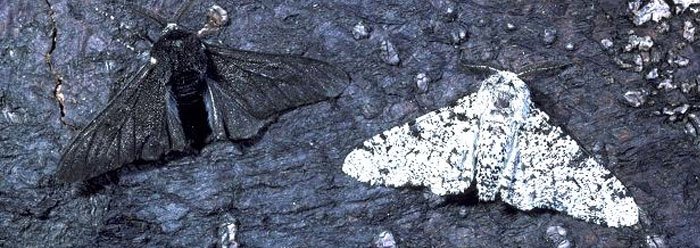
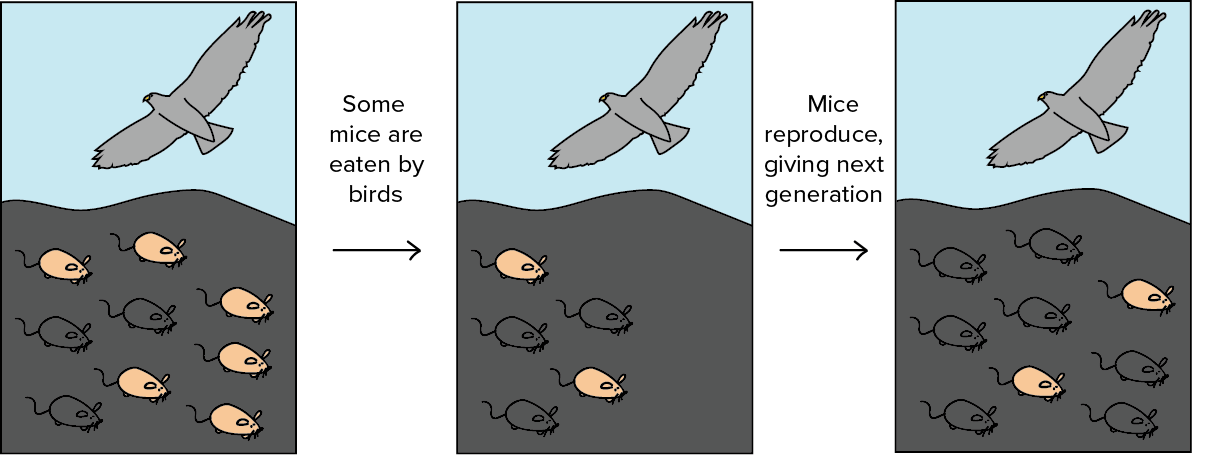
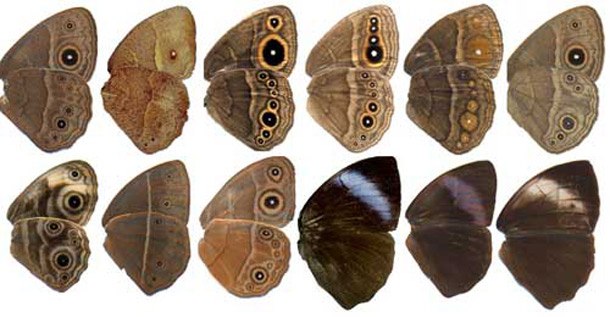

Who was the Scientist most famous for his study of natural selection and evolution?
Theodor Schwann
Robert Hooke
Charles Darwin
Rudolf Virchow

