
 Worksheets
G7 U1 Test Review
Total questions: 59
Worksheet time: 1hrs 7mins
Name
Class
Date
1.

How many total people took the survey?
a)
50
b)
150
c)
100
d)
200
2.

What was the total amount of candy sold during the school year shown in the graph?
a)
43
b)
35.5
c)
23
d)
27.5
3.

What was the difference between Hannah's rehearsal time on Monday and Tuesday?
a)
0
b)
50
c)
30
d)
80
4.

In which year did exactly 60 students have scholarships?
a)
2010
b)
2011
c)
2012
d)
2013
5.

In August, how many metric tons did Clark's Paper Mill and Tyler Paper Mill produce all together?
a)
10
b)
70
c)
80
d)
90
6.

Which country doubled the amount of aid their received between 1965 and 1975?
a)
Egypt
b)
Tunisia
c)
Pakistan
d)
None of them
7.

According to this data, how many days should seeds be stored in a freezer before planting for the best success?
a)
30
b)
60
c)
90
d)
120
8.

Which division had the largest group of people with three or more risk factors?
a)
I
b)
II
c)
III
9.

How many people added hot sauce to their food on Monday?
a)
40
b)
20
c)
70
d)
80
10.
A possible explanation to a problem that has not yet been tested.
a)
data
b)
theory
c)
hypothesis
d)
fact
11.
This variable in an experiment is the one being deliberately changed by the scientist.
a)
dependent variable
b)
independent variable
c)
data
d)
control group
12.
Should experiments be repeated over and over to see if the results are the same each time?
a)
yes
b)
no
13.
There are two types of data. Which type of data involves numbers that are obtained by counting or measuring?
a)
quantitative
b)
qualitative
14.
There are two types of data. Which type of data involves descriptions that cannot be counted or measured?
a)
qualitative
b)
quantitative
15.
A series of steps used by scientists to solve a problem or answer a question.
a)
scientific method
b)
recipe
c)
data collection
d)
metric system
16.
In a controlled experiment, how many variables can be worked with at a time?
a)
one
b)
none
c)
two or more
d)
how ever many makes sense.
17.
How does increasing the slope of a ramp affect how far a marble travels?
a)
independent
b)
dependent
18.
Sugar will dissolve faster in water, if we increase the temperature of the water.
a)
independent
b)
dependent
19.
Does deflating a ball affect a its ability to bounce?
a)
independent
b)
dependent
20.
Does decreasing the cost of shipping attract more buyers to a website?
a)
independent
b)
dependent
21.

Josie was performing an experiment where she grew the same kind of tomatoes in the same soil and amount of water. She sat one in the sun and one in a closet for 14 days. What is the independent variable in Josie's experiment?
a)
tomatoes
b)
soil
c)
sunlight
d)
water
22.
A student is planning an experiment to find out how the height from which he drops a ball affects how high the ball bounces. The dependent variable is the _____.
a)
Diameter of the ball
b)
Force acting on the ball
c)
Height that the ball bounces
d)
Height from which the ball is dropped
23.

This is the last step in the scientific method
a)
Draw a conclusion
b)
Record your data as results
c)
Share what you have learned with others
d)
Collaborate with others
24.
Testing a hypothesis often involves a(n):
a)
answer
b)
experiment
c)
problem
d)
safety check
25.
An experiment is performed on plants to see how different liquids affect plant growth. Each plant in the experiment is given a different liquid; water, apple juice, or milk. Each plant has the same amount of soil, sunlight, and listens to the same music. In this investigation, the independent variable is ...
a)
The type of plant
b)
The amount of sunlight
c)
The type of music
d)
The type of liquid
26.
If you increase the amount of spinach you eat, then you will increase the iron in your blood.
What's the dependent variable?
What's the dependent variable?
a)
increase the amount of iron in your blood
b)
spinach you eat
27.
If I ride my bike to school instead of walking, then I will get to school faster. What is the dependent variable?
a)
True
b)
How fast you get to school
c)
Riding a bike or walking
d)
False
28.
A measure of how much matter an object has is--
a)
weight
b)
gravity
c)
mass
d)
volume
29.
The weight of an object _________ as it moves away from the center of Earth.
a)
increases
b)
stays the same
c)
triples
d)
decreases
30.
The mass of an object ___________ as it moves away from the center of Earth
a)
stays the same
b)
decreases
c)
increases
d)
doubles
31.
On which celestial object would you weigh the most?
a)
Earth
b)
Jupiter
c)
Sun
d)
You would weigh the same on all celestial objects
32.
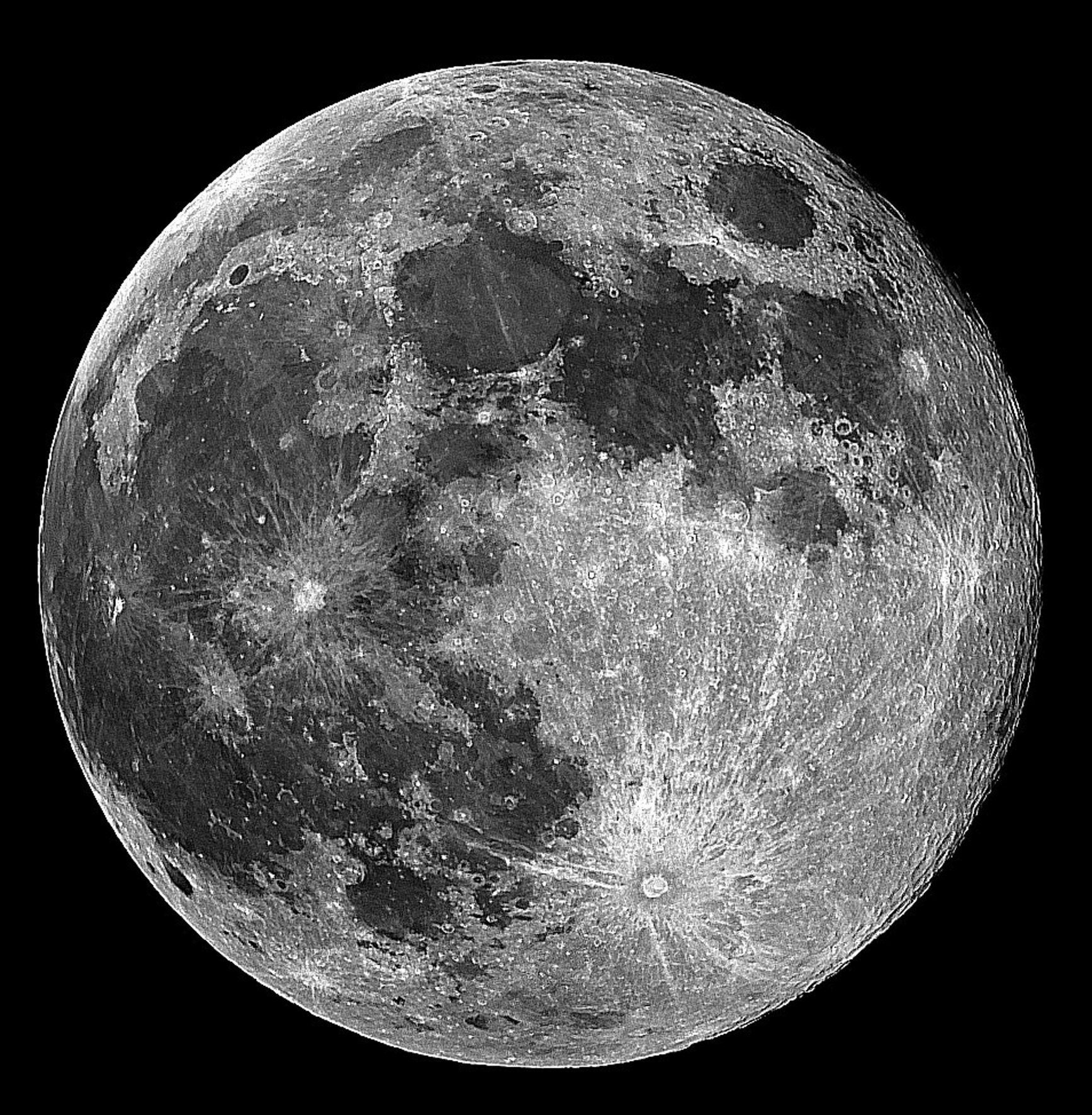
Why would you weigh less on the moon compared to Earth?
a)
less air
b)
less sunlight
c)
more gravitational pull
d)
less gravitational pull
33.
What is the definition of "weight"?
a)
measure of the force of gravity on your body
b)
the time it takes to get on a ride
c)
the amount of matter in an object
d)
the size of an object
34.
How many Meters are in a kilometer
a)
1 meter
b)
10 meters
c)
100 meters
d)
1,000 meters
35.
Which metric unit would be used to measure the weight of a peanut?
a)
kilogram
b)
gram
c)
ounce
d)
millilter
36.
ALL metric units end in...
a)
inches or feet
b)
liters, meters or grams
c)
meters
d)
milligrams
37.
The abbreviation for gram is...
a)
G
b)
gg
c)
g
38.
Deca- means
a)
10
b)
100
c)
1/10
d)
1/100
39.
Hecto- means
a)
1000
b)
100
c)
1/100
d)
1/1000
40.
Kilo- means
a)
1000
b)
100
c)
10
d)
1/1000
41.
Milli- means
a)
0.001
b)
0.01
c)
1000
d)
1/10
42.
Freezing point is...
a)
32 degrees Fahrenheit
b)
0 degrees celsius
c)
all of the above
43.
Boiling Point is...
a)
212 degrees Fahrenheit
b)
100 degrees Celsius
c)
Both
44.
what is the latin prefix for eater
a)
pod
b)
phage
c)
exo
d)
stasis
45.
What is the definition for Hetero?
a)
same
b)
self
c)
different
d)
inside
46.
What's the meaning of the Latin prefix "anti"?
a)
With
b)
Against
c)
Self
d)
Jointed
47.
What is the definition of gastrology?
a)
the study of multiple things
b)
the study of the universe
c)
the study of stomachs
d)
the study of your body
48.
What does hetero mean?
a)
man
b)
different
c)
tennis
d)
toilet paper
49.
Convert 17 m to cm:
a)
0.17 cm
b)
0.017 cm
c)
1,700 cm
d)
170 cm
50.
Convert from meters to cm: 9 meters
a)
900 cm
b)
90 cm
c)
0.9 cm
d)
0.09 cm
51.
Convert 300 meters to centimeters:
a)
3000 cm
b)
0.3 cm
c)
30,000 cm
d)
3 cn
52.
Convert 8 kilometers to meters
a)
800 m
b)
80,000 m
c)
8,000 m
d)
.008 m
53.
Convert 5 cm to mm:
a)
5,000mm
b)
0.5 mm
c)
0.05 mm
d)
50 mm
54.
1000 grams = _____ kilograms
a)
0.0001
b)
1,000,000
c)
10
d)
1
55.
5,000 mg = ____ g
a)
50
b)
5
c)
500
d)
5,000
56.
648 g = ____ mg
a)
6,480
b)
64,800
c)
648,000
d)
64.8
57.
1 L = _______ mL
a)
1
b)
10
c)
100
d)
1000
58.
42 L = ___mL
a)
4,200
b)
.0042
c)
4.20
d)
42,000
59.
330 cm = ___________ m
a)
3,300
b)
33
c)
3.3
d)
0.33
100 %

