
 Worksheets
Ecology Unit Test Review
Total questions: 100
Worksheet time: 1hrs 12mins
Name
Class
Date
1.
What is the original source of almost all energy in most ecosystems?
a)
carbohydrates
b)
sunlight
c)
water
d)
carbon
2.

which symbiosis is this
a)
parasitism
b)
mutualism
c)
commensalism
d)
nonalism
3.

symbiotic relationship in which both organisms benefit
a)
competition
b)
Mutualism
c)
nitrogen fixation
d)
energy pyramid
4.

A living relationship between two species in which one organism is harmed is called...
a)
mutualism
b)
commensalism
c)
parasitism
d)
niche
5.

The image provided is an example of a(n):
a)
Carnivore
b)
Herbivore
c)
Producer
d)
Autotroph
6.

The image provided is an example of a(n):
a)
Producer
b)
Autotroph
c)
Consumer
d)
Insect
7.
An illustration that uses arrows to show the many possible directions in which matter and energy can pass through the organisms in an ecosystem.
a)
Food chain
b)
Food web
c)
Energy Pyramid
d)
Succession Map
8.
The nonliving aspects of an ecosystem.
a)
Abiotic factors
b)
Biotic factors
9.
The living portions of the ecosystem.
a)
Biotic factors
b)
Abiotic factors
10.
Water temperature would be an example of ...
a)
A biotic factor
b)
An abiotic factor
11.
A collection of organisms that belong to different populations but all live in the same area and interact with one another.
a)
Population
b)
Ecosystem
c)
Community
d)
Ecosphere
12.
A place where an organism lives.
a)
Terrain
b)
Habitat
c)
Community
d)
Population
13.
A collection of organisms that make up a community as well as all of the nonliving aspects of the environment.
a)
Population
b)
Community
c)
Habitat
d)
Ecosystem
14.
Organisms that can capture energy from inorganic, nonliving sources.
a)
Producers
b)
Consumers
c)
Detritivores
d)
Carnivores
15.
The general name for organisms like animals and fungi that get their energy from eating other organisms.
a)
Producers
b)
Consumers
c)
Detritivores
d)
Carnivores
16.
True or False: It is possible for a carnivore to be a producer.
a)
False
b)
True
17.

All of the living and nonliving things in an area that interact with each other are called a/an ______.
a)
community
b)
habitat
c)
population
d)
ecosystem
18.
The living part of an ecosystem
a)
Biotic
b)
Abiotic
c)
Mother Earth
d)
Flowers
19.

The study of how living things interact with one another and with their environment.
a)
Biology
b)
Lithology
c)
Ecology
d)
Farmacology
20.

Organisms that look similar and can produce fertile offspring
a)
Species
b)
Fish
c)
Community
d)
Trees
21.
Two or more members of a particular species living and interacting in the same area
a)
Community
b)
Population
c)
Organisms
d)
Biosphere
22.
Green plants are
a)
producers
b)
consumers
c)
herbivores
d)
omnivores
23.

symbiotic relationship in which one organisms benefits and the other organism is not affected
a)
invasive (non-native) species
b)
mutualism
c)
nitrogen fixation
d)
commensalism
24.
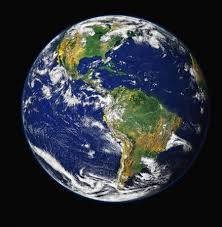
Whole living layer around the globe.
a)
Population
b)
Ecosystem
c)
Biome
d)
Biosphere
25.

Similar ecosystems on earth together.
a)
Ecosystem
b)
Biome
c)
Biosphere
d)
Population
26.

The maximum number of organisms that can survive in a particular ecosystem.
a)
carrying capacity
b)
birth rate
c)
limiting factor
d)
death rate
27.
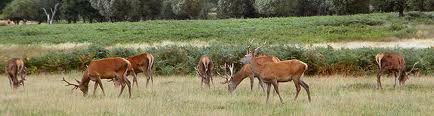
When the availability of food, water,space and shelter become less than what populations need.
a)
carrying capacity
b)
limiting factor
c)
exponential growth
d)
population density
28.

What can limit an area's carrying capacity?
a)
Lack of predators
b)
abundance of food
c)
disease
d)
all of the above
29.

Organisms require a certain amount of food, water, space, and shelter in order to survive and reproduce.
a)
True
b)
False
30.

If a disease destroying barley plants in a field swept through an ecosystem, what would happen to the barley eating bird population in the the field ?
a)
The bird population would stay the same
b)
The bird population would infinitely increase
c)
The bird population would decrease
31.

What is the carrying capacity of the graph?
a)
around 500
b)
more than 500
c)
less than 500
d)
around 600
32.

What are the abiotic factors in this image?
a)
water, sunlight, dirt, air
b)
birds and plants
c)
water, plants, and birds
33.

Which of the following best describes a community?
a)
sharks, groupers, anemones and shrimp on a coral reef
b)
decorator crabs on the seafloor
c)
loggerhead sea turtles in Atlantic
d)
prairie grassland in Wyoming
34.
Which is not an abiotic factor?
a)
sunlight
b)
oxygen
c)
temperature
d)
fungi
35.
What is a group of organisms that are physically similar and can mate with each other and produce offspring that can mate and reproduce?
a)
community
b)
ecosystem
c)
niche
d)
species
36.
Examples of a producer
a)
frog
b)
algae
c)
worm
d)
mouse
37.
Which one is NOT an example of a decomposer?
a)
mushroom
b)
leaves
c)
mold
d)
worm
38.
Example of a decomposer
a)
fungus
b)
mouse
c)
plants
d)
frogs
39.
A tree is a ....
a)
composer
b)
decomposer
c)
producer
40.

What is a producer?
a)
an organism that gets energy from eating other organisms
b)
an organisms that uses sunlight to make its own food
c)
an organism that gets energy from eating dead organisms, non-living material or waste
d)
an organism that uses chemical energy to make its own food
41.

What is a herbivore?
a)
an animal that gets energy from eating other animals
b)
an organism that gets energy from eating only plants
c)
an animal that gets energy by eating both plants and other animals
d)
an animal that eats only herbs
42.

What is a carnivore?
a)
an animal that gets energy by eating other animals
b)
An animal that gets energy by eating only plants
c)
an animal that gets energy by eating both plants and animals
d)
an animal that makes its own energy through photosynthesis
43.

An animal that gets energy from eating both plants and animals is a
a)
herbivore
b)
carnivore
c)
omnivore
d)
autotroph
44.

The shrew provides energy for the _______?
a)
cricket
b)
grasshopper
c)
frog
d)
snake
45.

Which of the following is a herbivore?
a)
cricket
b)
frog
c)
hawk
d)
shrew
46.

Where do all life forms get their energy?
a)
Earth's Core
b)
Water
c)
Plants
d)
The Sun
47.

What is this called?
a)
Food Web
b)
Food Chain
c)
Abiotic Factors
48.

What is this called?
a)
Food Web
b)
Food Chain
c)
Abiotic Factors
49.

Which best describes what a food chain shows you?
a)
Energy flow through an ecosystem
b)
Food flowing through an ecosystem
c)
Consumers going into other consumers
d)
Who eats who
50.
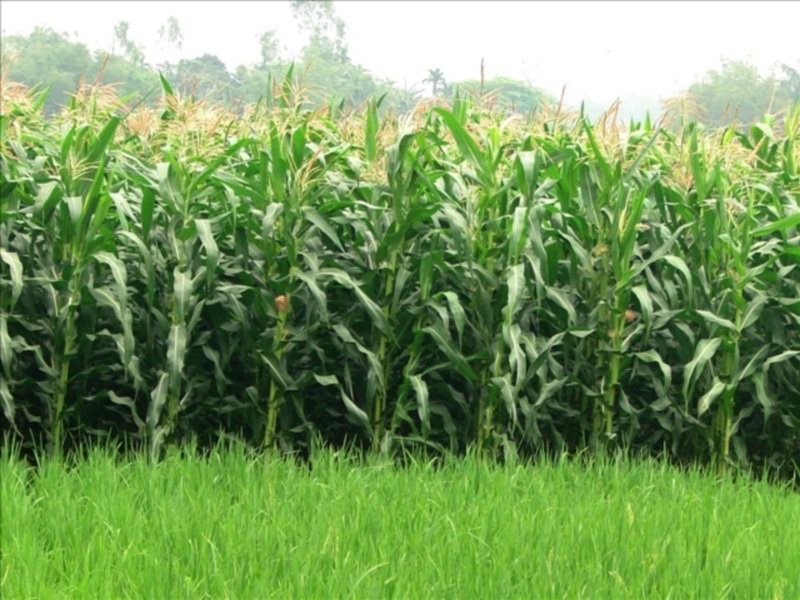
The image provided is an example of a:
a)
Producer
b)
Heterotroph
c)
Consumer
d)
Decomposer
51.
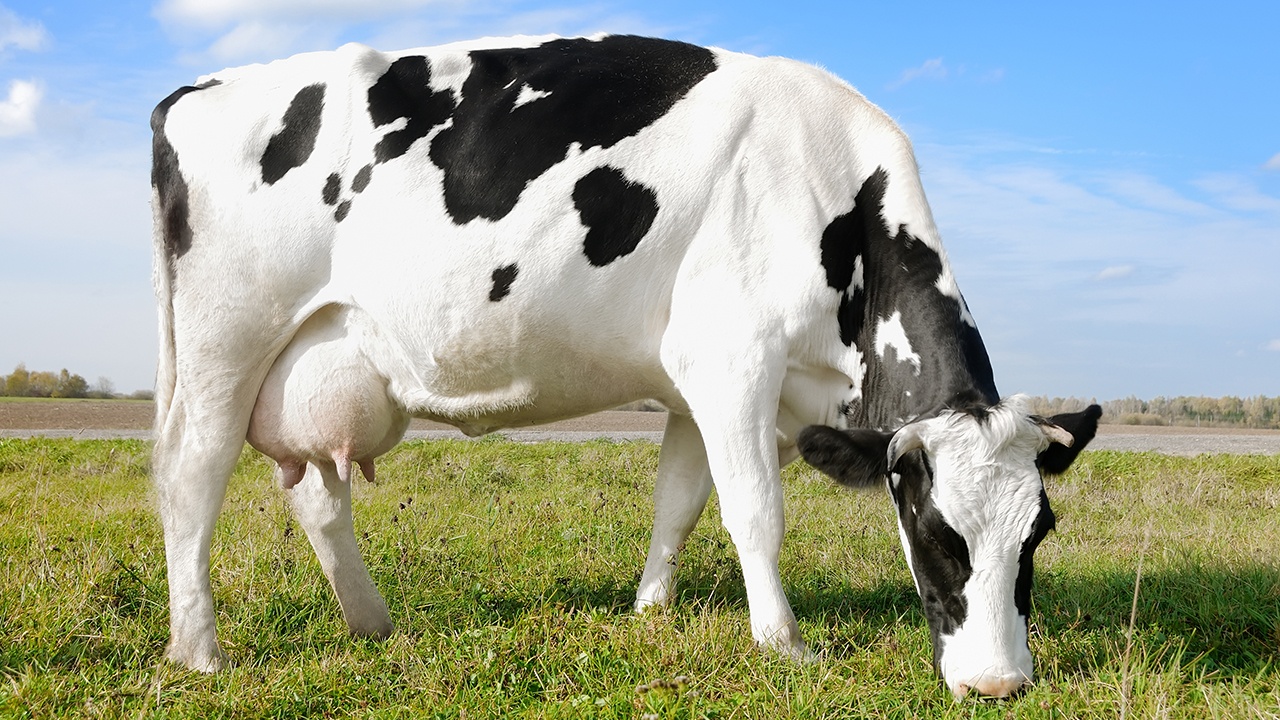
The image provided is an example of a(n):
a)
Autotroph
b)
Carnivore
c)
Herbivore
d)
Decomposer
52.
Which of the following is NOT a biotic factor?
a)
Bear
b)
Lizard
c)
Dragonfly
d)
Water
53.
All of the trout living in a lake make up a trout
a)
ecosystem
b)
niche
c)
population
d)
habitat
54.
The role of an organism in its habitat, or how it makes its living, is called its
a)
community
b)
niche
c)
habitat
d)
population
55.
The wolves and moose on Isle Royale are an example of which type of relationship?
a)
mutualism
b)
predator-prey
c)
parasitism
d)
commensalism
56.
Which of the following organisms are typical decomposers?
a)
grasses and ferns
b)
mushrooms and bacteria
c)
mice and deer
d)
lions and snakes
57.
Which of the following is a nonrenewable resource?
a)
Fisheries
b)
Timber
c)
Copper
d)
Fertile soil
58.

Which has NOT been a major cause of the population explosion?
a)
modern preventive medicine
b)
increase in life expectancy
c)
improved sanitation
d)
increase in birth rates
59.

Which of the following is likely to be affected by a population of 7 billion?
a)
amount of land for agriculture
b)
amount of clean water
c)
number of people who are unemployed
d)
all of the above
60.

What is the definition of ecological footprint?
a)
is the footprint of ecologist
b)
is a measure of the impact living things have on the environment.
c)
is a kind of plant that grows in the rainforrest.
d)
a measure of the impact humans have on the environment.
61.
What is a vertabrate?
a)
An animal that has a spinal cord or backbone
b)
An animal that has lungs
c)
A human that can play Soccer
d)
An animal that has bones
62.
What is a invertabrate?
a)
An animal lacking a backbone
b)
An animal that has a spinal cord
c)
A person that has a jaw
d)
An animal or person that has lungs
63.

What does biodiversity mean?
a)
Only one species in an area.
b)
The different amount of species in an area
c)
All abiotic life
d)
Nitrogen fixation
64.
Biodiversity is the variety of ________ in a community.
a)
genes
b)
population
c)
species
d)
community
65.
Which biome is more biodiverse?
a)
Desert
b)
Sand
c)
Tundra
d)
Rainforest
66.

Which option is biotic?
a)
Light
b)
Water
c)
Salt in the water
d)
Angel fish
67.

Cattle egrets forage (feed) in fields among cattle. The egret gets easy access to flying insects stirred up by the cattle, and the cattle don't care if they are there or not.
a)
mutualism
b)
commensalism
c)
competition
d)
parasitism
68.
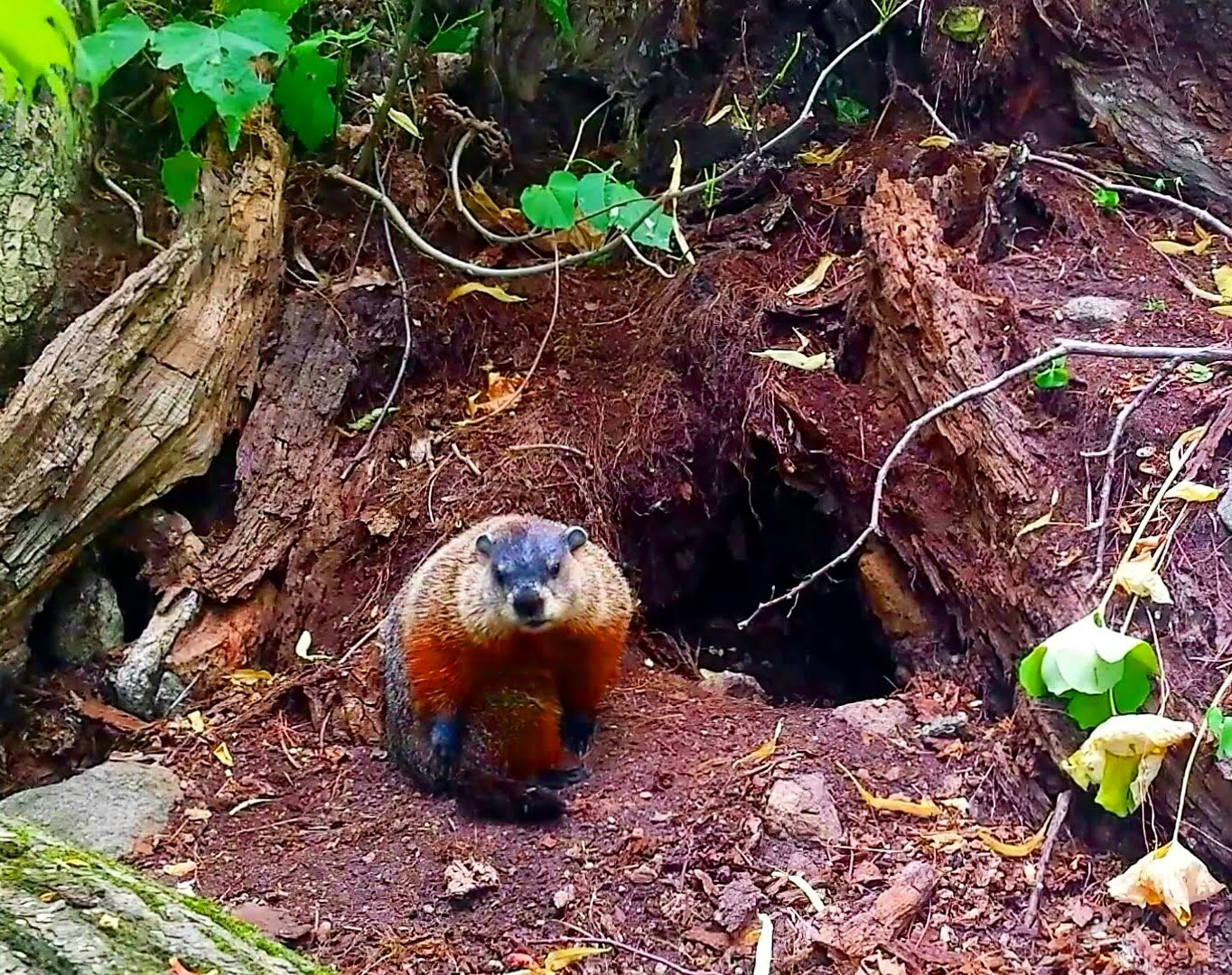
What type of symbiosis? Skunks often live in burrows that have been dug and abandoned by woodchucks.
a)
commensalism
b)
mutualism
c)
parasitism
d)
predation
69.
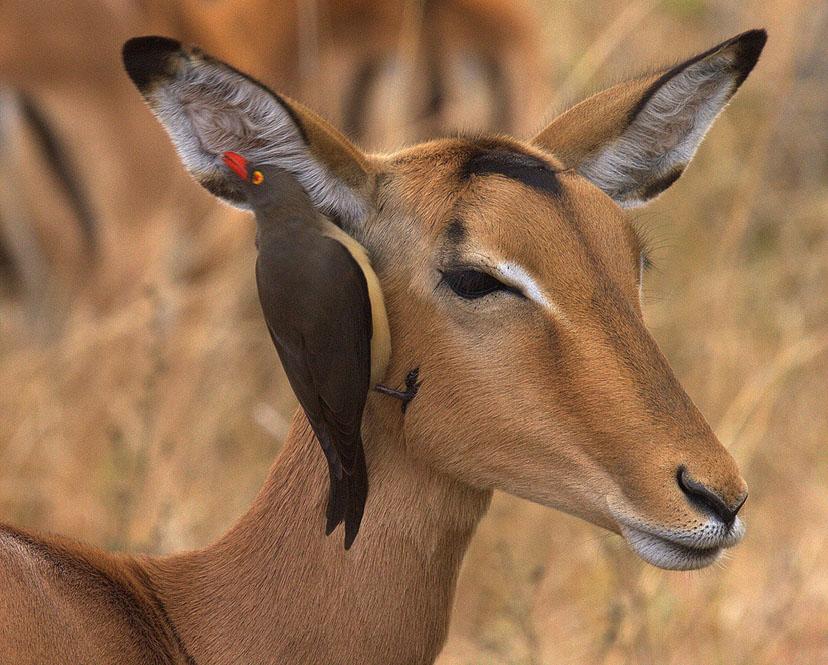
Red-billed oxpeckers are birds that often feed on parasites that infest impala. This is an example of _______.
a)
commensalism
b)
mutualism
c)
neutralism
d)
competition
70.
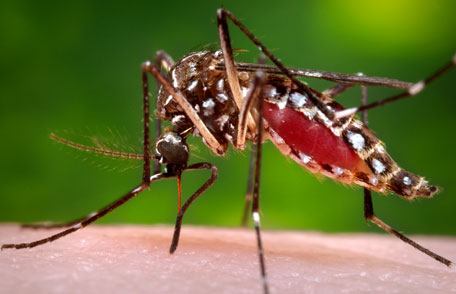
When a mosquito bites you, you are the __________ and the mosquito is the ____________.
a)
host, hostess
b)
parasite, host
c)
host, parasite
d)
prey, predator
71.

Aphids are tiny insects that live on and eat the leaves of plants, removing vital nutrients from the plants.
a)
Predation
b)
Parasitism
c)
Commensalism
d)
Mutualism
72.
What type of symbiosis?
*Remora use suckers to attach temporarily to large marine animals such as sharks, manta rays, whales, turtles, or large fish.
*The shark provides free transportation, protection, and dropped food and feces which the remora feeds on. The host is not injured.
*Remora use suckers to attach temporarily to large marine animals such as sharks, manta rays, whales, turtles, or large fish.
*The shark provides free transportation, protection, and dropped food and feces which the remora feeds on. The host is not injured.
a)
commensalism
b)
mutualism
c)
parasitism
d)
predation
73.
What type of symbiosis?
* Human intestine provides food for bacteria that live inside digestive system
*Beneficial bacteria live in the intestine of humans and help digest cellulose from plants which humans don’t have the enzymes to break down.
* Human intestine provides food for bacteria that live inside digestive system
*Beneficial bacteria live in the intestine of humans and help digest cellulose from plants which humans don’t have the enzymes to break down.
a)
commensalism
b)
mutualism
c)
parasititsm
d)
predation
74.
What type of symbiosis?
*Hookworms can enter the body, live off of the host’s blood.
*The host can suffer from blood loss, anemia and iron deficiency.
*Hookworms can enter the body, live off of the host’s blood.
*The host can suffer from blood loss, anemia and iron deficiency.
a)
commensalism
b)
mutualism
c)
parasitism
d)
predation
75.

Which graph shows a situation in which the number of producers in a population depends on the number of prey?
a)
Graph F
b)
Graph G
c)
Graph H
d)
Graph J
76.

What could be one reason for the dramatic change in population from 1700-1900?
a)
Decrease in predators
b)
Decrease in hunting
c)
Increase in food supply
d)
Immigration of predators
77.
An organism that is killed and eaten by another organism
a)
Predator
b)
Prey
c)
Competition
d)
Adaptation
78.
The organism that does the killing in a predation interaction
a)
Predator
b)
Prey
c)
Competition
d)
Adaptation
79.
The struggle between organisms to survive as they attempt to use the same resource
a)
Predator
b)
Prey
c)
Competition
d)
Adaptation
80.
The role of an organism in its habitat, or how it makes its living
a)
Niche
b)
Prey
c)
Competition
d)
Adaptation
81.
A behavior or physical characteristic that allows an organism to survive
a)
Niche
b)
Prey
c)
Competition
d)
Adaptation
82.
On a safari at night, a lion hunts and feeds on an antelope. In this relationship, the lion is the ____________________ and the antelope is the _________________.
a)
Parasite/host
b)
Predator/prey
c)
Prey/Predator
83.

What role does the mouse play?
a)
Predator
b)
Prey
84.

What role does the lynx (wild cat) play?
a)
Predator
b)
Prey
85.

What type of relationship is this?
a)
Predator-Prey
b)
Producer-Consumer
c)
Parasite-Host
86.

What type of relationship is this?
a)
Predator-Prey
b)
Producer-Consumer
c)
Parasite-Host
87.

What type of relationship is this?
a)
Predator-Prey
b)
Producer-Consumer
c)
Parasite-Host
88.

What type of relationship is this?
a)
Predator-Prey
b)
Producer-Consumer
c)
Parasite-Host
89.

What type of relationship is this?
a)
Predator-Prey
b)
Producer-Consumer
c)
Parasite-Host
90.

What type of relationship is this?
a)
Predator-Prey
b)
Producer-Consumer
c)
Parasite-Host
91.
Barn owls hunt shrews. In this example what is a barn owl?
a)
Herbivore/Predator
b)
Carnivore/Prey
c)
Carnivore/Predator
92.
When an organism's energy source comes from both animals and plants, that organism is considered to be a what?
a)
predator
b)
omnivore
c)
herbivore
d)
carnivore
93.
A consumer that hunts is called:
a)
a producer.
b)
an omnivore.
c)
a predator.
d)
a herbivore.
94.
How do producers obtain energy?
a)
They conduct photosynthesis.
b)
They consume plants.
c)
They consume primary consumers.
d)
They consume secondary consumers.
95.

The image provided is an example of a(n):
a)
Producer
b)
Autotroph
c)
Consumer
d)
Insect
96.
What is the organism that is harmed in a parasitic relationship?
a)
parasite
b)
host
c)
consumer
d)
producer
97.
I am a living thing that can use energy from the sun to make food.
a)
decomposer
b)
consumer
c)
producer
d)
competition
98.
Water, air, soil, and temperature are all examples of __________ factors.
a)
abiotic
b)
organisms
c)
biotic
d)
population
99.
Lizards and cacti are biotic factors in a desert ecosystem that would rely on which abiotic factors?
a)
insects and sun
b)
water and insects
c)
snakes and temperature
d)
water and soil
100.
Which is an example of a producer?
a)
the sun
b)
a human
c)
grass
d)
an insect
100 %

