
 Worksheets
Cells and Biomolecules
Total questions: 55
Worksheet time: 40mins
Name
Class
Date
1.
This organelle takes food and turns it into ENERGY for plant and animal cells.
a)
Chloroplast
b)
Mitochondria
c)
Lysosome
d)
Ribosome
2.
When many organ systems work together it can form...
a)
organ
b)
cells
c)
organ system
d)
organism
3.

This is a example of........
a)
organ system
b)
cells
c)
organ
d)
tissue
4.

This is a example of ........
a)
cell
b)
organ system
c)
organ
d)
tissue
5.
Which organelle is only found in a plant cell?
a)
nucleus
b)
chloroplast
c)
mitochondria
d)
cell membrane
6.

Directs all cell activities through the DNA located there.
a)
Lysosomes
b)
Nucleus
c)
ribosomes
d)
Mitochondria
7.
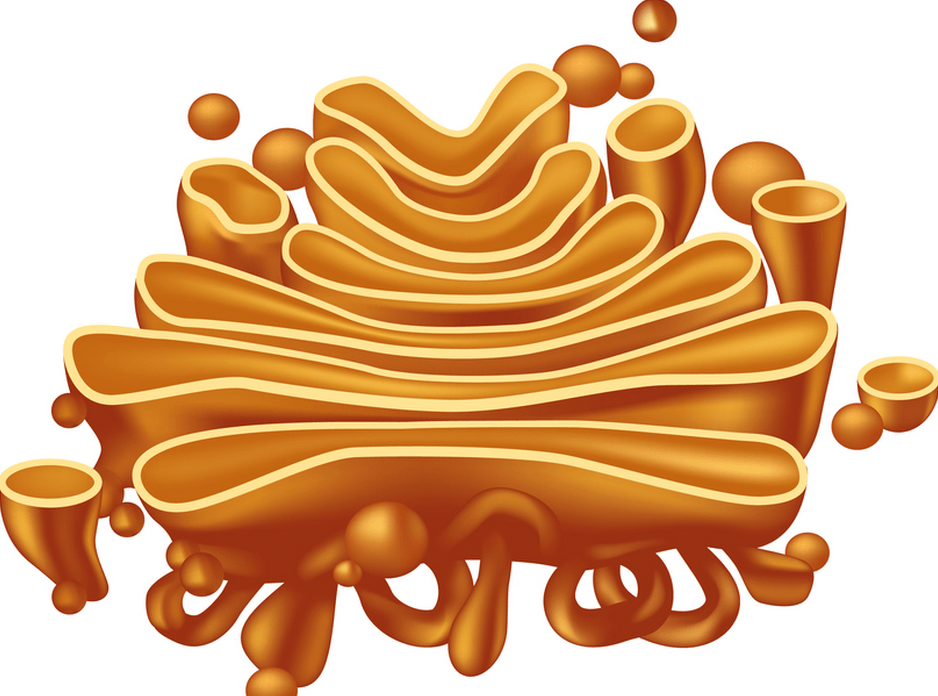
I am a protein packaging and shipping machine! Who am I?
a)
vacuole
b)
ribosome
c)
mitochondrion
d)
golgi apparatus
8.
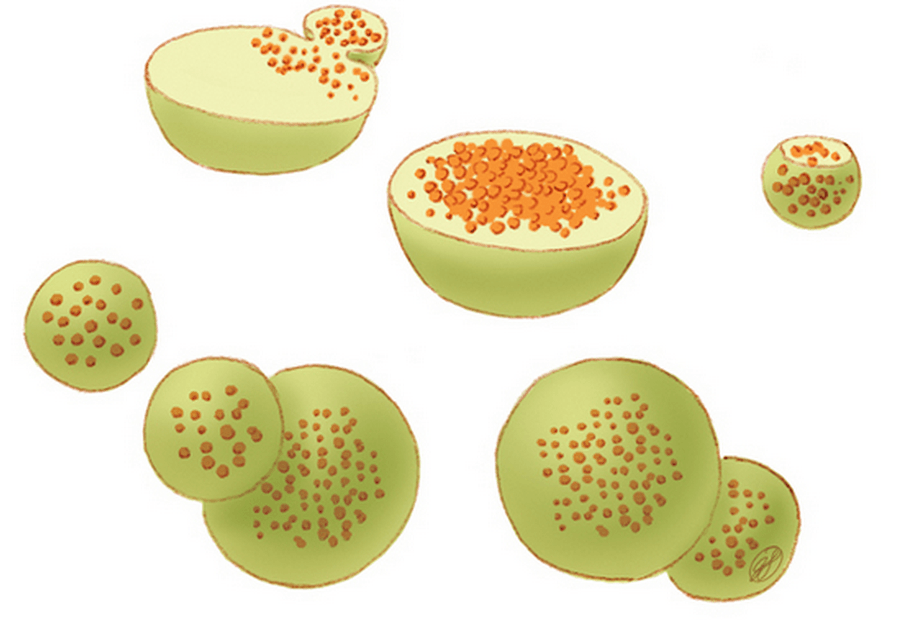
You might think of me as the trash collector, but recycler is maybe more accurate. What am I?
a)
mitochondria
b)
lysosome
c)
vacuole
d)
ribosome
9.
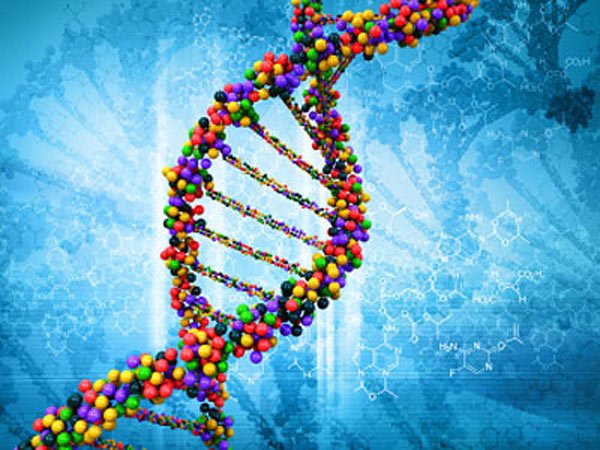
What is the name of the genetic material that is inside the nucleus?
a)
ER
b)
ATP
c)
YOLO
d)
DNA
10.
What is found in both plant and animal cells but is much larger in plant cells?
a)
Nucleus
b)
Mitochondria
c)
Chloroplast
d)
Vacuole
11.
Where are proteins made?
a)
Golgi body
b)
Mitochondria
c)
Chromosomes
d)
Ribosomes
12.
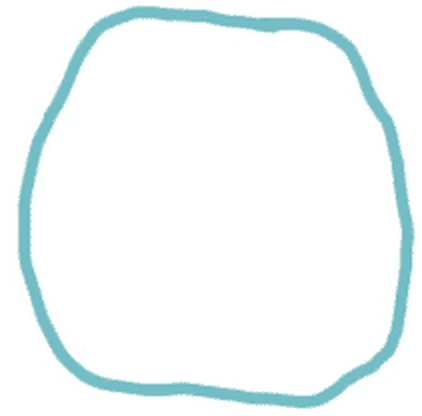
I am the outer most layer of an animal cell. What am I?
a)
cell wall
b)
nucleus
c)
cell membrane
d)
cell skin
13.
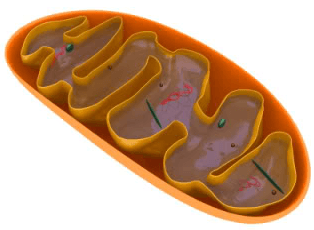
What are tiny organelles that convert glucose into ATP?
a)
Ribosomes
b)
Vesicles
c)
Cytoskeleton
d)
Mitochondria
14.
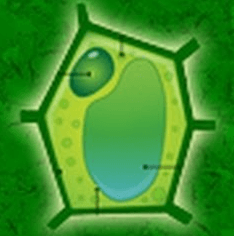
A rigid layer that lies outside the cell's membrane is...
a)
Cytoskeleton
b)
Cilia
c)
Cell Wall
d)
Flagella
15.
What organelle is called the "powerhouse" of a cell?
a)
Endoplasmic Reticulum
b)
Nucleus
c)
Mitochondria
d)
Nucleolus
16.
What is the gel-like substance inside of cells called?
a)
photoplasm
b)
photosynthesis
c)
cytoskeleton
d)
cytoplasm
17.
What organelle helps with cell digestion?
a)
Lysosomes
b)
Ribosomes
c)
Golgi Complex
d)
ER
18.
Main producer of ATP in all eukaryotes
a)
chloroplast
b)
mitochondria
c)
lysosome
d)
smooth er
19.
Stores food and water for the cell.
a)
Cytoplasm
b)
Cell Wall
c)
Vacuole
d)
Nucleus
20.
Controls what enters and leaves the cell
a)
Mitochondria
b)
Cell Membrane
c)
Cell Wall
d)
Nucleus
21.

What would happen to the plant cell without the chloroplasts?
a)
There wouldn't be an organelle that performs photosynthesis
b)
There wouldn't be an organelle that serves as the resevoir for water and waste
c)
There wouldn't be an organelle that regulates what comes in and out of the cell
d)
They wouldn't be an organelle that makes necesary proteins
22.
What tool do you use to view the cells?
a)
metric ruler
b)
centrifuge
c)
microscope
d)
pipette
23.
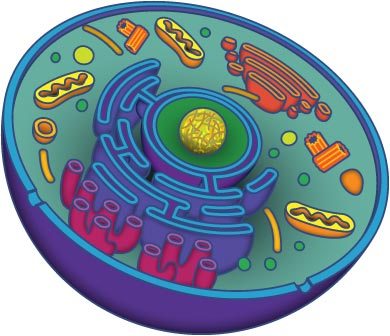
All living things are made up of...
a)
cells
b)
cell tissues
c)
organ
d)
organ systems
24.
Rocks are not living because
a)
they never move
b)
they aren't needed for humans
c)
they are not made of cells
d)
they don't break down
25.
What is the basic structural and functional unit of all living things?
a)
atom
b)
cell
c)
molecule
d)
human
26.
An organism made of one cell is called
a)
unicellular
b)
multicellular
27.
what is the control center in a cell
a)
mitochondria
b)
DNA
c)
nucleus
d)
movement
28.
Cells with a nucleus and membrane-bound organelles are called ____________________.
a)
prokaryotes
b)
eukaryotes
c)
bacteria
d)
protists
29.
Which organism listed below is a prokaryote?
a)
dog
b)
human
c)
sunflower
d)
bacterial cell
30.
Long strands of chromosomes that contain deoxyribonucleic acid (DNA) are located in the __________ of the cell.
a)
nucleus
b)
cell membrane
c)
cytoplasm
31.
These organelles capture energy from sunlight and use it to produce food for the cell.
a)
cell membrane
b)
chloroplasts
c)
cell wall
d)
ribosomes
32.
Animal and plant cells are both this type of cell.
a)
Eukaryote
b)
Prokaryote
33.
makes protein
a)
E.R.
b)
enzymes
c)
ribosomes
d)
golgi
34.
The monomer of a protein is called...
a)
an amino acid
b)
a monosaccharide
c)
a fatty acid
d)
a nucleotide
35.
Which biomolecule includes fats, such as triglycerides, oils, waxes, and steroids (cholesterol); insoluble in water; provides energy storage, insulation, part of cell membrane, and hormones
a)
Nucleic Acid
b)
Lipids
c)
Carbohydrate
d)
Protein
36.
Which of the following is not a carbon compound?
a)
Carbohydrates
b)
Lipids
c)
Nucleic Acids
d)
Vitamins
37.
Which biomolecule is your main source of energy?
a)
Nucleic Acid
b)
Protein
c)
Lipid
d)
Carbohydrate
38.
Which biomolecule has sugars and starches?
a)
Lipids
b)
Proteins
c)
Carbohydrates
d)
Nucleic Acid
39.
Which biomolecule is made of nucleotides and contain you DNA?
a)
Carbohydrate
b)
Lipids
c)
Protein
d)
Nucleic Acid
40.
Which biomolecule is also known as enzymes?
a)
Carbohydrate
b)
Lipid
c)
Nucleic Acid
d)
Protein
41.
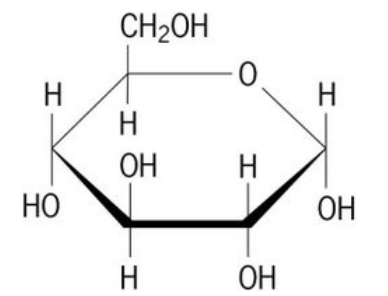
Which biomolecule is this a picture of?
a)
Protein
b)
Nucleic Acid
c)
Lipid
d)
Carbohydrate
42.
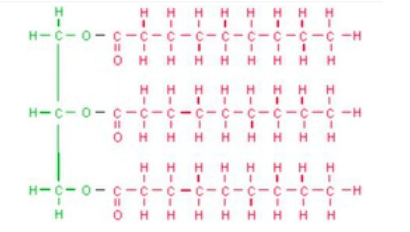
Which biomolecule is this a picture of?
a)
Protein
b)
Nucleic Acid
c)
Lipid
d)
Carbohydrate
43.
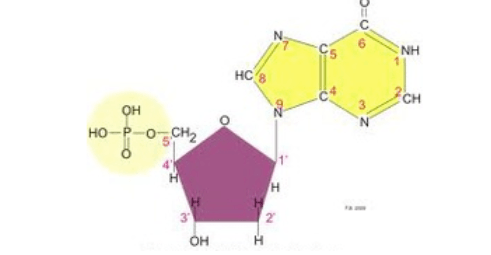
Which biomolecule is this a picture of?
a)
Protein
b)
Nucleic Acid
c)
Lipid
d)
Carbohydrate
44.
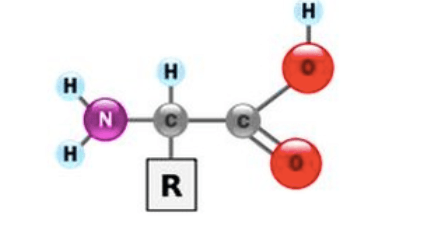
Which biomolecule is this a picture of?
a)
Protein
b)
Nucleic Acid
c)
Lipid
d)
Carbohydrate
45.
What does the word organic mean?
a)
has nitrogen
b)
has sulfur
c)
has carbon
d)
has oxygen
46.

Identify the biomolecule
a)
Nucleic Acid
b)
Protein
c)
Lipid
d)
Carbohydrate
47.

Letter B is
a)
Active site
b)
Enzyme
c)
Substrate
d)
Sugar
48.

If Letter b denatured what would be the result of C
a)
Increase
b)
Decrease
c)
React
d)
Bind to B
49.
The purpose of an enzyme is to
a)
slow down reaction
b)
speed up reaction
c)
keep reaction the same
d)
grow the enzyme
50.
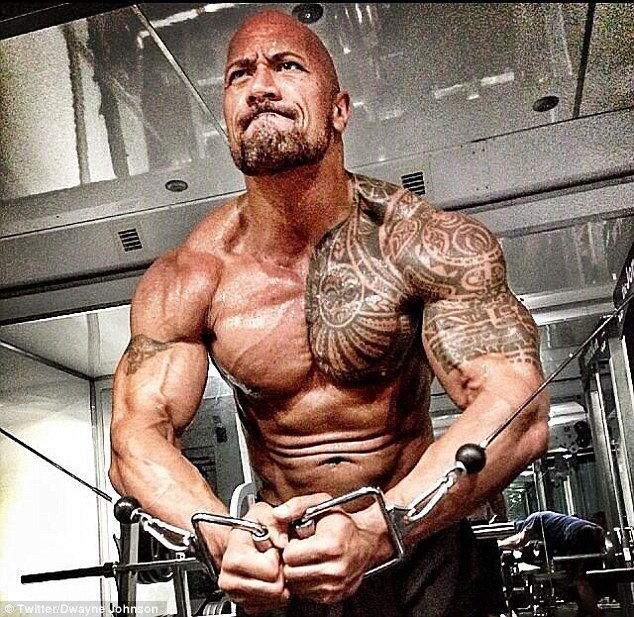
Which biomolecule helps form muscles?
a)
Nucleic Acid
b)
Carbohydrates
c)
Protein
d)
Lipids
51.
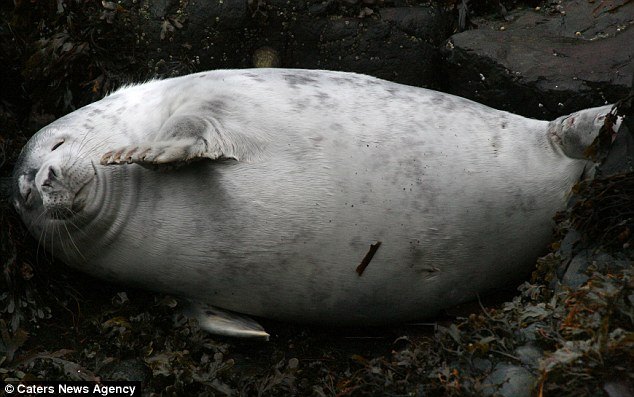
Which biomolecule is responsible for insulation and LONG term energy storage?
a)
Proteins
b)
Nucleic Acids
c)
Lipids
d)
Carbohydrates
52.
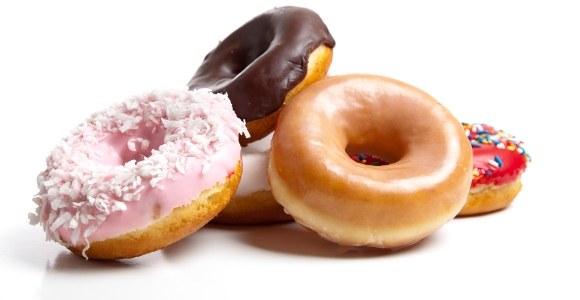
Which biomolecule includes sugars and starches? (Hint: simple or complex)
a)
Lipids
b)
Proteins
c)
Carbohydrates
d)
Nucleic Acids
53.

The monomer (building block) of a nucleic acid is
a)
Monosaccharide
b)
Amino Acid
c)
Nucleotide
d)
Polysaccharide
54.
Hydrophobic =
a)
Water loving
b)
Water hating
c)
Made of hydrogen
d)
Made of water
55.
Which of the following is NOT a biomolecule?
a)
Water
b)
Nucleic Acid
c)
Protein
d)
Lipid
100 %

