wayground logo

Free Printable Worksheets

NEW

Font size

S
M
L
XL
Worksheets

Climates and Biome Test Review

Total questions: 43

Worksheet time: 22mins

Name
Class
Date
1.
Why are the seasons in the Northern Hemisphere opposite of those in the Southern?
a)
Earth's Tilt
b)
Rotation
c)
coriolis effect
d)
Revolution
2.
What effect does the Earth's tilt on its axis have on the Earth itself?
a)
No effect
b)
Different amounts of sunlight hit the Earth
c)
El Nino occurs
d)
La Nina occurs
3.
How long does 1 revolution of the Earth take?
a)
24 hours
b)
365 hours
c)
365 years
d)
365 days
4.
Which side of the rain shadow effect receives the dry air?
a)
Windward side
b)
Leeward side
c)
Precipitation is the same
d)
None of these
5.
This area is very hot and humid with latitude zones at 0-23.5 degrees North and South
a)
Tropics
b)
Temperate
c)
Polar
d)
Taiga
6.
This region has a variety of temperatures, and is located between 23.5-66.5 degrees North and South of the equator.
a)
Polar
b)
Temperate
c)
Taiga
d)
Desert
7.
This region is always cold, is located 66.5-90 degrees North and South.
a)
Tundra
b)
Taiga
c)
Polar
d)
Tropics
8.
This is the most diverse biome in the whole world.....
a)
Rainforest
b)
Tropical Savannah
c)
Desert
d)
Temperate
9.
What is the largest biome in the world?
a)
Arid
b)
Tundra
c)
Semi-Arid
d)
Taiga
10.
Which biome has permanently frozen ground (permafrost)?
a)
Tundra
b)
Rainforest
c)
Taiga
d)
Gulf Coast
11.
Arid means what?
a)
Humid
b)
Wet
c)
Dry
d)
Seasonal
12.
This weather pattern happens off the coast of Peru and creates massive strong storms and destruction
a)
Coriolis Effect
b)
Cyclones
c)
Tornadoes
d)
El Nino
13.

Continental Location impacts a region's climate by these things forcing warm water and air to the region?

a)

Ocean and Wind Currents

b)

Axis of the Earth

c)

Earth's rotation

d)

None of these

14.
What factor MOST determines your climate?
a)
Elevation
b)
Latitude
c)
Longitude
d)
Ocean and Wind Currrents
15.
Short term weather patterns are called what?
a)
Climate
b)
Precipitation
c)
Storms
d)
Weather
16.
Long term weather patterns are called what?
a)
Ocean and Wind Currents
b)
Storms
c)
Weather
d)
Climate
17.
Warm water during the months of June-October in this region produce what kind of storms?
a)
Tropical Cyclones/Hurricanes
b)
Himmicanes/El Nino
c)
Maelstroms
d)
Hail Storms
18.
As elevation goes up, the temperature does what?
a)
Increases
b)
Decreases
c)
Stays constant
d)
Gets more humid
19.
The Southwest United States, Australia, Saudi Arabia, all have this biome in common....
a)
Desert
b)
Subarctic
c)
Humid Subtropical
d)
Mediterranean
20.
Mongolia, China, Russia, the USA, almost EVERY continent has this type of biome located in it. Lots of grasslands with variations in temperature.
a)
Steppe
b)
Tropical Rainforest
c)
Subarctic
d)
Temperate Forest
21.
This area around Italy and other places has warm, wet winters and hot dry summers.
a)
Humid Subtropical
b)
Mediterranean
c)
Tropical Rainforest
d)
None of these
22.
The Texas Gulf Coast Region is this biome...
a)
Humid Subtropical
b)
Humid Tropical
c)
Arid Desert
d)
Steppe
23.

What latitude zone is being described: "Hot, Humid, 0-23.5 degrees North or South of the equator".

a)

Tropical

b)

Temperate

c)

Polar

24.

What latitude zone is being described: "Variety of temperatures, 23.5-66.5 degrees North and South of equator"

a)

Tropical

b)

Temperate

c)

Polar

25.

What latitude zone is described: "Cold. 66.5-90 degrees North or South of the equator".

a)

Tropical

b)

Temperate

c)

Polar

26.

A High Pressure System is caused by:

a)

Cold Air Sinking

b)

Warm Air Rising

c)

Cold Air Rising

d)

Warm Air Sinking

27.

Hot air rises and forms a ___________ pressure system and stormy weather.

a)

Low

b)

High

c)

Mid

28.

El Nino starts off the coastal waters of _________.

a)

Ecuador

b)

Guatemala

c)

California

d)

Peru

29.

As elevation increases the temperature will always ______________.

a)

Increase

b)

Decrease

c)

Stay the same

d)

Change according to latitude

30.

Hot. SW United States, Australia, Northern Africa...

a)

Desert

b)

Mediterranean

c)

Subarctic

d)

Steppe

e)

Humid Subtropical

31.

Warm, wet winters. Hot, dry summers. Southern Europe, Italy, North Africa.

a)

Mediterranean

b)

Desert

c)

Steppe

d)

Humid Subtropical

32.

Northern Hemisphere high latitudes. Covered in snow most of the time.

a)

Steppe

b)

Mediterranean

c)

Tropical Rainforest

d)

Subarctic

33.

Huge variations in temperatures. Mongolia, China, USA, Russia. Grasslands.

a)

Humid Subtropical

b)

Steppe

c)

Tropical Rainforest

d)

Mediterranean

34.

The Texas Gulf Coast Region. Mild winters, crazy hot and humid summers. Humid, Humid, Humid...and mosquitoes.

a)

Tropical Rainforest

b)

Mediterranean

c)

Desert

d)

Humid Subtropical

35.

Where Coach Cook would prefer to retire. No cold. No snow. Equal parts day and night because its right on the equator. Hot, Humid, massive variation in wildlife and plant life.

a)

Mediterranean

b)

Humid Subtropical

c)

Tropical Rainforest

d)

Tundra

36.

If the sun is hitting your area of Earth during the summer months, you are experiencing direct or indirect rays?

a)

Direct

b)

Indirect

37.

During the cooler months like winter, are you experiencing direct or indirect rays of sunlight?

a)

Direct

b)

Indirect

38.

Kingwood is located in a _______ ____________ climate.

a)

Humid Subtropical

b)

Continental

c)

Tropical

d)

Temperate

39.

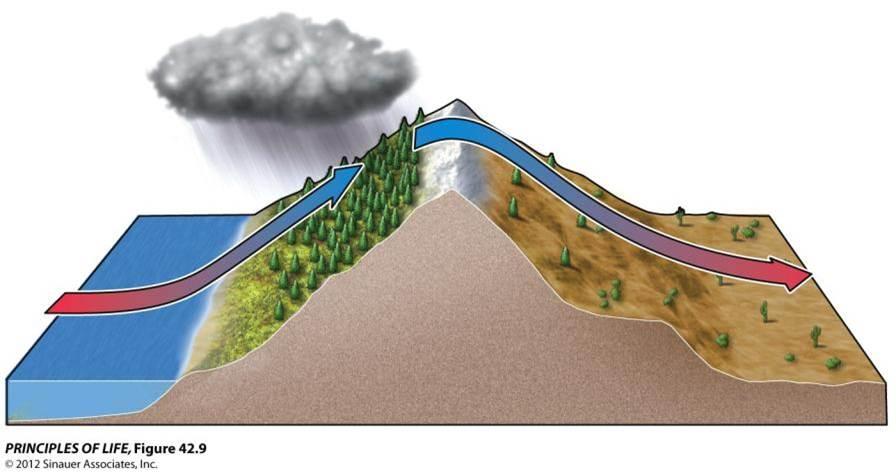
What is being described by this image?

a)

Rainshadow Effect

b)

Desertification

c)

Tropical Storms

d)

None of the above

40.

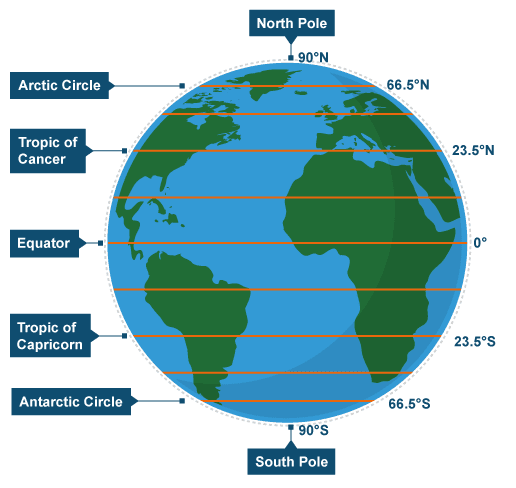
What zone is at 23.5 degrees North of the Equator

a)

Tropic of Capricorn

b)

Tropic of Cancer

c)

Arctic Circle

41.

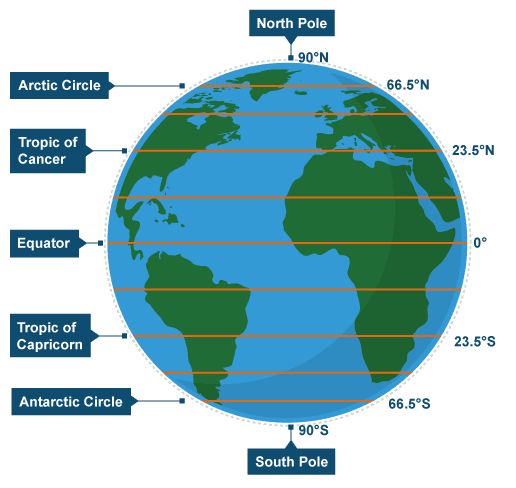
What zone is at 66.5 to 90 degrees North of the Equator?

a)

Arctic Circle

b)

Antarctic Circle

42.

A place’s climate is categorized based on….

a)

Temperature and Precipitation

b)

Temperature and Flora

c)

Precipitation and Fauna

d)

Fauna and Flora

43.

Land around or close to major bodies of water retain their temperatures longer because water heats and cools_____.

a)

Slowly

b)

Quickly

c)

Not at all