
NEW
Font size
 Worksheets
Cell Structure and Function Review
Total questions: 31
Worksheet time: 34mins
A watery substance within the cell that surrounds all internal structures.
ribosomes
cytoplasm
nucleus
cell membrane

I am a protein packaging and shipping machine! What am I?
vacuole
ribosome
endoplasmic reticulum
golgi apparatus
A rigid structure outside the cell membrane in plants that helps support the cell
large central vacuole
nucleus
cell wall
cell membrane
Large membrane filled with water and enzymes within plant cells. This helps support the cell by apply pressure up against the cell wall.
central vacuole
cell wall
nucleus
lysosome
Which organelle absorbs light energy and converts it to chemical energy within sugars?
mitochondria
nucleus
chloroplasts
vacuoles

This structure helps digest and breakdown macromolecules, damaged cell parts, and bacteria.
cytoplasm
lysosme
golgi apparatus
ribosome
This controls what moves into and out of the cell
cell membrane
Nuclear membrane
cytoskeleton
cytoplasm
DNA is stored within this organelle
nucleus
nucleolus
endoplasmic reticulum
ribosome

Amino acids link together to form proteins. At which structure would this process occur?
Smooth ER
Ribosome
Golgi apparatus
Mitochondria
This produces lipids and carbohydrates
mitochondria
ribosomes
golgi apparatus
smooth ER
Where is RNA produced?
Endoplasmic Reticulum
Golgi apparatus
Nucleolus
Nucleus

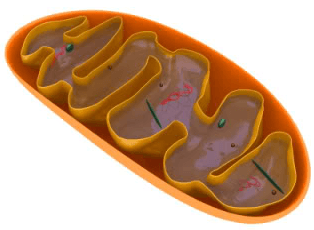
Which of the following is directly involved in the transportation of materials inside/within the cell?
cytoskeleton
cell membrane
Lysosome
Mitochondria
The nucleus and other organelles break down in this type of cell. This allows it to have the specific function of carrying as much oxygen as possible.
Nerve Cell
Red Blood Cell
White Blood Cell
Liver cell
This specialized cell is loaded with mitochondria so the cells have plenty of ATP to avoid fatigue.
Skin cell
Muscle cell
Liver cell
Red blood cell
The cell membrane is semi/selectively permeable, which means...
All materials can enter and leave the cell
Certain things can enter while others cannot
The cell manually sorts through all materials
Only certain cells can interact with the cell.
How many layers of phospholipids are in every lipid bilayer?
1
2
3
4

A ______________ is composed of a phosphate and glycerol head and 2 fatty acid chain tails.
Phospholipid
Carbohydrate
Cholesterol
Protein

Which of the following is correct for levels of organization?
molecules, atoms, cell, organelle, tissue, organ, organ system, organism
atom, molecules, cell, tissue, organelle, organ, organ system, organism
atom, molecules, organelles, cell, tissue, organ, organ system, organism
atom, molecules, organelles, cell, tissue, organ system, organ, organism

