
 Worksheets
W. E. D. S.
Total questions: 125
Worksheet time: 2hrs 38mins
Name
Class
Date
1.
Bobby observed that a metal trash can was covered with rust. What type of weathering caused the rust on the trash can?
a)
Mechanical weathering
b)
Wind weathering
c)
Chemical weathering
d)
Erosion weathering
2.
What is likely to cause cracks on the sidewalk?
a)
Repeated freezing and thawing of water
b)
Tree roots or plant roots growing bigger
c)
Both and A and B
d)
Neither A or B
3.
What human activities can increase the rate of weathering?
a)
Increasing the amount of acid rain
b)
Paving over large portions of land
c)
All of the other answers.
d)
Strip mining and agriculture
4.

Which diagram represents mechanical weathering?
a)
G
b)
F
c)
H
d)
J
5.
A student hiking in a rock area on a mountain notices that wide, deep cracks have formed in some of the large rocks. Some of the cracks are so large that the rocks have broken apart. Which process most likely caused these rocks to crack and creak?
a)
Erosion by wind
b)
Water freezing and thawing
c)
Erosion by fast-moving
d)
Sediments being deposited.
6.
The surfaces of old concrete statues are often covered with small holes or pits. Which of these MOST LIKELY causes these holes or pits?
a)
The concrete becomes pitted as water freezes in small cracks in the statue.
b)
The concrete is chipped away by sand particles blown by strong winds
c)
The concrete is chemically weathered by acid rain.
d)
Long exposure to sunlight causes the pits to form.
7.

When Joe saw the Rocky Mountains for the first time, he exclaimed, "These mountains are much younger than ours back East!" Which feature supports his conclusion that the Rockies were relatively young mountains?
a)
Their sedimentary layers are still exposed
b)
They have rounded tops
c)
They have sharp peaks
d)
Weathering has not yet hardened the rock
8.
What is the weathering process in which rocks are broken down into smaller pieces (sediments) and do not change the rock composition?
a)
Acid weathering
b)
Gravity weathering
c)
Chemical weathering
d)
Mechanical weathering
9.

Which of the following is the most important agent of chemical weathering to form this cave?
a)
Water - It can carry acid and dissolve rock
b)
Erosion - Moves the rocks from one place to another
c)
Wind - It displaces rocks
d)
Exfoliation - New cracks give chemical reactions the chance to operate
10.
Weathering by abrasion is usually caused by
a)
plants, water, and ice wedging
b)
wind, water, and gravity
c)
ice wedging, animals, and water
d)
animals, plants, and wind
11.
The action of rocks and sediment grinding against each other and wearing away
a)
oxidation
b)
glaciation
c)
abrasion
d)
ice wedging
12.
Rock that have been broken down and eroded by wind (blowing sand), have been weathering by __________ abrasion
a)
mechanical
b)
chemical
c)
differential
d)
sloping
13.
The dissolving of a rock in water that contain weak acid is an example of
a)
mechanical weathering
b)
chemical weathering
c)
oxidation
d)
differential weathering
14.
Smooth rocks in a river have usually been rounded by
a)
wind
b)
moving water
c)
gravity
d)
glaciers
15.
The process in which water freezes and widens cracks in rock is called
a)
ice crunching
b)
glaciation
c)
abrasion
d)
ice wedging
16.
Rust is produced by the oxidation of
a)
iron
b)
wood
c)
tennis ball
d)
bicycle tire(rubber)
17.
The dissolving of a rock in water that contain weak acid is an example of
a)
mechanical weathering
b)
chemical weathering
c)
differential weathering
d)
oxidation
18.
Which is following contributes to acid precipitation?
a)
burning of fossil fuels
b)
oxidation
c)
abrasion
d)
all the above
19.
A rusty car has undergone chemical weathering due to
a)
oxidation
b)
abrasion
c)
ice wedging
d)
differential
20.
Lichens and mosses, which contain weak acids contribute to
a)
mechanical weathering
b)
chemical weathering
c)
abrasive
d)
differential
21.
When weak acids in groundwater come into contact with limestone, the limestone breaks down, forming
a)
soil
b)
caves
c)
salt
d)
rust
22.
Which rocks weather the fastest?
a)
1 kg boulder
b)
1 kg boulder broken into pieces
23.
Water chemically breaks down rock because
a)
water expands when it freezes
b)
acids in the water react with chemicals in the rock
c)
materials dissolved in the water are deposited
d)
water is not affected by wind
24.
Which of the following is an everyday example of a chemical phenomenon?
a)
fast moving river water rushes over rocks
b)
organic acids produced by lichens break down rock
c)
rocks tumble down a mountain during a rock slide
d)
ice forms in a crack in a rock and makes the crack larger
25.
Why does air chemically weather rock?
a)
the air molecules are abrasive
b)
air fills cracks in the rock and later expands, causing the cracks to enlarge
c)
the oxygen in the air combines with elements in the rock in a process called oxidation
26.
Does chemical weathering affect the rate of mechanical weathering.
a)
Yes
b)
No
27.

An avalanche is an example of which process?
a)
Weathering
b)
Erosion
c)
Deposition
d)
Volcanic Eruption
28.
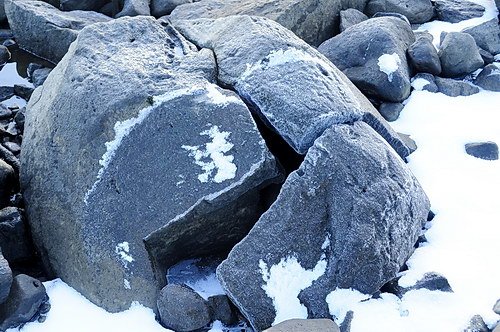
How does freezing water cause the weathering of rocks? The freezing water—
a)
keeps the rocks in place.
b)
makes the rocks last longer.
c)
expands cracks and breaks rocks.
d)
causes rocks to fall in landslides.
29.
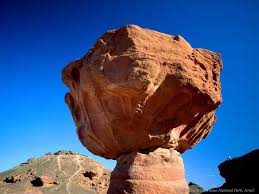
The process that breaks down rocks and other materials on Earth's surface is called
a)
Weathering
b)
Erosion
c)
Deposition
d)
Decomposition
30.

Over long periods of time, deposition may change the Earth’s surface by _____.
a)
forming new land features.
b)
breaking down large rocks into smaller ones.
c)
washing away beaches.
d)
moving topsoil.
31.

A cliff formed near the ocean. Which statement best describes how this cliff formed?
a)
Warm air melted the rock.
b)
Sun rays evaporated the rock.
c)
Ocean waves washed away rock.
d)
Plant roots pushed away the rock.
32.

What is the process that picks up and moves weathered rocks?
a)
Deposition
b)
Landslide
c)
Weathering
d)
Erosion
33.
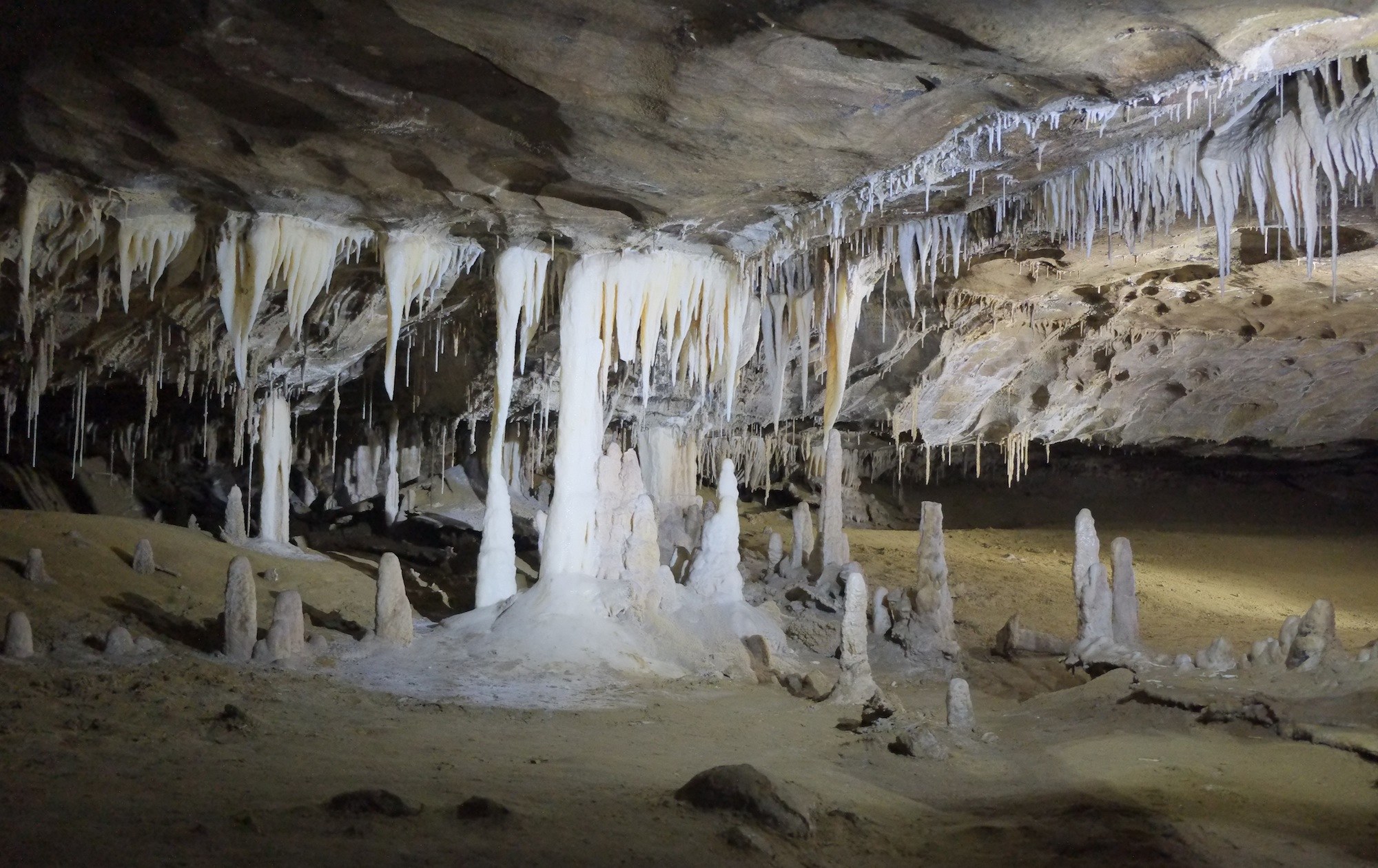
Deposition changes the Earth’s surface because bits of broken rock and soil _____.
a)
stop rivers from flowing.
b)
make rich farmlands.
c)
are dropped in new places.
d)
move very slowly.
34.

What causes the greatest erosion effect on our beaches?
a)
Waves
b)
Gravity
c)
Glaciers
d)
Wind
35.

The process by which water, ice, wind, or gravity moves weathered rock and soil from one place to another.
a)
Weathering
b)
Erosion
c)
Deposition
d)
Crop Rotation
36.

Which of these is an example of erosion?
a)
Light shining onto a mountain.
b)
Rain breaking down rocks on a mountain into smaller pieces.
c)
Wind blowing away sediment to a new place on the mountain.
d)
All of the above.
37.

Layers of sediment forming at the bottom of the ocean floor is an example of
a)
Weathering
b)
Erosion
c)
Deposition
d)
Awesome Science
38.
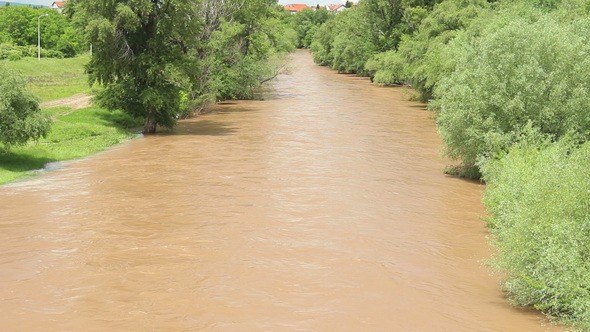
Muddy water being carried away by a fast-moving river is an example of
a)
Weathering
b)
Erosion
c)
Deposition
d)
A nice place to swim
39.

What is an enormous mass of ice moving over land, causing weathering of rock and soil?
a)
A glacier
b)
An iceberg
c)
An ice wedge
d)
A sand dune
40.
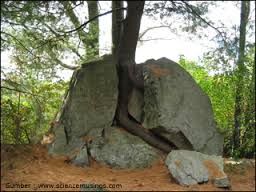
How do plants weather rocks?
a)
During photosynthesis
b)
When roots grow into cracks of rocks and expand the rock breaks.
c)
When the plant moves water from the roots to the leaves, the rock breaks.
d)
Plants don't weather rocks.
41.
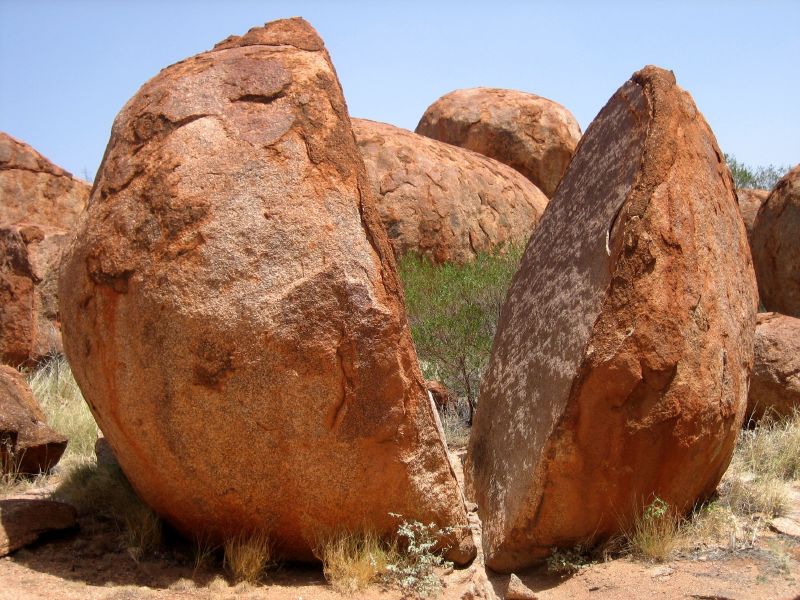
What is the wearing away or breaking down of rocks called?
a)
Deposition
b)
Erosion
c)
Glaciers
d)
Weathering
42.
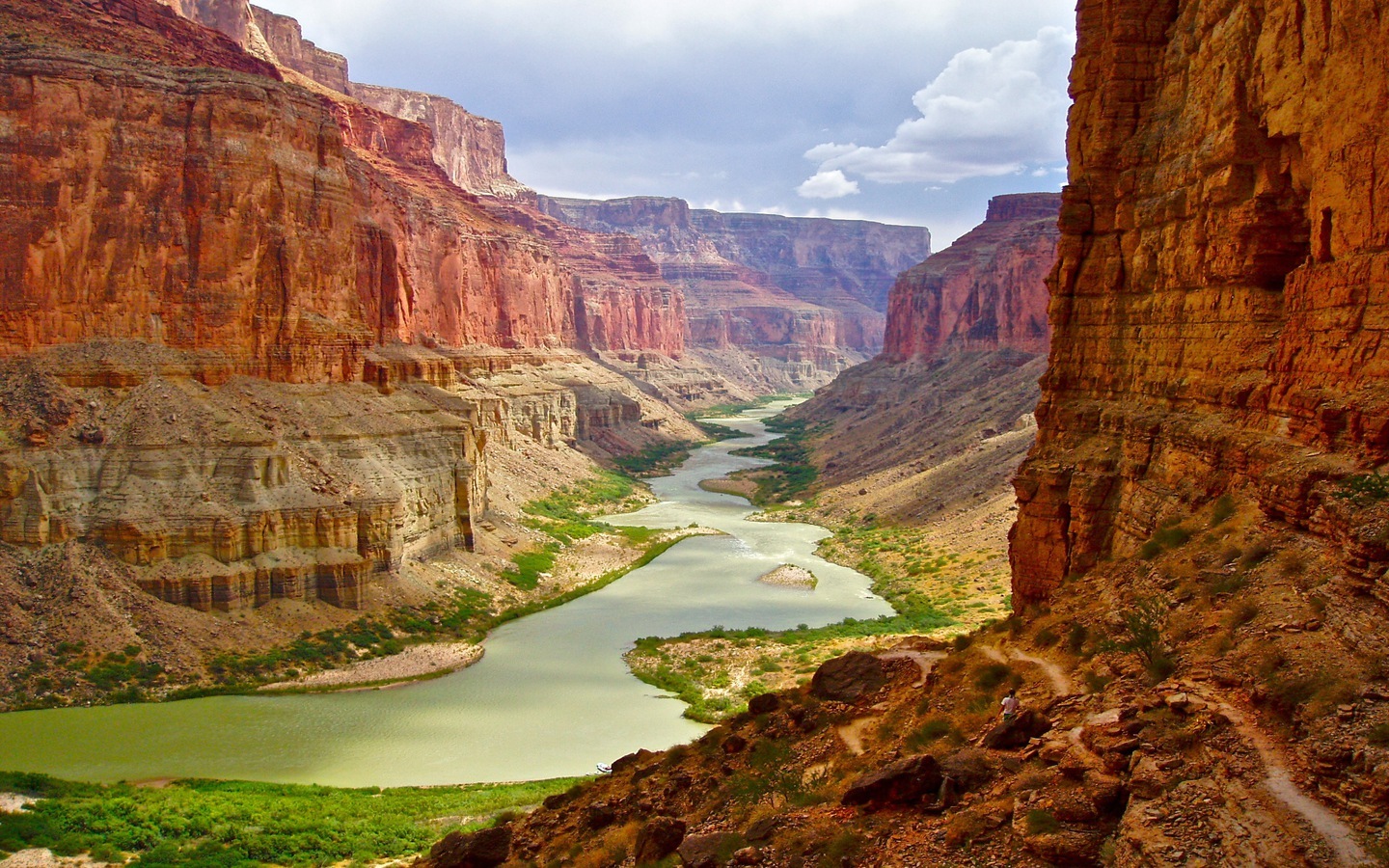
Flood water pounding against a canyon wall and wearing it down is an example of
a)
Weathering
b)
Erosion
c)
Deposition
d)
An avalanche
43.

Which of the following is NOT a slow change to Earth's surface?
a)
Weathering
b)
Erosion
c)
Deposition
d)
Landslides
44.

Which of the following is NOT a fast change in Earth's surface?
a)
Landslides
b)
Erosion
c)
Volcanoes Erupting
d)
Earthquakes
45.
All of the following are causes of physical weathering EXCEPT...
a)
plant growth
b)
wind
c)
acid rain
d)
running water
46.
What is the major cause of weathering and erosion to form canyons?
a)
wind
b)
ice
c)
glaciers
d)
moving water
47.
The process of breaking up rocks on Earth's surface is called...
a)
sediment
b)
erosion
c)
weathering
d)
deposition
48.
The process of breaking up rocks on Earth's surface is called...
a)
sediment
b)
erosion
c)
weathering
d)
deposition
49.
What is sediment?
a)
the process of rocks being broken down and carried away
b)
bits of rock and sand caused by the weathering of rocks
c)
the top layer of the soil
d)
decaying plant or animal material
50.
What is the correct order of the processes?
a)
they all happen at the same time
b)
erosion, weathering, deposition
c)
weathering, erosion, deposition
d)
weathering, deposition, erosion
51.

Picture A is a mountain in the Sierra Nevada. Picture B shows only the west ridge of the mountain range. What is the most likely reason for the shape of picture B?
a)
It was hit by a volcano
b)
Chemical weathering
c)
mechanical weathering
d)
it was caused by an earthquake
52.
The ___________of a mountain weathers the fastest
a)
bottom
b)
middle
c)
top
d)
all parts weather the same
53.
All of these affect how fast a rock will weather EXCEPT
a)
hardness of the rock
b)
condition of the rock
c)
the climate
d)
They all affect how fast weathering happens
54.
This type of weathering occurs when rock is physically broken down into smaller pieces of rock.
a)
mechanical weathering
b)
chemical weathering
c)
erosion weathering
d)
deposition
55.
This type of weathering occurs when rocks weaken then break down due to chemical changes in the composition of the rock.
a)
mechanical weathering
b)
chemical weathering
c)
erosion weathering
d)
deposition
56.

These rocks were broken apart from the continuous freeze/thaw of water in the cracks of the rocks. This is an example of:
a)
ice wedging
b)
acid rain
c)
permeability
d)
abrasion
57.
How might a weathered mountain appear different than an unweathered mountain?
a)
Weathered mountain would be taller.
b)
Weathered mountain would be rounder and less jagged.
c)
Weathered mountain would be more jagged and less rounded.
d)
Weathered mountain would have no trees.
58.
How is mechanical weathering different from chemical weathering?
a)
Chemical weathering happens over much shorter time frame than mechanical weathering.
b)
Chemical weathering changes the chemical composition of rocks; mechanical weathering does not.
c)
Chemical weathering occurs only in tropical climates; mechanical weathering occurs only in cool climates.
d)
Chemical weathering occurs only in the mountains; mechanical weathering occurs only on flat land.
59.
A metal statue slowly turning green after years of being outside is an example of:
a)
mechanical weathering
b)
chemical weathering
60.
Weeds growing into the cracks in a sidewalk and the sidewalk begins to crumble is an example of:
a)
mechanical weathering
b)
chemical weathering
61.
A delta at the mouth of a river is the direct result of
a)
runoff from sewage
b)
deposition of sediment
c)
an ancient glacier that passed through
d)
an underground river flowing to the ocean
62.
Which process is most directly related to constructing new land?
a)
erosion
b)
polluting
c)
deposition
d)
weathering
63.
The ___________of a mountain weathers the fastest
a)
bottom
b)
middle
c)
top
d)
all parts weather the same
64.
What is an enormous mass of ice moving over land?
a)
Ice wedging
b)
Glacier
c)
Iceberg
d)
Dune
65.
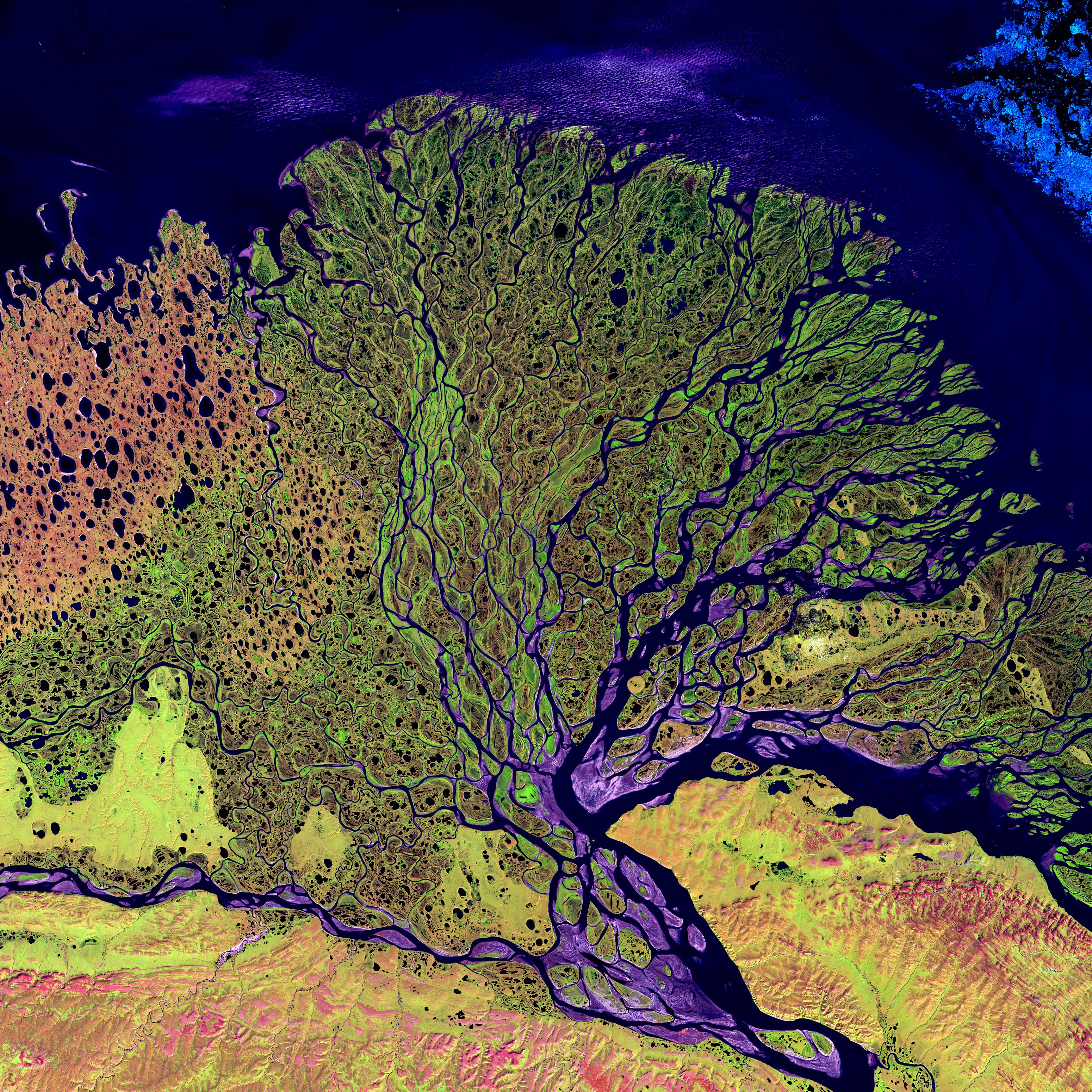
Deltas are built up by -
a)
deposition
b)
leaching
c)
abrasion
d)
erosion
66.
Wind blowing sand from one location to another
a)
Weathering
b)
Erosion
c)
Deposition
67.
At the beach which agent of erosion affects the coast?
a)
Wind
b)
Water
c)
Animals
d)
Gravity
68.
When a large amount of dirt and rock move downhill, this is known as a
a)
mudflow
b)
landslide
c)
creep
d)
lahar
69.
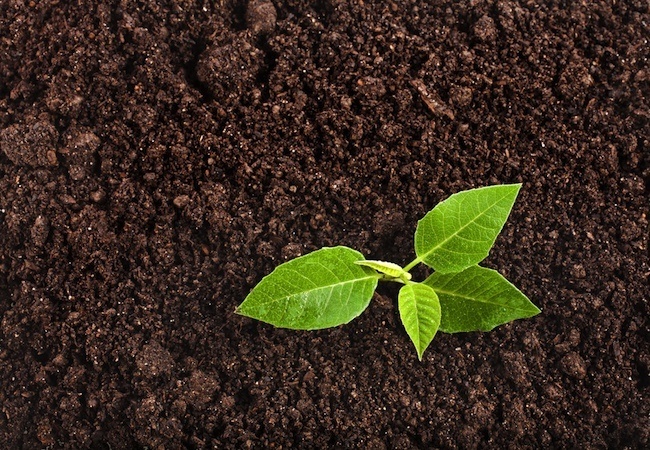
Which of the following is NOT one of the three types of soil?
a)
clay
b)
sand
c)
silt
d)
mud
70.

_______ is the type of soil used most often with plants and on farms. It is a mixture of clay, sand, and silt.
a)
loam
b)
humus
c)
soil
d)
dirt
71.

Are there minerals in soil?
a)
Yes
b)
No
72.
Ellen grabs a topsoil sample in her hand. She rolls it into a ball. The soil feels gritty and the ball falls apart. What part of the topsoil most likely made the topsoil feel gritty?
a)
clay
b)
sand
c)
silt
d)
humus
73.
When plants, animals, and other organisms die, they break down and become part of the soil. What is this part of the soil called?
a)
sand
b)
silt
c)
clay
d)
humus
74.
Which of the following is the largest particle in soil?
a)
sand
b)
silt
c)
humus
d)
clay
75.
You dig a small hole in the soil and the next day it rains. The hole fills with water, but does not empty even after several days of dry weather. What is the soil mostly made of?
a)
clay
b)
sand
c)
humus
d)
silt
76.
Which of the following best describes soil erosion?
a)
A. the breakdown of soil
b)
A. the improvement of soil
c)
A. the addition of soil
d)
A. the movement of soil by wind or water
77.
Which type of soil can hold the greatest amount of water?
a)
sand
b)
silt
c)
clay
d)
loam
78.
Many plants cannot grow in sandy soil. Why is this true?
a)
Sandy soil does not hold enough water.
b)
Air cannot pass through sandy soil.
c)
Roots cannot easily push through sandy soil.
d)
Sandy soil has too many nutrients.
79.

Wind blowing dirt and sand through the air is an example of...
a)
weathering
b)
erosion
80.

Water gets into the cracks of rock and freezes, causing the rock to break. What is this an example of?
a)
erosion
b)
weathering
81.

Soil is made of
a)
weathered rocks and minerals
b)
dead plants and animals
c)
air and water
d)
all of the above
82.

Which of the following is NOT one of the three layers of soil?
a)
topsoil
b)
undersoil
c)
subsoil
d)
bedrock
83.

Humus is.....
a)
the dead parts of plants and animals in soil.
b)
A food we eat with pretzels.
c)
The tiny particles inside of soil
d)
The roots that come off of a plant and live in soil.
84.
When there are not enough plants to hold topsoil in place, water and _______ carry the topsoil away, leaving the subsoil exposed
a)
sunlight
b)
birds
c)
magnetic fields
d)
wind
85.
Many plants cannot grow in clay soil. Why is this true?
a)
Clay soil does not have many nutrients.
b)
Roots cannot easily push through clay soil.
c)
Water doesn't drain well through clay.
d)
All of these choices.
86.

Which layer of soil are these roots growing in?
a)
subsoil
b)
topsoil
87.

What is a soil problem all farmers face?
a)
soil hardening
b)
soil erosion
c)
soil spoiling
d)
soil pollution
88.
Decayed organic material turns into dark colored material called __.
a)
litter
b)
clay
c)
humus
d)
soil
89.
What are some things that you can add to a compost pile?
a)
leaves, apple core, and tin foil
b)
grass clippings, banana peel, and newspaper
c)
egg shells, plastic spoon, and ziploc bags
d)
metal fork, rubber spatula, and shoelaces
90.
Where does most of the water go when it rains?
a)
in the ocean
b)
in the rivers
c)
in the gutters
d)
it absorbs into the soil
91.
According to the settling tube experiment, which soil is the heaviest and fell to the bottom of the tube?
a)
clay
b)
humus
c)
sand
d)
silt
92.
What physical property of soil determines if it retains water?
a)
color
b)
particle size
c)
texture
d)
weight
93.
All soils begin with what process?
a)
Nutrients
b)
Subsoil
c)
Weathering
d)
Fertile
94.

Which layer of soil is on bottom?
a)
Topsoil
b)
Sand
c)
Bedrock
95.
There are FOUR components of soil: water, air, organic material, and ________.
a)
conservation
b)
rock
c)
subsoil
d)
loamy
96.

Soil horizon is horizontal. Soil profile is _______?
a)
Cake
b)
Vertical
c)
Strawberry Filling
d)
A picture
97.
Which word means to rot or decompose?
a)
Decay
b)
Fertile
c)
Growth
d)
Nutrients
98.

Fertile soil is rich in _________.
a)
Conservation
b)
Bedrock
c)
Water
d)
Nutrients
99.
Which of the following best describes soil erosion?
a)
A. the breakdown of soil
b)
A. the improvement of soil
c)
A. the addition of soil
d)
A. the movement of soil by wind or water
100.
Soil is made of
a)
weathered rocks and minerals
b)
dead plants and animals
c)
air and water
d)
all of the above
101.
The top layer of soil is called ________.
a)
bedrock
b)
topsoil
c)
subsoil
d)
grass
102.
This type of soil is sticky when wet and hard when dry.
a)
clay
b)
silt
c)
sand
d)
gravel
103.
This type of soil is made of tiny pieces of rock.
a)
sand
b)
clay
c)
humus
d)
loam
104.
This type of soil is carried by water and left as sediment.
a)
bedrock
b)
loam
c)
silt
d)
clay
105.
The four types of soil are _____.
a)
humus, gravel, pebbles, sand
b)
sand, silt, clay, loam
c)
sand, rock, pebbles, granite
d)
sand, clay, bedrock, topsoil
106.

During chemical weathering, what can happen to the type of rock that has undergone chemical weathering?
a)
a new rock is produced that is larger than the original rock
b)
a new rock is produced that is the same as the original rock
c)
a new rock is produced that is different from the original rock
d)
no new rock is created - it is just smaller in size
107.

What are the two factors that affect the rate at which weathering occurs?
a)
climate and mass of rock
b)
climate and size of rock
c)
type of rock and size of rock
d)
type of rock and climate
108.
Muddy water being carried away by a fast-moving river
a)
Weathering
b)
Erosion
c)
Deposition
109.
Grand Canyon was formed by ?
a)
Wind
b)
Volcano
c)
Running water
d)
Earthquake
110.
____ is the process in which the material of the Earths surface that has been loosened, dissolved or worn away is carried to a new location?
a)
Erosion
b)
Deposition
c)
Chemical Weathering
d)
Mechanical Weathering
111.
Which layer of soil is on bottom?
a)
Topsoil
b)
Sand
c)
Bedrock
112.

Which soil layer consists of clay, iron oxides, and other components that came form the zone of leaching?
a)
O horizon
b)
A Horizon
c)
B Horizon
d)
Bedrock
113.

Which factors are primarily responsible for decomposition of organic materials in soil?
a)
Animal action and plant action
b)
Animal action and fungus action
c)
Fungus action and microorganisms
d)
Microorganisms and animal action
114.
Soil formation begins with the weathering of_______.
a)
Humas
b)
Subsoil
c)
Litter
d)
Rock
115.
The layer of soil which the topsoil is found.
a)
Horizon A
b)
Horizon B
c)
Horizon C
d)
Horizon D or R
116.
The MAIN thing Decomposers do for the the soil is the following:
a)
Store moisture
b)
Burrow deep in the soil
c)
Make space for air and water
d)
Break down and digest dead organisms
117.
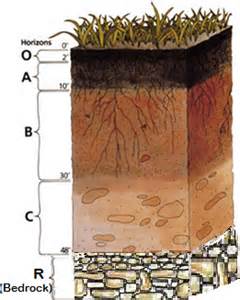
Which horizon is made up of partially weathered rocks?
a)
Horizon A
b)
Horizon B
c)
Horizon C
d)
Horizon D or R
118.
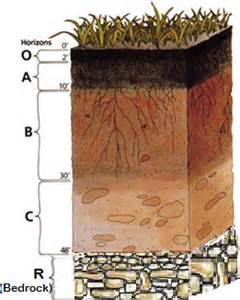
In which horizon is most of the HUMUS?
a)
Horizon A
b)
Horizon B
c)
Horizon C
d)
Horizon D or R
119.
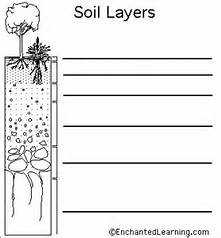
Which horizon contains clay, silt, minerals, and a little humus?
a)
Horizon A
b)
Horizon B
c)
Horizon C
d)
Horizon D or R
120.
In which horizon is the Bedrock
a)
Horizon A
b)
Horizon B
c)
Horizon C
d)
Horizon D or R
121.
There is an unlimited supply of fertile soil.
a)
True
b)
False
122.
Soil's one of the Earth’s most valuable resources. Everything on Earth depends on soil somehow.
a)
True
b)
False
123.
Soil layers are called horizons because...
a)
The layers are all different
b)
The layers are vertical
c)
The layers are horizontal
d)
The layers are above one another
124.

Soil is made of
a)
weathered rocks and minerals
b)
dead plants and animals
c)
air and water
d)
all of the above
125.
What is soil?
a)
A mixture of minerals
b)
A mixture of water, minerals, gases and organic matter
c)
A type of rock
d)
A type of bacteria
100 %

