
 Worksheets
Year 10 Earth Science Revision
Total questions: 73
Worksheet time: 57mins
Name
Class
Date
1.
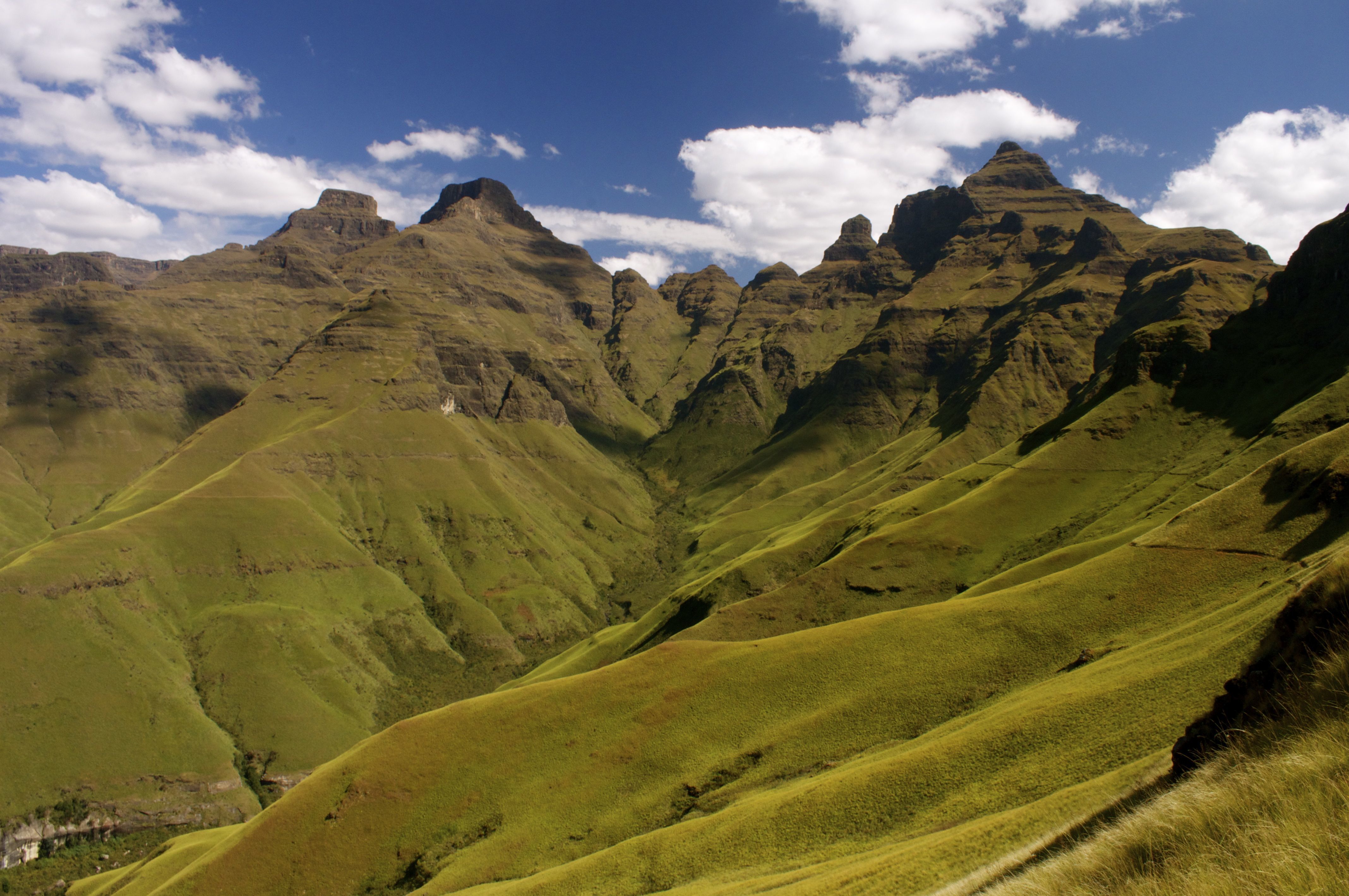
This sphere includes the continents, the ocean floor, all the rocks on the surface, and all of the sand in the deserts.
a)
Hydrosphere
b)
Biosphere
c)
Atmosphere
d)
Geosphere
2.

Composed of all the water on or near the earth
a)
Hydrosphere
b)
Biosphere
c)
Atmosphere
d)
Geosphere
3.
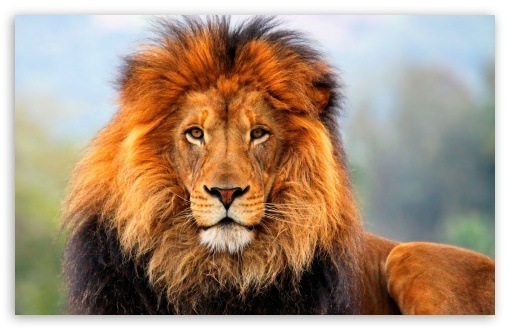
This sphere is composed of all the living things
a)
Hydrosphere
b)
Biosphere
c)
Atmosphere
d)
Geosphere
4.

Body of air surrounding our planet.
a)
Hydrosphere
b)
Biosphere
c)
Atmosphere
d)
Geosphere
5.
Water evaporating from the surface of a lake moves from the...
a)
Atmosphere to the geosphere
b)
Geosphere to the hydrosphere
c)
Hydrosphere to the atmosphere
d)
Atmosphere to the hydrosphere
6.
When dead plants decompose and nitrogen is returned to the soil, the interaction is between which two spheres?
a)
The biosphere and atmosphere
b)
The atmosphere and geosphere
c)
The geosphere and atmosphere
d)
The biosphere and geosphere
7.
When carbon dioxide dissolves from the air into the ocean- the interaction is between...
a)
The atmosphere and geosphere
b)
The atmosphere and hydrosphere
c)
The atmosphere and biosphere
d)
The atmosphere and atmosphere
8.
Organisms need this to make proteins.
a)
carbon
b)
nitrogen
c)
oxygen
d)
ammonia
9.
______ break down decaying matter to release the nutrients needed.
a)
oxygen
b)
consumers
c)
decomposers
d)
sunlight
10.
In the water cycle, rain, snow, sleet and hail are examples of this.
a)
precipitation
b)
condensation
c)
transporation
d)
evaporation
11.
During the water cycle, heat causes this process.
a)
precipitation
b)
evaporation
c)
transpiration
d)
condensation
12.
Carbon dioxide enters the atmosphere through ________.
a)
evaporation
b)
consumption
c)
decomposition
d)
cellular respiration
13.
Carbon is absorbed by producers through _____.
a)
consumption
b)
photosynthesis
c)
evaporation
d)
transpiration
14.
Which of the following provides most of the energy that plants need to grow and reproduce?
a)
nitrogen
b)
oxygen
c)
soil
d)
sunlight
15.
Some bacteria and fungi provide nutrients to soil. What is the main source of energy that bacteria and fungi need in order to provide nutrients in the soil?
a)
water and sugar
b)
sunlight and nitrogen
c)
dead plant and animal remains
d)
oxygen and carbon
16.
change of water from vapor to liquid
a)
evaporation
b)
condensation
c)
combustion
d)
transpiration
17.
Nitrogen fixation is caused by bacteria and ____________?
a)
combustion
b)
forest fire
c)
combustion
d)
lightning
18.
Why is Nitrogen important to living things?
a)
It transports food
b)
It changes substances to simpler molecules
c)
it builds new cells
d)
it cools the body
19.
Why is the carbon cycle important to living things?
a)
It transports a material needed by all living things
b)
It converts nitrogen to a usable form
c)
it converts carbon from a liquid to gas
d)
it transports wastes in organisms
20.
precipitation that seeps into the ground and is stored in spaces or between rocks is called
a)
precipitation
b)
ground water
c)
runoff
d)
transpiration
21.
What is the most prevalent gas (most abundant) in the atmosphere?
a)
Nitrogen
b)
Carbon
c)
Oxygen
d)
Hydrogen
22.
Which of these problems can be caused by air pollution?
a)
Respiratory problems
b)
Reduced food sources for humans
c)
Increased disease for humans
d)
Decrease in global temperatures
23.
Which of these is recycling?
a)
Making a small plastic windmill out of plastic bottles
b)
Fixing up a windmill
c)
Destroying a windmill
24.
Pollution is__________
a)
People have contaminated, or dirtied an area with waste
b)
People have cleaned, or fixed up an area
c)
People have gathered, or collected the trash in the area
25.
It is important to conserve nonrenewable resources because....
a)
may be used up in the future
b)
are easier to find
c)
come from remains of plants or animals
26.
If I hang my laundry out to dry instead of using the dryer I am_______
a)
Reducing energy
b)
Recycling energy
c)
Reusing energy
27.
I can cut down on pollution by_____
a)
Walking to the store
b)
Driving to the store
c)
Throwing everything away
28.

Which of the following best describes what these machines are doing?
a)
Converting wind into energy
b)
Converting wind to drill oil
c)
Converting pollution in the air to clean air
29.
What is conservation?
a)
Use something again and again
b)
Protect and use carefully
c)
Turn it into something else
d)
Use less of and item
30.
Causes stress, high blood pressure, hearing loss
a)
Light pollution
b)
Noise pollution
c)
Indoor air pollution
d)
Sick building syndrome
31.
What is the greenhouse effect?
a)
The warming of a planet due to trapped radiation.
b)
The cooling of Earth due to air pollution.
c)
The heating of a solid, such as a rock.
32.
What gas from the list below is a cause for global warming?
a)
Urethane
b)
Oxygen
c)
Carbon Dioxide
33.

This is an image demonstrating...
a)
Tornado Formation
b)
The Greenhouse Effect
c)
Hurricane Formation
34.
Humans have the ability to cause temperature change.
a)
True
b)
False
35.
Things you can do to help decrease global warming include:
a)
Eat more ice cream.
b)
Keep your freezer door open.
c)
Keep your air conditioner on high.
d)
Turn off your lights when you’re not using them.
36.
Which of the following activities contributes the most to carbon emissions globally?
a)
Deforestation
b)
Agriculture
c)
Burning fossil fuels
d)
Respiration
37.
Melting of glaciers and polar ice caps....
a)
will result in cooler temperatures in the Arctic
b)
will result in sea-levels rising
c)
Will have no effect on ecosystems
d)
None of the above
38.
Where is the ozone located?
a)
troposphere
b)
stratosphere
c)
mesosphere
d)
thermosphere
39.
What chemical is responsible for breaking up the ozone?
a)
CFCs
b)
Carbon Dioxide
c)
Nitrogen
d)
Oxygen
40.
What do we call gases such as carbon dioxide, methane, nitrous oxide, water vapor, and ozone in the atmosphere which are involved in the greenhouse effect?
a)
Bad Gases
b)
Ozone Gases
c)
Greenhouse Gases
d)
Atmospheric Gases
41.
Which of these sets lists the major greenhouse gases?
a)
Nitrous Oxide, Carbon Dioxide, and Methane
b)
Nitrogen, Oxygen, Argon
c)
Nitrous Oxide, Oxygen, and Methane
d)
Nitrogen, Carbon Dioxide, and Methane
42.
What happens to the temperature if more greenhouse gases are released into the atmosphere?
a)
Temperature goes up
b)
Temperature goes down
43.
Without the Greenhouse Effect the Earth would be
a)
warm
b)
cold
c)
dead
44.
Industrialization is a contributing factor to climate change.
a)
True
b)
False
45.
The two largest fuel sources are?
a)
wood and coal
b)
wood and natural gas
c)
oil and nuclear power
d)
coal and oil
46.
Climate change causes extreme weather conditions such as:
a)
excessive heat
b)
drought
c)
extreme storms
d)
all of these
47.
Water vapor is a greenhouse gas
a)
True
b)
False
48.
It was hot all week last week, Is this a sign of climate change?
a)
Yes
b)
No
49.
Some greenhouse gases are naturally present in the Earth's atmosphere
a)
True
b)
False
50.
Which of the following is not a greenhouse gas?
a)
Carbon dioxide
b)
Methane
c)
Water vapour
d)
Nitrogen
51.
What is causing climate change
a)
wind
b)
the sun
c)
green house gasses
d)
water
52.
Global average warming is the result of
a)
The Ozone Hole
b)
Natural Earth Climate Cycles
c)
A Human-Caused Increase in Greenhouse Gases
d)
Aliens
53.
What is the best known and most significant human alteration of the carbon cycle?
a)
Cutting down forests
b)
combustion of fossil fuels
c)
human extraction of fossil fuels
d)
Natural/human caused fires
54.
What is the main problem with fossil fuel energy production?
a)
They pollute & change balance of nature
b)
They are expensive
c)
They are rare
55.
Which of the 4 main categories of energy sources is cleanest?
a)
Fossil fuels
b)
Nuclear
c)
Biomass
d)
Renewable
56.
What problems are caused by using fossil fuels?
a)
Air pollution, Climate change, oil spills, acid rain
b)
Air pollution only
c)
Oil spills only
d)
Climate change only
57.
Renewable sources are those which replenish within ...
a)
a week
b)
a month
c)
a human lifetime
d)
a millenium
58.
What form of renewable energy requires a dam?
a)
solar
b)
nuclear
c)
biomass
d)
hydroelectric
59.
What kind of radioactive rods are used in nuclear fission
a)
phosphate
b)
carbon
c)
uranium
d)
oxygen
60.
Photovoltaic cells convert the energy of the sun to
a)
heat
b)
light
c)
electricity
d)
fuel
61.
Thermal energy from Earth's interior is called____________ energy
a)
geothermal
b)
microthermal
c)
potential
d)
action
62.
Renewable energy resources produce less_____________ than fossil fuels.
a)
pollution
b)
waste
c)
ethanol
63.

In which part should you place a solar panel?
a)
On the top/roof of a building
b)
On the door of a building
c)
On the street
d)
Near a park
64.
Where will it be better to place a wind turbine? Where will it receive more wind?
a)
On top of a hill/mountain
b)
On the bottom of a hill/mountain
c)
Is the same
d)
I don't know
65.
Nuclear Power is -
a)
Renewable
b)
Non-renewable
66.
What is an advantage of nuclear energy?
a)
radioactive waste
b)
no pollution
c)
we will never run out
d)
it is the safest way to make energy
67.
All of the following are problems of nuclear energy except ---
a)
storage of radioactive fuel
b)
pollution
c)
security concerns
d)
natural disasters (tsunamis, earthquakes, etc.)
68.
Which of the following is considered the worst nuclear disaster ever?
a)
The Chernobyl Nuclear Power Plant Disaster
b)
The Fukushima Daiichi Nuclear Disaster
c)
The Three Mile Island Partial Meltdown
d)
The bombings of Nagasaki and Hiroshima
69.
How much of the world's radioactive waste still needs to be permanently disposed of?
a)
20%
b)
about half
c)
a small percentage
d)
almost all of it
70.
Exposure to even small amounts of radiation may cause
a)
DNA changes
b)
asthma
c)
hearing loss
d)
emphysema
71.
Which of the following is NOT a concern about nuclear energy
a)
Waste disposal
b)
Safety
c)
Cost
d)
Inadequate power output
72.
___________________ is when the amount of different types of species becomes smaller.
a)
Overpopulation
b)
Loss of Biodiversity
c)
Pollution
73.
__________________ is too many people in one place for the resources available.
a)
Hunter-Gather
b)
Overpopulation
c)
Pollution
100 %

