wayground logo

Free Printable Worksheets

NEW

Font size

S
M
L
XL
Worksheets

Unit 3 Review

Total questions: 76

Worksheet time: 2hrs 55mins

Name
Class
Date
1.
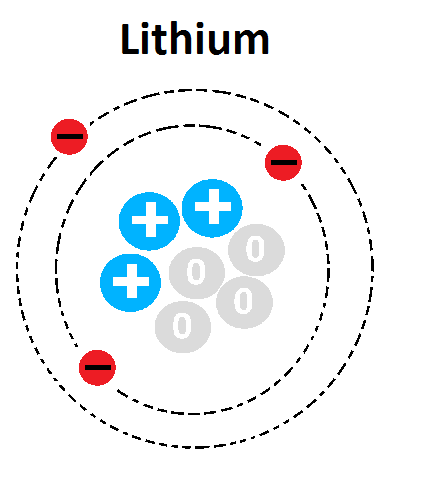
What element is represented in this Bohr Model? 
a)
Carbon
b)
Hydrogen
c)
Aluminum
d)
Lithium
2.
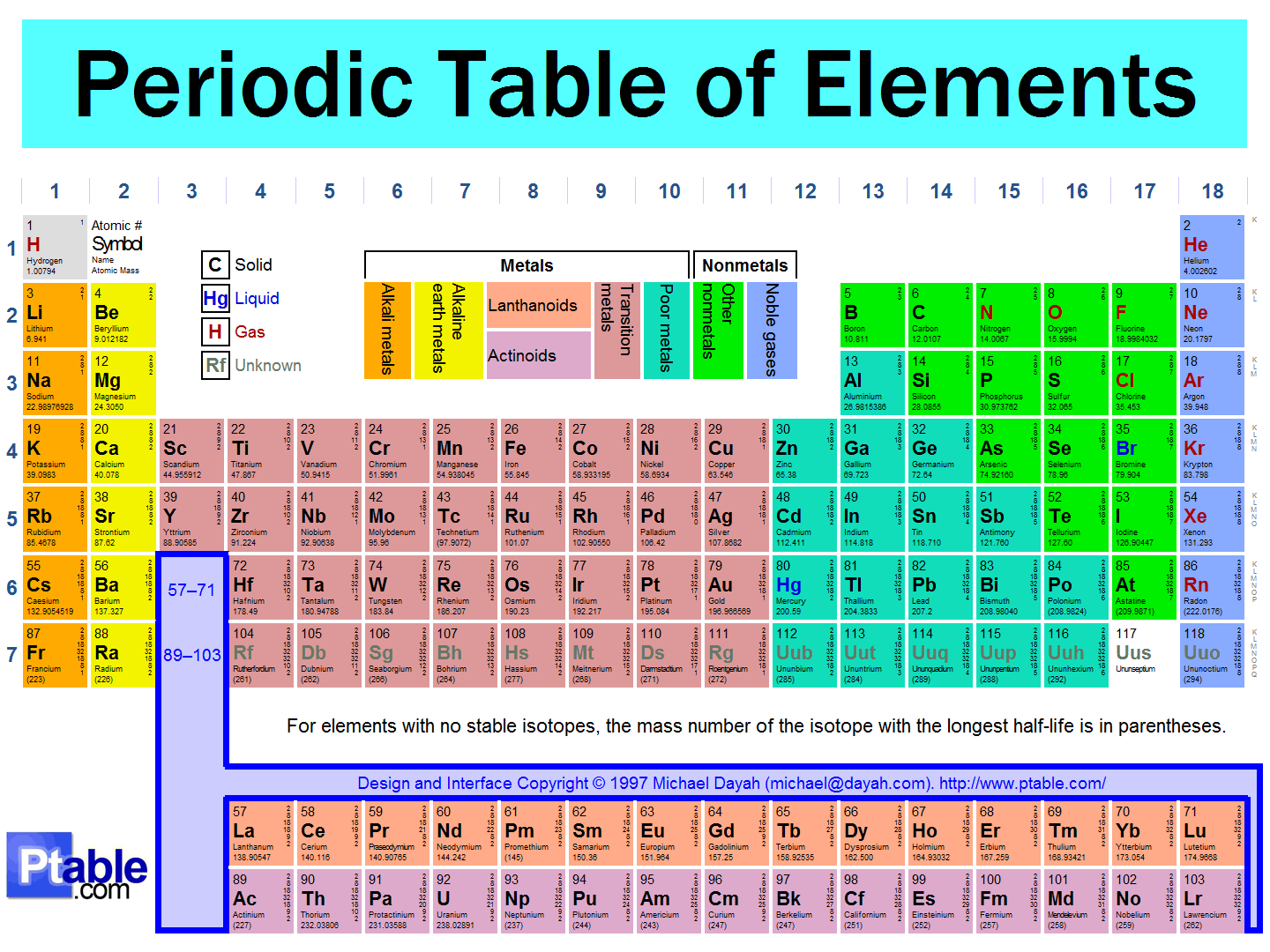
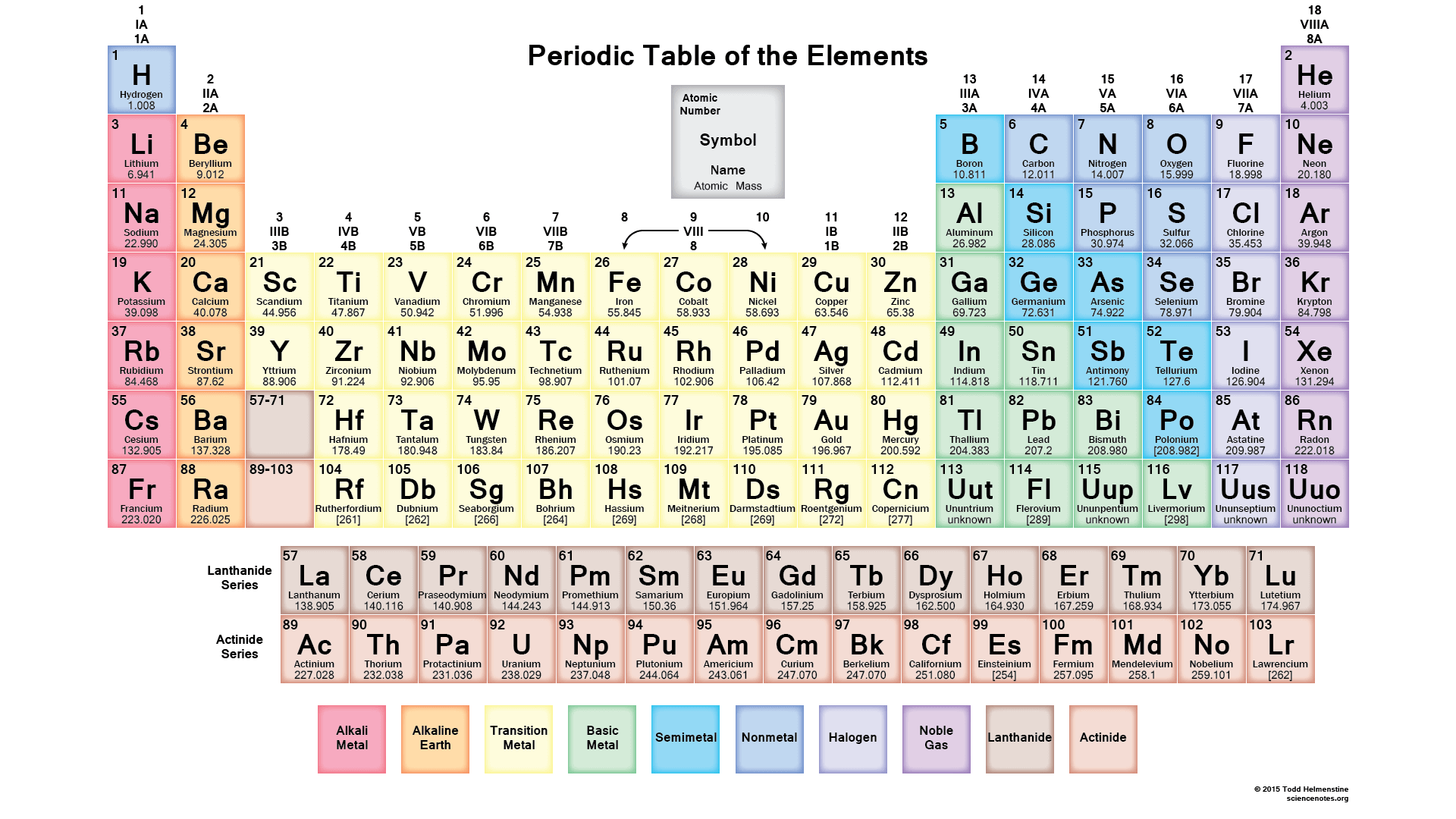
How are the elements in the periodic table arranged?
a)
by their atomic mass
b)
by their chemical symbol
c)
by their chemical name
d)
by their atomic number
3.
The yellow atoms are called 
a)
metals
b)
nonmetals
c)
metalloids
d)
noble gases
4.
The elements in this group have 5 valence electrons and include elements N, P, and As.
a)
Group 5
b)
Group 1
c)
Group 18
d)
Group 15
5.
Elements in Group 2 have
a)
Two energy levels
b)
Two valence electrons
c)
Two compounds
d)
Two electrons
6.
Which group of the periodic table is composed of inert (not reactive)  gases?
a)
alkali metals
b)
alkaline earth metals
c)
halogens
d)
noble gases
7.
Elements which are shiny, conduct electricity and heat are called
a)
metal
b)
nonmetal
c)
metalloid
d)
nonexistent
8.
Metalloids can be described as...
a)
same as nonmetals
b)
bad conductors
c)
characteristics of metals and nonmetals
d)
same as metals
9.
True or False: Elements in a group have the same number of electrons in their outer shell.
a)
true
b)
false
10.
The properties of an element can be predicted from...
a)
color
b)
location on Periodic Table
c)
educated guess
d)
atomic number
11.
Which section are the metals in? 
a)
dark blue
b)
light blue
c)
purple
d)
pink
12.
What happens to the atomic number of elements as you move left to right, up to down on the Periodic Table?
a)
Increases
b)
Decreases
13.
Which group of elements occur only as compounds in nature because they are extremely reactive?
a)
1
b)
18
c)
11
d)
16
14.
Elements in a ..................have similar chemical properties.  
a)
period
b)
group
c)
row
15.
This is the correct dot diagram for sodium (Na)
a)
true
b)
false
16.
This is a correct dot diagram for oxygen (O)
a)
true
b)
false
17.
This is the correct dot diagram for nitrogen (N)
a)
true
b)
false
18.
This is a correct dot diagram for magnesium (Mg)
a)
true
b)
false
19.

This could be the dot diagram of

a)

Ne

b)

H

c)

C

d)

F

20.
The atoms along the staircase are called 
a)
metals
b)
nonmetals
c)
metalloids
d)
noble gases
21.
Which is a halogen?
a)
Helium
b)
Chlorine
c)
Oxygen
d)
Neptune
22.
Which is an alkali metal?
a)
Magnesium
b)
Iron
c)
Sodium
d)
Europium
23.
Where is a proton located?
a)
Around the nucleus
b)
In the nucleus
c)
Outside the nucleus
d)
In & out of the nucleus
24.
What is the charge of an electon?
a)
Positive
b)
Neutral
c)
Negative
25.
What is the charge of a proton
a)
Neutral/No Charge
b)
Negative
c)
Positive
26.
Where are electrons located?
a)
Outside the nucleus
b)
In the nucleus
c)
Outside then inside the nucleus
27.
The atomic number is the same as
a)
Protons & Electrons
b)
Neutrons & Protons
c)
Neutrons & Electrons
d)
None of the Above
28.
Bohr's model of the atom places the electrons where?
a)
Anywhere you want
b)
Randomly around the nucleus
c)
In definite orbits
d)
In the nucleus
29.
Atoms in group 14 have how many valence electrons?
a)
1
b)
2
c)
14
d)
4
30.
What is the equation used to find how many neutrons an atom has?
a)
Mass + Atomic # = Neutrons
b)
Atomic # - Mass = Neutrons
c)
Mass - Atomic # = Neutrons
31.
Most elements occur at what state on the periodic table?
a)
Gas
b)
Plasma
c)
Solid
d)
Liquid
32.
The majority of the elements on the periodic table are?
a)
Metals
b)
Non-metals
c)
Metalloids
33.
What is the atomic mass for an element with 18 protons, 18 electrons, and 22 neutrons.
a)
18
b)
40
c)
36
d)
44
34.
The electrons on the outermost shell are 
a)
valence electrons
b)
bonding electrons
c)
Interior Electrons
35.
Which subatomic particles do not have a charge?
a)
Proton
b)
Neutron
c)
Electron
36.
The maximum number of electrons that the second level can hold is?
a)
2
b)
16
c)
18
d)
8
37.
An atom is stable if it has how many electrons (ignore the one exception to this)
a)
1
b)
4
c)
8
d)
18
38.
This element is located in the 4th Period & 15th group.
a)
Sb
b)
As
c)
Bi
d)
N
39.
How many valence electrons does Gallium have?
a)
3
b)
6
c)
13
d)
4
40.
Moving down a group the number of valence electrons?
a)
increases
b)
there is no trend/pattern
c)
stays the same
d)
decreases
41.
Every atom on the periodic table has a different ....
a)
atomic number
b)
neutron number
c)
founder
42.
Elements in period 5 will have
a)
5 valence electrons
b)
5 energy levels or shells
c)
5 protons
d)
none of these
43.

What is a bohr model??

a)

Atoms

b)

Shells atoms are placed on

c)

Protons

d)

Electron shells

44.

What are the electrons on the outer most shell called?

a)

Valence Electrons

b)

Protons

c)

Negatives

d)

Bohr Models

45.

ROWS on the periodic table are also known as??

a)

PERIODS

b)

I don't know

c)

columns

d)

Tables

46.

Where does electrons fill the energy levels??

a)

The nucleus

b)

The middle

c)

From the inside to the the out side

d)

The first shell

47.

How many electrons can the 1st level hold??

a)

8

b)

55

c)

6

d)

2

48.
What is the mass number of this atom?
a)
1
b)
3
c)
4
d)
7
49.

This is a correct dot diagram for oxygen (O)

a)

true

b)

false

50.
The horizontal row on the periodic table is called a
a)
group
b)
family
c)
period
d)
atomic number
51.
A vertical column is called...
a)
group
b)
tower
c)
period
d)
crew
52.
A rule that states that repeating chemical and physical properties of elements change periodically with the atomic number of the elements is the _________.
a)
periodic law
b)
alkaline-earth metals
c)
actinide
d)
group rule
53.
Pure forms of these elements are stored in oil so they won't react with oxygen and water in the air.
a)
Alkali Metals
b)
Alkaline-earth metals
c)
Halogens
d)
Noble Gases
54.
Most of the elements on the periodic table are classified as _____.
a)
Metals
b)
Nonmetals
c)
Metalloids
d)
Periods
55.
This class of elements are sometimes called "semiconductors."
a)
Metals
b)
Nonmetals
c)
Metalloids
d)
Groups
56.
The atomic number tells you what?
a)
number of electrons
b)
number of protons
c)
number of neutrons
d)
both electrons and protons in an atom.
57.
Elements which are shiny, conduct electricity and heat are called
a)
metal
b)
nonmetal
c)
metalloid
d)
nonexistent
58.
Which element is not a metal?
a)
H
b)
Re
c)
Al
d)
B
59.
The atoms along the staircase are called 
a)
metals
b)
nonmetals
c)
metalloids
d)
noble gases
60.
Which is a halogen?
a)
Helium
b)
Chlorine
c)
Oxygen
d)
Neptune
61.
Which is an alkali metal?
a)
Magnesium
b)
Iron
c)
Sodium
d)
Europium
62.
Elements in a ..................have similar chemical properties.  
a)
period
b)
group
c)
row
63.
A proton is....
a)
A negatively charged subatomic particle
b)
A positively charged subatomic particle
c)
A neutrally charged subatomic particle
d)
The only subatomic particle located in the nucleus
64.
A neutron has a charge of
a)
+2
b)
No charge
c)
-1
d)
+1
65.

The vertical (up and down) columns in the Periodic Table are called

a)

groups

b)

towers

c)

periods

d)

atomic numbers

66.
The Modern Periodic Table of Elements is arranged by
a)
atomic mass
b)
atomic number
c)
valence electrons
d)
number of isotopes
67.
Sodium (Na) is found in period 
a)
3
b)
2
c)
4
d)
1
68.
Sodium (Na) is found in group 
a)
1
b)
2
c)
3
d)
4
69.
The atomic number tells you what?  READ THE ANSWERS CAREFULLY
a)
only the number of electrons
b)
 only the number of protons
c)
only the number of neutrons
d)
the number of both electrons and protons in an atom.
70.
What does the atomic mass tell you? 
a)
Basically,the number of electrons and protons
b)
The number of neutrons
c)
Basically, the number of protons and neutrons
d)
The number of protons.
71.
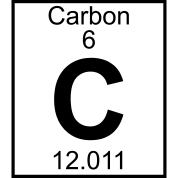
What does the 6 represent?
a)
atomic mass
b)
atomic number
c)
element name
d)
chemical symbol 
72.
What does 12.011 represent?
a)
atomic mass
b)
atomic number
c)
element name
d)
chemical symbol 
73.

The horizontal (side to side) rows in the Periodic Table are called

a)

groups

b)

families

c)

periods

d)

atomic numbers

74.

period

a)

Elements that occur in vertical columns on the periodic table.

b)

A horizontal row of elements in the periodic table

c)

Found in group two of the periodic table; highly reactive

d)

A subatomic particle that has a negative charge

75.

neutron

a)

A subatomic particle that has a positive charge and that is found in the nucleus of an atom

b)

not able to conduct heat or electricity, little to no metallic luster

c)

A subatomic particle that has a negative charge

d)

A small particle in the nucleus of the atom, with no electrical charge

76.

choose the metalloid element

a)

Alumunium

b)

Germanium

c)

Silver

d)

Helium