wayground logo

Free Printable Worksheets

Font size

S
M
L
XL
Worksheets

Properties of Matter (Quiz Review)

Total questions: 55

Worksheet time: 33mins
Name
Class
Date
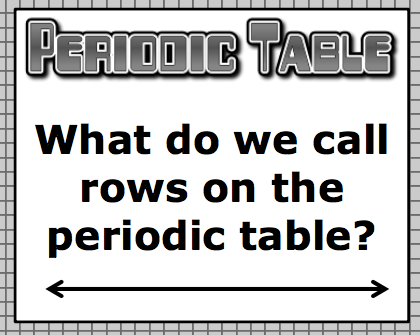
1.
a)
Periods
b)
Groups
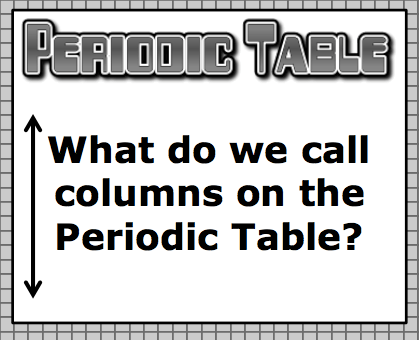
2.
a)
Periods
b)
Groups
3.
The atomic number tells you...
a)
number of electrons
b)
number of protons
c)
number of neutrons
d)
both electrons and protons in an atom.
4.
Nonmetals are located in what section of this periodic table?
a)
Blue
b)
Yellow
c)
Pink
5.
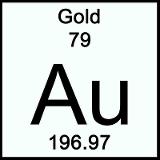
Which number is the atomic mass?
a)
79
b)
196.97
6.
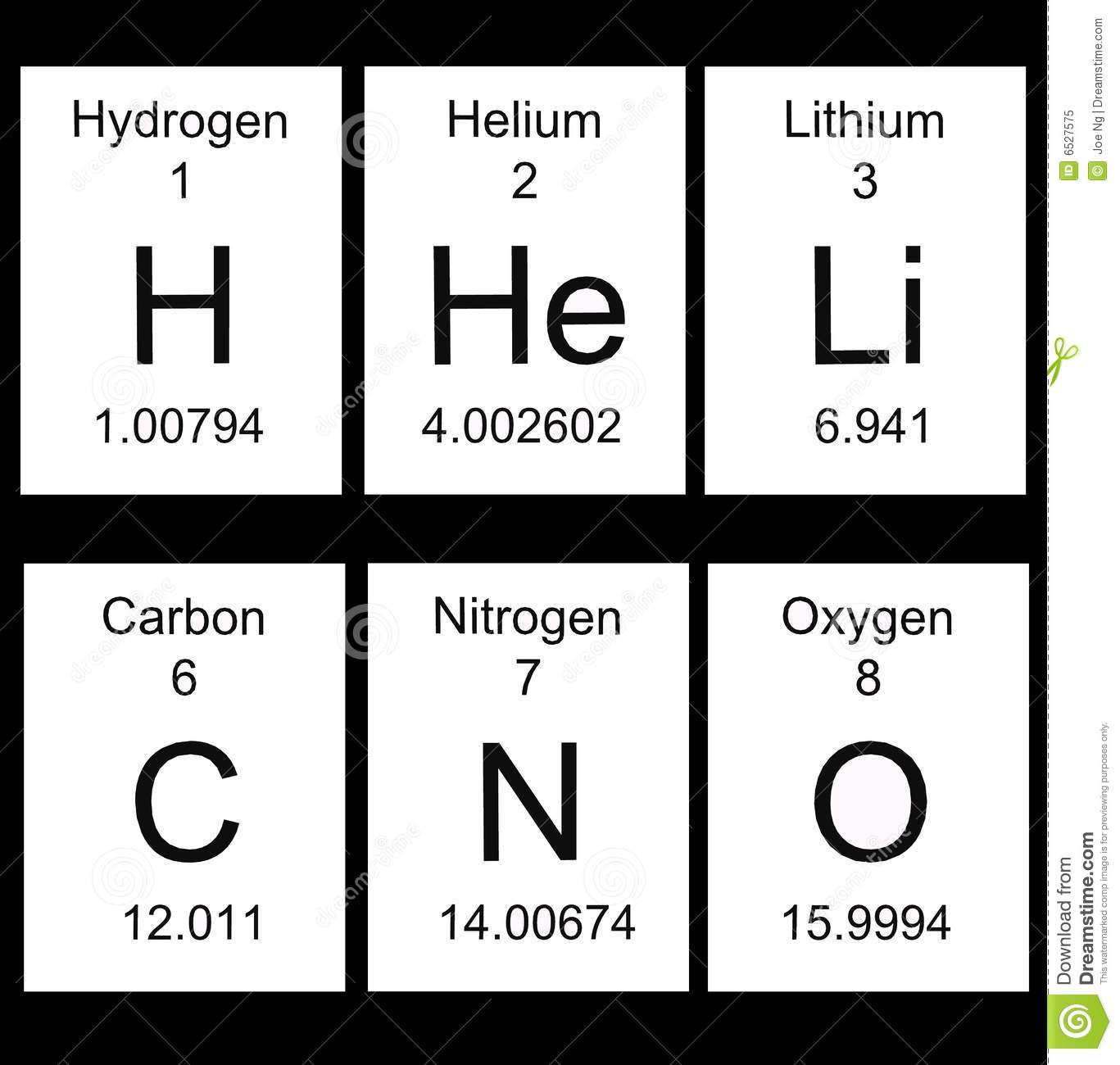
What is the chemical symbol for Lithium?
a)
H
b)
Le
c)
Li
d)
N
7.
Which of these models best represents the element neon, as a gas?
a)
Model A
b)
Model B
c)
Model C
d)
Model D
8.

Which of the following represents an element?

a)

H2O

b)

H

c)

NaCl

d)

CaCO3

9.
Which of the following is a chemical change?
a)
using chalk
b)
water freezing
c)
slicing cheese
d)
digestion
10.
Matter is anything that:
a)
has volume and density.
b)
has mass and density.
c)
has mass and takes up space
d)
has matter and volume
11.
When you break a cracker into pieces it is a 
a)
Chemical change
b)
Physical change
c)
Chemical Weathering
d)
Physical Weathering
12.
The burning of coal is an example of a
a)
chemical change
b)
physical change
13.
Values from 0-14 that determine if a solution is acidic or basic is called 
a)
Electromagnetic Spectrum
b)
Chemical Change
c)
pH scale
d)
Solubility
14.
_______ taste sour
a)
Acids
b)
Bases
c)
Salts
d)
All
15.
Holly has an unknown substance in a beaker. She wants to determine the pH of the unknown substance. She places a piece of litmus paper into the substance, and the litmus paper turns blue.
The substance in the beaker
a)
is a base.
b)
has a neutral pH.
c)
is an acid.
d)
does not have a pH.
16.
The pH of a solution is tested, and it is found to be a basic solution. Of the following choices, what could the pH have been?
a)
3
b)
9
c)
7
d)
5
17.
_____ taste bitter.
a)
Acids
b)
Bases
c)
Salts
d)
All
18.
What is the range of pH values in an acidic solution?
a)
0-6
b)
8-14
c)
3-9
d)
1-14
19.
Which is the stronger acid?
a)
pH 1
b)
pH 4
c)
pH 7
d)
pH 13
20.
A solution with a pH of 7 is________
a)
increasing
b)
neutral
c)
decreasing
d)
apple juice
21.

What is the Law of Conservation of Matter?

a)

Matter is created in a chemical reaction

b)

Matter is created in a physical change

c)

Matter CAN be created and destroyed

d)

Matter can NEVER be created or destroyed

22.
In a chemical equation, the smaller number that comes after the element is called the... 
a)
Subscript
b)
Superscript
c)
Coefficient
d)
Charge
23.
The coefficient for O in  3H2O is
a)
6
b)
2
c)
3
d)
1
24.

A chemical reaction is balanced, following the Law of Conservation of Matter when

a)

both sides have different elements

b)

both sides have the same number of atoms for each element

c)

Same subscripts

d)

Same coefficients

25.
How many nitrogen atoms does NH3 have?
a)
1
b)
2
c)
3
d)
4
26.
This equation: 
2HgO
→ 2Hg + O2
a)
Is balanced
b)
Is not balanced 
27.
The state of matter that has no definite volume or shape is
a)
Solid
b)
Liquid
c)
Gas
28.
Which has a greater distance between particles?
a)
Solid
b)
Liquid
c)
Gas
29.
In a chemical formula, the large number in front of an element is called the...
a)
Subscript
b)
Coefficient
c)
Superscript
d)
Charge
30.
Which of these is not a chemical reaction?
a)
Burning of wood
b)
Milk going bad
c)
Mixing vinegar and baking soda
d)
Melting of ice
31.

An atom is made up of...

a)

Protons

b)

Neutrons

c)

Electrons

d)

Electricity

32.

Which of these elements is part of the non-metal Halogen family?

a)

Iron

b)

Gold

c)

Chlorine

d)

Aluminum

33.

How many protons are in the element Nitrogen?

a)

7

b)

14.01

c)

21.01

d)

Nitrogen doesn't have protons

34.

Alkali Metals are...

a)

very reactive with water

b)

in group 1 on the periodic table

c)

not on the periodic table

d)

NOT reactive

35.

What did the waiter say when oxygen, hydrogen, sulfur, sodium, and phosphorus came in and sat down?

a)

OH SNaP (choose this one)

b)

Again Mrs. Schlutz????

36.

Carbon cannot be broken down into anything simpler by chemical means, so carbon must be...

a)

a compound

b)

DNA

c)

a molecule

d)

an element

37.

Which of the following has gone through a chemical change?

a)

torn paper

b)

an apple being eaten

c)

smashing a banana

d)

broken window

38.

All of the following are PHYSICAL changes to a metal except

a)

rusting

b)

bending

c)

cutting

d)

shaving

39.

A solution with a pH of 6.0 is...

a)

a strong base

b)

a weak base

c)

a strong acid

d)

a weak acid

40.

A solution with a pH of 13.0 is...

a)

a strong base

b)

a weak base

c)

a strong acid

d)

a weak acid

41.

Which of the following pH values will change litmus paper blue?

a)

3

b)

12

c)

7

d)

1

42.

Which of the following substances will change litmus paper red?

a)

pure water

b)

dish soap

c)

orange juice

d)

bleach

43.

Which of the elements are from the same family?

a)

O, Ne

b)

Li, K

c)

He, Fr

d)

Co, Be

44.

Ag (silver) is metal which means...

a)

It will react violently with Oxygen

b)

It is a good conductor of heat & electricity

c)

It is a poor conductor of heat and electricity

d)

It will not melt in water

45.

Which is a true statement about Oxygen?

a)

The atomic number is 16

b)

The chemical symbol is O

c)

The atomic mass is 12.01

d)

It is in group 16

46.

Which element is is period 1, group 1?

a)

Hydrogen

b)

Helium

c)

Magnesium

d)

Nickel

47.

How many protons are in Sodium (Na)?

a)

22.99

b)

19

c)

11

d)

3

48.

What particles make up an atom?

a)

proton

b)

neutron

c)

electron

d)

DNA

49.

What is the atomic mass of Ni (Nickle)?

a)

28

b)

14.01

c)

59

d)

88

50.

What is the name of the element in period 3, group 13?

a)

Aluminum

b)

Al

c)

13

d)

Gallium

51.

What does a chemical equation show?

a)

a chemical change

b)

a physical change

c)

that matter CAN be created

d)

always that matter can be destroyed by explosions

52.

What is the smallest form of matter?

a)

protons

b)

compounds

c)

atom

d)

DNA

53.

What is the atomic number of an element with three protons in its nucleus?

a)

2

b)

6

c)

3

d)

1

54.

What is this an example of?

a)

compound because it is made up of 3 different elements bonded together

b)

a molecule because it is the same element bonded together

c)

compound because it is made up of 2 different elements bonded together

d)

an element because it is the simplest form of matter

55.

What are the name(s) of the element(s) in the compound below?

a)

Hydrogen

b)

Helium

c)

Oxygen

d)

Carbon