
NEW
Font size
S
M
L
XL
 Worksheets
Genetics Review - Academic
Total questions: 32
Worksheet time: 18mins
Name
Class
Date
1.
In asexual reproduction, all of the offspring are:
a)
Genetically Unique
b)
Genetically Identical
c)
Physically and Genetically Identical
d)
Not Identical
2.
A hydra reproduces when an outgrowth, or bud, forms and continues to develop until it falls off of the parent. This is an example of:
a)
Binary Fission
b)
Sporulation
c)
Budding
d)
Vegetative Propagation
3.
How many parent(s) are needed for asexual reproduction?
a)
4
b)
1
c)
2
d)
10
4.
What are some of the facts about asexual reproduction?
a)
Takes only one mate to reproduce and takes a longer time to reproduce
b)
Takes a shorter amount of time to reproduce and it takes two mates to reproduce
c)
Reproduces diverse offspring and takes a longer time to reproduce
d)
Takes only one mate to reproduce and takes a shorter time to reproduce
5.
This produces 2 identical cells.
a)
mitosis
b)
meiosis
6.
What parts of the chromosome codes for traits?
a)
Genes
b)
Deoxyribonucleic Acid
c)
Chromosomes
d)
Nucleus
7.
What does heredity mean?
a)
DNA being passed down from one generation to the next.
b)
Passing down acquired characteristics to your offspring.
c)
Leaving money in a will to your children
d)
All DNA is kept in the nucleus
8.
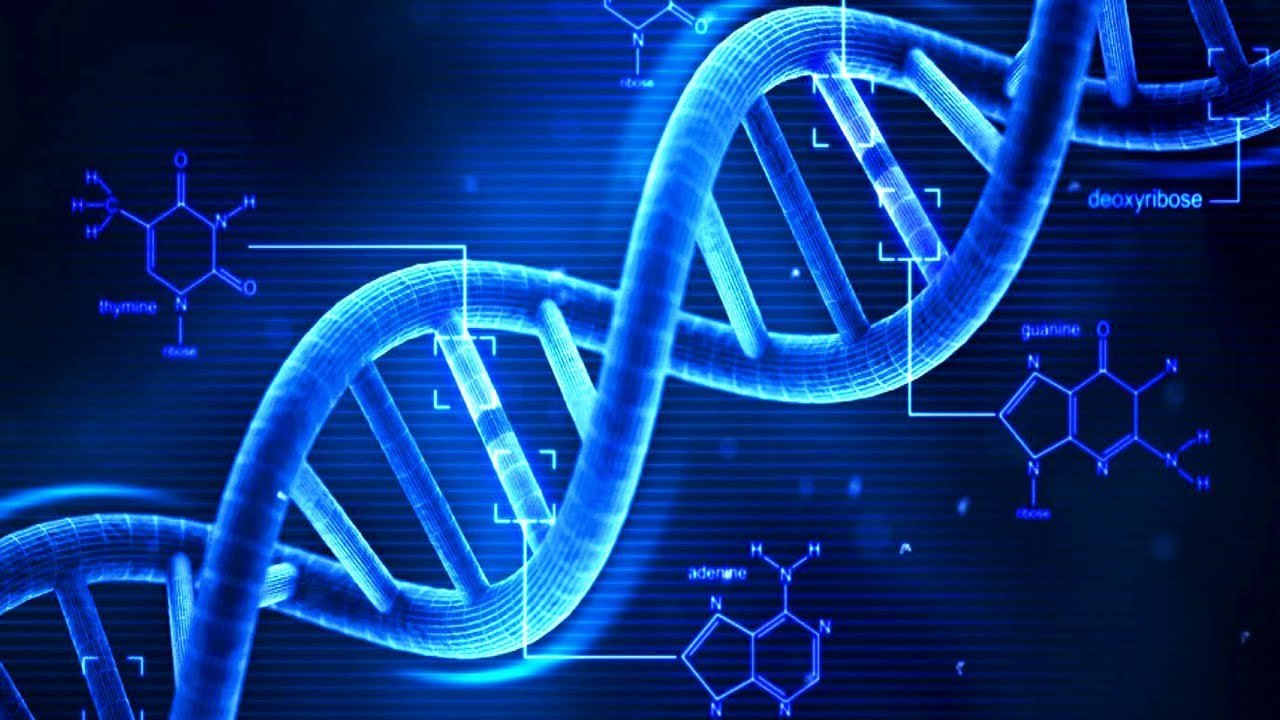
When comparing the offspring of sexually and asexually reproducing organisms, we would expect the genetic material (DNA) of the sexually reproducing organism to -
a)
contain fewer mutations
b)
be lesser in quantity
c)
be simpler
d)
show more variation
9.
What are some of the facts about sexual reproduction?
a)
Takes two mates to reproduce and takes a longer time to reproduce
b)
Takes one mate to reproduce and takes a shorter amount of time to reproduce
c)
Takes two mates to reproduce and takes a shorter amount of time to reproduce
d)
Takes one mate to reproduce and takes a longer amount of time to reproduce
10.
What percent of your chromosomes came from a sperm cell?
a)
75%
b)
25%
c)
50%
d)
100%
11.
Sexual reproduction requires _____ parent(s) and asexual reproduction requires _____parent(s).
a)
1, 1
b)
2, 2
c)
2, 1
d)
1, 2
12.
What is an advantage of sexual reproduction?
a)
Allows genetic variation
b)
Only needs one parent
c)
Happens very quickly
d)
Offspring are exact copies of parent
13.
The man who studied peas and patterns of heredity was
a)
Watson
b)
Crick
c)
Mendel
d)
Darwin
14.

Genotype refers to ...
a)
the physical expression of the genes
b)
the possible combination of alleles in a gene
c)
whether an allele is dominant or recessive
d)
how an organism will appear
15.

Squidward has light blue skin, and his genotype for this trait is Bb. Would Squidward be considered a purebred or hybrid for light blue skin?
a)
Homozygous (Purebred)
b)
Heterozygous (Hybrid)
16.

An offspring will receive how many alleles from each parent to determine a specific trait?
a)
one
b)
two
c)
three
d)
five
17.
Which of the following is a phenotype?
a)
BB
b)
Bb
c)
bb
d)
Blue eyes
18.
What is a phenotype?
a)
The genetic make up (code)
b)
The physical trait
19.
Two brown eyed parents (Bb) have a baby. What is the chance the baby is blue eyed?
a)
0 %
b)
25%
c)
50%
d)
75%
20.
G = green, g = yellow
The genotype for a yellow plant is...
The genotype for a yellow plant is...
a)
GG
b)
Gg
c)
gg
d)
all of the choices result in yellow
21.
An allele whose trait only shows up when no dominant allele is present
a)
hidden allele
b)
dominant allele
c)
recessive allele
d)
present allele
22.
Passing of traits from one generation to the next
a)
Heredity
b)
Genetics
c)
Inheritance
d)
Allele
23.
Scientific study of how traits are passed to offspring through genes
a)
Heredity
b)
Genetics
c)
Inheritance
d)
Allele
24.
Alternate form of a gene for a single trait; may be dominant or recessive
a)
Heredity
b)
Genetics
c)
Inheritance
d)
Allele
25.
Segment of DNA on a chromosome that contains instructions for protein synthesis and controls a particular inherited trait
a)
Gene
b)
Pedigree
c)
Punnett Square
d)
Dominant
26.
An allele whose trait always shows up in the organism when the allele is present
a)
Gene
b)
Pedigree
c)
Punnett Square
d)
Dominant
27.
A chart that shows all the possible combinations of alleles that can result from a genetic cross
a)
Gene
b)
Pedigree
c)
Punnett Square
d)
Dominant
28.
An organism’s physical appearance, or visible traits
a)
Recessive
b)
Genotype
c)
Phenotype
d)
Heterozygous
29.
Having two different alleles for a given trait, usually one dominant and one recessive
a)
Recessive
b)
Homozygous (Purebred)
c)
Phenotype
d)
Heterozygous (Hybrid)
30.
An allele that is masked when a dominant allele is present
a)
Recessive
b)
Genotype
c)
Phenotype
d)
Hybrid
31.
An organism’s genetic makeup, or allele combinations
a)
Recessive
b)
Genotype
c)
Phenotype
d)
Hybrid
32.
Having two identical alleles for a given trait, either both dominant or both recessive
a)
Purebred
b)
Selective Breeding
c)
Mutation
d)
Carrier
Reset

