
 Worksheets
Cardiovascular and Respiratory Systems Review
Total questions: 78
Worksheet time: 58mins
Name
Class
Date
1.
How many chambers does the heart have ?
a)
4
b)
6
c)
3
d)
1
2.
blood vessels that carry blood to the heart; have valves to prevent the backflow of blood
a)
arteries
b)
veins
c)
capillaries
3.
The left side of the heart pumps deoxygenated blood
a)
True
b)
False
4.
____________carry blood away from the heart
a)
bronchioles
b)
arteries
c)
veins
d)
capillaries
5.

Identify
a)
Left atrium
b)
Right atrium
c)
Left ventricle
d)
Right ventricle
6.
muscular wall that separates the heart into right and left sides
a)
valves
b)
ventricles
c)
atria
d)
septum
7.

What does Deoxygenated mean?
a)
Oxygen-rich
b)
Blood flow
c)
Oxygen-poor
d)
Water Flow
8.
Valve between the right atrium and right ventricle
a)
mitral
b)
tricuspid
c)
aortic
d)
pulmonary
9.
valve between the left atrium and left ventricle
a)
mitral
b)
tricuspid
c)
aortic
d)
pumonary
10.
How big is your heart?
a)
The size of your stomach
b)
The size of your foot
c)
The size of your fist
d)
The size of your brain
11.
Veins draining the head and arms exmpty into the ____, which carries blood to the right atrium of the heart
a)
.inferior vena cava
b)
common iliac vein
c)
great saphenous vein
d)
superior vena cava
12.
The walls of which chamber are the thickest?
a)
left ventricle
b)
left atrium
c)
right atrium
d)
right ventricle
13.
What is the another name for high blood pressure?
a)
Atherosclerosis
b)
Hypertension
c)
Heart attack
d)
Stroke
14.
Which of the following are the blood vessels that helps blood flow to the heart?
a)
Veins
b)
Arteries
c)
Cappillaries
15.
Which of the following are the blood vessels that helps blood flow away from the heart?
a)
Veins
b)
Arteries
c)
Cappillaries
16.
Which of the following fights infection?
a)
Red Blood cells
b)
White blood cells
c)
Platelets
d)
Plasma
17.
Which of the following delivers oxygen to cells?
a)
Red Blood cells
b)
White blood cells
c)
Platelets
d)
Plasma
18.
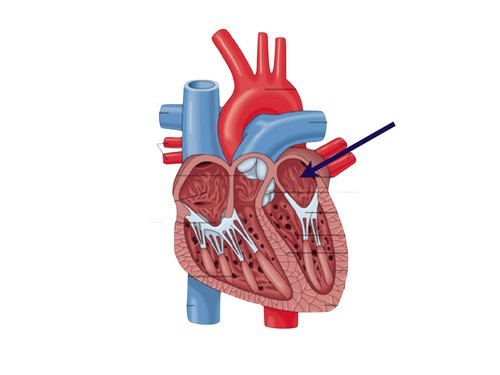
Identify
a)
Left atrium
b)
Right atrium
c)
Left ventricle
d)
Right ventricle
19.
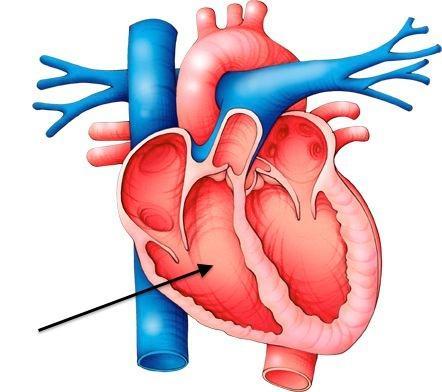
Identify
a)
Left atrium
b)
Right atrium
c)
Left ventricle
d)
Right ventricle
20.
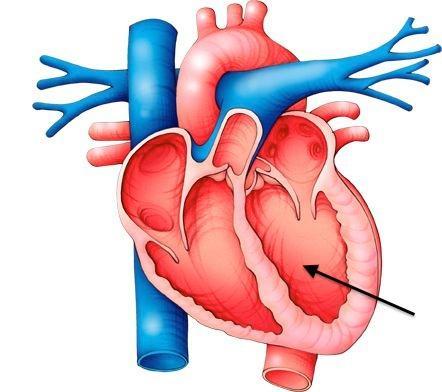
Identify
a)
Left atrium
b)
Right atrium
c)
Left ventricle
d)
Right ventricle
21.
What type of muscle do you find in the heart?
a)
smooth muscle
b)
Skeletal muscle
c)
cardiac muscle
22.
arteries, veins, and capillaries are three types of __________
a)
heart valves
b)
blood vessels
c)
cells
d)
veins
23.

What does blood transport?
a)
Oxygen
b)
All of the answers provided are transported in blood
c)
wastes
d)
nutrients
24.
The circulatory system carries _______ & ______ to cells.
a)
nutrients and oxygen
b)
waste and carbon dioxide
c)
stomach acid and blood
25.
Your left ventricle pushes blood to the lungs.
a)
False
b)
True
26.
Your right ventricle pushes blood to the:
a)
body
b)
lungs
c)
stomach
27.
Blood becomes oxygenated in the lungs
a)
True
b)
False
28.
The two upper chambers of the heart are called:
a)
ventricles
b)
atria
c)
valves
29.
Pulmonary Artery
a)
carries oxygenated blood to atrium
b)
carries deoxygenated blood to lungs
c)
carries oxygenated blood to lungs
d)
none of the above
30.
Pulmonary vein
a)
carries oxygenated blood to left atrium
b)
carries deoxygenated blood to left ventricle
c)
carries oxygenated blood to left ventricle
d)
carries deoxygenated blood to left atrium
31.
The right side of the heart carries oxygenated blood
a)
True
b)
False
32.
What do white blood cells do?
a)
Fight infection and disease
b)
Carry oxygen
c)
Carry nutrients
d)
Absorb carbon dioxide
33.
What do red blood cells do?
a)
Carry oxygen
b)
Fight infection and disease
c)
Produce carbon dioxide
34.
Red blood cells are produced in the...
a)
pancreas
b)
Heart
c)
Muscles
d)
Bone marrow
35.
White blood cells (WBC’s), red blood cells (RBC’s), plasma, & platelets are the 4 parts of what?
a)
blood vessels
b)
organs
c)
heart disease
d)
blood
36.
Which order is correct?
a)
Superior and inferior vena cavas into the right atrium through the tricuspid valve
b)
Superior and inferior vena cavas into the left atrium through the bicuspid valve
c)
right ventricle through the tricuspid valve into the right atrium
d)
body cells and tissues to the aorta through the aortic valve
37.
Which of the following cells are responsible for fighting diseases?
a)
thrombocytes
b)
erythrocytes
c)
leukocytes
d)
platelets
38.
What part of blood is responsible for carrying wastes, nutrients, and minerals?
a)
Red Blood Cells
b)
White Blood Cells
c)
Platelets
d)
Plasma
39.
What part of blood is responsible for clotting blood?
a)
Red Blood Cells
b)
White Blood Cells
c)
Platelets
d)
Plasma
40.
The liquid portion of the blood is referred to as:
a)
Plasma
b)
Erythrocytes
c)
Water
d)
Leukocytes
41.
Inhale!!!!
Your lungs are ___________ air
Your lungs are ___________ air
a)
taking in
b)
letting out
42.
EXHALE!!!
My lungs are __________________ air.
My lungs are __________________ air.
a)
taking in
b)
letting out
43.
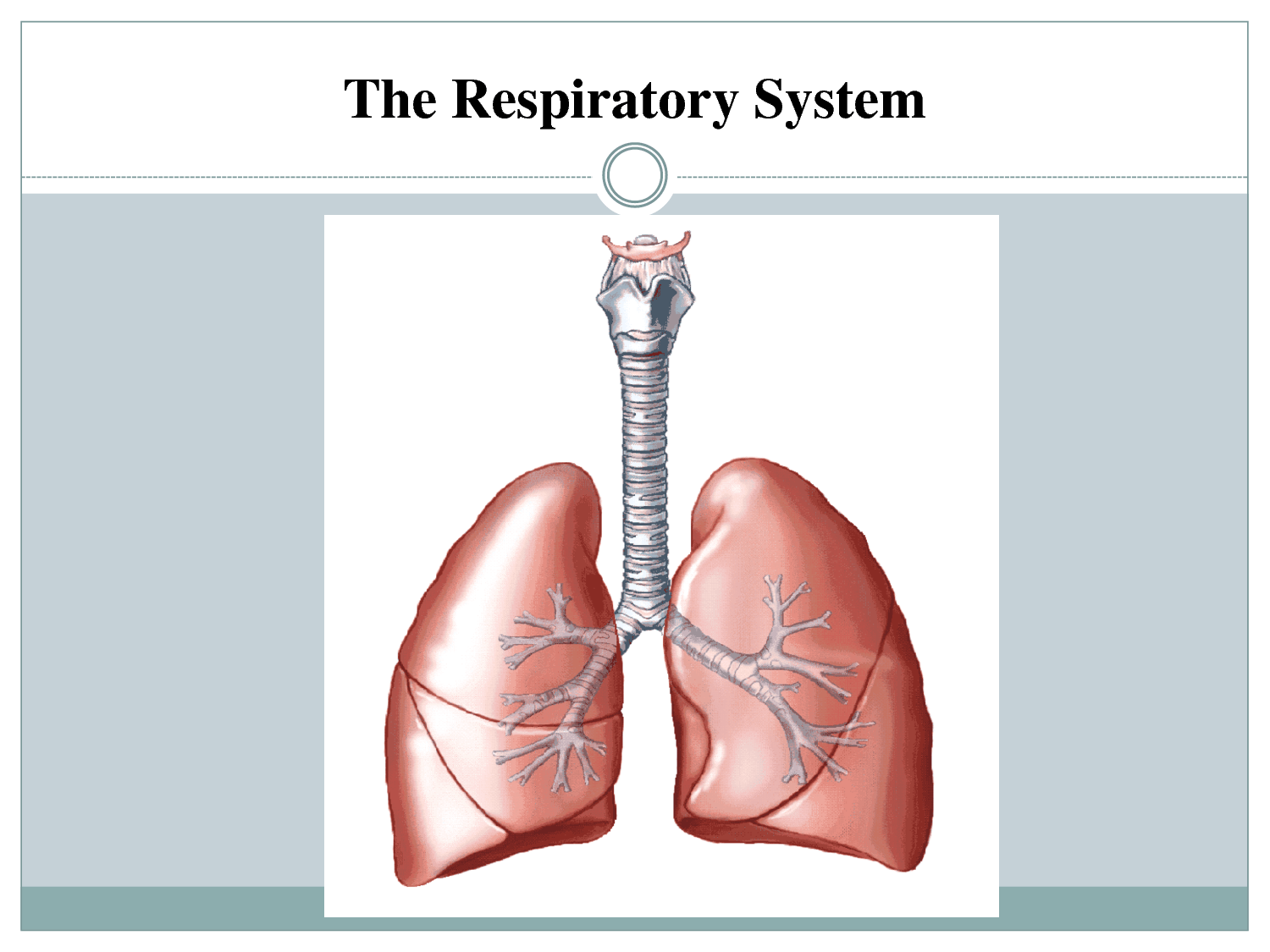
What is the main function of the respiratory system?
a)
to provide oxygen and remove carbon dioxide from the body
b)
to bring oxygen to the body
c)
to break down food and absorb nutrients
d)
to remove oxygen from the body and deliver carbon dioxide
44.
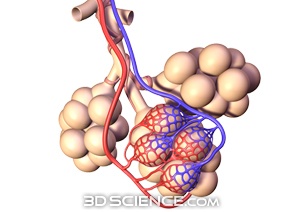
When you breathe, your lungs take in ___ and remove ___.
a)
air/oxygen
b)
oxygen/carbon dioxide
c)
carbon dioxide/waste
d)
waste/air
45.
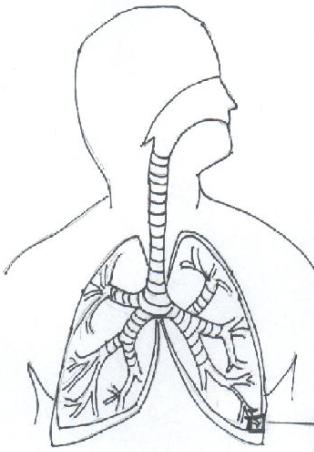
What is the function of the bronchi?
a)
Transport air from nose to lungs
b)
Transport air from trachea to lungs
c)
Transport air from lungs to alveoli
d)
Transport air from alveoli to blood
46.
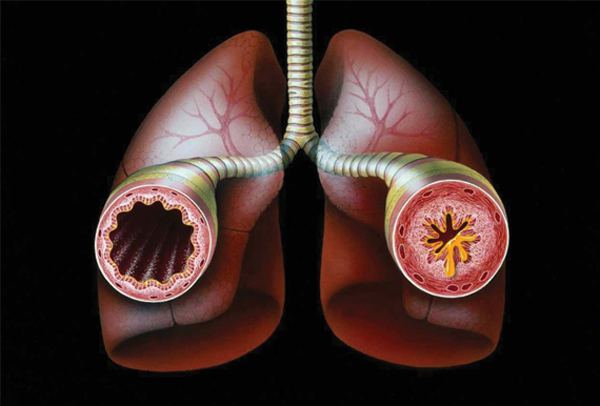
A disorder of the lungs called ____ causes the bronchi to become restricted (get smaller) so air can't get to the lungs.
a)
asthma
b)
cold
c)
influenza
d)
bronchitis
47.
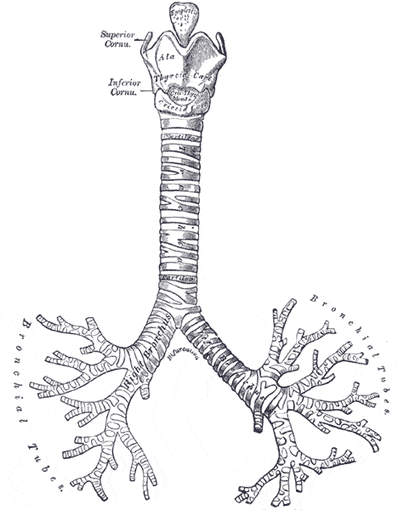
The two main branches from the trachea (one to each lung)
a)
bronchi
b)
alveoli
c)
capillaries
d)
bronchioles
48.
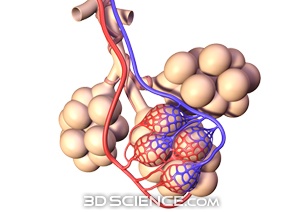
The air sacs that are covered with capillaries where gas exchange takes place
a)
bronchi
b)
lungs
c)
oxygen
d)
alveoli
49.

Within the lungs, the exchange of oxygen and carbon dioxide occurs between the ___ and the capillaries.
a)
trachea
b)
bronchi
c)
alveoli
d)
diaphragm
50.
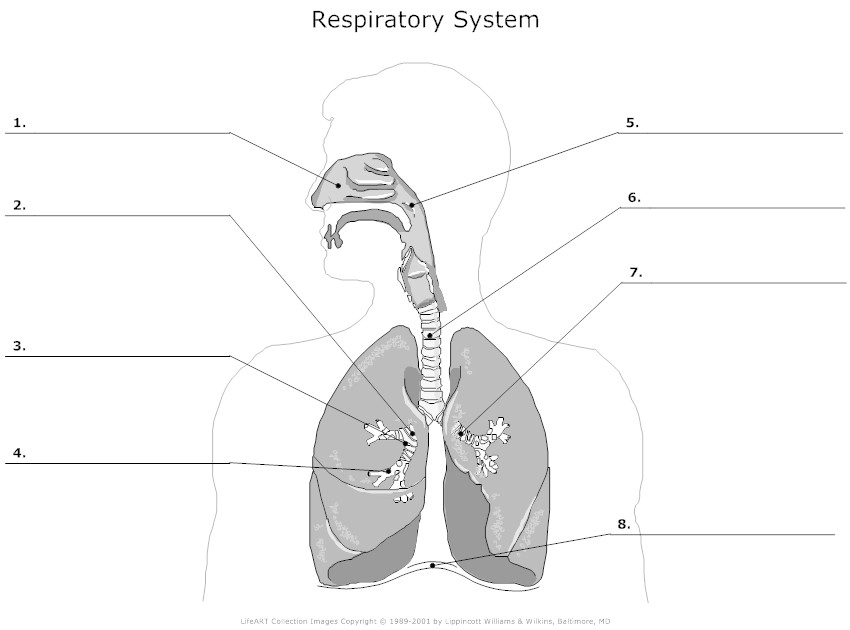
Name the organ label # 6.
a)
alveoli
b)
bronchi
c)
trachea
d)
lungs
51.
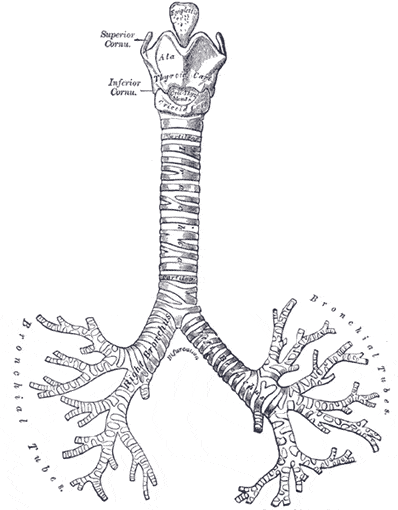
What is tube that is also known as your wind pipe?
a)
esophogus
b)
bronchi
c)
trachea
d)
alveoli
52.
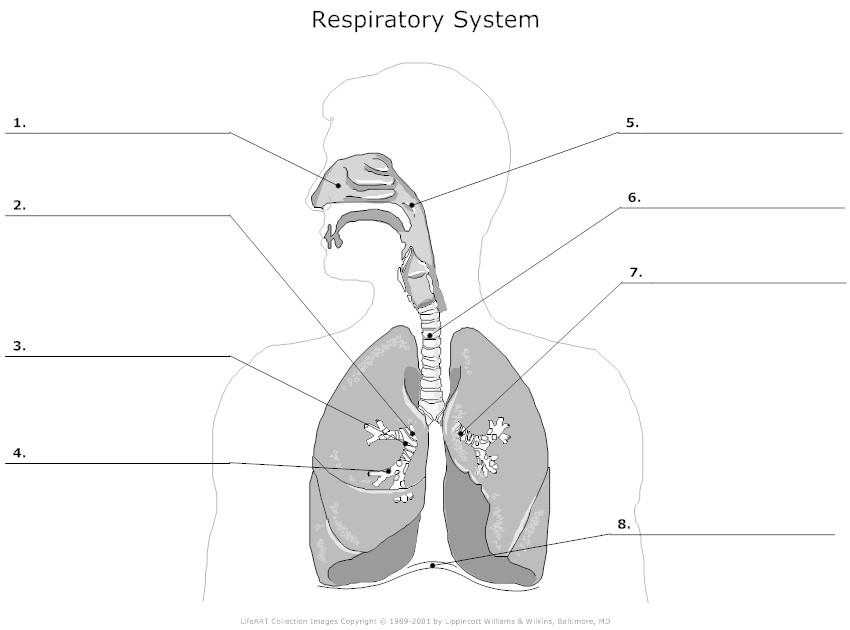
Name the structure labeled 8
a)
lungs
b)
trachea
c)
diaphragm
d)
alveoli
53.
The passageway that is shared by both the digestive and respiratory system is the....
a)
larynx
b)
pharynx
c)
trachea
d)
nose
54.
Flap of skin that covers the opening to the windpipe during swallowing
a)
Stomach
b)
Trachea
c)
Pancreas
d)
Epiglottis
55.
What does the Larynx hold ?
a)
The larynx holds the whole respitory system.
b)
The larynx holds the trachea.
c)
The larynx holds the vocal chords.
d)
The larynx hold the wind pipe.
56.
How is carbon dioxide released from the body?
a)
When we exhale
b)
When we urinate
c)
When we sweat
d)
When we inhale
57.
The beginning of the respiratory system that warms and moistens the air.
a)
trachea
b)
nose
c)
bronchi
d)
diaphragm
58.
Given the following structures:
1. larynx
2. nasal cavity
3. pharynx
4. trachea
Which of the following is the correct order that air would flow during inhalation.
1. larynx
2. nasal cavity
3. pharynx
4. trachea
Which of the following is the correct order that air would flow during inhalation.
a)
1,2,3,4
b)
2,3,1,4
c)
2,1,3,4
d)
4,2,3,1
59.

Emphysema
a)
specific area that is drained by a stream
b)
negatively charged electrons
c)
Lung disease in which the avioli enlarge
d)
chemical reaction in which heat energy is absorbed
60.
Inflammation of the voice box
a)
laryngitis
b)
pharyngitis
c)
bronchitis
d)
sinusitis
61.
A chamber behind the nose and mouth that leads to the trachea
a)
pharynx
b)
trachea
c)
epiglottis
d)
larynx
62.
During exhalation the diaphragm moves up and the volume of air decreases in the lungs.
a)
True
b)
False
63.
Tiny tubes that branch off of bronchi
a)
capillaries
b)
alveoli
c)
bronchioles
d)
pluera
64.
To take in oxygen
a)
exhale
b)
cough
c)
hiccup
d)
inhale
65.
To release carbon dioxide
a)
exhale
b)
inhale
c)
cough
d)
hiccup
66.
Which is NOT a function of the Respiratory System?
a)
it warms the air
b)
it exchanges O2 and CO2
c)
It pumps blood to the organs
d)
it creates sound through the larynx
67.
The diaphragm is found:
a)
At the back of the throat.
b)
Below the larynx.
c)
Under the epiglottis.
d)
Under the rib cage.
68.
When the diaphragm contracts and moves down, the lungs are...
a)
expanding with air
b)
shrinking - pushing air out
69.
Which 2 substances are exchanged in the Respiratory System?
a)
oxygen and nitrogen
b)
carbon dioxide and oxygen
c)
oxygen and glucose
d)
glucose and carbon dioxide
70.
Which of the following is NOT a function of the respiratory system
a)
transport of oxygenated blood throughout the body
b)
discharge of carbon dioxide to the environment
c)
uptake of oxygen from the environment
d)
diffusion of oxygen and carbon dioxide across the alveoli membrane
71.
Oxygen rich blood is carried to the:
a)
Lungs
b)
Heart
c)
Diaphragm
d)
Pharynx
72.
healthy _____ are usually pink in color. You have two of these.
a)
alveoli
b)
epiglottis
c)
lungs
d)
trachea
73.
known as the voice box
a)
windpipe
b)
larynx
c)
pharynx
d)
epiglottis
74.

These blood vessels are blue in color and carry blood back to the heart.
a)
Capillaries
b)
Veins
c)
Arteries
75.
Which structure keeps food out of your lungs when you swallow?
a)
Esophagus
b)
Epiglottis
c)
Trachea
d)
Cartilage Rings
76.
Which structure resembles a bunch of grapes?
a)
Bronchi
b)
Lungs
c)
Trachea
d)
Alveoli
77.
an inflammation in the bronchial tubes that causes a person to have a nagging cough
a)
bronchitis
b)
emphysema
c)
pneumonia
d)
cystic fibrous
78.
Which lung has 3 lobes?
a)
Right
b)
Left
c)
Purple
d)
Big
100 %

