
 Worksheets
Environmental Sciences
Total questions: 64
Worksheet time: 2hrs 59mins
Name
Class
Date
1.

A aquatic biome classified as marine would have...
a)
Fresh Water
b)
Salt Water
c)
Either Fresh Water or Salt Water
d)
Neither Fresh Water or Salt Water
2.
The greatest biodiversity on earth is found in the __________ biome.
a)
taiga
b)
grassland
c)
temperate deciduous forest
d)
tropical rainforest
3.
Succession that occurs in an area with NO SOIL
a)
ecological succession
b)
primary succession
c)
secondary succession
d)
pioneer speciles
4.
The first organisms that appear in an ecological community
a)
ecological succession
b)
primary succession
c)
secondary succession
d)
pioneer speciles
5.
In which biome can you find permafrost?
a)
taiga
b)
tundra
c)
desert
d)
chaparral
6.
Which major biome is home to cacti, mesquite, white thorn, pack rats, small reptiles, and coyotes?
a)
desert
b)
taiga
c)
tundra
d)
grassland
7.
Which biome contains large populations of grazing herbivores, few species of birds, and deep, rich soil?
a)
taiga
b)
tundra
c)
deciduous forest
d)
grassland
8.
This biome contains mostly spruce trees and Douglas firs, which are both evergreen. The winters are long and cold and the summers are short and rainy. The soil is very rich. Moose and elk live here. This biome is classified as a
a)
taiga
b)
tundra
c)
deciduous forest
d)
temperate forest
9.
Areas defined by their geographical location and ecological similarity are called?
a)
ecozones
b)
biotopes
c)
biomes
d)
biodomes
10.
_________ is the amount of salt dissolved in water.
a)
Temperature
b)
Salinity
c)
Nutrients
d)
Pressure
11.
These are partially enclosed body of water where seawater is mixed with fresh water.
a)
Stream
b)
Estuary
c)
Watershed
d)
Swamp
12.
An ecosystem where water covers the soil or water is near the surface of the soil is called
a)
a desert
b)
an ocean
c)
an estuary
d)
a wetland
13.
Fresh water referrers to which of the following
a)
oceans, rivers, lakes
b)
ponds, rivers, oceans
c)
lakes, ponds, streams
d)
streams, lakes, oceans
14.
Regions of the ocean are commonly referred to as what type of systems
a)
Mountainous
b)
Estuary
c)
Marine
d)
Desert
15.
Aquatic biomes cover roughly how much of the Earth's surface
a)
10%
b)
25%
c)
50%
d)
75%
16.
Which of the following is considered a wetland?
a)
Swamps
b)
Marshes
c)
Bogs
d)
All of the above.
17.

The biome known for trees with broad leaves that fall off the trees in the winter.
a)
Coniferous Forests
b)
Deciduous Forests
c)
Deserts
d)
Tropical Rain Forests
18.

Which biome is home to jaguars, anacondas, leopards, gorillas, and poisonous tree frogs?
a)
Grasslands
b)
Temperate Forest
c)
Rainforest
d)
Tundra
19.

In which biome does an organism have to be able to conserve water to survive?
a)
Rainforest
b)
Taiga
c)
Desert
d)
Temperate Forest
20.
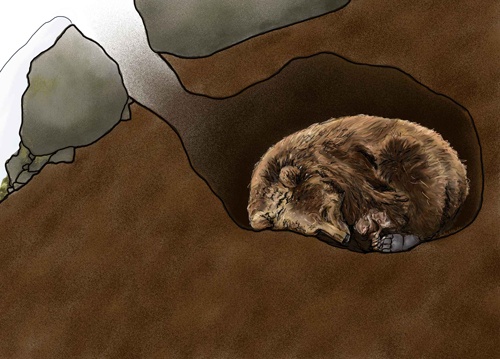
Which biome could an animal who hibernates in the winter to survive the cold live in?
a)
Grasslands
b)
Taiga
c)
Desert
d)
Rainforest
21.
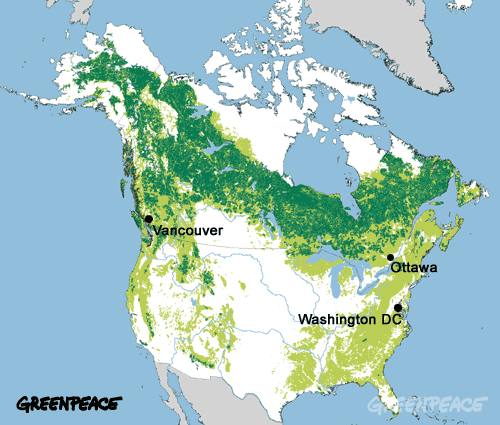
Which biome is Canada in?
a)
Tundra
b)
Taiga
c)
Temperate Forest
d)
Desert
22.
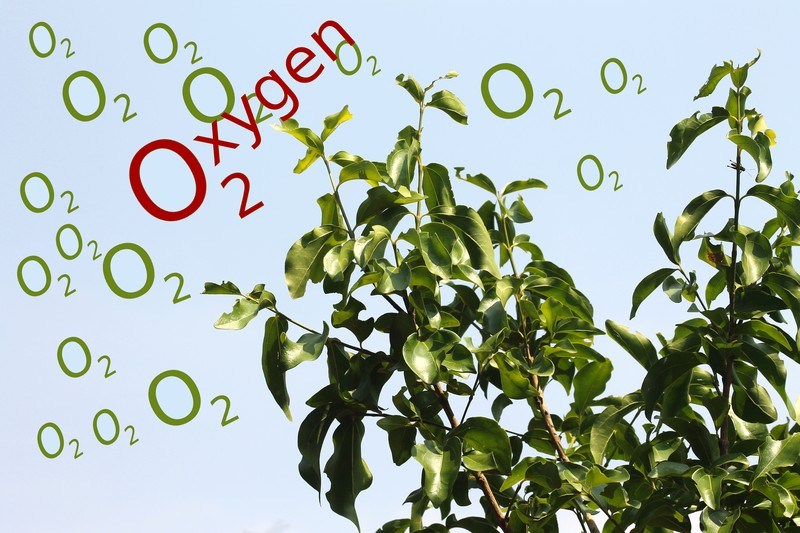
Which biome produces over 50% of the world's oxygen?
a)
Rainforest
b)
Temperate Forest
c)
Grasslands
d)
Taiga
23.

Which biome do we live in?
a)
Grasslands
b)
Taiga
c)
Rainforest
d)
Temperate Forest
24.

In which 2 biomes can only plants/animals with adaptations survive?
a)
Taiga/Temperate Forest
b)
Grasslands/Desert
c)
Tundra/Desert
d)
Rainforest/Tundra
25.
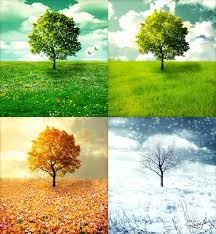
Which biome has 4 seasons?
a)
Taiga
b)
Tundra
c)
Grasslands
d)
Temperate Forest
26.
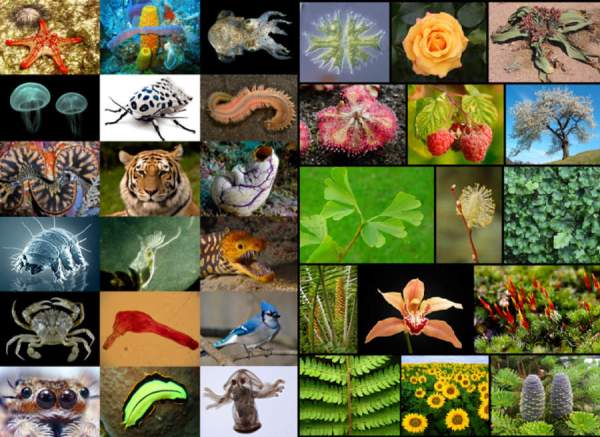
Which biome has the most variety of plants and animals?
a)
Temperate Forest
b)
Rainforest
c)
Tundra
d)
Grasslands
27.
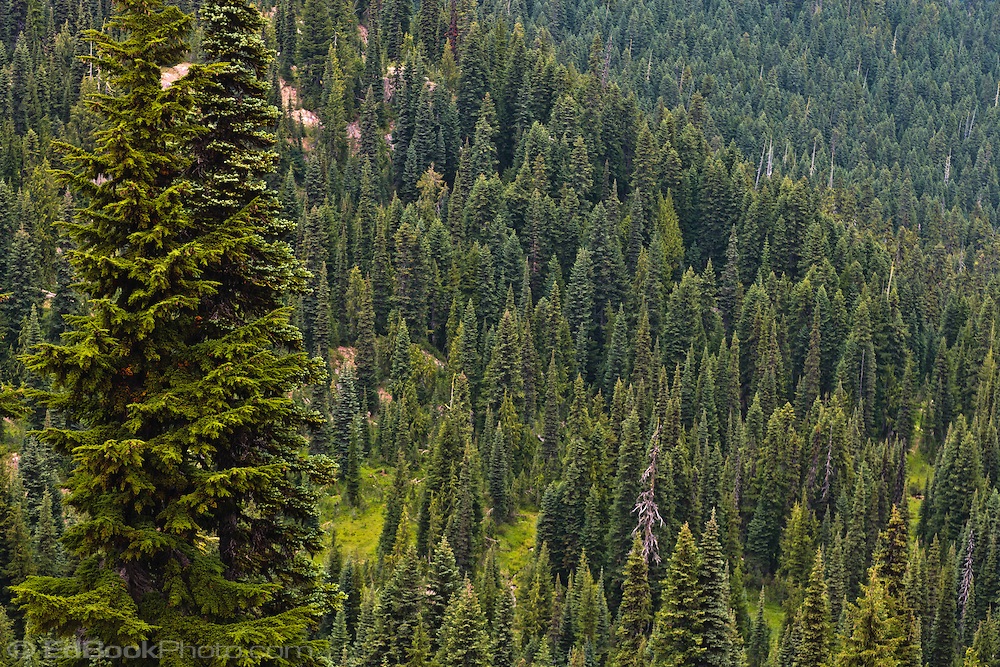
Which biome has coniferous trees (which don't lose their leaves)?
a)
Taiga
b)
Temperate Forest
c)
Tundra
d)
Grasslands
28.
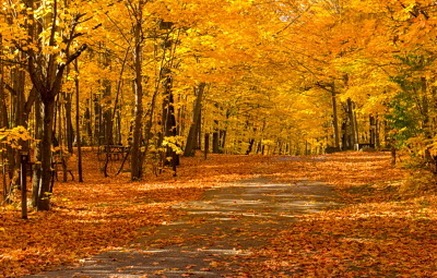
Which biome has deciduous trees (which lose their leaves)?
a)
Temperate Forest
b)
Rainforest
c)
Grasslands
d)
Taiga
29.
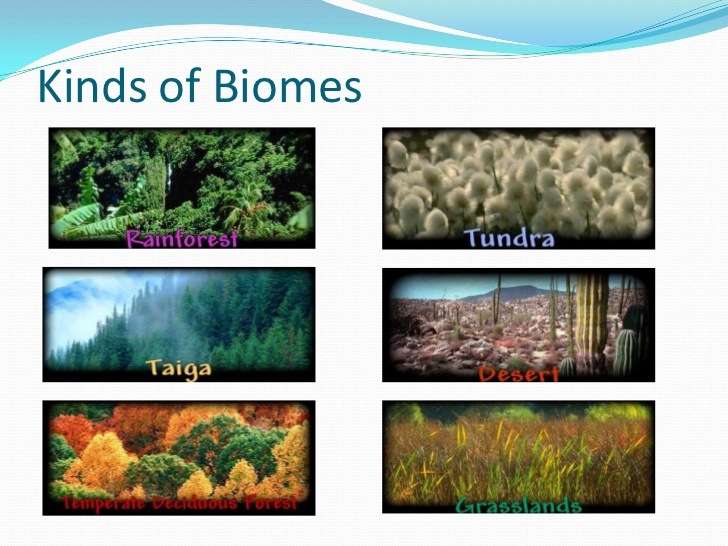
What is the main factor that separates the biomes?
a)
Land
b)
Water
c)
Climate
d)
Longitude
30.
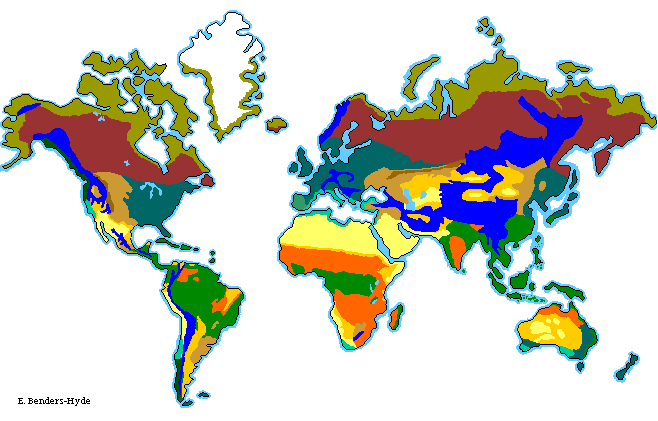
A large ecosystem is called a ______
a)
Ecosystem
b)
Habitat
c)
Biome
d)
Niche
31.
What is a vertabrate?
a)
An animal that has a spinal cord or backbone
b)
An animal that has lungs
c)
A human that can play Soccer
d)
An animal that has bones
32.
What is a invertabrate?
a)
An animal lacking a backbone
b)
An animal that has a spinal cord
c)
A person that has a jaw
d)
An animal or person that has lungs
33.

What does biodiversity mean?
a)
Only one species in an area.
b)
The different amount of species in an area
c)
All abiotic life
d)
Nitrogen fixation
34.
In the early 2000s, White Nose fungus caused a mass die-off of native American bat species. Those bats that survived will continue the population with their own allele frequencies. What type of genetic drift is this?
a)
Founder Effect
b)
Bottlenose Effect
c)
Bottleneck Effect
d)
Migration Effect
35.
A mutation occurs in a particular animal and quickly begins to increase in frequency throughout the population. Which of the following are you most likely to conclude?
a)
The mutation makes the animal grow larger
b)
The mutation does not confer any benefit or harm to the animal
c)
The mutation makes the animal more susceptible to predators
d)
The mutation increase the probability that the animal will reproduce.
36.
The biggest loss to biodiversity is
a)
climate change
b)
overharvesting
c)
habitat loss
d)
pollution
37.
Which term refers to the capturing and reintroducing of an endangered species into the wild?
a)
legal protection
b)
captive breeding
c)
habitat conservation
d)
germ-plasm banks
38.
The Endangered Species Act of 1973 protects registered endangered species by removing them from the "take" list which makes it unlawful to
a)
shoot
b)
capture
c)
trap
d)
all of the above
39.
A species is defined as endangered when it
a)
suffers from damage to its habitat.
b)
suffers from disease or predation.
c)
when there are hazards to the continued life of the species.
d)
all of the above
40.
An endangered species is
a)
One whose numbers are so small that it is at risk of extinction
b)
One whose not been spotted after many years.
c)
One whose numbers are abundant.
41.

The image you see is a mammoth. Which trait most suggests that the mammoth was adapted to live in a cold climate?
a)
its thick, furry coat
b)
its long, flexible trunk
c)
its sharp, curved tusks
d)
its broad, powerful body
42.

This rare & beautiful bird of paradise can only be found in New Guinea. Because of this we refer to it as a(n)
a)
endemic species
b)
endangered species
c)
indicator species
d)
invasive species
43.

When this California Sea Otter was exploited by humans, a whole ecosystem collapsed, showing that the otter was a(n)
a)
keystone species
b)
endangered species
c)
invasive species
d)
native species
44.

This Japanese kudzu has become invasive in the U.S., taking over many forest ecosystems. This scenario is common with
a)
non-native species
b)
native species
c)
endangered species
d)
keystone species
45.

This Burmese Python is eating a Florida alligator in the Everglades. Theses non-native snakes have become a(n)
a)
endangered species
b)
invasive species
c)
endemic species
d)
keystone species
46.
An area near the equator with very high biodiversity is known as a
a)
biodiversity hot spot
b)
biodiversity risk
c)
biodiversity endangered area
d)
biodiversity example
47.

After years of DDT pesticide use, the bald eagle almost went extinct. When scientists realized this, they placed it on the
a)
endangered species list
b)
keystone species list
c)
invasive species list
d)
illegal species list
48.

These oak trees are changing color & shedding their leaves. This is a common sight in Georgia, because these trees are
a)
native species
b)
endangered species
c)
non-native species
d)
invasive species
49.

These dogs are all the same species, but they look very different from one another because of
a)
genetic diversity
b)
ecosystem diversity
c)
species diversity
d)
none of these are correct
50.

This pic shows why the tropical rainforest is known for its
a)
ecosystem diversity
b)
species diversity
c)
genetic diversity
d)
lack of biodiversity
51.

We must work hard to use Earth's resources responsibly so that we can maintain
a)
ecosystem diversity
b)
planet diversity
c)
earth diversity
d)
land diversity
52.

One problem with mass extinction is that
a)
it only kills one species
b)
it takes so long to recover from
c)
it kills more consumers than producers
d)
recovery happens too quicklyl
53.

High biodiversity not only helps the stability of Yellowstone National Park, but also makes it more
a)
resilient
b)
reliant
c)
fragile
d)
unstable
54.
What protects endangered species?
a)
laws
b)
preserves
c)
national parks
d)
all of these are correct
55.
Endangered is the same thing as Threatened.
a)
False
b)
True
56.
Extinction is caused by
a)
humans
b)
global changes
c)
humans & global changes
d)
lack of sunlight
57.
Large populations with high genetic diversity are
a)
more likely to go extinct
b)
more likely to be invasive
c)
less likely to go extinct
d)
less likely to be invasive
58.
In the last 2 centuries, extinction rates have increases along with
a)
an increase in human population
b)
a decrease in human population
c)
an increase in biodiversity
d)
a decrease in biodiversity
59.
Where is the Great Barrier Reef located?
a)
Puerto Rico
b)
Florida
c)
Indonisia
d)
Australia
60.
What is the biggest ecological benefit of coral reefs?
a)
tourism
b)
seafood
c)
habitat
d)
protection of shoreline
61.
What is the main abiotic factor that will determine the location of a reef?
a)
light
b)
depth
c)
salinity
d)
temperature
62.
Coral reefs are home to how many species?
a)
thousands
b)
billions
c)
hundreds
d)
millions
63.
What causes coral bleaching?
a)
oil spills
b)
warmer water temperatures
c)
overfishing
d)
red tide
64.
Coral polyps secrete what mineral?
a)
carbon calciate
b)
calcium carbonate
c)
calcium hydroxide
d)
carbon hydroxide
100 %

