
 Worksheets
ELEMENTS OF ART 1
Total questions: 77
Worksheet time: 49mins
Name
Class
Date
1.
The elements of art are:
a)
the way art is arranged
b)
pure chemical substances used in art
c)
the building blocks of art
d)
pens, pencils, paint, ect...
2.
A line is a mark with
a)
length and direction
b)
width and height
c)
dots and squiggles
d)
ink or pencil
3.
A mark with length and direction, created by a point that moves across a surface.
a)
line
b)
value
c)
contrast
d)
form
4.
A ______________ can be long, short, diagonal, vertical, squiggly, thick or thin.
a)
Line
b)
Space
c)
Value
5.

What element of art is best represented in this picture?
a)
Color
b)
Line
c)
Texture
d)
Shape
6.

What is the primary element(s) of art used in this painting by Kandinsky?
a)
Shape
b)
Shape and Space
c)
Space and Color
d)
Line and space
7.

classify the line
a)
Expressive
b)
Hatching
c)
Thick
d)
Jagged
8.

classify the line
a)
Expressive
b)
Hatching
c)
Thick
d)
Jagged
9.

classify the line
a)
Expressive
b)
Hatching
c)
Thick
d)
Jagged
10.

classify the line
a)
Expressive
b)
Hatching
c)
Thick
d)
Jagged
11.

classify the line
a)
Expressive
b)
Hatching
c)
Thick
d)
Jagged
12.

classify the line
a)
Expressive
b)
Hatching
c)
Thick
d)
Jagged
13.

What element of art is dominant in this picture?
a)
Value
b)
Color
c)
Line
d)
Form
14.
The simplest element of art. This element makes up shapes.
a)
space
b)
line
c)
texture
d)
color
15.
A three-dimensional object is called:
a)
a square
b)
a mold
c)
a form
d)
a circle
16.
Forms are three-dimensional. They have height, width and thickness. Some common forms are:
a)
Difficult to draw
b)
Cylinders, Cubes, Spheres and Cones
c)
Circles, Squares, Rectangles and Triangles
d)
Building blocks
17.

This value scale is made out of _____?_____ and shades
a)
Rectangles
b)
Grey
c)
Tints
d)
White
18.
Shades are dark values of a hue. Shades are usually made by:
a)
Adding grey to a colour
b)
Mixing a colour with black
c)
Wearing sunglasses
d)
Using dark pencils
19.
A three-dimensional object is called:
a)
a square
b)
a mold
c)
a form
d)
a circle
20.
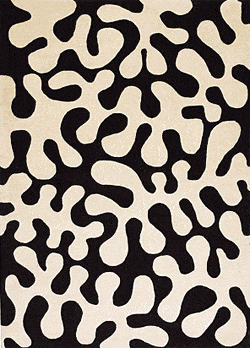
What phrase best describes this image?
a)
geometric forms
b)
geometric shapes
c)
organic shapes
d)
organic forms
21.
The area around, above or inside an object is called:
a)
form
b)
perspective
c)
contrast
d)
space
22.
Shapes are
a)
the form of an object
b)
two-dimensional
c)
three-dimensional
d)
open spaces
23.
Another name for related colors-have one color in common. Colors that appear next to each other on the color wheel.
a)
analogous colors
b)
shape
c)
texture
d)
color
24.
Element of art produced when a wavelength of light strikes an object and reflects back to the eyes.
a)
primary
b)
secondary
c)
teriary
d)
color
25.
Colors that are directly opposite on the color wheel. When mixed together, they makes neutral gray or brown.
a)
complementary
b)
texture
c)
analogous
d)
color
26.
A flat figure created when actual or implied lines surround a space-can be geometric or organic
a)
line
b)
form
c)
shape
d)
space
27.
The element of art that refers to the surface quality of an object or the way something feels such as rough-smooth
a)
shape
b)
texture
c)
color
d)
line
28.
Any three dimensional object that can be measured by height, width and depth.
a)
emphasis
b)
space
c)
form
d)
shape
29.
The empty or open area between, around, above below and within objects.
a)
form
b)
balance
c)
color
d)
space
30.
A mark with length and direction, created by a point that moves across a surface.
a)
line
b)
value
c)
contrast
d)
form
31.
What Element of Art has to do with lightness and darkness?
a)
Good and Evil
b)
Space
c)
Value
d)
Line
32.
The way a work of art "feels."
a)
Form
b)
Texture
c)
Value
d)
Organic
33.
Also known as "hue" (or "I don't really know how to define this without just saying the word").
a)
Value
b)
Movement
c)
Texture
d)
Color
34.
"Texture is only relevant to 3-dimensional art."
a)
True
b)
False
35.
Shapes reflecting those found in nature.
a)
Geometric
b)
Organic
c)
Symmetry
d)
Biological
36.
Clearly-defined shapes, often using many straight lines, that feel man-made or "unnatural."
a)
Geometric
b)
Form
c)
Texture
d)
Organic
37.
_______ tends to be 2-dimensional, while _______ refers to how an object takes up 3-dimensional space.
a)
Line, Movement
b)
Movement, Line
c)
Form, Shape
d)
Shape, Form
38.
Which two Elements are commonly confused for each other?
a)
Space and Shape
b)
Space and Form
c)
Line and Movement
d)
Shape and Form
39.
Has height, width and depth
a)
Square
b)
Cuboid
c)
Forms
d)
All of the above
40.
What element of art is defined as the lightness or darkness of a color?
a)
Value
b)
Hue
c)
Intensity
41.
What is created when light is reflected off a surface?
a)
Sparkles
b)
Lines
c)
Color
42.
The area in and around objects.
a)
Space
b)
Shape
c)
Line
43.
________________ can be recognizable like squares, triangles, or circles, or they can be organic.
a)
Lines
b)
Value
c)
Shape
44.
__________________ has three main characteristics
a)
shape
b)
color
color
color
c)
form
45.

What element of art is best represented in this picture?
a)
Color
b)
Line
c)
Shape
d)
Form
46.
What element of art is best represented in this picture?
a)
Color
b)
Line
c)
Texture
d)
Shape
47.

What element of art is best represented in this picture?
a)
Line
b)
Form
c)
Value
48.
This value scale is made out of _____?_____ and shades
a)
Rectangles
b)
Grey
c)
Tints
d)
White
49.
Shades are dark values of a hue. Shades are usually made by:
a)
Adding grey to a colour
b)
Mixing a colour with black
c)
Wearing sunglasses
d)
Using dark pencils
50.
To create the illusion of space you can use one of the following:
a)
Placement on paper
b)
Variation of size
c)
Overlapping images
d)
All of the above
51.
Another name for colour
a)
Light
b)
Spectrum
c)
Rainbow
d)
Hue
52.
Which of these is NOT an element of art?
a)
color
b)
line
c)
space
d)
hue
53.
What is the lightest value tone?
a)
White
b)
Light Pink
c)
Grey
d)
Black
54.

What three colors are called "Primary" colors?
a)
Red, orange, yellow
b)
Blue, Green, Purple
c)
Red, red-orange, red-yellow
d)
Red, blue, yellow
55.

Which of the following colors can be described as "Warm" colors?
a)
Red, Orange, Yellow
b)
Blue, Green, Violet
c)
Blue, Yellow, Red
d)
Green, Orange, Violet
56.

Which of the following colors are "cool colors?"
a)
Black, grey, white
b)
Green, blue, violet
c)
Red, yellow, orange
d)
Green, orange, violet
57.

what type of texture
a)
Glossy
b)
Matte
c)
Implied
58.

what type of texture
a)
Glossy
b)
Matte
c)
Implied
59.
5. What are the three colors that can be mixed to make any other colors?
a)
electromagnetic colors
b)
supplementary colors
c)
primary colors
d)
secondary colors
60.
What do you call the lines on the corners of your objects, the "straight up and down" lines.
a)
Tall Lines
b)
Converging Lines
c)
Perpendicular lines
d)
Horizon Lines
61.
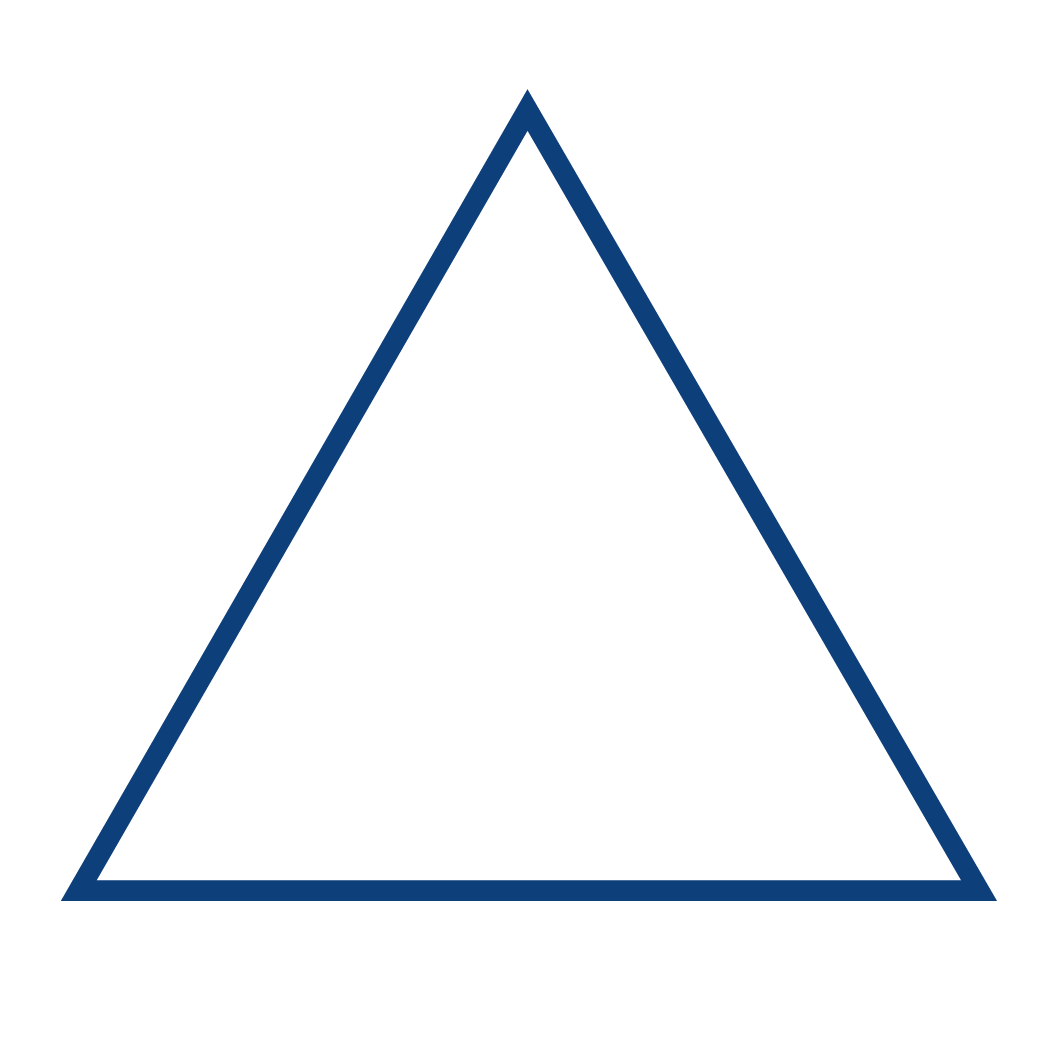
Is this image an example of a geometric or organic shape?
a)
Geometric
b)
Organic
62.
Texture is which of the following?
a)
How the paper you are drawing on feels like.
b)
How we perceive things with our eyes
c)
How something feels or how it looks like it feels.
d)
How we feel things
63.
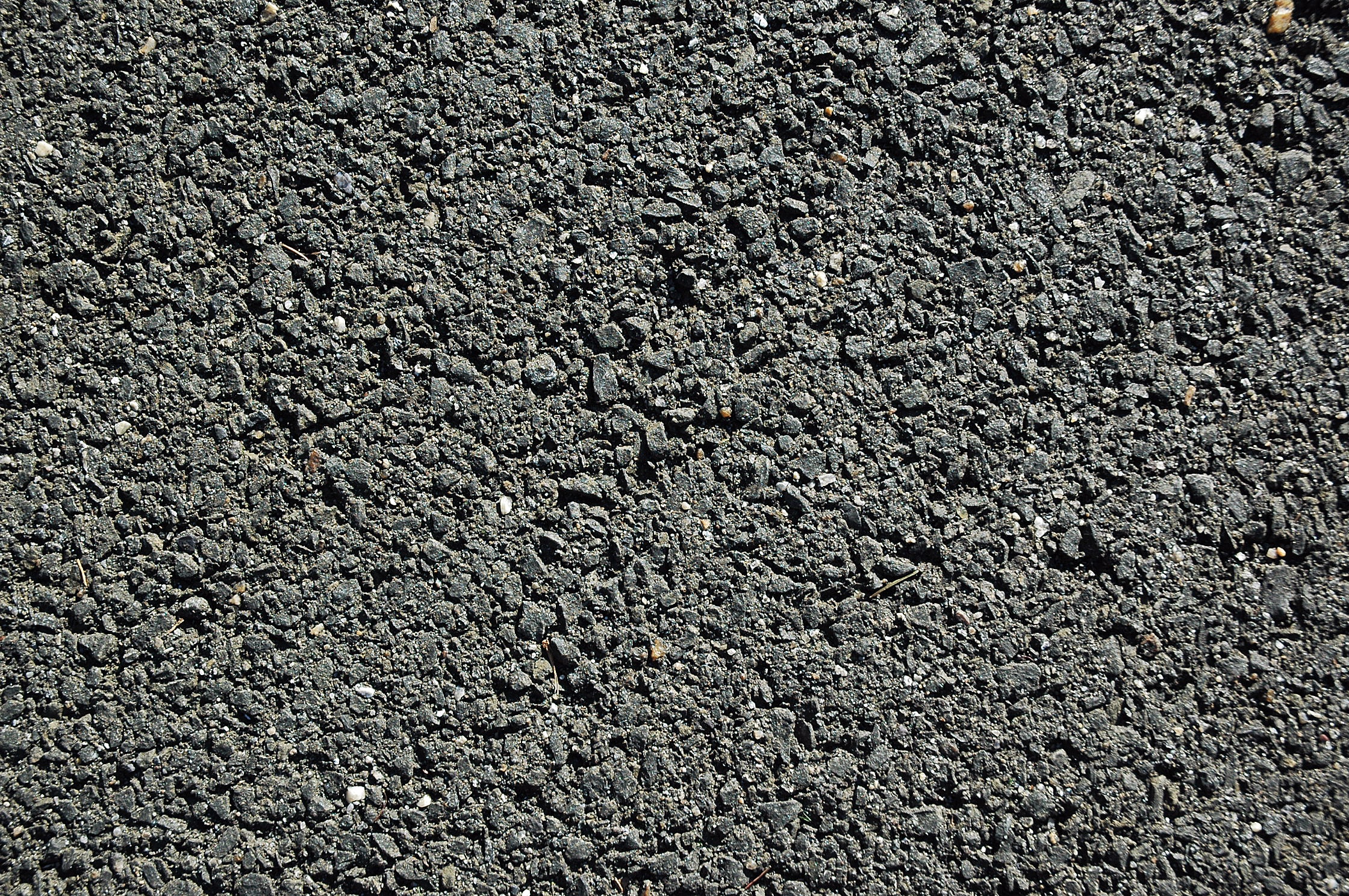
What is this image an example of?
a)
Color
b)
Contrast
c)
Texture
d)
Line
64.
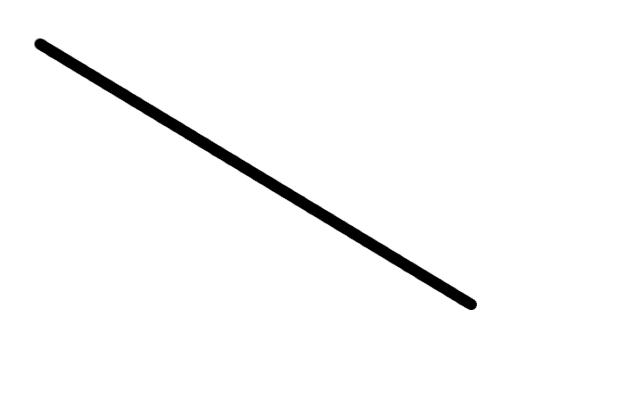
What is this image showing?
a)
Texture
b)
Form
c)
Value
d)
Line
65.
Choose the two colors that are complements of one another on the color wheel?
a)
Yellow and Violet
b)
Green and Red
c)
Blue and Orange
d)
All of the above
66.

Which element does this picture illustrate?
a)
line
b)
texture
c)
color
d)
form
67.

Which of the following words would describe texture?
a)
red
b)
diagonal
c)
horizon
d)
smooth
68.

What is the name of this color?
a)
blue
b)
teal
c)
blue-green
d)
light green
69.

What is the name of the missing color?
a)
pink
b)
magenta
c)
red-blue
d)
red-violet
70.
The area around, above or inside an object is called:
a)
form
b)
perspective
c)
contrast
d)
space
71.

What Element is this?
a)
Movement
b)
Texture
c)
surface Quality
d)
Form
72.
The secondary colors are _________.
a)
Red, Orange, Yellow
b)
Green, Blue, Orange
c)
Green, Orange, Violet
d)
Red, Yellow, Blue
73.

How is space created in this artwork?
a)
Overlapping
b)
Change in values
c)
Size
d)
All of the above
74.
You can find lines everywhere you look. Artists use many different kinds of lines. Some common
lines are:
lines are:
a)
"What’s your sign?"
b)
curved, straight, dotted, and zigzag
c)
red, blue and yellow
d)
for drying clothes
75.
Forms are three dimensional. They have height, width and thickness. Some common forms are:
a)
cylinders, cubes, spheres and cones
b)
circles, squares, rectangles and triangles
c)
difficult to draw.
d)
for income taxes purposes.
76.
Shades are dark values of a color. Shades are usually made by
a)
pulling down the blinds.
b)
mixing a color with black.
c)
wearing sunglasses.
d)
staying in the shadows.
77.
By joining lines you can
a)
play Red Rover.
b)
learn to dance.
c)
checkout at Wal-Mart.
d)
make shapes.
100 %

