
 Worksheets
MCSHS Y8 Cells and Reproduction Review
Total questions: 80
Worksheet time: 1hrs 7mins
Name
Class
Date
1.
A rigid layer that surrounds plasma membrane in the cells of plants
a)
cell membrane
b)
cell wall
c)
nuclear membrane
d)
vacuole
2.
Control center of cell
a)
cell membrane
b)
nucleus
c)
nucleolus
d)
Captain Hook
3.
Gel like substance that supports the organelles
a)
cytoplasm
b)
cell wall
c)
ribosomes
d)
plasma membrane
4.
Powerhouse of the cell
a)
ribosomes
b)
nucleus
c)
mitochondria
d)
smooth ER
5.
transports; 2 kinds: rough and smooth
a)
mitochondria
b)
subway cars
c)
cell membrane
d)
endoplasmic reticulum (ER)
6.
Converts sun's energy into chemical energy
a)
mitochondria
b)
chloroplast
c)
ribosome
d)
lysosome
7.
Long strands of DNA
a)
chromatin
b)
centrioles
c)
nucleus
d)
chloroplast
8.
Long whiplike tail
a)
flagella
b)
cilia
c)
nucleus
d)
cetnriole
9.
This organelle controls what goes in and out of plant and animal cells.
a)
Cell Wall
b)
Cell Membrane
c)
Cytoplasm
d)
Cytoplasm
10.

Part 8
a)
Illuminator
b)
Diaphragm
c)
Base
d)
Stage
11.

Part 9
a)
Body tube
b)
Eyepiece
c)
Objective
d)
Light Source
12.

Part 10
a)
Stage
b)
Arm
c)
Base
d)
Diaphragm
13.

Part 11
a)
Stage Clips
b)
Stage
c)
Diaphragm
d)
Illuminator
14.
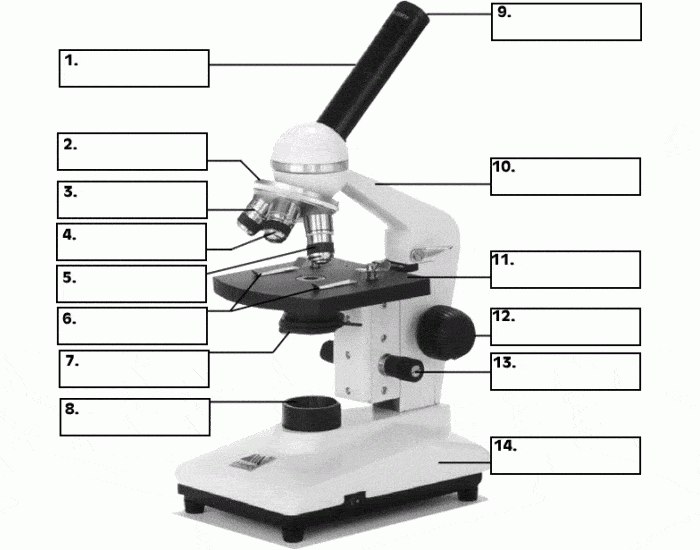
Part 12
a)
Fine Adjustment Knob
b)
Coarse Adjustment Knob
c)
Diaphragm
d)
Objective
15.

Part 13
a)
Fine Adjustment Knob
b)
Course Adjustment Knob
c)
Stage
d)
Diaphragm
16.

Part 14
a)
Stage
b)
Diaphragm
c)
Base
d)
Illuminator
17.
This bring the specimen into sharp focus
a)
Coarse Adjustment Knob
b)
Fine Adjustment Knob
c)
Eyepiece
d)
Diaphragm
18.
This moves the specimen up or down to adjust the slide containing specimen
a)
Fine Adjustment Knob
b)
Coarse Adjustment Knob
c)
Stage
d)
Diaphragm
19.
Find the total magnification:
Eyepiece = 10X
Objective lens = 55X
Eyepiece = 10X
Objective lens = 55X
a)
10x
b)
55x
c)
65x
d)
550x
20.
Find total magnification for:
Eyepiece = 20X
Objective lens = 20X
Eyepiece = 20X
Objective lens = 20X
a)
20x
b)
40x
c)
200x
d)
400x
21.
Members of Kingdom Animalia don't have these...
a)
cell walls, or chloroplasts
b)
nucleus
c)
Netflix membership
d)
Amazon Prime, man they are lame.
22.
Kingdom Archaebacteria is...
a)
unicellular
b)
multicellular
c)
bigger than life!
d)
really pretty, just so pretty.
23.
Kingdom Animalia is
a)
Eukayotic
b)
Prokaryotic
c)
Pick me!
d)
No, Pick me!!
24.
My Kingdom includes mushrooms and yeast!
a)
Animalia
b)
Plantae
c)
Eubacteria
d)
Fungi
25.
Do prokaryotes have a nucleus?
a)
yes
b)
no
26.

I am a eukaryote, microscopic, and unicellular. What kingdom do I belong to?
a)
Animalia
b)
Fungi
c)
Plantae
d)
Protista
27.

I am eukaryotic, able to move and have no cell walls. What kingdom do I belong to?
a)
Animalia
b)
Archaebacteria
c)
Eubacteria
d)
Fungi
28.
What is the difference between unicellular and multicellular?
a)
They are the same
b)
One has a nucleus and one doesn't
c)
Unicellular has one cell and multicellular has many
d)
One is bacteria and the is archaebacteria
29.
This kingdom includes unicellular organisms, they reproduce quickly by binary fission (asexual), and are common bacteria.
a)
Animal
b)
Fungi
c)
Bacteria
d)
Protists
30.
All of the following have a nucleus except...
a)
Bacteria
b)
Animalia
c)
Plantae
d)
Protista
31.
A cell that does not contain genetic material in the nucleus is a
a)
Multicelular
b)
Prokaryotic
c)
Eukaryotic
d)
Unicellular
32.
Average length of time of a woman's menstrual cycle.
a)
28-32 days
b)
7 weeks
c)
2 months
d)
4 days
33.
The tube pathway that leads sperm to the urethra is the
a)
vas deferens
b)
fallopian tubes
c)
sperm tunnel
d)
highway of fast and furious
34.
How many sperm cells and egg cells must fertilise for a baby to formed in humans?
a)
One sperm and one egg cell
b)
Many sperms and one egg cell
c)
One sperm and many egg cells
d)
Many sperms and many egg cells
35.
A testis produces one sperm at a time.
a)
True
b)
False
36.
In human reproduction, the egg is fertilised before it is released from the ovary.
a)
True
b)
False
37.
A sperm is produced by the ______________.
a)
testes in the female body
b)
ovaries in the female body
c)
testes in the male body
d)
ovaries in the male body
38.
Which of the following come together during fertilisation?
a)
Egg and Womb
b)
Egg and sperm
c)
Ovary and sperm
d)
Ovary and testis
39.
Which of the following carries genetic materials from the mother only?
a)
A testis
b)
A sperm
c)
A fertilised egg
d)
An unfertilised egg
40.

Which organ produces sperm?
a)
A
b)
B
c)
C
d)
D
41.
Where does fertilisation take place?
a)
Ovary
b)
Womb
c)
Vagina
d)
Fallopian tube
42.

Which of the following statements is true about the process shown in the picture?
a)
Many sperms will enter the egg.
b)
Only 1 sperm will fertilise the egg.
c)
Many sperms will fertilised many eggs.
d)
None of the sperms will enter the eggs.
43.
How many parents do you have in asexual reproduction?
a)
1
b)
3
c)
2
d)
4
44.
How many parents do you have in sexual reproduction
a)
1
b)
2
c)
3
d)
4
45.

What is labeled number 1?
a)
fallopian tube
b)
vagina
c)
ovary
d)
uterus
46.

What is labeled number 2?
a)
ovary
b)
fallopian tube
c)
vagina
d)
uterus
47.

What is labeled number 3?
a)
oviducts
b)
uterus
c)
ovary
d)
vagina
48.

What is labeled number 4?
a)
uterus
b)
ovary
c)
fallopian tube
d)
vagina
49.
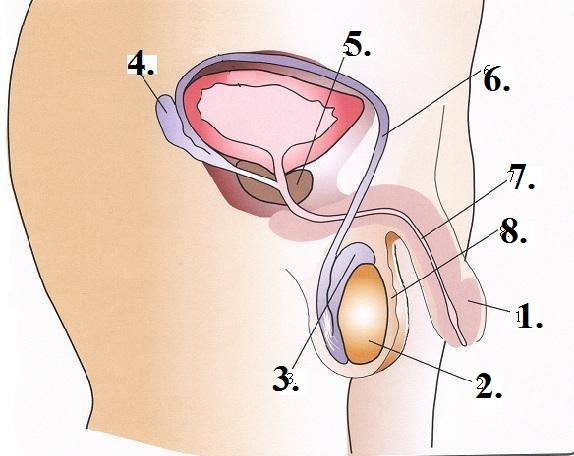
What is labeled number 2?
a)
testes
b)
penis
c)
scrotum
d)
epididymis
50.

What is labeled number 5?
a)
prostate
b)
scrotum
c)
vas deferens
d)
urethra
51.

What is labeled number 7?
a)
prostate
b)
scrotum
c)
vas deferens
d)
urethra
52.
Which process would not occur if a zygote implants into the uterine wall?
a)
mitosis
b)
menstruation
c)
differentiation
d)
implantation
53.
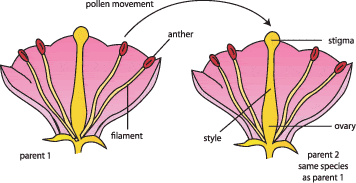
True/False: Pollination can occur between flowers of the same plant.
a)
True
b)
False
54.

True/False: Pollination can occur between flowers of the different plants of the same species.
a)
True
b)
False
55.
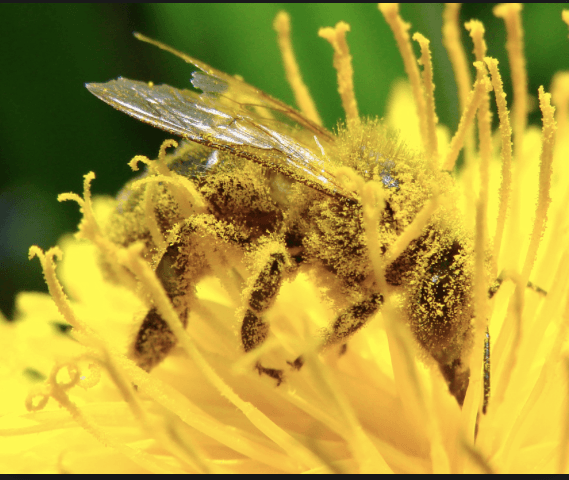
Pollination is the process by which pollen
a)
causes people to sneeze
b)
is formed inside a plant
c)
moves from stamen to pistil
56.

Fertilization is the process by which an
a)
egg and pollen combine
b)
embryo grows into a plant
c)
animal carries pollen between plants
57.

What is the sticky part of the flower that catches pollen?
a)
style
b)
stigma
c)
ovary
d)
petal
58.

Which does not belong in the female part (pistil) of the flower?
a)
style
b)
stigma
c)
filament
d)
ovaries
59.
What is an ovary?
a)
the female part of the flower that becomes a fruit
b)
the female part of the flower that accepts the pollen
c)
the male part of the flower that produces pollen
d)
another name for the stem of the plant
60.
Human reproduction usually involves
a)
internal fertilization and internal development
b)
external fertilization and external development
c)
internal fertilization and external development
d)
external fertilization and internal development
61.
Meiosis and fertilization are important processes because they may most immediately result in
a)
many body cells
b)
immune responses
c)
genetic variation
d)
natural selection
62.
Where does meiosis occur?
a)
Testes and ovaries
b)
Only the ovaries
63.
Gametes are haploid
a)
True
b)
False
64.
Gametes join outside of the organism's body (water)
a)
Internal Fertilization
b)
External Fertilization
c)
Internal Development
d)
External Devlopment
65.
Gametes join inside the female reproductive tract (Land adaptation)
a)
Internal Fertilization
b)
External Fertilization
c)
Internal Development
d)
External Devlopment
66.
Advantages: Large #'s of offspring + easier to find a mate because gametes drift in the water
Disadvantages: Offspring are exposed to the environment and hazards, no guaranteed fertilization.
Disadvantages: Offspring are exposed to the environment and hazards, no guaranteed fertilization.
a)
Internal Fertilization
b)
External Fertilization
c)
Internal Development
d)
External Devlopment
67.
The process by which the nuclear material is divided equally between two new cells
a)
mitosis
b)
cancer
c)
spindle
d)
centromere
68.

Name the phase:
a)
Anaphase
b)
Telophase
c)
Metaphase
d)
Prophase
69.

Name the phase:
a)
Prophase
b)
Metaphase
c)
Anaphase
d)
Telophase
70.

Name the phase:
a)
Prophase
b)
Metaphase
c)
Anaphase
d)
Telophase
71.

Name the phase:
a)
Prophase
b)
Metaphase
c)
Anaphase
d)
Telophase
72.

Name the phase:
a)
Prophase
b)
Metaphase
c)
Anaphase
d)
Telophase
73.

The stages of mitosis in order
a)
Metaphase, Anaphase, Prophase, Telophase
b)
Prophase, Anaphase, Metaphase, Telophase
c)
Prophase, Metaphase, Anaphase, Telophase
d)
Anaphase, Prophase, Telophase, Metaphase
74.
When a cell is not actively dividing, it is in what phase?
a)
interphase
b)
anaphase
c)
prophase
d)
telophase
75.
Before a cell can divide, what must happen?
a)
Nothing, it is always ready to divide
b)
The number of chromosomes must be cut in half
c)
The number of chromosomes must double
d)
The number of chromosomes must triple.
76.
In which type of cells will mitosis occur?
a)
egg cells
b)
sperm cells
c)
jail cells
d)
Body cells except the sperm and egg cells
77.
Another name for a sex cell is a:
a)
gamete
b)
embryo
c)
bone cell
d)
muscle cell
78.
After meiosis is complete, the new cells:
a)
are all identical
b)
are all different
c)
are half identical and half different
d)
are all stretched out
79.
Why is sexual reproduction better than asexual reproduction?
a)
It gives an advantage to organisms to be different than the rest, if the environment changes.
b)
It is better for all organisms to be the same.
c)
It happens faster.
d)
It helps skin cells divide faster to heal wounds.
80.

The process on the left is:
The process on the right is:
The process on the right is:
a)
Left: meiosis
Right: meiosis
Right: meiosis
b)
Left: meiosis
Right: cloning
Right: cloning
c)
Left: mitosis
Right: meiosis
Right: meiosis
d)
Left: mitosis
Right: mitosis
Right: mitosis
100 %

