
 Worksheets
7th grade Final Exam Review
Total questions: 75
Worksheet time: 1hrs 2mins
Name
Class
Date
1.
The ___________ is the basic unit of life
a)
organ
b)
cell
c)
atom
d)
tissue
2.
Organs and tissues that perform the same function is called _____________?
a)
cells
b)
tissues
c)
organ system
d)
organs
3.
A group of tissues that perform a similar function is called_____. (Examples include the heart, lungs or stomach)
a)
cells
b)
tissues
c)
organs
d)
organ system
4.
A group of tissues that perform a similar function is called_____. (Examples include the heart, lungs or stomach)
a)
cells
b)
tissues
c)
organs
d)
organ system
5.
A group of cells that have similar functions? Examples are nervous, epithelial, muscle and connective
a)
cells
b)
tissues
c)
organs
d)
atoms
6.
When many organ systems work together it can form...
a)
organ
b)
cells
c)
organ system
d)
organism
7.
What is the correct order of organization
a)
tissues-cells-organs-organ systems-organism
b)
cell-tissue-organs-organ systems-organism
c)
organism-cells-tissues-organ systems-organism
d)
tissues-cells-organs-organ sytems-organism
8.
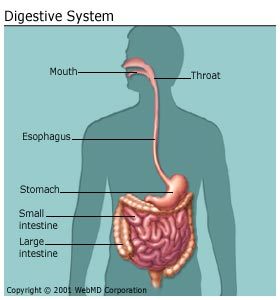
This is a example of........
a)
organ system
b)
cells
c)
organ
d)
tissue
9.
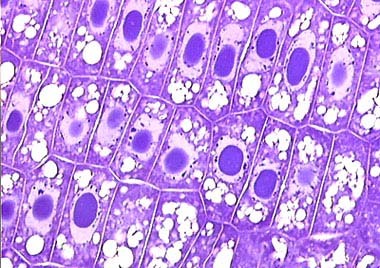
This is a example of ........
a)
cell
b)
tissue
c)
organ
d)
organ system
10.
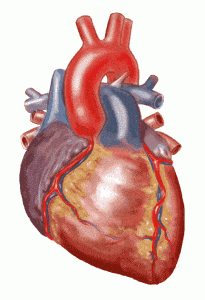
This is a example of ........
a)
cell
b)
organ system
c)
organ
d)
tissue
11.
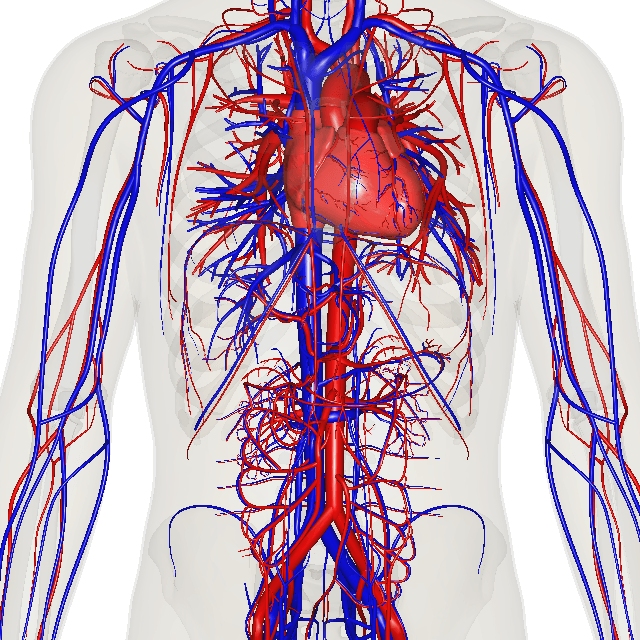
This is a example of ........
a)
organ
b)
organ system
c)
tissue
d)
cell
12.
Which of the following is the correct order of organization in living things from most basic (simple) to most complex?
a)
a. Organism, cell, tissue, organ, organ system
b)
a. Organ system, organ, tissue, cell, organism
c)
a. Cell, tissue, organ, organ system, organism
d)
a. Cell, organ, tissue, organ, organism, organ system
13.
Anything that can perform life processes by itself is a/an
a)
cell
b)
organ
c)
organism
d)
organ system
14.
Which is an example of an organism?
a)
a beetle
b)
a lake
c)
a rock
d)
a shell
15.
What is the difference between a cell and a tissue?
a)
cell is basic unit of life; tissue is group of cells that work as one
b)
cell is group of tissues; tissue is basic unit of life
c)
cell is basic unit of life; tissue is groups of different cells
d)
cell is group of organs; tissue is group of different cells
16.
The digestive system includes the stomach. What level is the stomach?
a)
organ
b)
tissue
c)
cell
d)
organism
17.
A group of different tissues working together to do a job is called a/an _____.
a)
tissue
b)
organ
c)
stem cell
d)
organ system
18.
surrounds the cell; controls what enters/leaves cell; maintains homeostasis
a)
vacuole
b)
cell wall
c)
cell membrane
d)
lysosome
19.
control the cell's activities; contains the cell's DNA
a)
mitochondria
b)
cell membrane
c)
nucleus
d)
golgi body
20.
breaks down food to release energy
a)
nucleus
b)
lysosomes
c)
mitochondria
d)
vacuole
21.
breaks down food to release energy
a)
nucleus
b)
lysosomes
c)
mitochondria
d)
vacuole
22.
mainly found in plant cells
a)
nucleus
b)
cell wall
c)
cell membrane
d)
lysosome
23.
cells that contain a true nucleus
a)
prokaryotes
b)
eukaryotes
c)
carbohydrate
d)
plant cells
24.
cells that lack a true nuclues
a)
animal
b)
prokaryotes
c)
eukaryotes
d)
fungus
25.
What is the function of the cell membrane?
a)
Supports and protects the cell
b)
Controls the cell
c)
Controls what enters and leaves the cell
d)
Metabolic reactions occur here
26.
What is the function of the cytoplasm?
a)
Stores water and mineral ions
b)
It holds all the organelles in place
c)
a.Controls what enters and leaves the cell
d)
Supports the cell
27.

Identify this structure that surrounds the entire cell.
a)
cell wall
b)
cell membrane
c)
sap vacuole
d)
cytoplasm
28.

Number 1 is a (the) -
a)
Golgi Bodies
b)
Mitochondrion
c)
ribosome
d)
Nucleus
29.

What kind of organisms lack cell walls?
a)
plant
b)
animal
c)
fungi
d)
bacteria
30.
Prokaryote
a)
organism whose cells contain nuclei
b)
specialized structure that performs important cellular functions within a eukaryotic cell.
c)
single-celled microorganism that lacks a nucleus.
d)
material inside the cell membrane- but not including the nucleus.
31.
chromosome
a)
double-membrane layer that surrounds the nucleus of a cell.
b)
small, dense region within most nuclei in which the assembly of ribosomes begins
c)
threadlike structure within the nucleus containing the genetic information that is passed from one generation of cells to the next.
d)
granular material visible within the nucleus; consists of DNA tightly coiled around proteins.
32.
Who was the father of genetics
a)
Sagan
b)
Issac Newton
c)
Gregor Mendel
d)
C.jenkins
33.
which is heterozygous ?
a)
Tt
b)
TT
34.
The study of heredity and the variation of inherited characteristics
a)
gene
b)
genetics
c)
meiosis
d)
hybrid
35.
the genetic makeup of an organism
a)
heterozygous
b)
punnet square
c)
genotype
36.
what predicts the outcome
a)
genetic engineering
b)
punnet square
c)
probability
37.
Which is homozygous ?
a)
Zz
b)
SS
38.
B=brown eyes
b= blue eyes
What is true about two brothers that have brown eyes?
One has genotype BB the other Bb.
b= blue eyes
What is true about two brothers that have brown eyes?
One has genotype BB the other Bb.
a)
they have same phenotype and genotype
b)
they have different genotypes and phenotypes
c)
they have same phenotype but different genotypes
d)
they have same genotype but different phenotypes
39.
A dog gives birth to 5 puppies. What percentage of the chromosomes does each puppy share with the mother?
a)
25%
b)
50%
c)
75%
d)
100%
40.

If T=Tall & t=short, what is the genotypic ratio?
a)
1:3
b)
3:1
c)
1:2:1
d)
2:2
41.

A heterozygous yellow pea plant's genotype would be:
a)
YY
b)
yy
c)
Yy
d)
Yg
42.

Which process and type of resulting cells are represented?
a)
mitosis, gametes
b)
mitosis, body cells
c)
meiosis, gametes
d)
meiosis, body cells
43.
Which of the following cell types is formed by meiosis?
a)
muscle cells
b)
skin cells
c)
sperm cells
d)
blood cells
44.

What phase is shown in the picture?
a)
anaphase 1
b)
anaphase 2
c)
metaphase 1
d)
telophase 1
45.

The sex of an offspring is determined by ______________________.
a)
the mother
b)
the father
c)
the mother and the father
d)
by the environment
46.
In asexual reproduction, all of the offspring are:
a)
Physically Identical
b)
Genetically Identical
c)
Physically and Genetically Identical
d)
Not Identical
47.
Which statement best describes the process of asexual reproduction?
a)
new organisms are usually genetically identical to the parent
b)
the reproductive cycle involves the production of games
c)
nuclei of sex cells fuse to form a zygote
d)
it involves the production of genetic copies
48.

a)
budding
b)
sporulation
c)
vegetative propagation
d)
binary fission
49.
When a starfish grows a new body off a broken arm, what kind of reproduction is this?
a)
Sexual
b)
Differentiation
c)
Asexual
d)
Specialization
50.
What are some of the facts about asexual reproduction?
a)
Takes only one mate to reproduce and takes a longer time to reproduce
b)
Takes a shorter amount of time to reproduce and it takes two mates to reproduce
c)
Reproduces diverse offspring and takes a longer time to reproduce
d)
Takes only one mate to reproduce and takes a shorter time to reproduce
51.
This produces 2 identical cells.
a)
mitosis
b)
meiosis
52.
What is organized DNA called?
a)
Genes
b)
Deoxyribonucleic Acid
c)
Chromosomes
d)
Nucleus
53.
Where is all the genetic material inside a cell?
a)
nucleus
b)
vacuole
c)
cell membrane
d)
ribosome
54.
What does heredity mean?
a)
DNA being passed down from one generation to the next.
b)
Passing down acquired characteristics to your offspring.
c)
Leaving money in a will to your children
d)
all DNA is kept in the nucleus
55.
A type of cell division that results in four daughter cells each with half the number of chromosomes.
a)
Mitosis
b)
Meiosis
c)
Pollination
d)
Budding
56.
Reproduction that combines genetic material of two organisms
a)
Sexual Reproduction
b)
Asexual Reproduction
c)
Fertilization
d)
Budding
57.
Action or process of fertilizing an egg
a)
Fertilization
b)
Budding
c)
Pollination
d)
Zygote
58.
Threadlike structure of nucleic acids and protein found in the nucleus.
a)
DNA
b)
Chromosome
c)
Gamete
d)
RNA
59.
A mature haploid male or female cell that is able to unite and form a zygote.
a)
Gamete
b)
chromosome
c)
budding
d)
mitosis
60.
a treeless biome that has permafrost
a)
Tundra
b)
Desert
c)
Taiga
d)
Deciduous
61.
the trees in this biome are characterized by needle-like leaves that are called conifers
a)
Desert
b)
Taiga
c)
Tundra
d)
Grasslands
62.
this cold biome has tall trees that photosynthesize all year round
a)
Tundra
b)
Tropical Rainforest
c)
Taiga
d)
Deciduous
63.
Plants in this biome are adapted to poor soil, extreme temperatures and less than 25 centimeters of rainfall per year.
a)
Tundra
b)
Taiga
c)
Desert
d)
Grasslands
64.
this biome has rich, fertile soil and much of the crop production in the U.S. is from this biome
a)
Grasslands
b)
Tundra
c)
Desert
d)
Tropical Rainforest
65.
this biome has the largest diversity (largest number of different kinds) of plant and animal species
a)
Desert
b)
Tundra
c)
Deciduous Forest
d)
Tropical Rainforest
66.
this biome has the largest diversity (largest number of different kinds) of plant and animal species
a)
Desert
b)
Tundra
c)
Deciduous Forest
d)
Tropical Rainforest
67.
lichens, mosses, grasses, and other low-growing plants are common vegetation in this biome due to the permafrost, low rainfall, and very cold temperatures
a)
Desert
b)
Taiga
c)
Tundra
d)
Grasslands
68.
This biome gets the highest percentage of rain yearly
a)
Taiga
b)
Temperate Deciduous Forest
c)
Tropical Rainforest
d)
Grasslands
69.

According to this cladogram, sharks are MOST closely related to which organism?
a)
Amphibians
b)
Ray finned fish
c)
Crocodiles
d)
Birds
70.

According to this cladogram, birds are LEAST related to:
a)
Amphibians
b)
Sharks
c)
Ray Finned Fish
d)
Crocodiles
71.
Who first proposed binomial nomenclature as a way of classifying organisms?
a)
Carolus Linnaeus
b)
Carl's Jr.
c)
Charles Darwin
d)
Henry Groseclose
72.

Which trait do only humans have, according to the cladogram?
a)
jaws
b)
mammary glands & hair
c)
terrestrial during all life stages
d)
bipedal & opposable thumbs
73.

What is a dichotomous key used for in science?
a)
To organize biomes
b)
Identify organisms
c)
Identify bacteria only
d)
None of these
74.
What is the study of classification called?
a)
Taxonomy
b)
Geology
c)
Anatomy
d)
Geometry
75.

Charles Darwin noticed that birds of the Galapagos Islands were very similar in size and shape but their beaks were very different. What is the explanation for birds having different beaks?
a)
gathering food
b)
building nest
c)
fighting
d)
scaring predators
100 %

