
 Worksheets
Matter: Learning Cycles 1 & 2 Review
Total questions: 75
Worksheet time: 1hrs 2mins
Name
Class
Date
1.
all matter is made of what
a)
energy
b)
atoms
c)
electrons
d)
compounds
2.
The positive particles of an atom are
a)
electrons
b)
positrons
c)
neutrons
d)
protons
3.
the central region of an atom where its neutrons and protons are is its
a)
nucleus
b)
electron cloud
c)
core
d)
center
4.
Particles in an atom that are neutral and have no charge are
a)
negatrons
b)
electrons
c)
neutrons
d)
protons
5.
True or False? Neutrons have a negative charge
a)
True
b)
False
6.
an atom with atomic number 6 would have how many protons
a)
6
b)
12
c)
3
d)
cannot be determined
7.
Particles in an atom that are neutral and have no charge are
a)
negatrons
b)
electrons
c)
neutrons
d)
protons
8.
An atom's mass number equals the number of...
a)
protons plus the number of electrons
b)
protons plus the number of neutrons
c)
protons
d)
neutrons
9.
Which statement best describes an electron?
a)
Smaller mass than a proton and a negative charge
b)
Smaller mass than a proton and a positive charge
c)
Greater mass than a proton and a negative charge
d)
Greater mass than a proton and a positive charge
10.
Electrons have this type of charge...
a)
negative
b)
positive
c)
neutral
11.

What is the number of protons that the element in this image contain?
a)
14
b)
7
c)
15
d)
18
12.

What are the 3 particles that make-up the atom?
a)
protons, neutrons, and isotopes
b)
neutrons, isotopes, and electrons
c)
positives, negatives, and electrons
d)
protons, neutrons, and electrons
13.

What is the Element's symbol?
a)
Fe
b)
26
c)
55.847
d)
Iron
14.

What is the Element's atomic number?
a)
Fe
b)
26
c)
55.847
d)
Iron
15.

What is the smallest particle of matter that has the properties of that matter?
a)
atom
b)
matter
c)
molecule
d)
physical property
16.

What is anything that has mass and takes up space?
a)
atom
b)
matter
c)
molecule
d)
physical property
17.

What is a single particle of matter made up of with two or more atoms joined together?
a)
atom
b)
matter
c)
molecule
d)
physical matter
18.

What is a characteristic of matter that can be measured or observed without changing matter into something new?
a)
matter
b)
molecule
c)
physical property
d)
states of matter
19.

Which item is not made of matter?
a)
air
b)
water
c)
a pencil
d)
a shadow
20.

Which is bigger, an atom or a molecule
a)
atom
b)
molecule
21.
This particle determines what element you have - the elements identity.
a)
electron
b)
proton
c)
neutron
d)
valence shell
22.

The mass of one proton is greater than the mass of one...
a)
neutron
b)
electron
23.
The two subatomic particles that make up the mass of the atom are the _____ and the _____.
a)
proton, neutron
b)
proton, electron
c)
neutron, electron
d)
electron, energy levels
24.

Which letter represents a proton?
a)
A
b)
B
c)
C
d)
D
25.
Which letter represents a neutron?
a)
A
b)
B
c)
C
d)
D
26.
Which letter represents an electron?
a)
A
b)
B
c)
C
d)
D
27.
Which letter represents the nucleus?
a)
A
b)
B
c)
D
d)
E
28.
Which letter represents the electron cloud?
a)
A
b)
B
c)
D
d)
E
29.
Which statement best describes the locations of the subatomic particles?
a)
The protons and electrons are found in the nucleus, while neutrons are in the cloud outside the nucleus
b)
The neutrons are in the nucleus, while the protons and electrons are in the cloud outside the nucleus
c)
The protons and neutrons are in the nucleus, while the electrons are in the cloud outside the nucleus
d)
The electrons and neutrons are in the nucleus, while the protons are in the cloud outside the nucleus
30.

What is the subatomic particle for box A?
a)
proton
b)
neutron
c)
electron
31.
What is the subatomic particle for box B?
a)
proton
b)
neutron
c)
electron
32.
What is the subatomic particle for box C?
a)
proton
b)
neutron
c)
electron
33.

What is the atomic mass of the atom pictured?
a)
9
b)
10
c)
18
d)
19
34.
What is the atomic number of the atom pictured?
a)
9
b)
10
c)
18
d)
19
35.
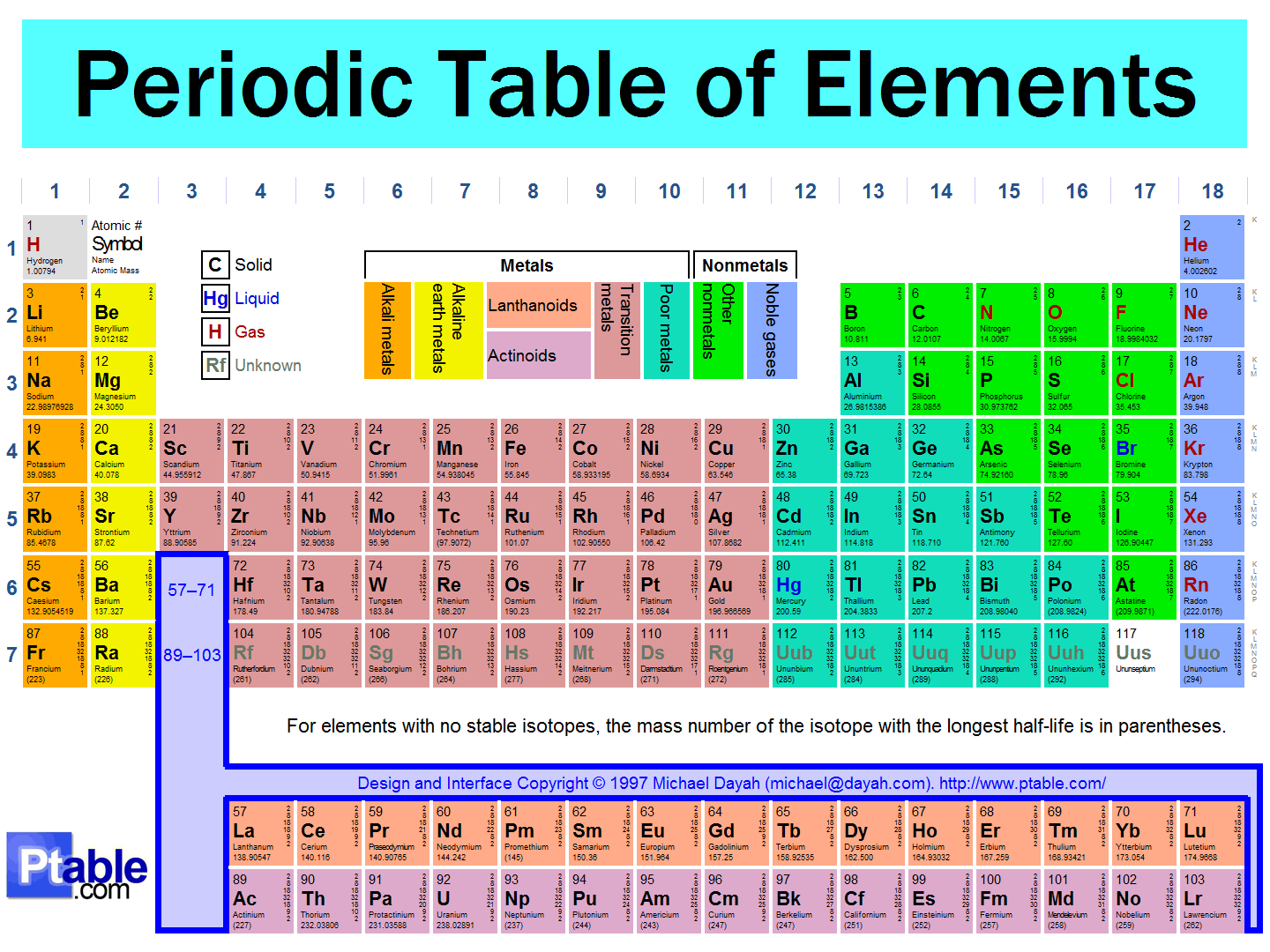
The horizontal row on the periodic table is called a
a)
group
b)
family
c)
period
d)
atomic number
36.

A vertical column is called...
a)
group
b)
tower
c)
period
d)
crew
37.
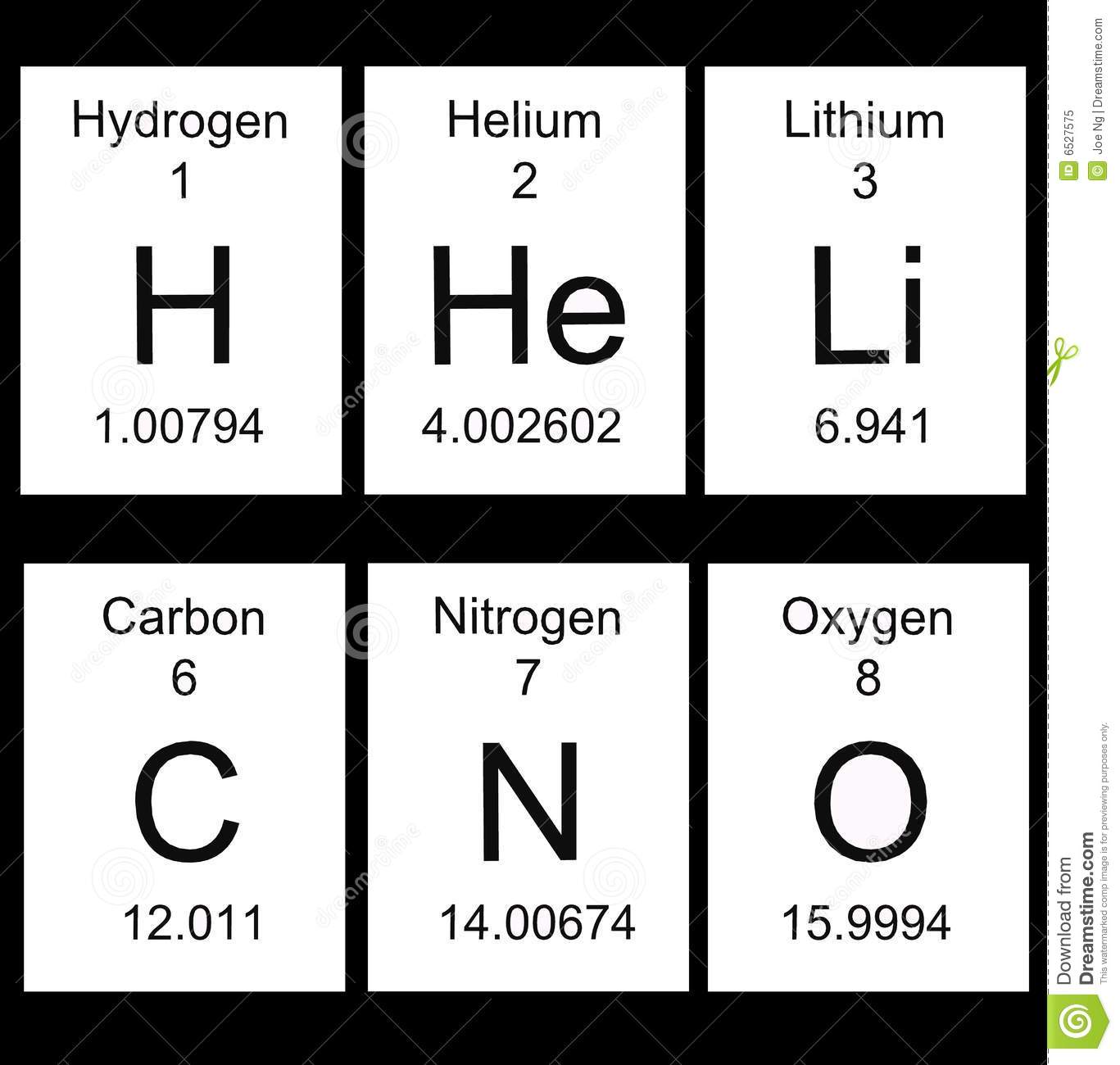
The number at the bottom of each square on the periodic table is the ...
a)
atomic number
b)
atomic mass
c)
chemical symbol
d)
element name
38.
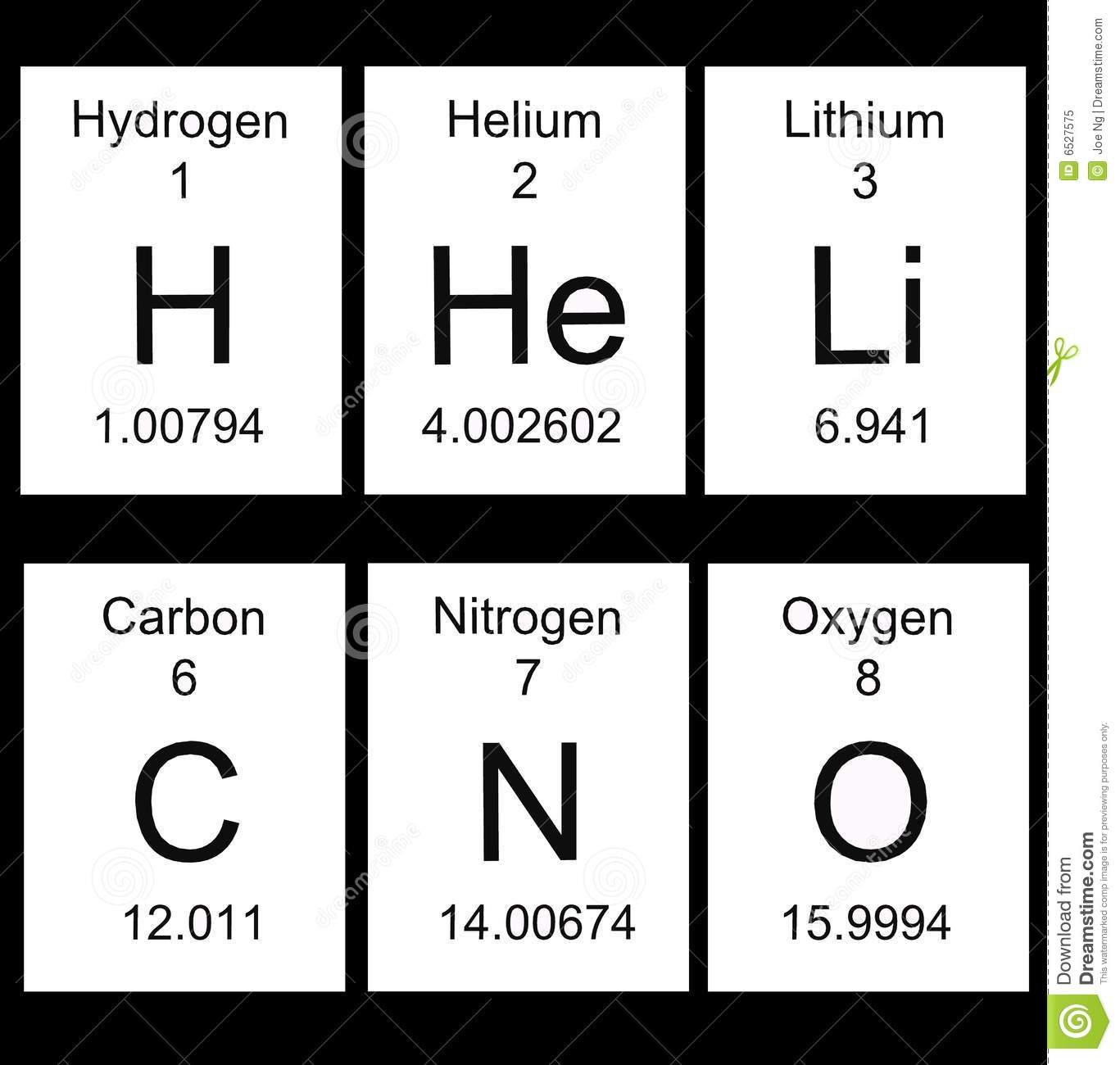
The number at the top of each square on the periodic table is the ...
a)
atomic number
b)
atomic mass
c)
Chemical Symbol
d)
Element Name
39.
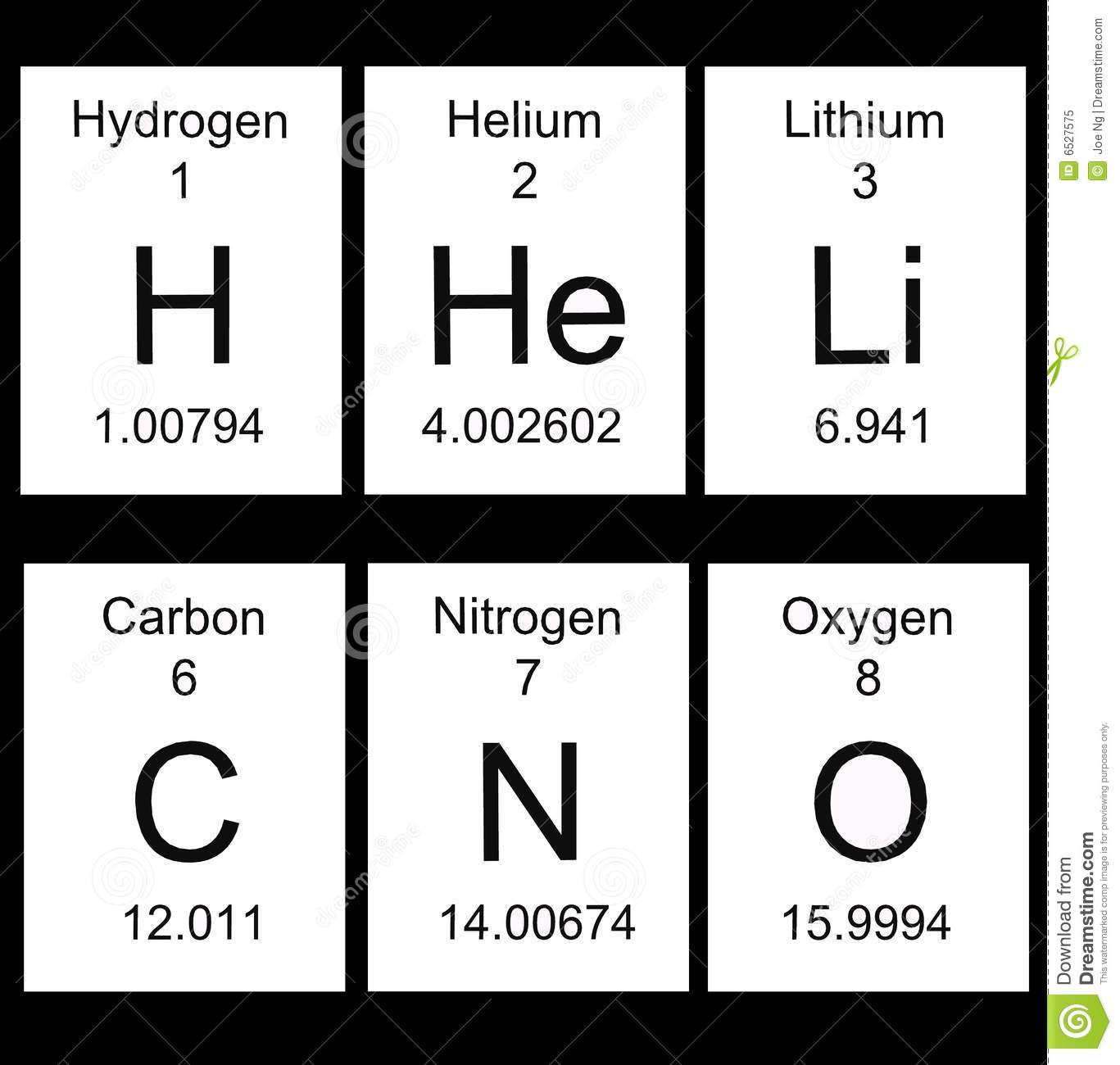
What is the chemical symbol for Lithium?
a)
H
b)
He
c)
Li
d)
N
40.
Salt has a chemical formula of NaCl. Salt is a...
a)
Compound
b)
Element
c)
Mixture
d)
None of the Above
41.
What cannot be broken down into other substances?
a)
Compound
b)
Mixture
c)
Solids
d)
Element
42.
What is made up two or more elements that are chemically combined?
a)
Element
b)
Mixture
c)
Compound
d)
Solids
43.
A combination of substances that are not chemically combined is called a(n)____________.
a)
mixture
b)
compound
c)
physical
44.
Mixtures are separated through ___________changes.
a)
mixture
b)
compound
c)
physical
45.
An element is made up of only one kind of _____.
a)
isotope
b)
plastic
c)
atom
d)
metal
46.

a)
Element
b)
Molecule
c)
Compound
d)
Mixture
47.

a)
Element
b)
Molecule
c)
Compound
d)
Mixture
48.

a)
Element
b)
Molecule
c)
Compound
d)
Mixture
49.

a)
Mixture of elements
b)
Mixture of molecules
c)
Mixture of compounds
50.

a)
Element
b)
Molecule
c)
Compound
d)
Mixture
51.

What is salad?
a)
element
b)
compound
c)
mixture
52.

What is sugar?
a)
element
b)
compound
c)
mixture
53.

Italian Salad Dressing is a . . .
a)
heterogeneous mixture
b)
homogeneous mixture
c)
Pure Substance
d)
Compound
54.
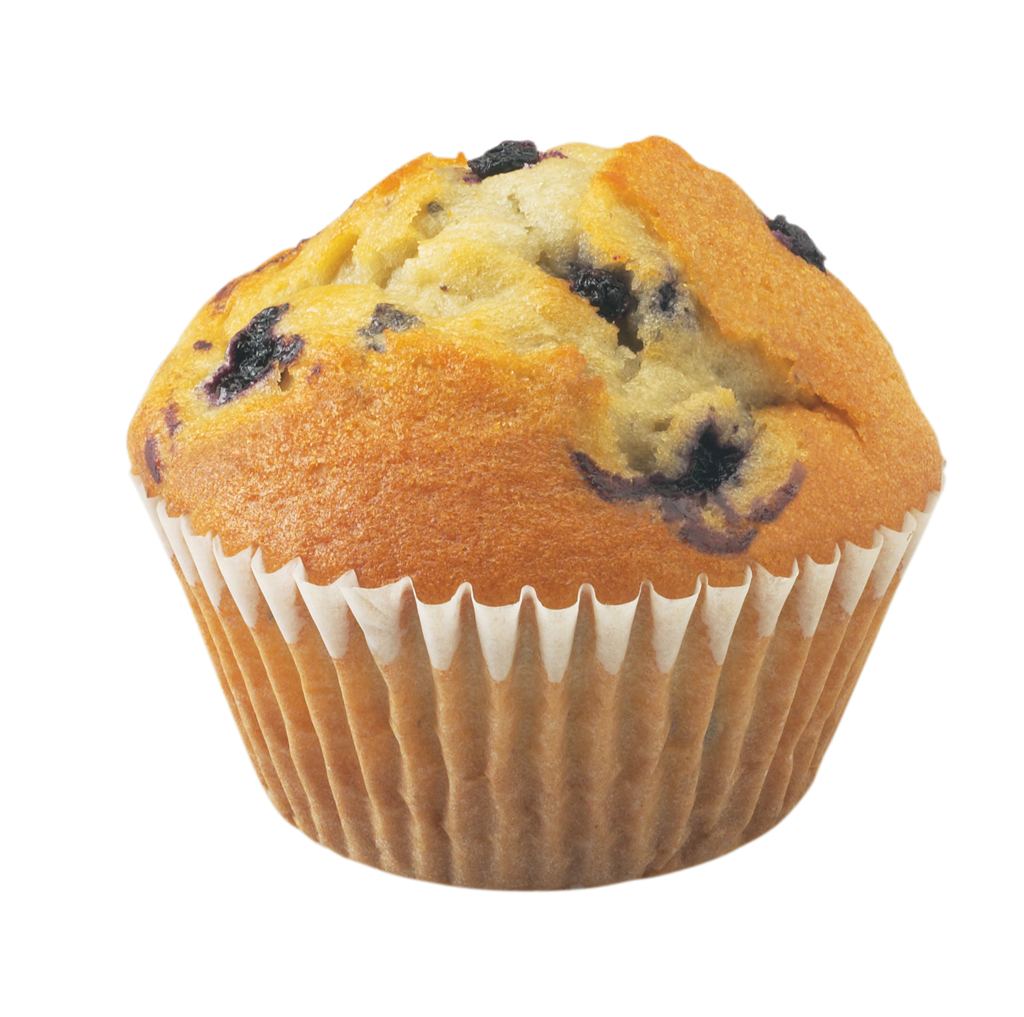
blue berry muffin
a)
heterogeneous mixture
b)
homogeneous mixture
55.

Milk
a)
Heterogeneous mixture
b)
Homogeneous mixture
56.
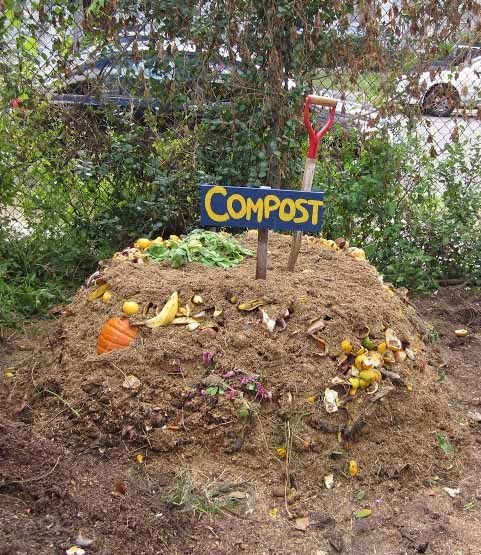
A compost pile in the backyard for the garden
a)
Heterogeneous
b)
Homogeneous
57.
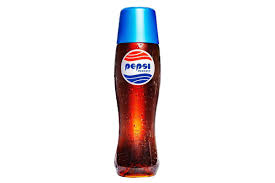
Pepsi
a)
Heterogeneous mixture
b)
homogeneous mixture
58.
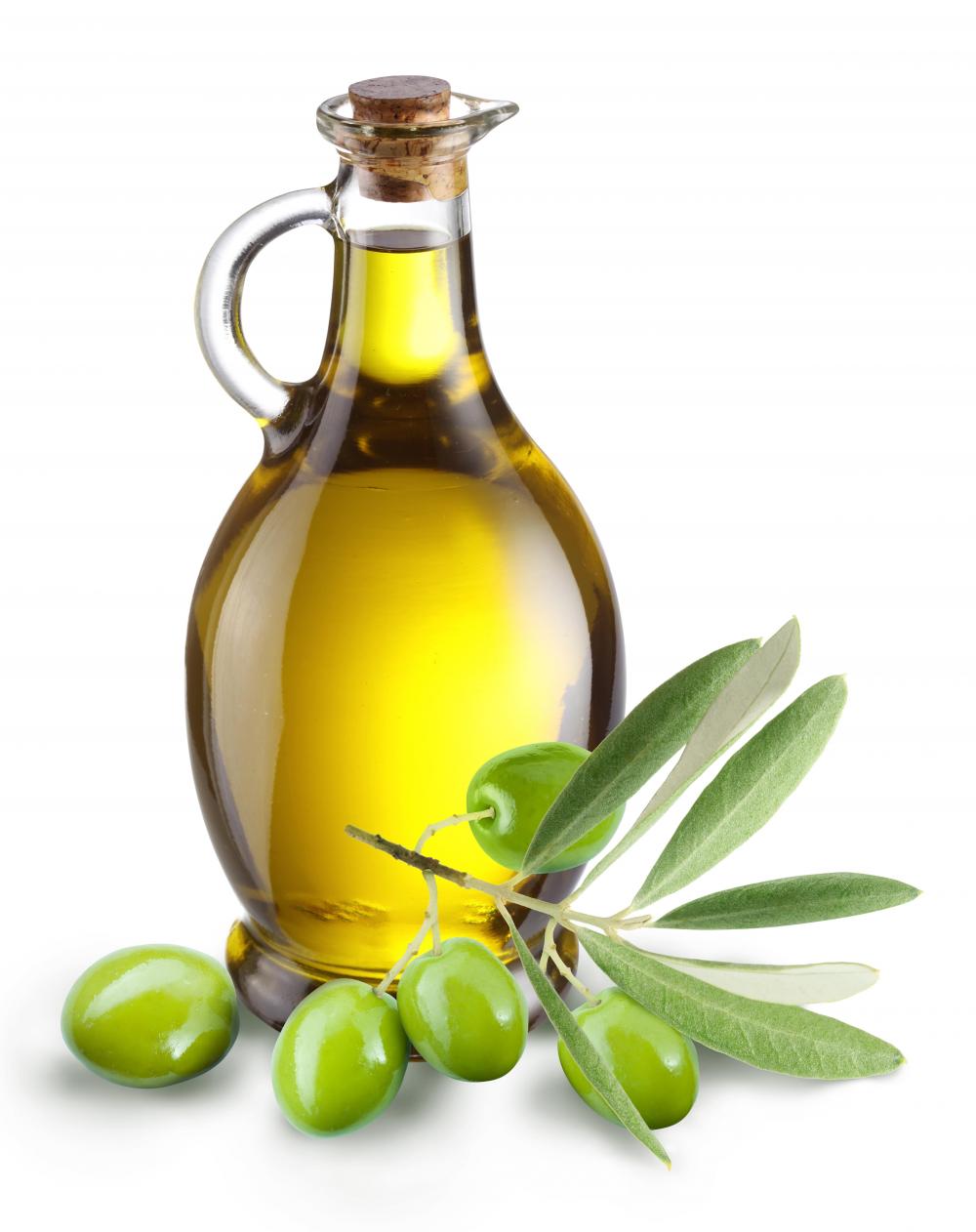
Olive Oil
a)
Heterogeneous mixture
b)
Homogeneous mixture
59.
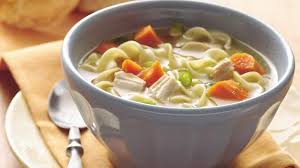
Chicken noodle soup
a)
heterogeneous mixture
b)
homogeneous mixture
60.
What cannot be broken down into other substances?
a)
Compound
b)
Mixture
c)
Solids
d)
Element
61.
TRUE OR FALSE:
Every compound is a molecule but not every molecule is a compound.
Every compound is a molecule but not every molecule is a compound.
a)
TRUE
b)
FALSE
62.

What is the picture displayed?
a)
Atom
b)
Element
c)
Molecule
d)
Compound
63.

What is the picture displayed?
a)
atom
b)
element
c)
molecule
d)
compound
64.

What is the picture displayed?
a)
atom
b)
element
c)
molecule
d)
compound
65.
What kind of properties can only be observed when a substance changes into a different substance?
a)
physical properties
b)
chemical properties
c)
liquid properties
d)
real properties
66.

Is burning wood a chemical or physical change?
a)
chemical
b)
physical
67.
A change in the size, shape, or state of matter.
a)
chemical change
b)
physical change
c)
chemical reaction
d)
electron change
68.
Which of the following is NOT an example of a physical change?
a)
crumpled paper
b)
pencil sharpening
c)
shrunken clothing
d)
sour milk
69.
Kim puts an ice cube in a beaker and it melts. This is a good example of:
a)
a physical change.
b)
a chemical change.
c)
an experiment.
d)
an analysis.
70.

Photosynthesis is an example of a
a)
physical change
b)
chemical change
71.
Adding baking soda and vinegar together and it fizzes and creates carbon dioxide.
a)
Chemical
b)
Physical
72.
What is an example of a Chemical change?
a)
Ripped paper
b)
boiled egg
c)
cracked egg
d)
sugar in water
73.
Which is a physical change?
a)
burning match
b)
vinegar in baking soda
c)
melting butter
d)
cooking an egg
74.

Is mold growing on cheese a physical or chemical change?
a)
Physical
b)
Chemical
75.

Is sharpening a pencil a physical or chemical change?
a)
Physical
b)
Chemical
100 %

