wayground logo

Free Printable Worksheets

NEW

Font size

S
M
L
XL
Worksheets

Periodic Table and the Atom

Total questions: 50

Worksheet time: 2hrs 32mins
Name
Class
Date
1.
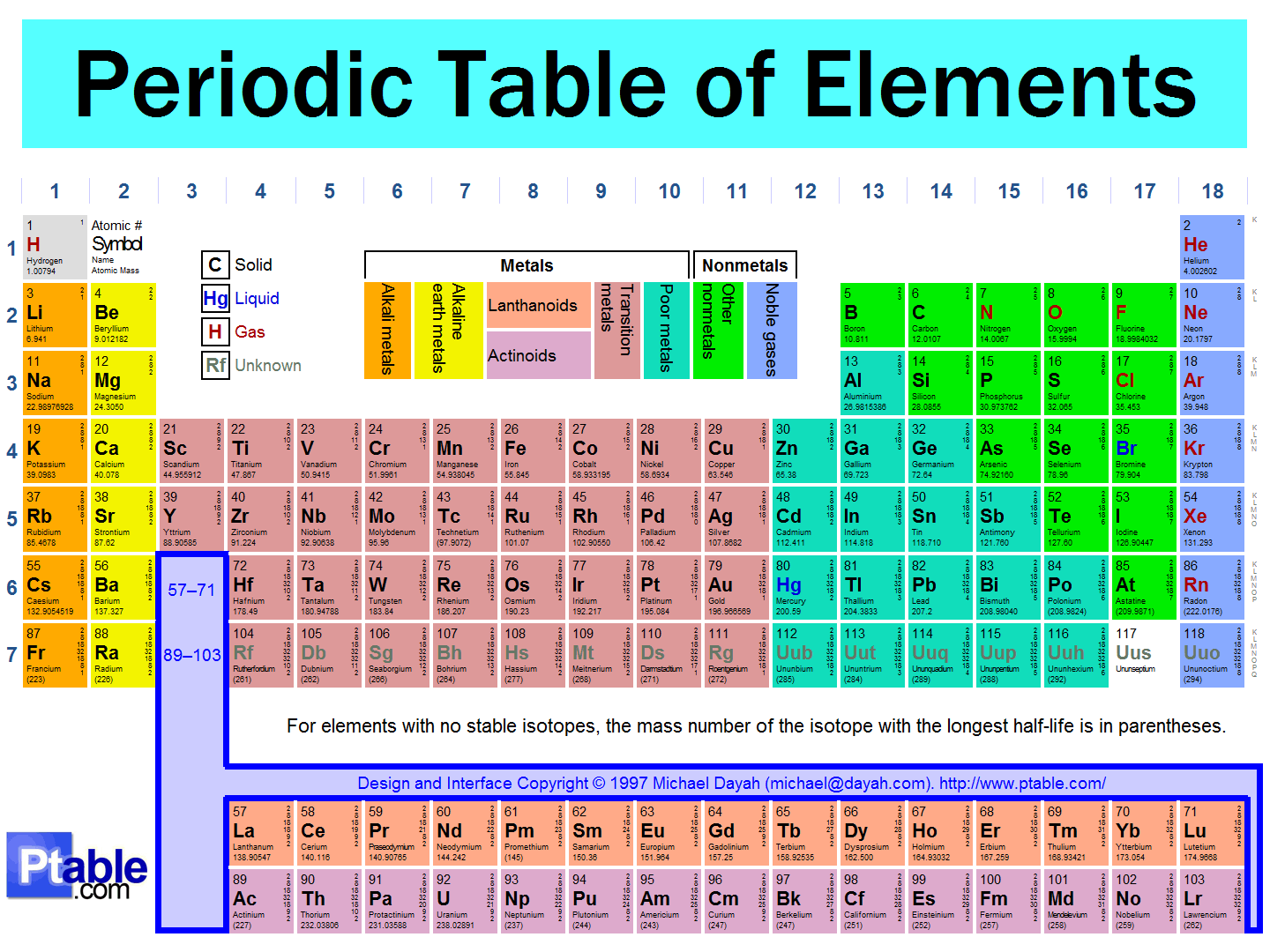
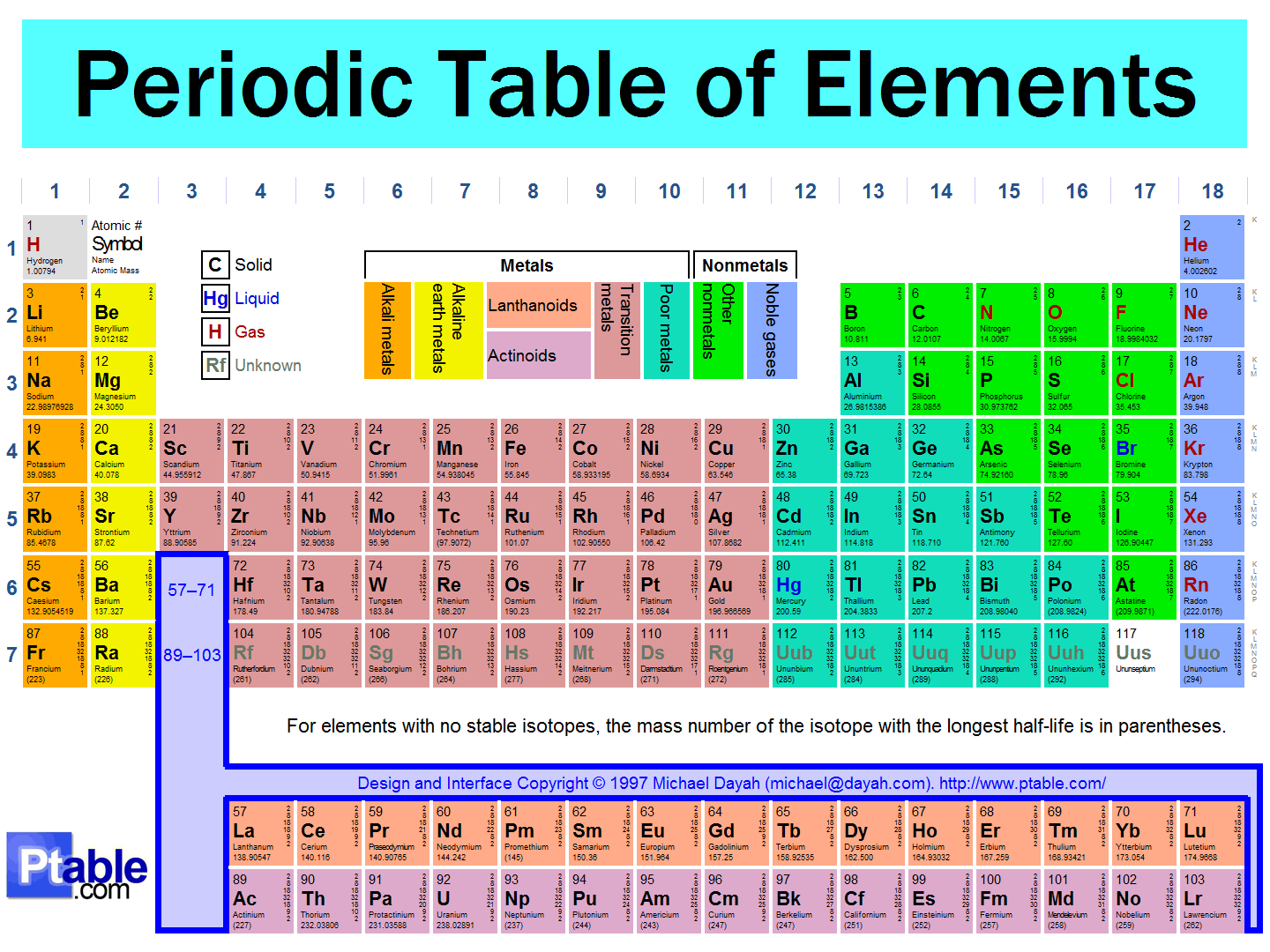
The horizontal row on the periodic table is called a
a)
group
b)
family
c)
period
d)
atomic number
2.
A vertical column is called...
a)
group
b)
tower
c)
period
d)
crew
3.
The number at the bottom of each square on the periodic table is the ...
a)
atomic number
b)
atomic mass
c)
chemical symbol
d)
element name
4.
The number at the top of each square on the periodic table is the ...
a)
atomic number
b)
atomic mass
c)
Chemical Symbol
d)
Element Name
5.
What is the chemical symbol for Lithium?
a)
H
b)
He
c)
Li
d)
N
6.
Pure forms of these elements are stored in oil so they won't react with oxygen and water in the air.
a)
Alkali Metals
b)
Alkaline-earth metals
c)
Halogens
d)
Noble Gases
7.
Diamonds are a pure form of what element?
a)
Carbon
b)
Oxygen
c)
Silicon
d)
Silver
8.
Most of the elements on the periodic table are classified as _____.
a)
Metals
b)
Nonmetals
c)
Metalloids
d)
Periods
9.
Nonmetals are located in what section of this periodic table?
a)
Blue
b)
Yellow
c)
Pink
10.
What does the mass number tell you?
a)
The number of electrons and protons
b)
The number of neutrons
c)
The number of protons and neutrons
d)
The number of protons.
11.
Which group of the periodic table is composed of inert (not reactive)  gases?
a)
alkali metals
b)
alkaline earth metals
c)
halogens
d)
noble gases
12.
Which elements have the most similar chemical properties?
a)
K and Na
b)
K and Ca
c)
K and Cl
d)
K and S
13.
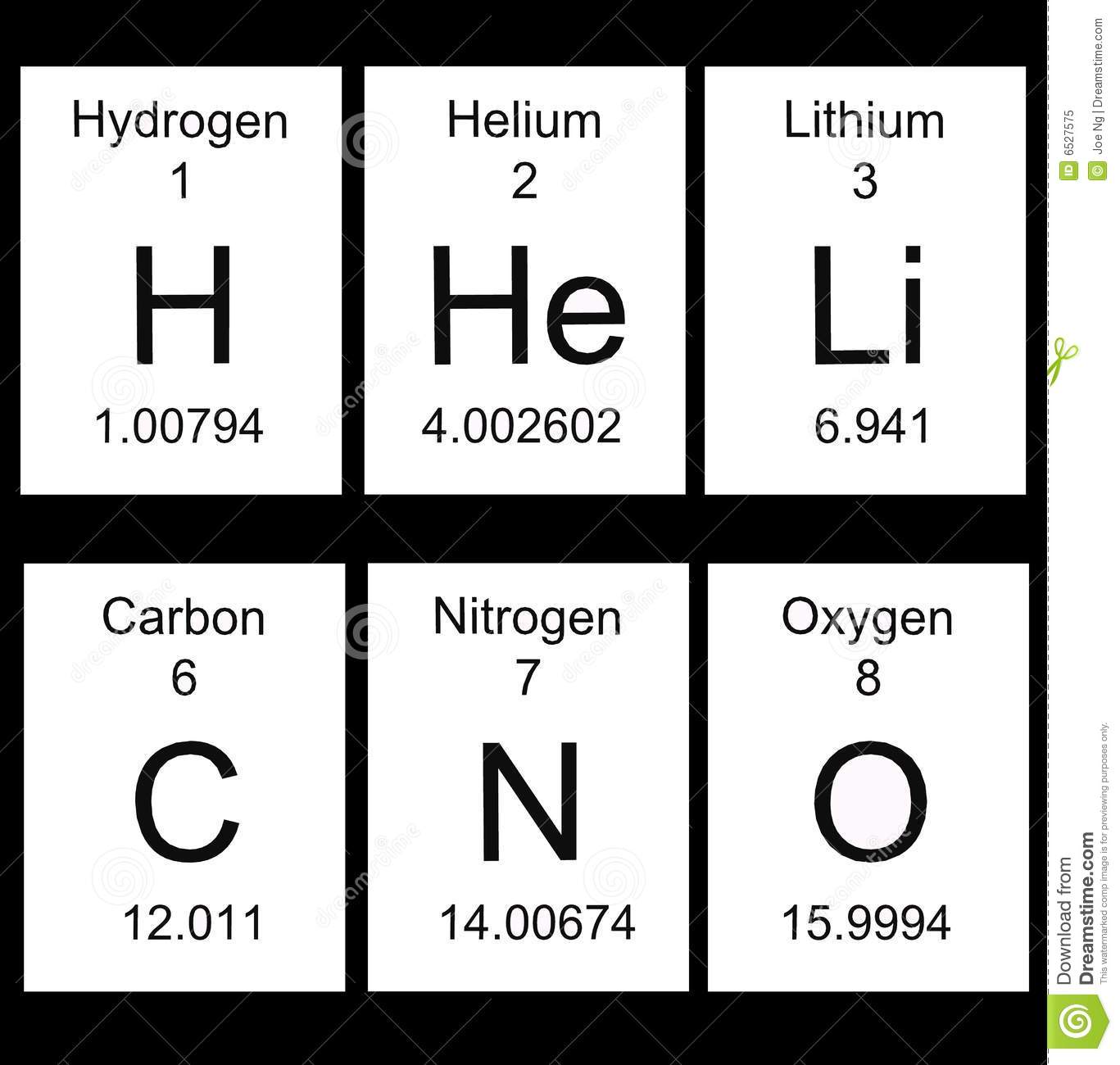
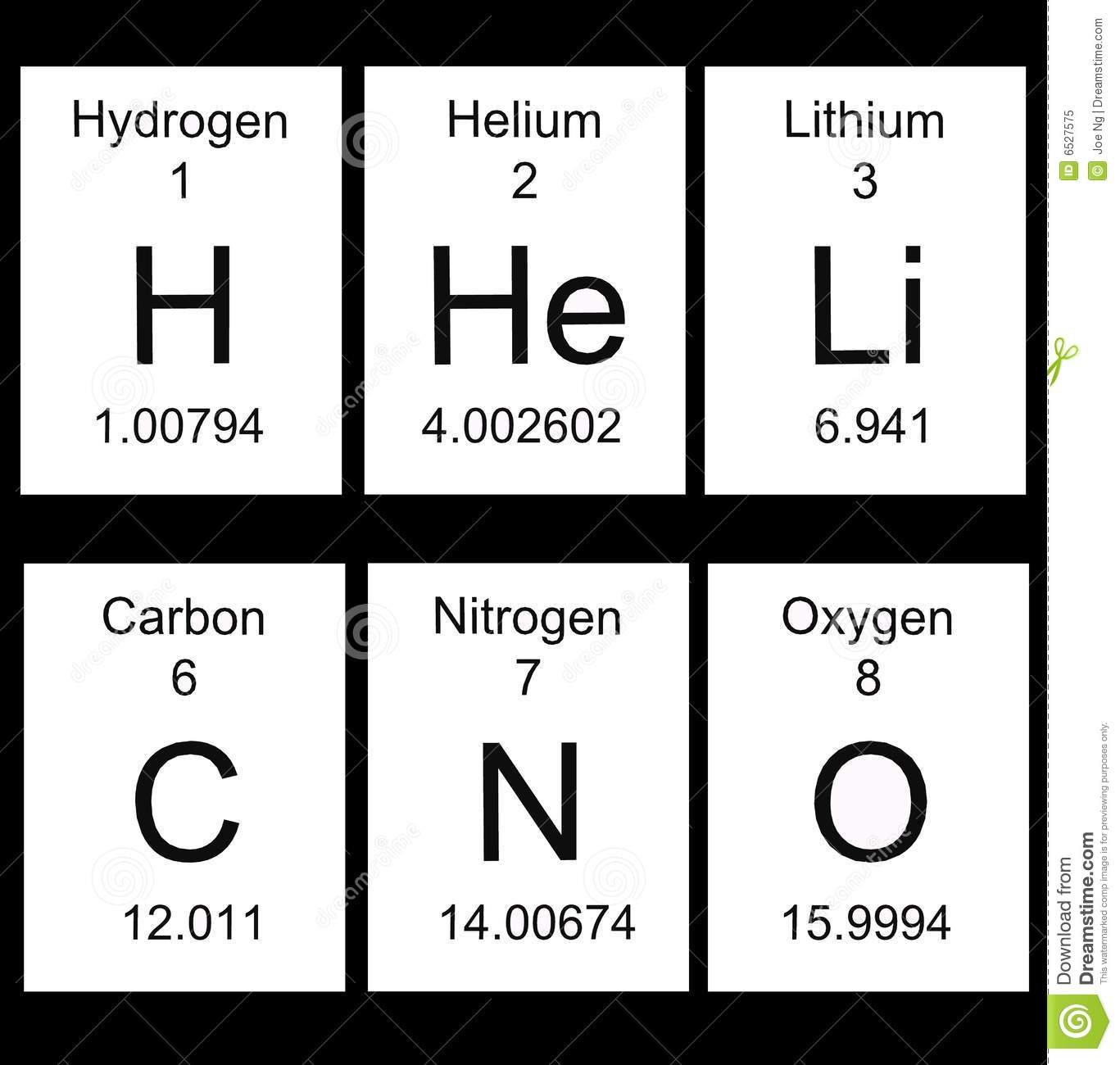
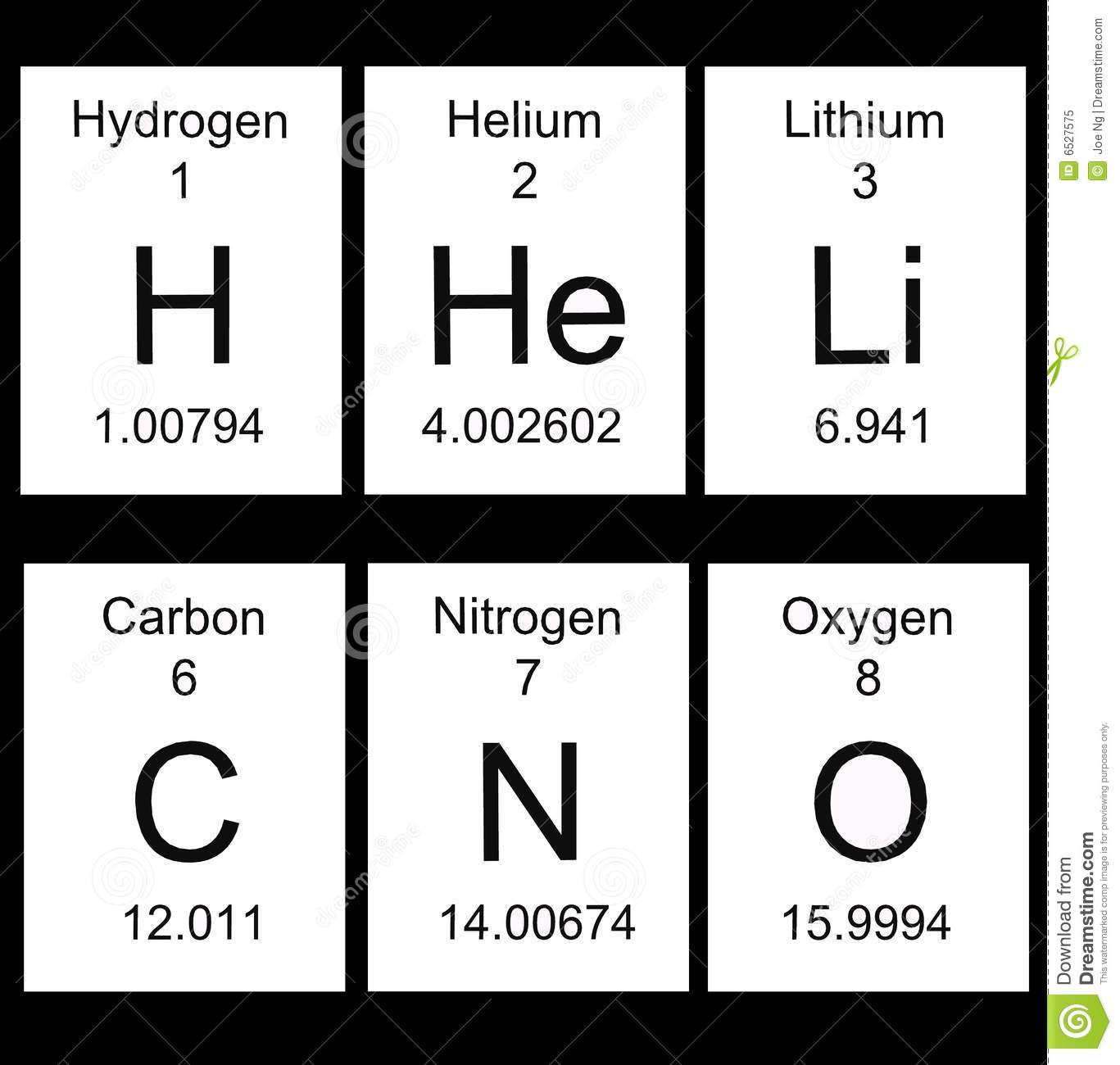
What are the first two elements on the periodic table?
a)
hydrogen and helium
b)
hydrogen and lithium
c)
hydrogen and carbon
d)
nitrogen and helium
14.
The period for Bromine is ___________.
a)
3
b)
2
c)
4
15.
Beryllium is in group number______.
a)
Group 2
b)
Group 3
c)
Group 4
d)
Group 7
16.
An element's identity is determined by the number of
a)
electrons.
b)
protons.
c)
neutrons.
d)
valence.
17.

Group 18 elements are known as the _____ _____ and have full valence shells.

a)

inner transition metals

b)

transition metals

c)

noble gases.

d)

halogens

18.
Elements in the same ________ are more chemically similar.
a)
group
b)
period
c)
club
d)
table
19.
What period and group is Silver (Ag)? 
a)
Period 2, Group 1
b)
Period 3, Group 16
c)
Period 5, Group 11
d)
Period 2, 14
20.
The subatomic particle with a negative charge is the
a)
electron
b)
proton
c)
neutron
d)
nucleus 
21.

The electrons in a Bohr model of the atom are found...

a)

in the outer "cloud" surrounding the atom.

b)

inside nucleus of the atom.

c)

in orbitals surrounding the nucleus

d)

spread throughout the positive sphere

22.
Particles in an atom that are neutral and have no charge are 
a)
negatrons 
b)
electrons 
c)
neutrons 
d)
protons 
23.

The positive particles of an atom are

a)

electrons

b)

positrons

c)

neutrons

d)

protons

24.
How many electrons does a Copper atom have?
a)
63
b)
29
c)
92
d)
34
25.
The atomic number tells you what?
a)
number of electrons
b)
number of protons
c)
number of neutrons
d)
both electrons and protons in an atom.
26.

Which one of the following discoveries came first?

a)

electrons

b)

neutrons

c)

quarks

d)

atoms

27.

Which scientist discovered the electrons?

a)

Dalton

b)

Thomson

c)

Atristotle

d)

Bohr

28.

Which scientist discovered that the nucleus contained neutrons?

a)

Neils Bohr

b)

Ernest Rutherford

c)

John Dalton

d)

James Chadwick

29.

Which one of the following is the correct order of scientific contribution of the atom?

a)

Chadwick, Dalton, Bohr, Rutherford, Democritus,Thomson

b)

Thomson, Democritus,Rutherford, Bohr, Dalton ,Chadwick

c)

Dalton, Chadwick ,Bohr, Rutherford, Democritus,Thomson

d)

Democritus, Dalton, Thomson, Rutherford, Bohr, Chadwick

30.
In the modern periodic table elements are arranged by:
a)
atomic mass
b)
atomic number
c)
valence electrons
d)
number of isotopes
31.
Who developed the Quantum Mechanical Model?
a)
Erwin Schrodinger
b)
Joseph Thomson
c)
James Chadwick
d)
Ernest Rutherford
32.
Who discovered that the nucleus contains positively charged particles called protons?
a)
Ernest Rutherford
b)
James Chadwick
c)
Democritus
d)
Niels Bohr
33.
Which model is this?
a)
Thomson Model
b)
Cloud Model
c)
Bohr Model
d)
Rutherford Model
34.
Which model involved gold foil?
a)
Thomson Model
b)
Rutherford Model
c)
Cloud Model
d)
Bohr Model
35.
Which of these particles was discovered first?
a)
Protons
b)
Electrons
c)
Neutrons
d)
Quarks
36.

Who was the Greek philosopher who called the smallest particle of matter as "atom"?

a)

Democritus

b)

Aristotle

c)

J.J Thompson

d)

Einstein

37.

What is a molecule?

a)

two elements bonded together (sharing electrons)

b)

a mixture of different substances

c)

smallest individual particles

d)

salt mixed in water

38.

Which of the following is a chemical formula?

a)

H2SO4

b)

Si

c)

Hg

d)

C

39.

Which of the following is a chemical symbol?

a)

H2O

b)

O

c)

NaCl

d)

FeO

40.

An atom has 4 protons.

How many electrons does it have if the atom has a -1 charge?

a)

6

b)

5

c)

4

d)

3

41.

What is an ion?

a)

a charged atom

b)

an atom with different neutrons

c)

atoms with no protons

d)

atoms with no electrons

42.
A water molecule contains
a)
one hydrogen atom and two oxygen atoms
b)
two hydrogen atoms and one oxygen atom
c)
two hydrogen atoms and two oxygen atoms
d)
two hydrogen atoms and no oxygen atoms
43.
Sodium can burn and chlorine can kill you. When they combine into a molecule, the new substance is
a)
a solid that is safe to touch
b)
an explosive solid that must be handled carefully
c)
a combination of gasses that can be deadly
d)
a neutral gas that is safe to breathe
44.

A molecule of H2SO4 contains how many atoms?

a)

3

b)

6

c)

7

d)

8

45.

Carbon dioxide (CO2) contains carbon and oxygen. For a molecule to form ____________.

a)

one carbon atom combines with two oxygen atoms

b)

one oxygen atom combines with two carbon atoms

c)

one carbon atom combines with one oxygen atom

d)

two carbon atoms combine with two oxygen atoms

46.

Which of the following IS a molecule but is NOT a compound?

a)

CO2

b)

C

c)

O2

d)

CO

47.
H2O2← ?
This number tells the number of atoms present.
a)
coefficient
b)
molecule
c)
subscript
d)
atom
48.

This test tube may contain Hydrogen. How could we test for this?

a)

Insert a glowing splint

b)

Insert a burning splint

c)

Insert a delivery tube

d)

Use lime water

49.

How does carbon dioxide react with a lit splint?

a)

Squeaky pop

b)

It explodes

c)

Increases flame

d)

Extinguish flame

50.

How do you test for oxygen?

a)

Use a burning splint

b)

Use a glowing splint

c)

Use lime water

d)

Use a delivery tube