
Font size
S
M
L
XL
 Worksheets
Semester Exam Review
Total questions: 165
Worksheet time: 3hrs 47mins
Name
Class
Date
1.
The solid, liquid, and gaseous states of water differ form each other in __________.
a)
the mass of the individual atoms
b)
the size of the individual atoms
c)
the net electrical charge of the individual molecules
d)
the average speed of movement of the individual molecules
2.
Gas stations warn customers not to fill their tanks too much because the tank could overflow as the day gets warmer. Which statement BEST explains why the gasoline would overflow?
a)
Heat cause liquids to expand
b)
Heat cause liquid to contract
c)
Heat cause air to leave the tank
d)
Heat causes air to flow into the tank.
3.

The circles in the bottles represent the same particles of matter. Which answer correctly identifies each state of matter?
a)
1: solid; 2: liquid; 3: gas
b)
1: solid; 2: gas; 3: liquid
c)
1: gas; 2: plasma; 3: solid
d)
1: liquid; 2: solid; 3: plasma
4.
As ice cream melts, its molecules ________
a)
release heat energy and move farther apart
b)
absorb heat energy and move farther apart
c)
absorb heat energy and move closer together
d)
release heat energy and mover closer together
5.

Which statement best describes the motion of the water molecules when heat is added to the beaker?
a)
The molecules slow down.
b)
The molecules move closer together.
c)
The molecules speed up.
d)
The molecules do not change their motion.
6.
When Joe put a cheeseburger sealed in a plastic bag into the microwave, there was not much air in the bag. After the cheeseburger was cooked, the plastic bag was full of air. Where did the air come from?
a)
It came out of the cheeseburger.
b)
It came from the fan in the microwave.
c)
It was already in the bag and it expanded as it was heated.
d)
It came from a chemical reaction whereby energy from the microwave creates O2 molecules.
7.
Which of these is a change in chemical composition?
a)
A lake freezes solid.
b)
Gravel, sand, and water are mixed.
c)
A copper bar is rolled into a flat sheet.
d)
Vinegar bubbles when baking soda is added.
8.
If you break a piece of glass, the shape of the glass changes, but the properties in the fragments remain the same. Which of the following has occurred?
a)
A phase change
b)
A physical change
c)
A chemical change
d)
A temperature change
9.
In making a pizza, which process involves a chemical change?
a)
mixing spices for the sauce
b)
spreading cheese on the pizza
c)
slicing pepperoni for the topping
d)
baking the dough to form the crust
10.
Which of the following is a characteristic of ALL chemical changes?
a)
A new material is formed.
b)
Some form of light is given off.
c)
Some mass is converted to energy.
d)
Some mass is converted to energy.
11.
All of the following are examples of a chemical change EXCEPT:
a)
A penny lost in the grass slowly changes color.
b)
A water pipe freezes and cracks on a cold night.
c)
A log gives off heat and light as it burns.
12.
A chemical property of silver is:
a)
The melting point is 962°C.
b)
Silver is white.
c)
Silver does not react with water.
d)
The density is 10.49 g/cm3.
13.
The bulb of a thermometer is placed in your mouth. Which of the following explains why the level of the liquid rises in the thermometer?
a)
The liquid expands when heated.
b)
Hot air rises inside the thermometer.
c)
Heat can change a solid into a liquid.
d)
Heat energy changes into light energy.
14.
All of the following are physical properties of Silver EXCEPT:
a)
Silver is white.
b)
The density of silver is 10.49 g/cm3.
c)
Silver tarnishes.
d)
The boiling point of silver is 2000°C.
15.
Tom places four objects in a tank of water. He makes the following observations.
A cork floats
A rock sinks
A soda can floats
A piece of chalk sinks
Which statement is correct based on Tom’s observations?
A cork floats
A rock sinks
A soda can floats
A piece of chalk sinks
Which statement is correct based on Tom’s observations?
a)
The rock and the chalk have a density less than water.
b)
The rock and the chalk have a density greater than water.
c)
The cork and the can of soda have a density equal to water.
d)
The cork and the can of soda have a density greater than water.
16.

Which of these is floating on water but sinking in oil?
a)
The marble
b)
The marble
c)
The ice cube
d)
The paper clip
17.

Which model shows the structure and movement of particles in a solid?
a)
model 1
b)
model 2
c)
model 3
d)
model 4
18.
What kind of properties result in the substance changing into a new substance?
a)
Liquid Properties
b)
Physical Properties
c)
Chemical Properties
d)
Real Properties
19.
Which of the following is a physical property?
a)
Density
b)
Flammability
c)
Oxidation
d)
Reactivity
20.
Which of the following tells you that a chemical change has occurred?
a)
Change Shape
b)
Melting
c)
Vaporizing
d)
Change in color
21.
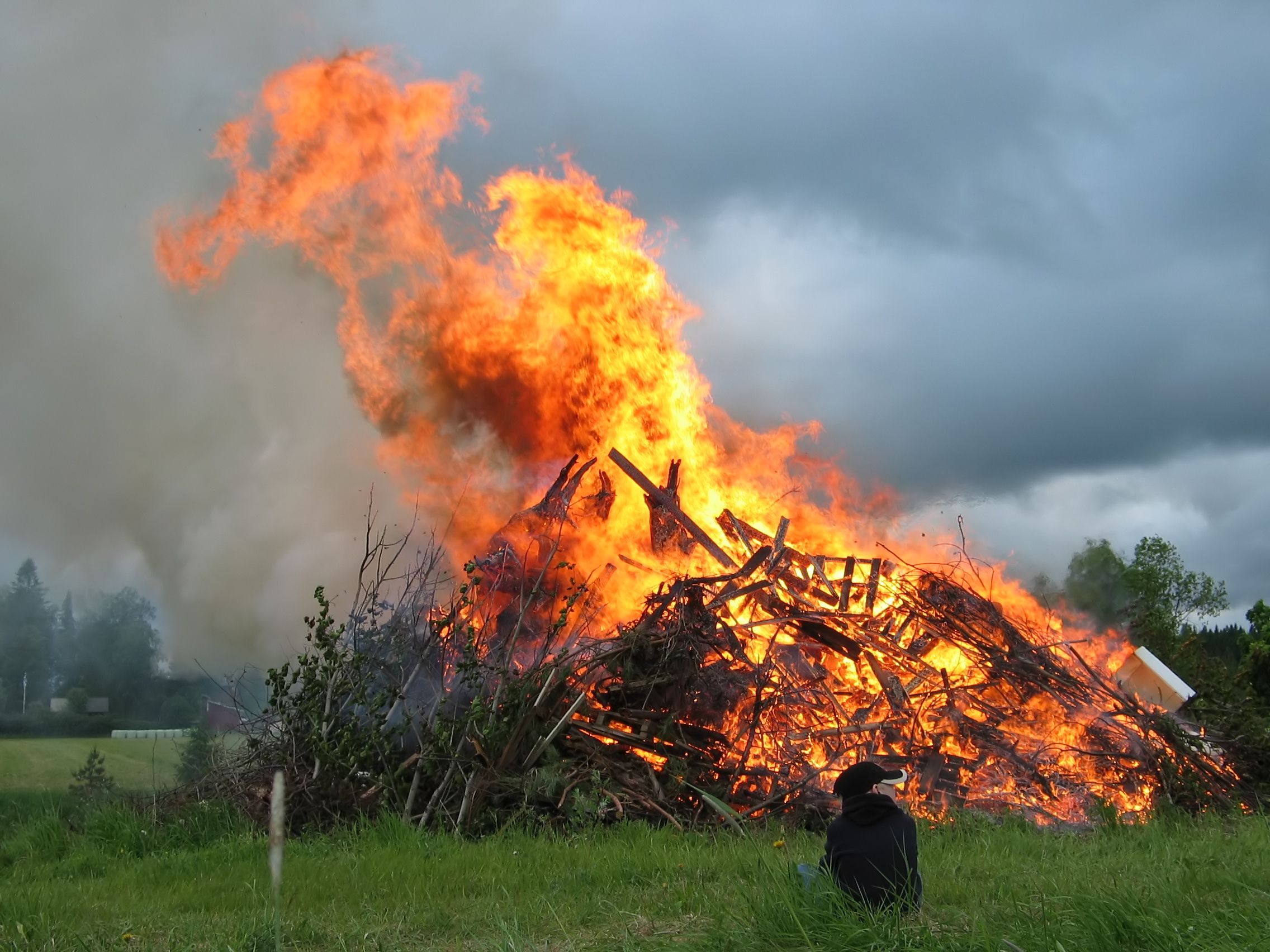
Is wood burning a physical or chemical change?
a)
Physical
b)
Chemical
22.
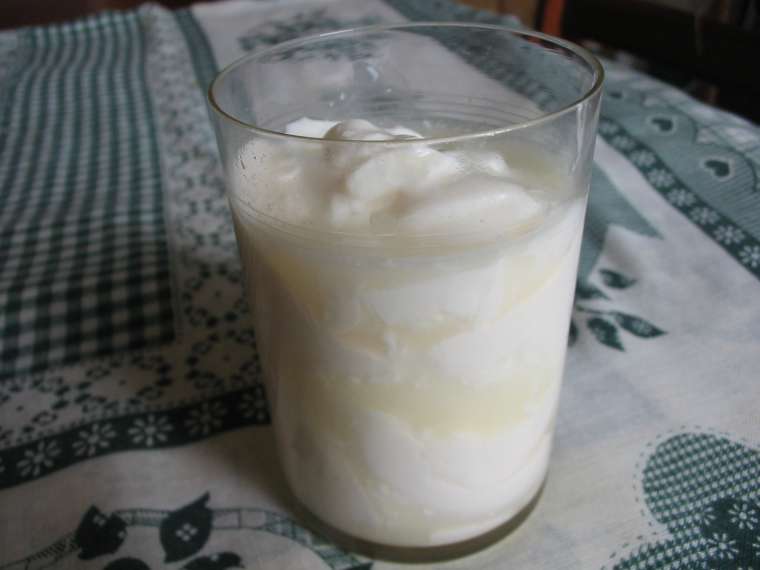
Is milk going sour a physical or chemical change?
a)
Physical
b)
Chemical
23.

Is gatorade powder dissolving in water physical or chemical change?
a)
Physical
b)
Chemical
24.

Is mold growing on cheese a physical or chemical change?
a)
Physical
b)
Chemical
25.

The three jars show the movement of particles in three states of matter Dry ice is solid carbon dioxide As dry ice is heated, it goes directly from a solid to a gas through a process called sublimation Which sequence of jars shows the change in the motion of particles of dry ice as it sublimes?
a)
jar P to jar Q
b)
jar P to jar R
c)
jar Q to jar R
d)
jar R to jar P
26.

Is sharpening a pencil a physical or chemical change?
a)
Physical
b)
Chemical
27.

Is copper tarnishing a physical or chemical change?
a)
Physical
b)
Chemical
28.
The force that pulls objects toward each other
a)
Momentum
b)
Gravity
c)
Velocity
d)
Speed
29.

Is the formation of the grand canyon a physical or chemical change?
a)
Physical
b)
Chemical
30.
Which of the following is not a clue that a chemical reaction has taken place?
a)
Changing size
b)
Changing color
c)
A gas being formed
d)
Formation of a precipitate
31.
Boiling
a)
liquid to gas
b)
gas to solid
c)
gas to liquid
d)
solid to liquid
32.
Particles (molecules) in a ______________________ have more energy than the other states of matter.
a)
gas
b)
solid
c)
liquid
33.
Define a liquid.
a)
Indefinite shape, indefinite volume
b)
Definite shape, definite volume
c)
Found in stars
d)
Definite volume, indefinite shape
34.
What is happening when my ice cream changes from a solid to a liquid?
a)
freezing
b)
melting
c)
burning
d)
evaporation
35.
What is condensation?
a)
gas to solid
b)
gas to liquid
c)
liquid to solid
d)
solid to liquid
36.
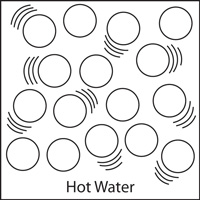
The speed of the molecules determines the _____.
a)
volume
b)
density
c)
pressure
d)
temperature
37.
When the temperature of matter increases the particles...
a)
speed up and move closer
b)
speed up and move farther apart
c)
slow down and move closer together
d)
slow down and move farther apart
38.
When the temperature of matter decreases the particles ...
a)
speed up and move farther apart
b)
speed up and move closer together
c)
slow down and move farther apart
d)
slow down and move closer together
39.
What happens when my glass of water is sitting in the sun and disappears into a gas?
a)
evaporation
b)
burning
c)
melting
d)
freezing
40.
Anything that takes up space is called _________.
a)
liquid
b)
matter
c)
gas
d)
sofa
41.
True or false: A gas will expand to fill it's container.
a)
true
b)
false
42.
One of the four forms of matter made of atoms that are in constant random order
a)
gas
b)
solid
c)
liquid
d)
evaporation
43.
Sublimation is
a)
when solid turns into gas
b)
when gas turns into plasma
c)
when liquid turns into gas
d)
when gas turns into solid
44.
Matter changing states creates a new substance
a)
True
b)
False
45.
what is burning?
a)
physical change
b)
physical property
c)
chemical change
d)
chemical property
46.
which one is a chemical property?
a)
odor
b)
combustibility
c)
solubility
d)
all of the above
47.

Photosynthesis is an example of a
a)
physical change
b)
chemical change
48.
what is solubility?
a)
chemical property
b)
physical property
c)
george
d)
chemical change
49.
One cup of water is left outside for two days when it was checked there was only half a cup left. What happened?
a)
evaporation; chemical change
b)
condensation; physical change
c)
evaporation; physical change
d)
condensation; chemical change
50.
Digesting your food is an example of
a)
chemical change
b)
physical change
51.
Dissolving sugar in water is an example of a
a)
physical change
b)
chemical change
52.
Which is an example of a chemical reaction?
a)
paper cut into small pieces
b)
chocolate melting in a pan
c)
flour and sugar mixed in a bowl
d)
cookies baking in an oven
53.
Solids are described as having a
a)
definite shape and indefinite volume
b)
indefinite shape and indefinite volume
c)
definite shape and definite volume
d)
indefinite shape and definite volume
54.
Gases are described as having a
a)
definite shape and indefinite volume
b)
indefinite shape and indefinite volume
c)
definite shape and definite volume
d)
indefinite shape and definite volume
55.
What has to happen in order for a phase change to occur?
a)
take away heat
b)
add heat
c)
either add or take away heat
56.
On a roller coaster, where is maximum potential energy?
a)
At the bottom of a big hill
b)
When going around a corner
c)
When going upside down
d)
At the top of a big hill
57.
Define a physical property.
a)
Observations made or measured using your senses, without changing the identity of the substance
b)
Can only be measured using specific science equipment
c)
Only observed in situations where the identity of the object is changing
d)
Only measurable if the identity of the object changes
58.
TRUE OR FALSE: You can look at matter and observe the chemical properties.
a)
TRUE
b)
FALSE
59.
Liquids are described as having a
a)
definite shape and indefinite volume
b)
indefinite shape and indefinite volume
c)
definite shape and definite volume
d)
indefinite shape and definite volume
60.
A change in the size, shape, or state of matter.
a)
chemical change
b)
physical change
c)
chemical reaction
d)
electron change
61.
Is hammering wood together to build a house a chemical or physical change?
a)
chemical
b)
physical
62.
Energy of motion is which type of energy?
a)
Potential
b)
Kinetic
c)
Sound
d)
Gravitational
63.
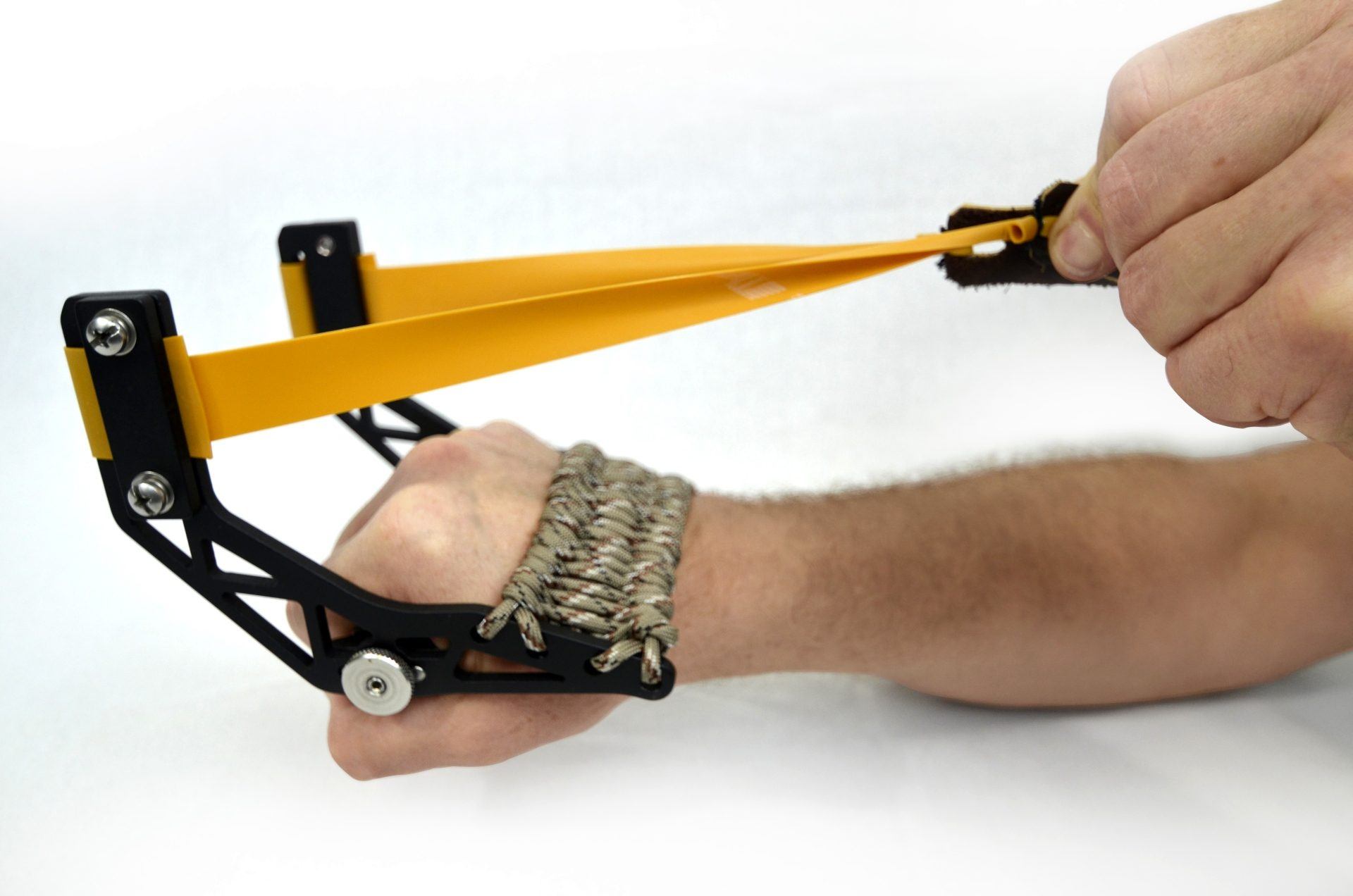
What type of energy is in this picture?
a)
Kinetic
b)
Potential
c)
Chemical
d)
Sound
64.
When plants convert the sun's energy into food, which type of energy is it?
a)
kinetic
b)
chemical
c)
thermal
d)
radiant
65.

What kind of energy is represented in this picture?
a)
Thermal
b)
Potential
c)
Nuclear
d)
Mechanical
66.

What kind of energy does this device use?
a)
Chemical
b)
Electrical
c)
Thermal
d)
Chemical
67.
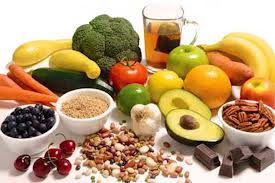
What kind of energy is represented in the picture?
a)
Thermal
b)
Chemical
c)
Sound
d)
Nuclear
68.

According to the graph how far does the person travel in the first 5 seconds?
a)
2 m
b)
10 m
c)
0 m
d)
5 m
69.

A battery converts what type of energy to another?
a)
sound to kinetic
b)
light to heat
c)
mechanical to electrical
d)
chemical to electrical
70.
On a roller coaster, where is maximum kinetic energy?
a)
At the bottom of a big hill
b)
When going around a corner
c)
When going upside down
d)
At the top of a big hill
71.
Acceleration is due to a force put on an objects mass.
a)
1st
b)
2nd
c)
3rd
72.
Which items would have this energy transformation: chemical energy -> electrical, light and thermal energy?
a)
turning on a flashlight
b)
nuclear power plant
c)
digesting an apple
d)
tanning bed
73.
When a hot object touches a cooler object, heat energy is transferred from the warmer object to the cooler object through:
a)
radiation
b)
electrical energy
c)
conduction
d)
solar heating
74.
You and your family are sitting around a campfire. You can feel the heat on your face, even when you back your seat away from the fire. The heat energy from the fire warms your face through:
a)
light energy from the fire
b)
conduction
c)
chemical reactions in the fire
d)
radiation
75.
Choose the best example that represents heat transfer through convection.
a)
boiling water on an electric stove
b)
lighting a bulb using a battery and wires
c)
getting a sun tan
d)
inflating a hot air balloon
76.
Heat energy transfer is:
a)
the transfer of heat from one object to another.
b)
the radiation of heat from an object.
c)
an increase in heat energy.
d)
a loss of heat energy.
77.

A generator converts mechanical energy into _____________________ energy.
a)
Chemical
b)
Electrical
c)
Light
d)
Sound
78.
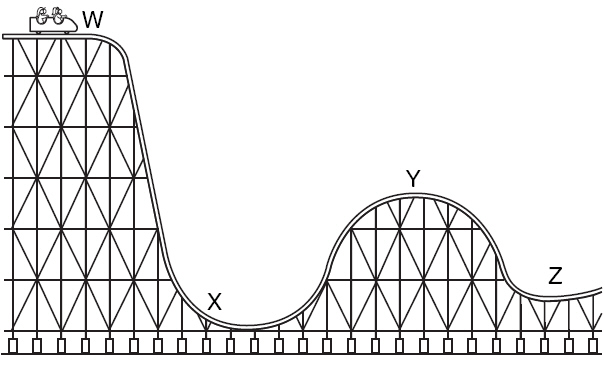
At which point is potential energy greatest?
a)
W
b)
X
c)
Y
d)
Z
79.
An empty truck and a fully loaded truck are next to each other at a traffic light. When the light turns green, the lighter truck increases speed more quickly. Which of these best explains this situations
a)
Newton's first law
b)
Newton's second law
c)
Newton's third law
d)
Conservation of momentum
80.

At which point is kinetic energy greatest?
a)
W
b)
X
c)
Y
d)
Z
81.

Why does the roller coaster car have the greatest amount of potential energy at position A?
a)
The car is at the greatest height at position A.
b)
The car is moving with the greatest velocity at position A.
c)
The car has the greatest mass at position A.
d)
The car has the greatest acceleration at position A.
82.
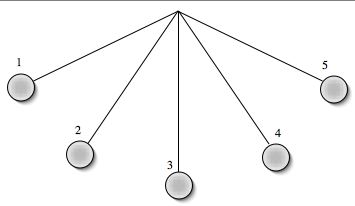
When a pendulum swings, at which point is kinetic energy highest?
a)
1
b)
2
c)
3
d)
4
83.
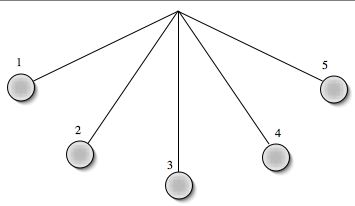
When a pendulum swings, at which point is potential energy at its greatest?
a)
1
b)
2
c)
3
d)
4
84.

which point has the most potential energy
a)
G
b)
f
c)
b
d)
a
85.

Where is Kinetic Energy the greatest?
a)
A
b)
F
c)
D
d)
G
86.

Where is potential energy converting to kinetic energy
a)
D-G
b)
C-F
c)
A-D
d)
A-G
87.

Where is kinetic energy converting to potential energy
a)
A-G
b)
C-F
c)
A-D
d)
D-G
88.

As a roller coaster cart travels downhill, _______ energy increases and ________ energy decreases.
a)
Kinetic / Potential
b)
Potential / Kinetic
89.

How does the mass of a bowling ball that has been rolled down the lane affect the kinetic energy?
a)
The kinetic energy is increases proportional to the square of the mass of the bowling ball.
b)
The kinetic energy is decreases proportional to the mass of the bowling ball.
c)
The kinetic energy is increases proportional to the mass of the bowling ball.
d)
The kinetic energy does not depend on the mass of the bowling ball.
90.
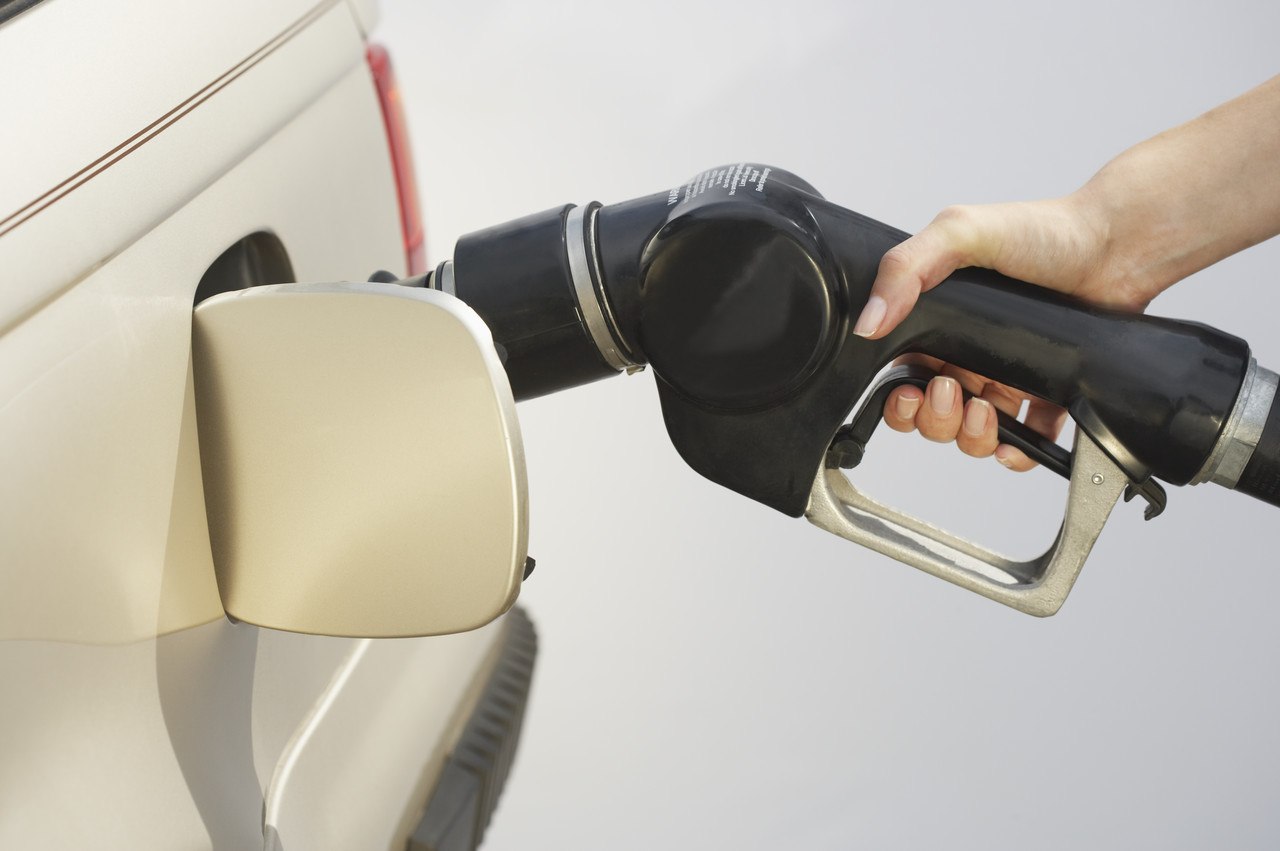
Which energy conversion is taking place when you put gasoline in a car?
a)
thermal -> electrical
b)
mechanical -> electrical
c)
chemical -> mechanical
d)
mechanical -> electromagnetic
91.
According to the Law of Conservation of Energy, energy cannot be _________ or ____________.
a)
destroyed, destroyed
b)
created, saved
c)
created, destroyed
d)
lost, found
92.
Energy transformations occur when...
a)
energy is created through conduction
b)
energy changes from one form to another
c)
two forces slide together that are touching
d)
a chemical reaction takes place
93.

The diagram below shows a hot air balloon rising. Propane gas tanks are seen at the bottom of the balloon. What energy transformations occur when propane gas is used to lift the balloon?
a)
Mechanical to light to chemical
b)
Chemical to mechanical to thermal
c)
Thermal to chemical to light
d)
Chemical to thermal to mechanical
94.

At what position would a cyclist have the most potential energy?
a)
A
b)
B
c)
D
d)
F
95.
Which has more Inertia? (and more force to move)
a)
Truck
b)
Ant
96.
A cell phone battery dies. It gets plugged into an electrical outlet to recharge. Which of the following energy transformations occur during the charging?
a)
mechanical to chemical
b)
electrical to solar
c)
chemical to light
d)
electrical to chemical
97.
Mr. Frohmberg thinks its too hot in the classroom. He plugs in a fan and turns it on, what energy transformation now occurs?
a)
mechanical to electrical
b)
electrical to mechanical
c)
chemical to mechanical
d)
electromagnetic to mechanical
98.
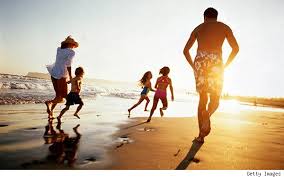
The sun shines down on this family as the play on the beach.
a)
conduction
b)
convection
c)
radiation
99.
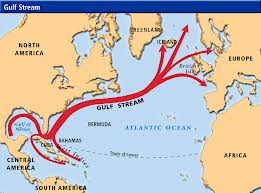
The Gulf Stream is a current that brings warm ocean water from the south to the north.
a)
conduction
b)
convection
c)
radiation
100.

Which direction will the heat flow while this person holds a hot cup of tea?
a)
from the cup to her hand
b)
from her hand to the cup
c)
no heat is transferred
101.
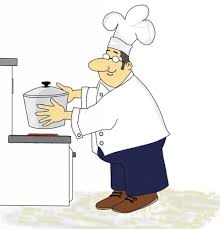
The man goes to take the hot pot off the stove with his bare hands.
a)
conduction
b)
convection
c)
radiation
102.

Which direction will the heat flow while this ice cap melts?
a)
there is no heat transfer
b)
from the icecap to the water
c)
from the water to the icecap
103.
When your feet touch the hot pavement, heat is transferred to your feet through...
a)
Radiation
b)
Convection
c)
Conduction
104.
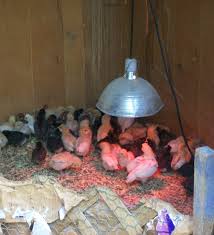
The baby chickens are kept warm from the heat lamps.
a)
conduction
b)
convection
c)
radiation
105.

The warm air from this heater creates a current when the warm air rises and the cold air sinks.
a)
conduction
b)
convection
c)
radiation
106.

The chocolate bunny and the iron.
a)
conduction
b)
convection
c)
radiation
107.
Poor conductors like wood and plastic are called:
a)
conductors
b)
insulators
c)
burners
108.
The main method of heat transfer occurring within water is called __________.
a)
conduction
b)
convection
c)
radiation
d)
insulation
109.
A baker uses oven mitts to protect his hands when removing a hot tray from the oven. Which mode of heat transfer is prevented by the use of the mitts?
a)
condensation
b)
conduction
c)
convection
d)
radiation
110.
A great conductor of energy is:
a)
wood
b)
plastic
c)
metal
d)
cloth
111.
A metal spoon that gets warm when used to stir hot soup is an example of:
a)
Conduction
b)
Convection
c)
Radiation
112.
Is Iron a Conductor or Insulator?
a)
Conductor
b)
Insulator
113.

A toaster toasting bread is an example of
a)
condensation
b)
conductio
c)
convection
d)
radiation
114.
What law is best described by inertia?
a)
1st
b)
2nd
c)
3rd
115.
Equal and Opposite
a)
1st
b)
2nd
c)
3rd
116.
F = MxA
a)
1st
b)
2nd
c)
3rd
117.
Push or Pull
a)
Friction
b)
Inertia
c)
Force
d)
Gravity
118.
Objects tendency to resist change
a)
Friction
b)
Inertia
c)
Force
d)
Gravity
119.
Force exerted between the surfaces of two objects.
a)
Friction
b)
Inertia
c)
Force
d)
Gravity
120.
Objects attraction to one another - like us to earth.
a)
Friction
b)
Inertia
c)
Force
d)
Gravity
121.
Newton's 1st law is often called the _______.
a)
Newton's 2nd law
b)
action-reaction law
c)
law of equality
d)
law of inertia
122.
According to Newton’s first law of motion, a moving object that is not acted on by an unbalanced force will
a)
remain in motion.
b)
eventually come to a stop.
c)
change its momentum.
d)
accelerate.
123.
The state of matter that has no definite size or shape is
a)
Solid
b)
Liquid
c)
Gas
124.
Speed in a given direction
a)
Speed
b)
Momentum
c)
Velocity
d)
Acceleration
125.
A crumpled piece of paper hits the ground before a flat sheet of paper because
a)
the acceleration of gravity is greater on the crumpled paper.
b)
there is more air resistance against the flat paper.
c)
the crumpled paper is more massive
d)
the crumpled paper is less massive.
126.
When an object is at rest/stationary
a)
There are no forces acting on it
b)
There are forces acting on it but these forces are balanced
c)
There is just one force acting on it, gravity
127.

What is the net force?
a)
20 N
b)
0 N
c)
400 N
d)
40 N
128.
What is the formula to calculate speed?
a)
Speed = time/distance
b)
Speed = distance/time
c)
Speed = distance x time
d)
Speed = time x distance
129.
What is the unit to MEASURE force?
a)
Kilogram
b)
Meter
c)
Pascal
d)
Newton
130.

What is the net force?
a)
30 N
b)
25 N
c)
5 N
d)
55 N
131.

Balanced or unbalanced?
a)
balanced
b)
unbalanced
132.
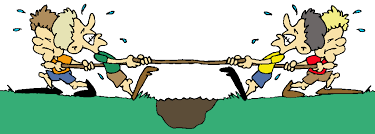
If these teams are pulling with the same amount of force what will happen?
a)
The boy in blue will win.
b)
They will not move at all.
c)
The boy in red will win.
d)
Both will fall down.
133.

Forces that have a net force of zero
a)
Balanced force
b)
Unbalanced force
134.

This is an example of what kind of force?
a)
Balanced Force
b)
Pushing Force
c)
Gravity Force
d)
Unbalanced Force
135.

Balanced or Unbalanced?
a)
Balanced
b)
Unbalanced
136.
What is the net force of an object that is not moving?
a)
0 N
b)
100 N
c)
Upward force
d)
10 N
137.
When forces are ___________ the object will move.
a)
unbalanced
b)
balanced
c)
light
d)
gravity
138.
When forces are _________ the object DOES NOT move.
a)
unbalanced
b)
balanced
c)
heavy
d)
light
139.

What is the net force?
a)
10 N
b)
0 N
c)
25 N
d)
1 N
140.
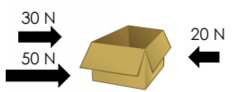
Calculate the Net Force.
a)
60N, Left
b)
40N, Right
c)
0N
d)
60N, Right
141.

Calculate the Net Force.
a)
40N, Left
b)
40N, Right
c)
0N, Balanced
d)
75N, Right
142.
a person pushing on a cement wall
a)
balanced force
b)
unbalanced force
143.
a see-saw with the same weight on both sides
a)
balanced force
b)
unbalanced force
144.
a car being towed
a)
balanced force
b)
unbalanced force
145.
a student slides a book across the table to a friend
a)
balanced force
b)
unbalanced force
146.

How will this object move?
a)
It won't move.
b)
It will move to the right.
c)
It will move to the left.
d)
It will move in both directions.
147.

What is the net force?
a)
30 N left
b)
25 N right
c)
5 N left
d)
55 N right
148.

Which force is so low that it causes the man to slip and fall?
a)
Gravity
b)
Friction
c)
Air Resistance
d)
Motion
149.
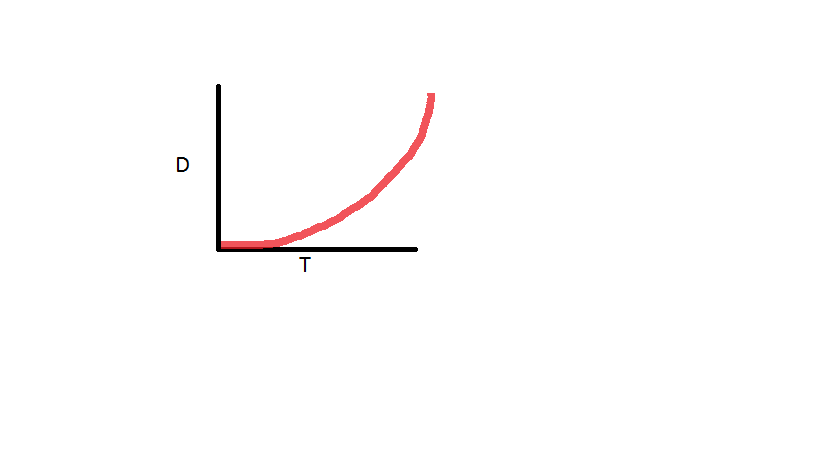
The graph below represents
a)
Speed
b)
Velocity
c)
Acceleration
d)
Deceleration
150.
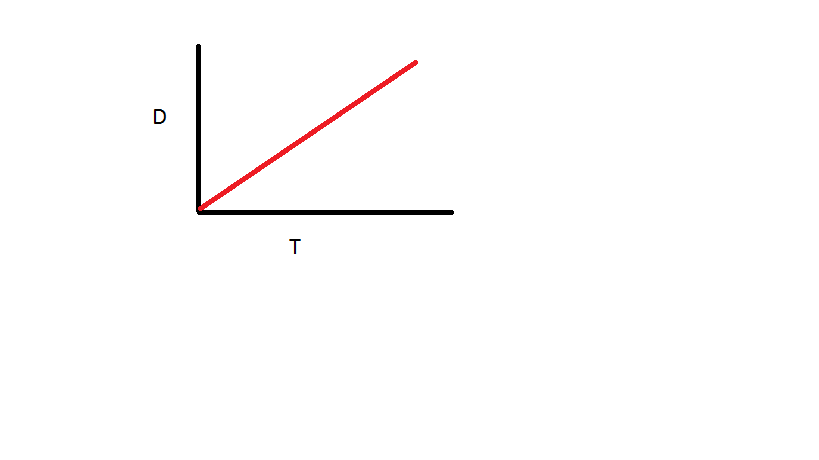
The graph represents
a)
Acceleration
b)
No motion
c)
Deceleration
d)
Constant Velocity
151.
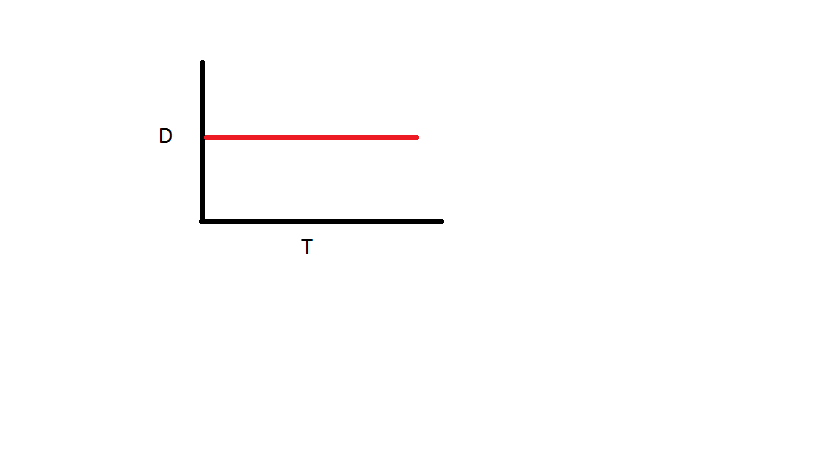
The graph represents
a)
No motion
b)
Constant velocity
c)
Acceleration
d)
Deceleration
152.

The graph respresents
a)
No motion
b)
Constant Velocity
c)
Acceleration
d)
Deceleration
153.
Which of the following is a unit for acceleration?
a)
km/s
b)
m/s2
c)
mi/hr
d)
ft
154.

The graph represents
a)
no motion
b)
constant velocity
c)
acceleration
d)
negative acceleration
155.

Calculate the average speed (in meter/sec) if a cheetah runs 180 meters in 10 seconds.
a)
198 m/sec
b)
170 m/sec
c)
12 m/sec
d)
18 m/sec
156.
Find the velocity of a plane that traveled 3000 miles west in 5 hours.
a)
65 mph west
b)
6 mph west
c)
600 mph west
d)
6000 mph west
157.
The correct equation to calculate speed is
a)
distance/time
b)
time/distance
c)
distance x time
d)
distance/time2
158.
If a cheetah runs 180 miles in 3 hours, what is its average speed?
a)
60 hours
b)
60 miles
c)
60 miles/hour
d)
60 miles/second/second
159.
It took 3.5 hours for a train to travel the distance between two cities at a velocity of 120 miles/hr. How many miles lie between the two cities?
a)
34 miles
b)
420 miles
c)
120 miles
d)
360 miles
160.
Warm air rises and cool air sinks due to...
a)
Radiation
b)
Convection
c)
Conduction
161.
How far will a person go if they jog for 2 hours at a speed of 12 km/hr?
a)
6 km
b)
0.5 km
c)
10 km
d)
24 km
162.
What is velocity?
a)
the quickness of an object
b)
the location of an object
c)
acceleration
d)
speed in a specific direction
163.

What is the person doing from 5 seconds to 10 seconds?
a)
Walking
b)
Running
c)
Standing Still
d)
Walking Fast
164.
A runner races in the 100 meter dash. It takes her 10 seconds to finish. What is her average speed?
a)
10 m/s
b)
1000 m/s
c)
100 seconds
d)
10 seconds
165.

Which runner won the race?
a)
A
b)
B
c)
C
Reset

