wayground logo

Free Printable Worksheets

Font size

S
M
L
XL
Worksheets

The Brain 2.0

Total questions: 51

Worksheet time: 48mins

Name
Class
Date
1.
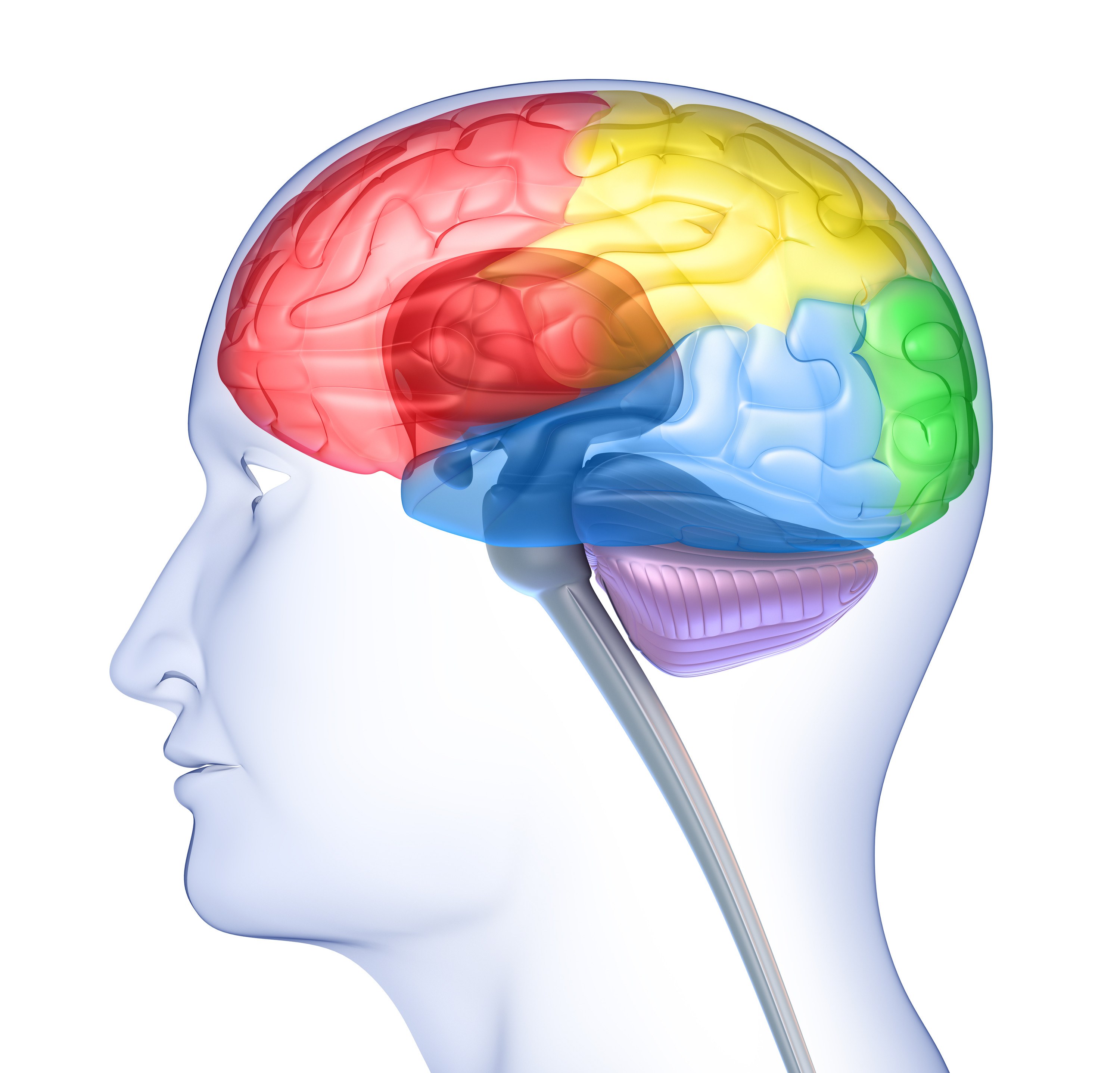
Makes decisions, plans, reasons, and carries out behaviors
a)
Frontal Lobe
b)
Parietal Lobe
c)
Occipital Lobe
d)
Temporal Lobe
2.
Possesses the Sensory Cortex
a)
Frontal Lobe
b)
Occipital Lobe
c)
Temporal Lobe
d)
Parietal Lobe
3.
Controls hearing, and language comprehension
a)
Frontal Lobe
b)
Temporal Lobe
c)
Occipital Lobe
d)
Parietal Lobe
4.
Processes visual information
a)
Frontal Lobe
b)
Temporal Lobe
c)
Occipital Lobe
d)
Parietal Lobe
5.
How many hemispheres is the brain divided into?
a)
1
b)
2
c)
3
d)
4
6.
Laura is a very analytical student who excels in statistics and trigonometry.  She is an excellent problem solver when given a specific strategy for dealing with situations.  She is currently displaying characteristics of which hemisphere?
a)
Left
b)
Right
7.
How many lobes does the cerebrum consist of?
a)
2
b)
3
c)
4
d)
6
8.
This bundle of nerves connects the right and left hemispheres of the brain.
a)
Thalamus
b)
Pons
c)
Reticular Activating System
d)
Corpus Callosum
9.
As the result of a stroke, a man has lost his ability to plan, make decisions, and set goals. Which lobe has been damaged?
a)
FRONTAL LOBE
b)
PARIETAL LOBE
c)
OCCIPITAL LOBE
d)
THE BROCA'S AREA
10.
This lobe controls responses to complex problems through reasoning, judgment, decision making and planning.
a)
Occipital Lobe
b)
Parietal Lobe
c)
Temporal Lobe
d)
Frontal Lobe
11.
This lobe receives and processes pain, pressure and touch from the body to create a map of the body's position in space and a map of body parts in relation to other body parts.
a)
Occipital Lobe
b)
Parietal Lobe
c)
Temporal Lobe
d)
Frontal Lobe
12.
This lobe evolved most recently and is the last to fully develop in young adulthood.
a)
Occipital Lobe
b)
Parietal Lobe
c)
Temporal Lobe
d)
Frontal Lobe
13.
If your temporal lobe was damaged, what might happen to you? You would have trouble _______.
a)
breathing
b)
processing speech
c)
remembering things
d)
controlling body temperature
14.
How are left brained people supposedly different from right brained people?
a)
L. are better at math; R. are more creative
b)
L. are left handed; R. are right handed
c)
L. are political liberals; R. are political conservatives
d)
L. are better at sports; R. are better at social interactions
15.
What is #2?
a)
Frontal Lobe
b)
Parietal Lobe
c)
Occipital Lobe
d)
Temporal Lobe
16.
What is #3?
a)
Frontal Lobe
b)
Parietal Lobe
c)
Occipital Lobe
d)
Temporal Lobe
17.
What is #4?
a)
Frontal Lobe
b)
Parietal Lobe
c)
Occipital Lobe
d)
Temporal Lobe
18.
CNS
a)
Central Neck System
b)
Central Nervous System
c)
Central Nerve System
d)
Cranial Nervous System
19.
The brain is part of the _____ nervous system.
a)
central
b)
peripheral
c)
autonomic
d)
subconcious
20.
The four regions of the cerebral cortex are referred to as:
a)
lesions
b)
lobes
c)
pons
d)
corpus callosum
21.
What is this?
a)
Cerebrum
b)
Cerebellum
c)
Brain Stem
d)
Diencephalon
22.
A tumor on the temporal lobe would most affect the career of 
a)
an architect
b)
a musician
c)
a professor
d)
a researcher
23.
What lobe is engaged when your are organizing your work in your planner?
a)
Frontal
b)
Temporal
c)
Parietal
d)
Occipital
24.
What lobe of the brain is engaged when you are watching your favorite movie?
a)
Frontal
b)
Temporal
c)
Parietal
d)
Occipital
25.
What lobe(s) of the brain is/are engaged when you are playing an instrument?
a)
Frontal and Temporal only
b)
Parietal and Occipital only
c)
All 4 lobes are engaged
d)
No lobes are engaged
26.
What part of the brain is engaged when you breathe in fresh air?
a)
Cerebrum
b)
Corpus Callosum
c)
Brain Stem
d)
Limbic system
27.
What part of the brain is engaged when you feel your hands are really cold because you aren't wearing gloves?
a)
Frontal
b)
Temporal
c)
Parietal
d)
Occipital
28.
What part of the brain is engaged when you are singing the words to your favorite song?
a)
Frontal
b)
Temporal
c)
Parietal
d)
Occipital
29.
What part of the brain is not fully formed until age 25?
a)
Frontal
b)
Temporal
c)
Parietal
d)
Occipital
30.

Why do we study the brain in health class?

a)

The brain is the most complex part in the human body.

b)

Remodeling its circuitry with each new experience – our brain makes us who we are, enabling us to perceive beauty, remember loved ones,

c)

Our brain makes us able to react against injustice, learn from history, and imagine a different future.

d)

The three choices listed and more.

31.

The basic structural and functional unit of brain is

a)

Spinal Cord

b)

Nephron

c)

Neuron

d)

Nerve

32.

The Medulla does all of these except?

a)

breathing

b)

swallowing

c)

thinking

d)

digestion

33.

Hemisphere that is associated with logical abilities

a)
Left Hemisphere
b)
Right Hemisphere
34.

Hemisphere of the brain that is most associated with artistic abilities

a)

Left

b)

Right

35.

The Occipital Lobe is responsible for what?

(check all that apply)

a)

Emotions

b)

Creative thinking

c)

Sensory functions

d)

Visual information

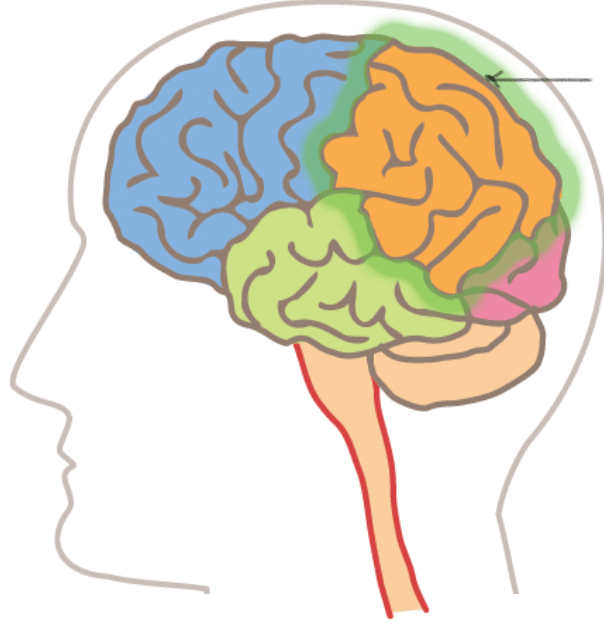
36.

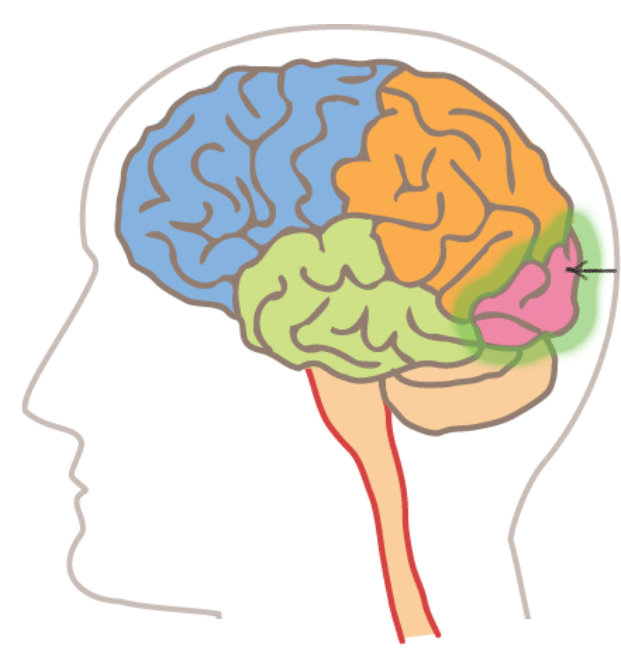
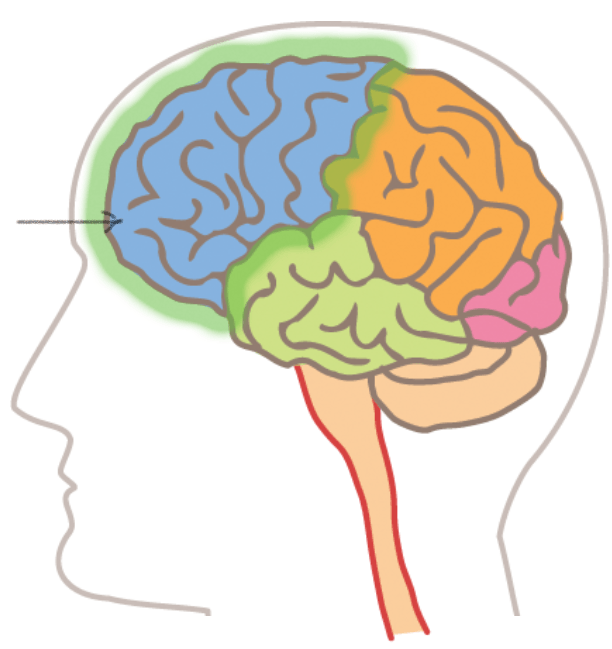
Identify the lobe of the brain highlighted.

a)

Frontal lobe

b)

Parietal lobe

c)

Occipital lobe

d)

Temporal lobe

37.

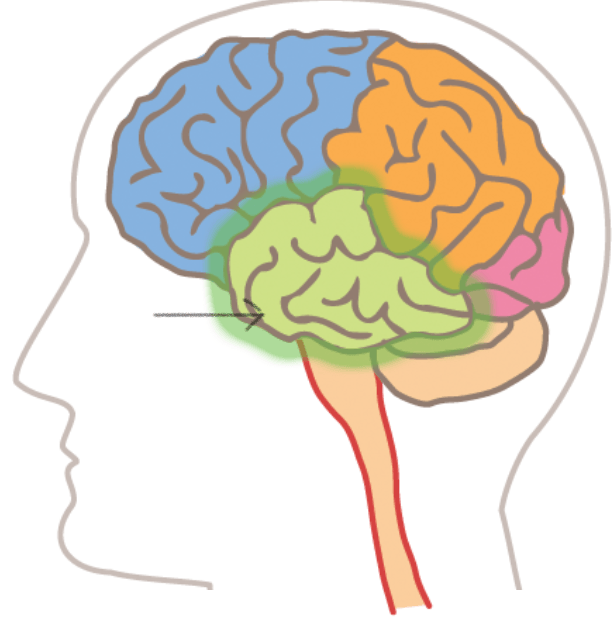
Identify the lobe of the brain highlighted.

a)

Frontal lobe

b)

Parietal lobe

c)

Occipital lobe

d)

Temporal lobe

38.

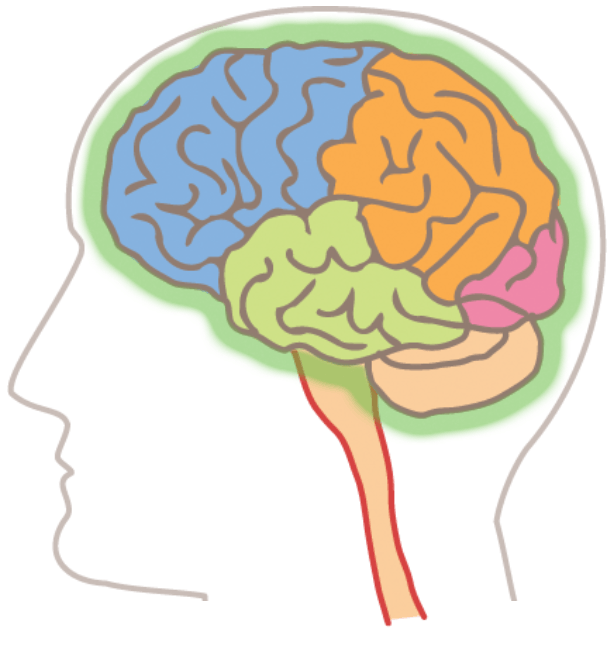
Identify the area of the brain highlighted.

a)

Frontal lobe

b)

Cerebrum

c)

Cerebellum

d)

Hypothalamus

39.

Identify the area of the brain highlighted.

a)

Frontal lobe

b)

Parietal lobe

c)

Cerebellum

d)

Cerebrum

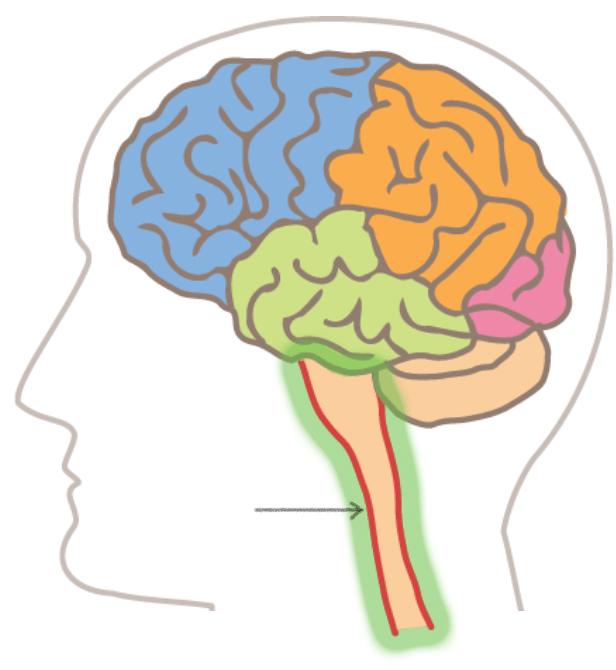
40.

Identify the area of the brain highlighted.

a)

Brain stem

b)

Cerebellum

c)

Spine

d)

Medulla oblongata

41.

Identify the area of the brain highlighted.

a)

Cerebellum

b)

Parietal lobe

c)

Brain stem

d)

Temporal lobe

42.

Responsible for integrating sensory information, including touch, temperature, pressure and pain.

a)

Frontal lobe

b)

Parietal lobe

c)

Occipital lobe

d)

Temporal lobe

43.

These send electrical impulses to neighbouring neurons.

a)

Synapses

b)

Axon

c)

Dendrites

d)

Nucleus

44.

I manage color perception

a)

temporal lobe

b)

cerebellum

c)

brain stem

d)

occipital lobe

45.

I connect the cerebellum to the spinal cord.

a)

temporal lobe

b)

cerebellum

c)

brain stem

d)

occipital lobe

46.

I regulate and coordinate one's balance.

a)

brain stem

b)

cerebellum

c)

frontal lobe

d)

parietal lobe

47.

I am responsible for problem solving and planning

a)

parietal lobe

b)

frontal lobe

c)

brain stem

d)

temporal lobe

48.

I am responsible for your sense of touch.

a)

cerebellum

b)

brain stem

c)

temporal lobe

d)

parietal lobe

49.

I am responsible for your sense of pain.

a)

parietal lobe

b)

temporal lobe

c)

occipital lobe

d)

frontal lobe

50.

I automate your heart rate.

a)

brain stem

b)

cerebellum

c)

frontal lobe

d)

parietal lobe

51.

I regulate body temperature.

a)

frontal lobe

b)

brain stem

c)

temporal lobe

d)

occipital lobe