
 Worksheets
Fall ACP Review Regular
Total questions: 41
Worksheet time: 35mins
Name
Class
Date
1.
When proteins are broken down, what smaller molecule do they turn into?
a)
Simple Sugar
b)
Amino Acids
c)
Fatty Acids
d)
Glycerol
2.
Where does photosynthesis occur?
a)
mitochondria
b)
stomata
c)
xylem
d)
chloroplast
3.

I store water in both plant and animal cells. What am I?
a)
cytoplasm
b)
ribosomes
c)
vacuole
d)
lysosomes
4.
What can only be found in plant cells?
a)
Cell membrane
b)
Vacuole
c)
Chloroplast
d)
Mitochondrion
5.

Which part of the cell is often called "the brain of the cell"?
a)
nuclear membrane
b)
endoplasmic reticulum
c)
nucleus
d)
mitochondria
6.

Which structure would be identified as the vacuole?
a)
1
b)
2
c)
3
d)
4
7.
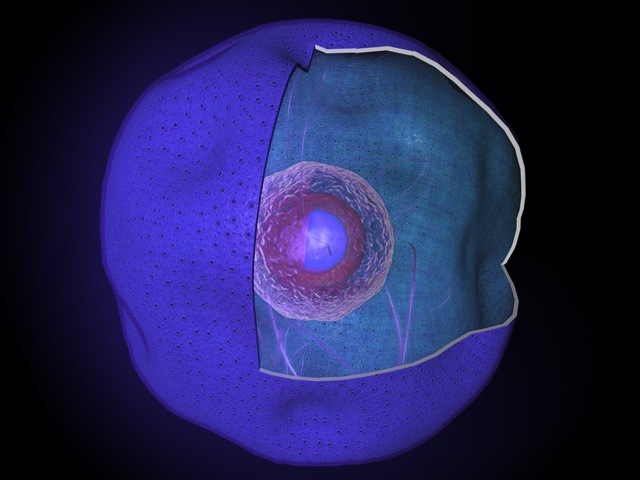
Which part of the cell is often called "the brain of the cell"?
a)
nuclear membrane
b)
endoplasmic reticulum
c)
nucleus
d)
mitochondria
8.
What is geotropism?
a)
Plants reaction to touch
b)
Plants reaction to light
c)
Plants reaction to gravity
d)
Plants reaction to water
9.
What is phototropism?
a)
Plants reaction to touch
b)
Plants reaction to light
c)
Plants reaction to gravity
d)
Plants reaction to water
10.
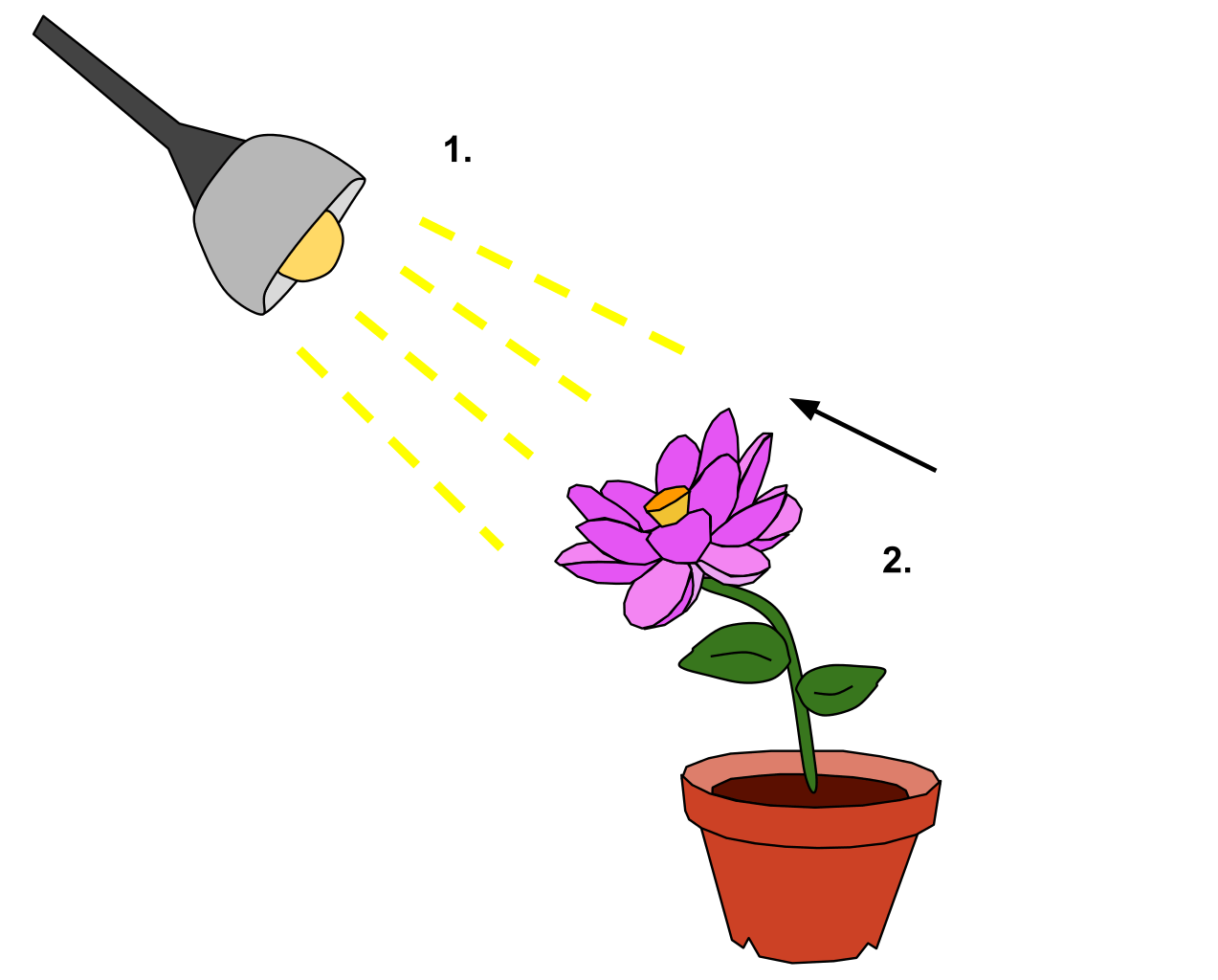
What does this picture represent?
a)
thigmotropism
b)
Phototropism
c)
Hydrotropism
d)
Geotropism
11.
How does turgor pressure relate to a plant wilting?
a)
A wilting plant = high turgor pressure
b)
A wilting plant = high photosynthesis
c)
A wilting plant = low turgor pressure
d)
They are not related
12.

Which of these does NOT apply to the cell theory?
a)
All living things are composed of one or more cells
b)
Cells are the basic unit of structure and function
c)
Cells are produced only from existing cells
d)
All cells have the same organelles and functions
13.

This organelle is a stiff outer barrier of a plant cell; protects the cell and gives it structure
a)
Cell Wall
b)
Cell Membrane
c)
Vacuole
d)
Cytoskeleton
14.

This organelle is the gel-like fluid that fills the cell allowing movement within the cell, and contains the other organelles
a)
Cytoplasm
b)
Chloroplast
c)
Cell Membrane
d)
Nucleus
15.

This organelle is called the "gatekeeper"; it surrounds and protects the inside of the cell, and allows specific substances into and out of the cell
a)
Cell Wall
b)
Cell Membrane
c)
Chloroplast
d)
Mitochondria
16.

The nucleus contains
a)
a brain
b)
DNA
c)
mitochondria
d)
chloroplasts
17.
Is the compound C12H22O11 organic?
a)
yes
b)
no
18.

Is this an example of an organic or inorganic compound?
a)
Organic
b)
Inorganic
19.
Organic compounds are always based on what element?
a)
hydrogen
b)
water
c)
carbon
d)
arsenic
20.

Is this an example of an organic or inorganic compound?
a)
Organic
b)
Inorganic
21.

Organic or Inorganic?
a)
Organic
b)
Inorganic
22.

The four organic compounds found in living things are?
a)
Carbohydrates, Lipids, Nucleic Acids, and Oxygen
b)
Carbohydrates, Lipids, Proteins, and Carbon
c)
Carbohydrates, Lipids, Proteins, Nucleic Acids
d)
Carbon, Lipids, Proteins, Nucleic Acids
23.
Acids and enzymes are used in
a)
physical digestion
b)
chemical digestion
24.
Chewing and tearing apart food into smaller pieces is...
a)
physical/mechanical
b)
chemical
25.
When tissues come together, they form ___________.
a)
cells
b)
atoms
c)
organs
d)
systems
26.
Which of the following shows the levels of organization of an organism from LEAST to MOST complex.
a)
cells-tissues-systems-organs
b)
organs-cells-systems-tissues
c)
systems-organs-tissues-cells
d)
cells-tissues-organs-systems
27.

What body system removes the waste from your body?
a)
Circulatory
b)
Excretory
c)
Digestive
d)
Respiratory
28.
Dominant or recessive?
Dd
Dd
a)
Dominant
b)
recessive
c)
neither
d)
homozygous
29.
Which characteristic would a child not inherit from one or both of its parents?
a)
freckles
b)
hair style
c)
eye color
d)
dimples
30.
Which trait does a puppy inherit from its parents?
a)
fur color and pattern
b)
obedience to commands
c)
food brand preferences
d)
affection for a specific home
31.
Which feature of a bird is controlled only by inherited genes?
a)
diet
b)
habitat
c)
beak shape
d)
life span
32.
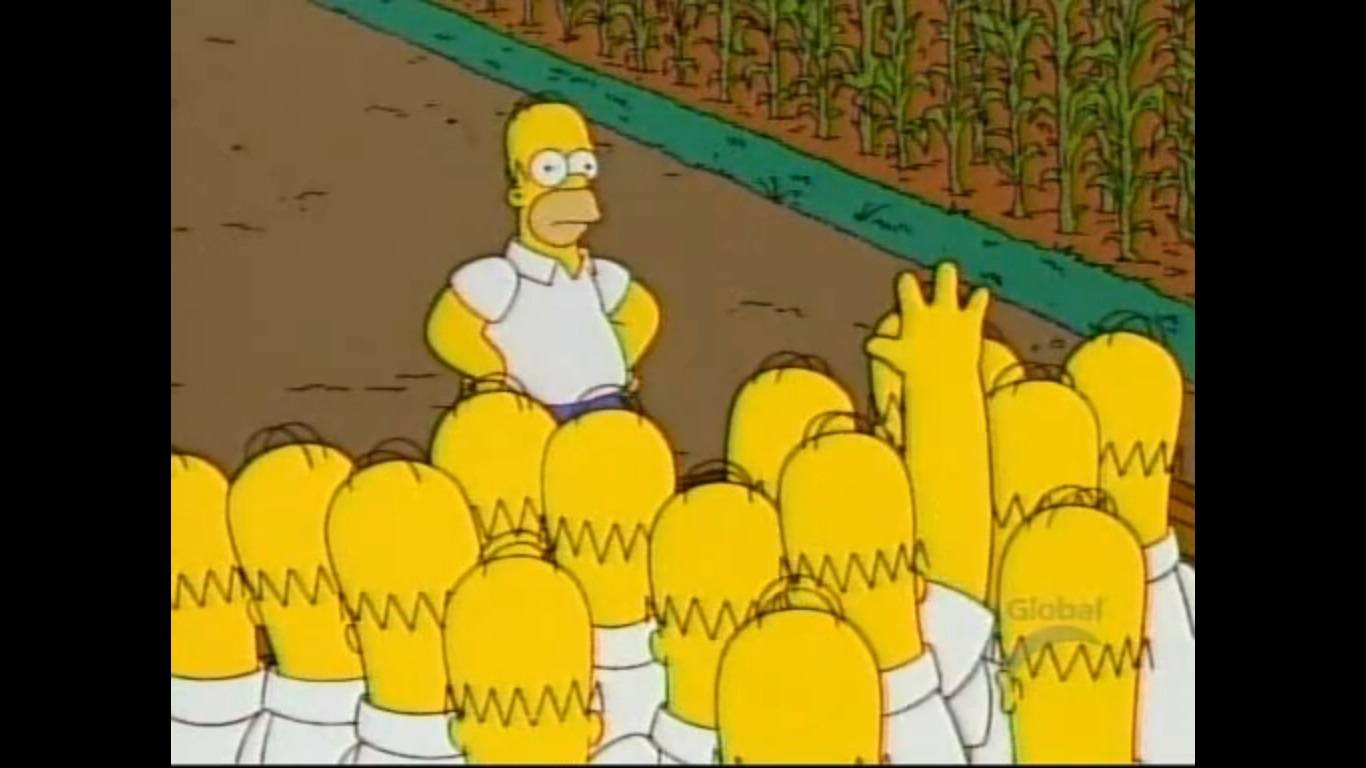
All of the offspring of an organism have the same genetic material, which is identical to the parent organism. From this, we can conclude that this organism -
a)
makes its own food
b)
is unicellular
c)
live in a marine habitat
d)
reproduces asexually
33.
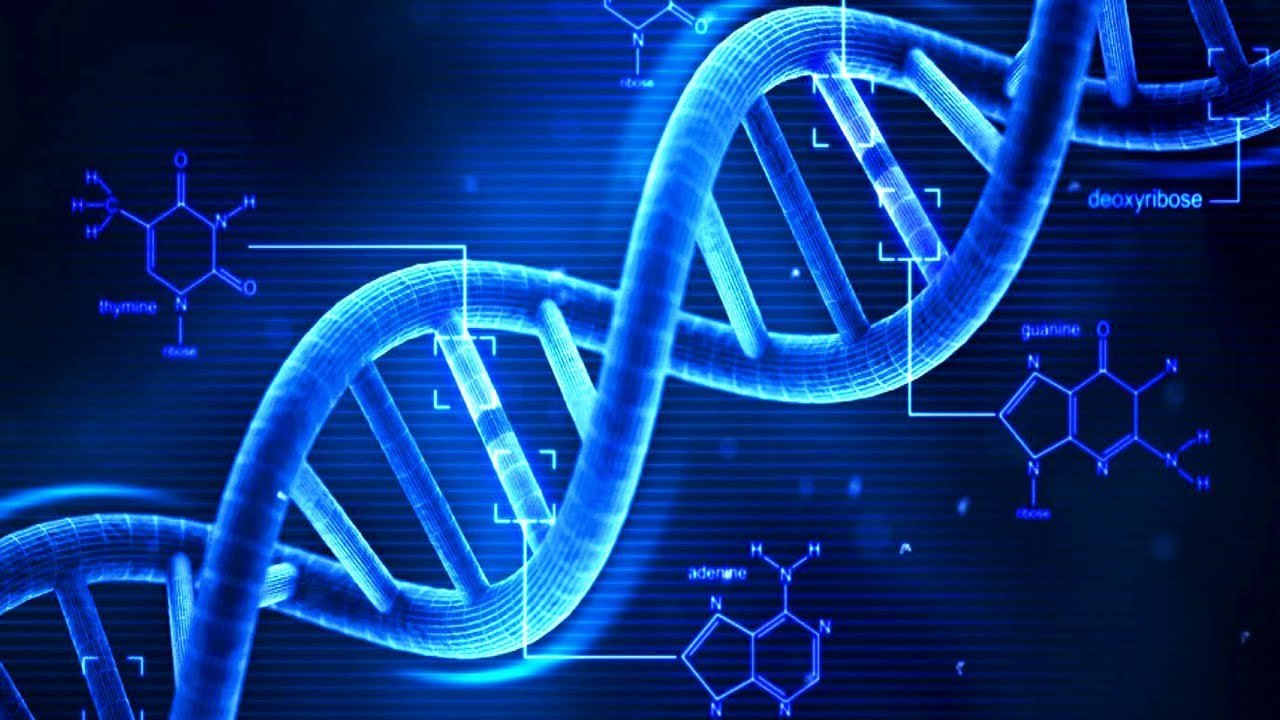
When comparing the offspring of sexually and asexually reproducing organisms, we would expect the genetic material (DNA) of the sexually reproducing organism to -
a)
contain fewer mutations
b)
be lesser in quantity
c)
be simpler overall
d)
show more variation
34.
Where does an off spring get its traits in asexual reproduction?
a)
From both parents
b)
From only one parent
c)
From neither parent
d)
There are no traits handed down
35.
What is an advantage of sexual reproduction?
a)
Allows genetic variation
b)
Only needs one parent
c)
Happens very quickly
d)
Offspring are exact copies of parent
36.
Why does diverse offspring look similar to its parents and uniform looks identical to its parent?
a)
Diverse offspring inherits DNA from one parent, making it look similar to its parents and uniform offspring inherits different parts of DNA, making it look identical to its parents
b)
Diverse offspring inherits different parts of DNA, making it look similar to its parents and uniform offspring gets DNA from one parents making it look identical
c)
Diverse offspring inherits a little amount of DNA, making it look similar to its parents and uniform offspring inherits a lot of DNA, making it look identical to its parent
d)
Diverse offspring inherits a lot of DNA, making it look similar to its parents and uniform offspring inherits a little amount of DNA, making it look identical to its parent
37.
When carbohydrates are broken down, what smaller milecules do they turn into?
a)
Amino Acids
b)
Fatty Acids
c)
Simple Sugar
d)
Glycerol
38.
What type of digestion takes place in the mouth?
a)
Chemical DIgestion
b)
Mechanical and Chemical Mechanical and Chemical Digestion
c)
Churning and Absorption
d)
Mechanical Digestion
39.
In which 3 organs does chemical digestion take place?
a)
Mouth, Small Intestine Stomach
b)
Mouth, Nose, Esophogus
c)
Large Intestine, Small Intestine, Mouth
d)
Stomach, Mouth, Large Intestine
40.
Which of the following is not mechanical digestion?
a)
Stomach acids breaking down food
b)
Chewing food in the mouth
c)
Churning food in the stomach
d)
Absorption of water in the Large Intestine
41.

What percentage of offspring will be Red?
Red is dominant and white is recessive
Red is dominant and white is recessive
a)
25%
b)
50%
c)
75%
d)
100%
100 %

