
 Worksheets
Mitosis and Meiosis
Total questions: 30
Worksheet time: 20mins
Name
Class
Date
1.

What does the 3rd phase in the image represent?
a)
Anaphase
b)
Metaphase
c)
Telophase
d)
Interphase
2.
The end result of Meiosis....
a)
2 identical cells
b)
4 identical cells
c)
2 with 1/2 amount of chromosome
d)
4 with 1/2 amount of chromosome
3.

How many chromosomes are in sex cells?
a)
2
b)
4
c)
23
d)
46
4.
What is also known as the waiting stage?
a)
Prophase
b)
Telophase
c)
Metaphase
d)
Interphase
5.
What is the purpose of Mitosis?
a)
Replace sex cells
b)
Clean all cells
c)
Repair damaged body cells
d)
Create egg and sperm
6.

What phase does the image represent?
a)
Interphase
b)
Prophase 2
c)
Cytokinesis
d)
Anaphase 2
7.
Cytokinesis is the final stage of Mitosis.
a)
True
b)
False
8.
The 2 daughter cells at the end of Mitosis have how many chromosomes compared to the original?
a)
Half
b)
Same
c)
One-Third
d)
None
9.
What is the purpose of Meiosis?
a)
To replace damaged or dead body cells
b)
To recreate all the phases in Mitosis
c)
To clean out the cell to make room for the nucleus
d)
To divide chromosomes to create sex cells
10.

Egg and Sperm are what type of cells?
a)
Sex Cells
b)
Body Cells
c)
Plant Cells
d)
Cell Organelles
11.
What is a disadvantage of Asexual reproduction?
a)
No diversity
b)
Can easily adapt
c)
Quick population growth
12.
Metaphase 2 happens in how many cells?
a)
1
b)
2
c)
3
d)
4
13.
What is the process of splitting cells?
a)
Cleavage
b)
Budding
c)
Crossover
d)
Cytokinesis
14.
What is the correct order of the phases of Mitosis.
a)
prophase, metaphase, anaphase, telophase, cytokinesis
b)
prophase, metaphase, anaphase, telophase
c)
interphase, metaphase, anaphase, telophase, cytokinesis
d)
interphase, metaphase, anaphase, cytokinesis
15.

What does this image represent?
a)
Meiosis
b)
Mitosis
16.
When only one parent is needed to reproduce
a)
Sexual Reproduction
b)
Asexual Reproduction
c)
Intersexual Reproduction
d)
Aggravated Reproduction
17.
What attaches to chromosomes and pushes and pulls them around the cell?
a)
Cell Membrane
b)
Centrioles
c)
Centromeres
d)
Spindle Fibers
18.
What forms in a plant cell to end Mitosis?
a)
Square Shape
b)
Cell Plate
c)
Sex Cells
d)
Cell Wall
19.

Which part of the cell cycle does chromosomes replicate?
a)
Prophase
b)
Anaphase
c)
Cytokinesis
d)
Interphase
20.

When the chromosomes are pulled apart to opposite ends of the poles?
a)
Prophase
b)
Anaphase
c)
Telophase
d)
Metaphase
21.
Which sequence of DNA bases would pair with this partial strand
ATG TGA CAG
ATG TGA CAG
a)
ATG TGA CAG
b)
TAC ACT GTC
c)
GTA AGT GAC
d)
CAT TCA CTG
22.
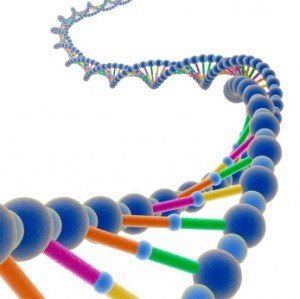
Which of the following best describes a DNA molecule?
a)
double helix
b)
contains ribose
c)
made of amino acids
d)
contains Uracil
23.

In a molecule of double-stranded DNA, the amount of Adenine present is always equal to the amount of
a)
cytosine
b)
guanine
c)
thymine
d)
uracil
24.
Guanine bonds with ______________.
a)
Adenine
b)
Guanine
c)
Cytosine
d)
Thymine
25.
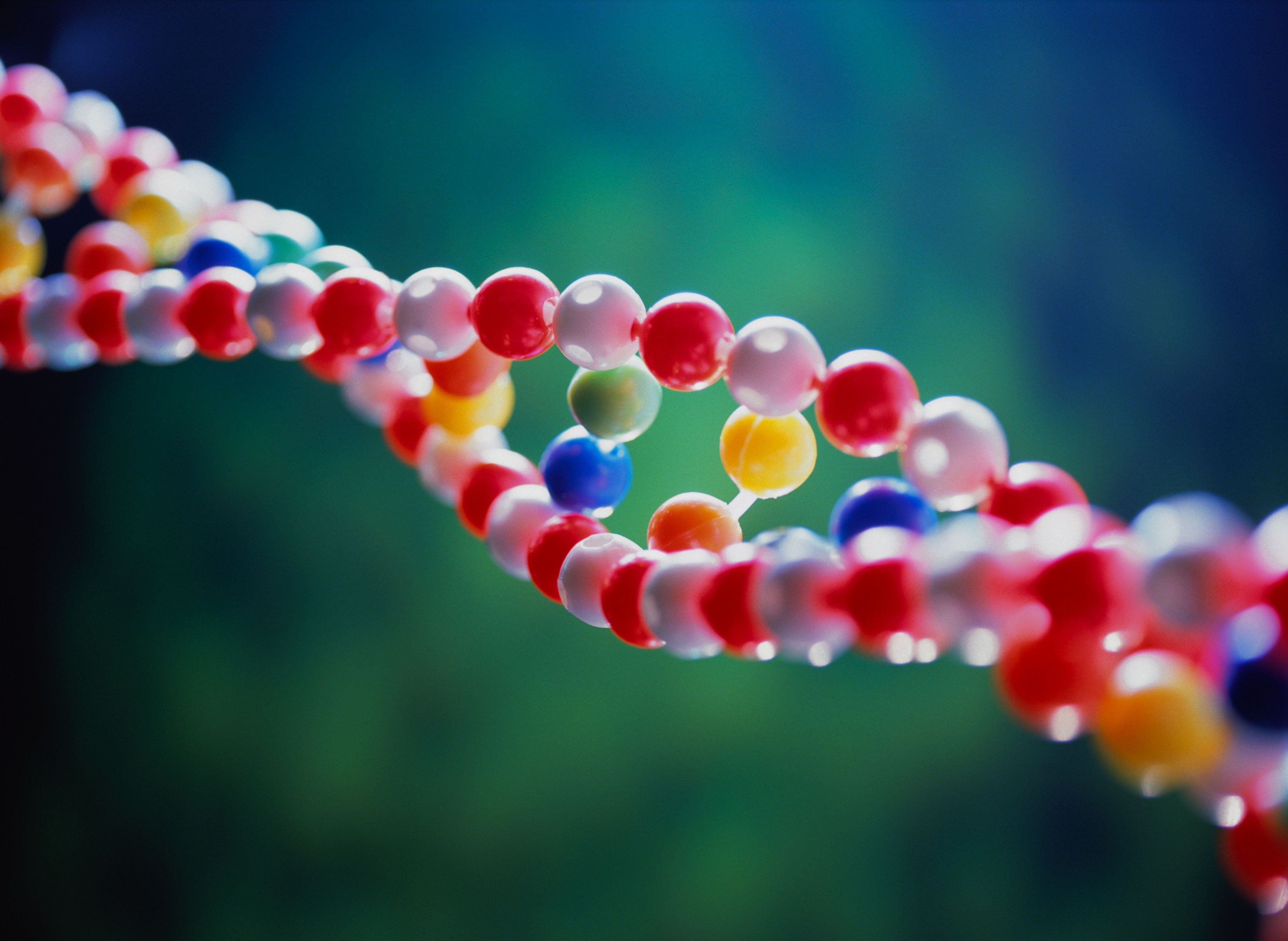
Why is DNA important?
a)
it is very small and very complicated
b)
it's in everything
c)
it serves as the blueprint for traits of all living things
d)
because we eat it every day for energy
26.
Which 2 molecules form the sides (backbone) of the DNA ladder?
a)
deoxyribose sugar and adenine
b)
deoxyribose sugar and a hydrogen bond
c)
deoxyribose sugar and the nucleus
d)
deoxyribose sugar and phosphate
27.
Which organelle is DNA usually found in?
a)
cell membrane
b)
vacuole
c)
chloroplast
d)
nucleus
28.

Replicate the following strand of DNA:
AATCATGGA
AATCATGGA
a)
AATCATGGA
b)
TTAGTACCT
c)
UUAGUACCU
d)
GGATAUCUA
29.
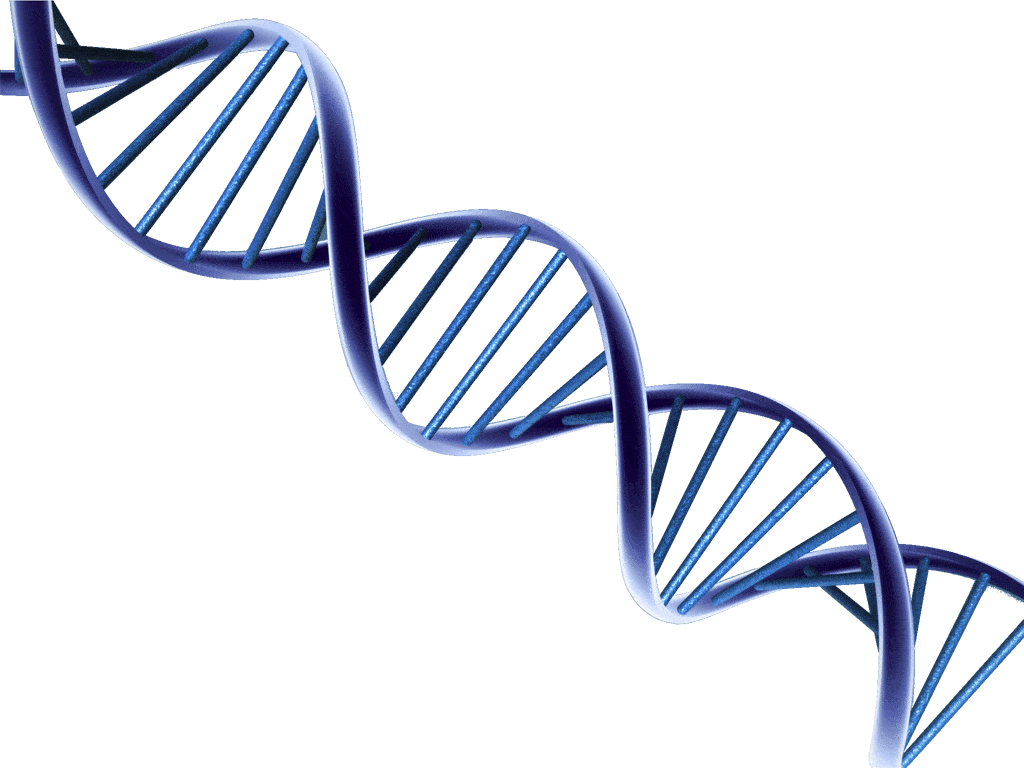
The drawing shows the structure of what molecule?
a)
A DNA molecule
b)
A lipid molecule
c)
A carbohydrate molecule
d)
A protein molecule
30.

Identify the phase.
a)
Metaphase I
b)
Metaphase II
c)
Prophase I
d)
Anaphase II
100 %

