
 Worksheets
Characteristics of Life
Total questions: 39
Worksheet time: 51mins
Name
Class
Date
1.

The basic unit of life is called a (n)
a)
atom
b)
compound
c)
cell
d)
energy
2.
Maintaining a stable internal environment.
a)
Homeostasis
b)
Metabolism
c)
Stimulus
d)
DNA
3.

The process whereby an organism produces more of its own kind
a)
development
b)
adaptation
c)
homeostasis
d)
reproduction
4.

Cells from 2 parents unite to form a new organism.
a)
asexual reproduction
b)
sexual reproduction
c)
biosphere
d)
stimulus
5.

Which of the following is NOT a characteristic of all living things?
a)
growth and development
b)
ability to move
c)
response to the environment
d)
ability to reproduce
6.

Characteristic of living things that explains why humans sweat when they get hot?
a)
maintaining a stable internal enviornment
b)
growth and development
c)
using energy
d)
ability to reproduce
7.

Before a soccer game Charlie always eats a big dinner. Which characteristic of life does this face best describe?
a)
living things use energy
b)
living things reproduce
c)
living things grow and develop
d)
living things are based on a universal genetic code
8.

Which of the following characteristics of living things best explains why birds fly south for the winter?
a)
Living things respond to their environment.
b)
Living things maintain internal balance.
c)
Living things are made up of cells.
d)
Living things are based on a universal genetic code.
9.
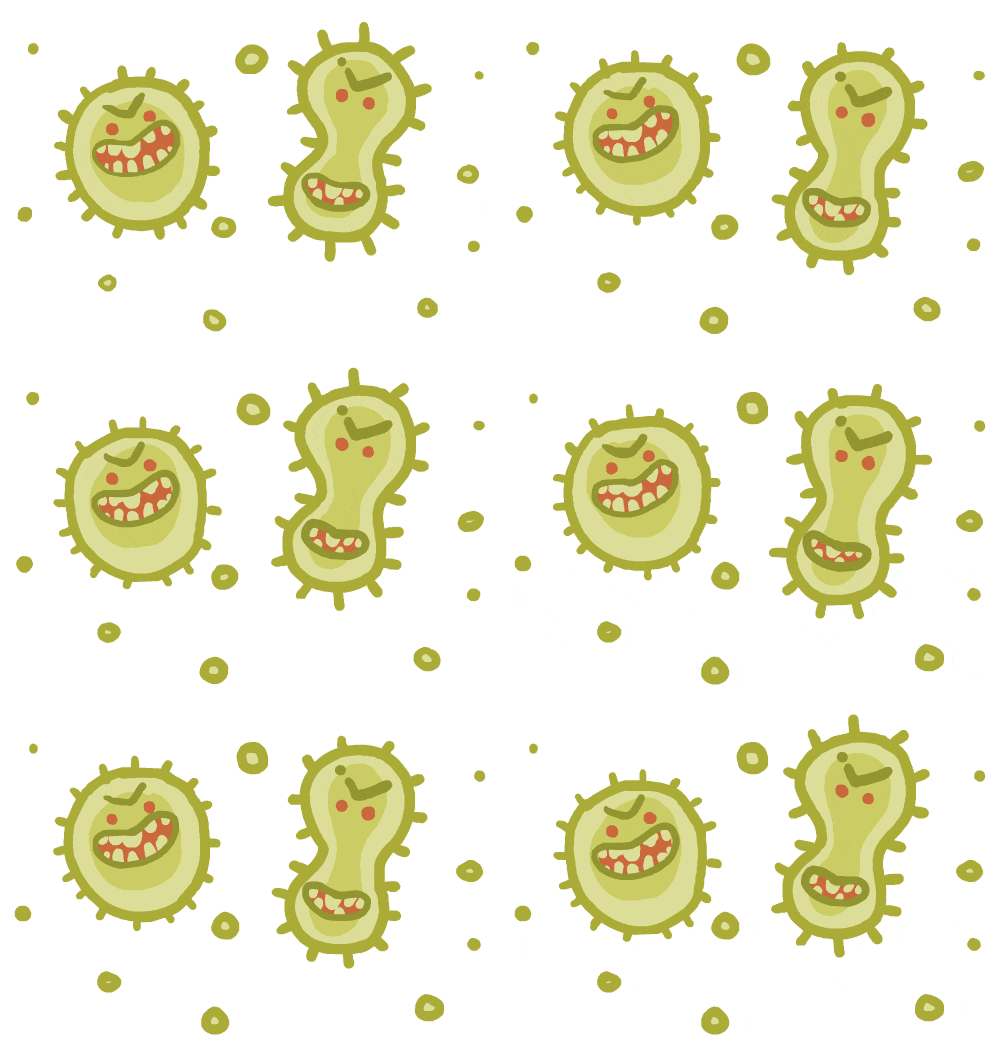
A single organism that produces offspring identical to itself.
a)
DNA
b)
asexual reproduction
c)
sexual reproduction
d)
metabolism
10.
An organism made of one cell is called
a)
unicellular
b)
multicellular
11.
Which one of the following is a characteristic of life?
a)
Growth
b)
Breathing
c)
Expelling toxins
d)
Photosynthesis
12.
A change in an organisms size or shape.
a)
growth
b)
development
c)
adaptation
d)
metabolism
13.
The maturation of an organism.
a)
Growth
b)
Development
c)
Adaptation
d)
Evolution
14.
Molecule that contains hereditary information.
a)
biology
b)
homeostasis
c)
stimulus
d)
DNA
15.
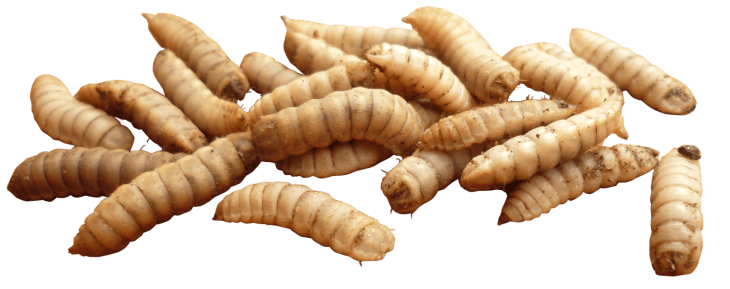
A maggot changing into a fly is an example of
a)
reproduction.
b)
growth and development.
c)
homeostasis.
d)
evolution.
16.
All living things are composed of cells.
a)
True
b)
False
17.
Undergoes photosynthesis
a)
Heterotroph
b)
Autotroph
18.
The four main NEEDS of all living things.
a)
food, nutrients, living space, homeostasis
b)
food, water, air, homeostasis
c)
food, living space, water, homeostasis
d)
food, nutrients, oxygen, homeostasis
19.
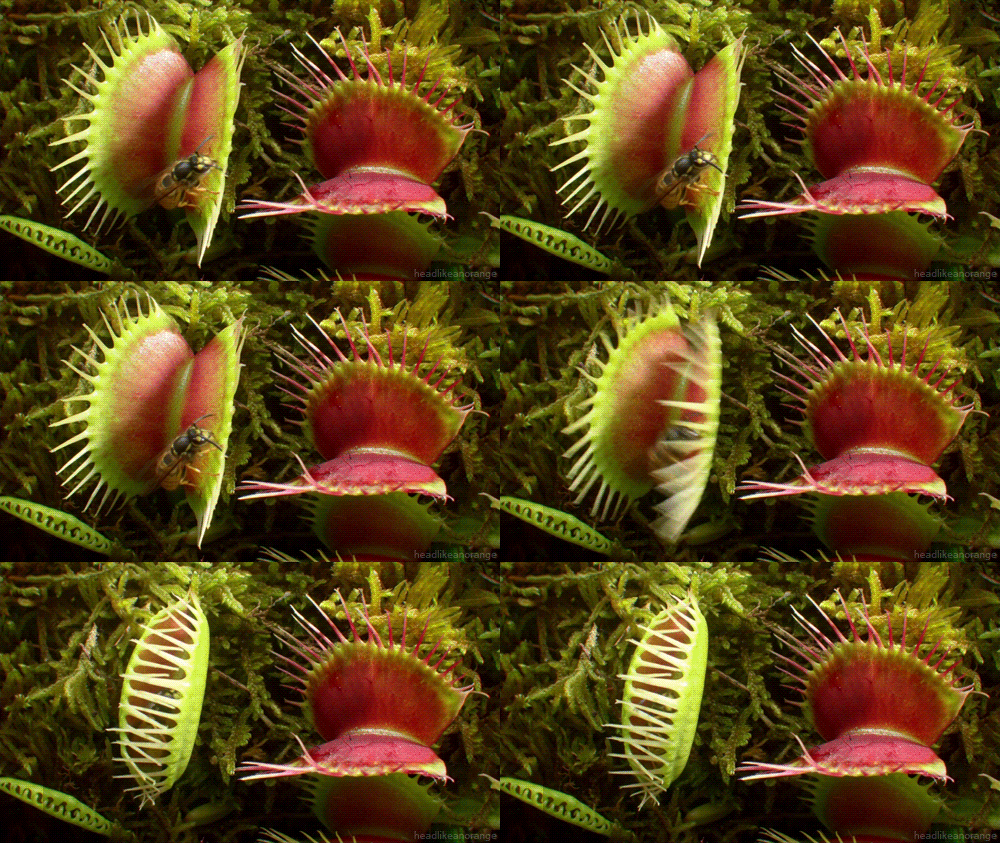
An organism that must obtain its nutrients from another source.
a)
autotroph
b)
heterotroph
c)
homeotroph
d)
xenotroph
20.
An organism that can make its own food.
a)
heterotroph
b)
predator
c)
autotroph
d)
homeostasis
21.
This cell organelle takes food and turns it into ENERGY for plant and animal cells.
a)
Chloroplast
b)
Mitochondria
c)
Lysosome
d)
Ribosome
22.
The site of photosynthesis
a)
ribosome
b)
mitochondria
c)
chloroplast
d)
nucleus
23.
Which organelle is only found in a plant cell?
a)
nucleus
b)
chloroplast
c)
mitochondria
d)
cell membrane
24.

Directs all cell activities through the DNA located there.
a)
Lysosomes
b)
Nucleus
c)
ribosomes
d)
Mitochondria
25.
What is found in both plant and animal cells but is much larger in plant cells?
a)
Nucleus
b)
Mitochondria
c)
Chloroplast
d)
Vacuole
26.
Where are proteins made?
a)
Golgi body
b)
Mitochondria
c)
Chromosomes
d)
Ribosomes
27.

I am the outer most layer of an animal cell. What am I?
a)
cell wall
b)
nucleus
c)
cell membrane
d)
cell skin
28.
What is the gel-like substance inside of cells called?
a)
photoplasm
b)
photosynthesis
c)
cytoskeleton
d)
cytoplasm
29.

Prokaryotes (bacteria) reproduce asexually via -
a)
spore formation
b)
bud creation
c)
vegetative propagation
d)
binary fission
30.
Which of the following is NOT an advantage of asexual reproduction?
a)
More efficient.
b)
All organisms can reproduce
c)
No wasted effort finding a mate.
d)
Population has variety to survive in a changing environment.
31.

Which type of asexual reproduction is shown?
a)
budding
b)
sporulation
c)
vegetative propagation
d)
binary fission
32.

When a starfish grows a new body off a broken arm, which type of asexual reproduction is this?
a)
budding
b)
fertilization
c)
regeneration
d)
binary fission
33.
Budding, regeneration, and binary fission are all types of _______________ reproduction.
a)
sexual
b)
asexual
c)
both sexual and asexual
34.
Made of many different types of cells
a)
multicellular
b)
unicellular
35.
Cells lack a nucleus
a)
eukaryote
b)
prokaryote
36.
Cells contain a nucleus
a)
eukaryote
b)
prokaryote
37.

Joining of egg and sperm during fertilization is an example of
a)
asexual reproduction
b)
sexual reproduction
c)
budding
d)
binary fission
38.
A living thing
a)
organism
b)
organelle
c)
ovary
d)
0smosis
39.
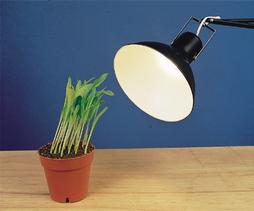
A plant growing towards the light. The light is an example of
a)
a response
b)
a stimuli
c)
metabolism
d)
homeostasis
100 %

