
NEW
Font size
S
M
L
XL
 Worksheets
Classification of Organisms
Total questions: 40
Worksheet time: 40mins
Name
Class
Date
1.
All living things share some characteristics. For example, all organisms -
a)
are made up of one or more cells.
b)
make their own food from sunlight.
c)
have a skeleton to provide support.
d)
emerge, at birth, from some type of egg.
2.

What type of cells are humans made up of?
a)
Prokaryotic
b)
Eukaryotic
c)
Plant
3.
Made of a single cell.
a)
Unicellular
b)
Multicellular
c)
Unicycle
d)
Eukaryote
4.
the broadest category; the category that contains kingdoms
a)
domain
b)
kingdom
c)
systematics
d)
taxonomy
5.
reproduction
a)
production of offspring
b)
production of food
6.
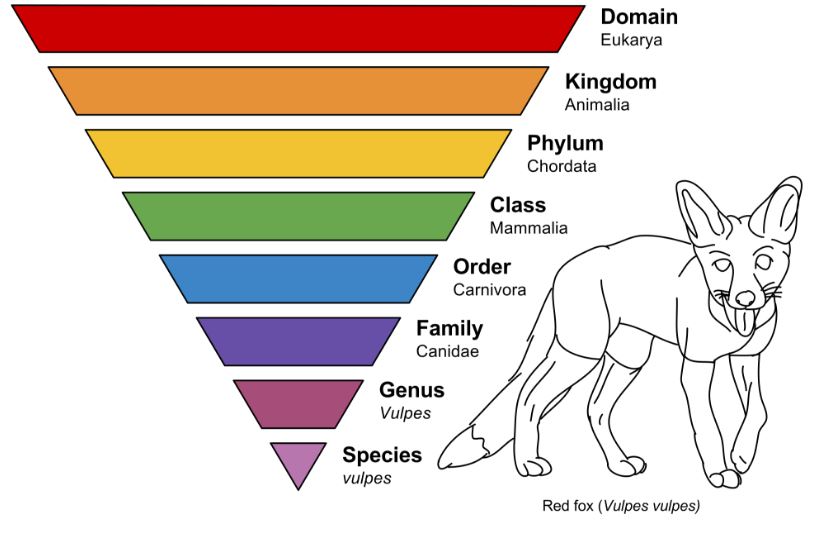
The 8 levels of classification, most broad to most specific.
a)
Domain, Genus, Family, Order, Class, Phylum, Kingdom, Species
b)
Domain, Species, Kingdom, Genus, Phylum, Family, Class, Order
c)
Domain, Kingdom, Phylum, Class, Order, Family, Genus, Species
d)
Order, Kingdom, Species, Domain, Phylum, Family, Class, Genus
7.
Which tool do taxonomists use to classify organisms?
a)
Periodical Table
b)
Bohrs' Model
c)
Dichotomous Key
d)
Aristotles' Method
8.
What are the three domains?
a)
Archaea, Bacteria, and Eubacteria
b)
Archaea, Protists, and Eubacteria
c)
Archaea, Bacteria, and Eukarya
d)
Archaea, Fungi, Animalia
9.
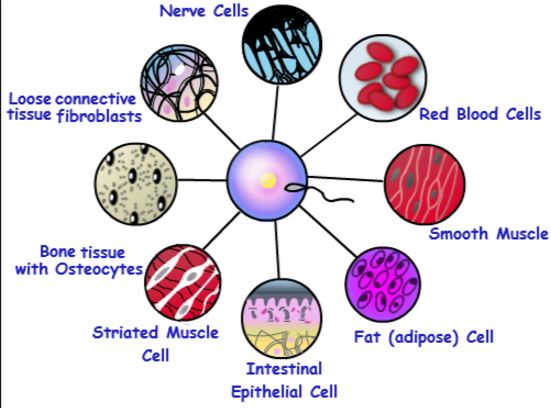
An organism that is composed of more than one cell is also known as a _____ organism.
a)
Prokaryotic
b)
Unicellular
c)
Multicellular
d)
Autotrophic
10.
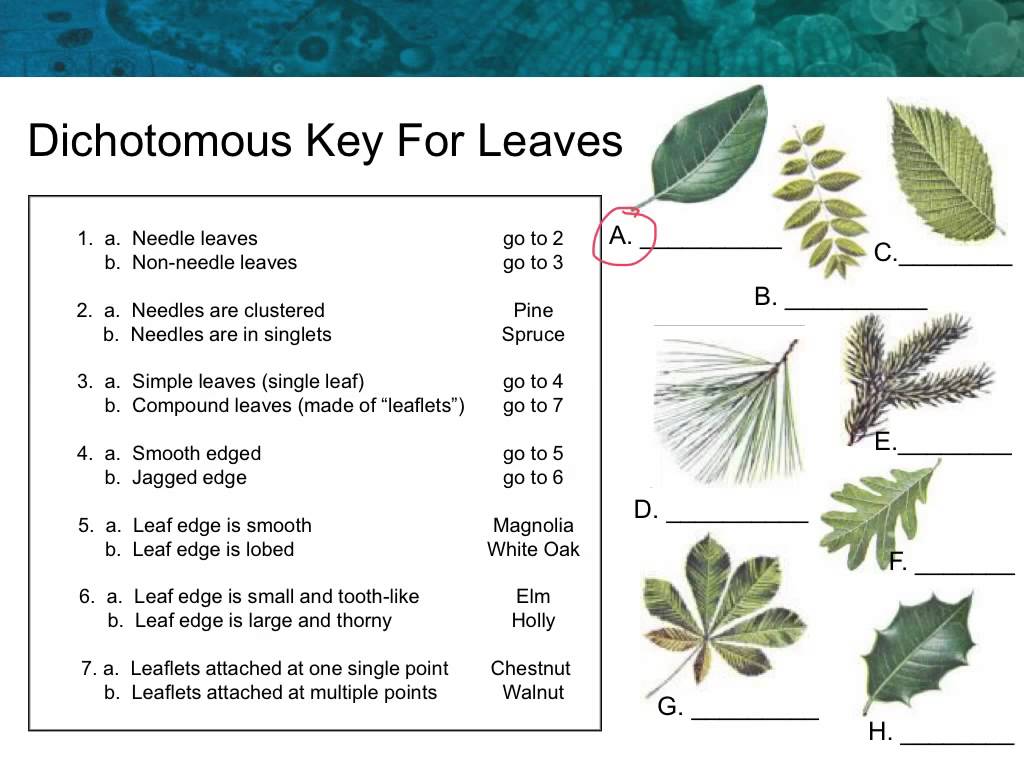
What is a dichotomous key used for in science?
a)
To organize biomes
b)
Identify organisms
c)
Identify bacteria only
d)
None of these
11.
What is the study of classification called?
a)
Taxonomy
b)
Geology
c)
Anatomy
d)
Geometry
12.
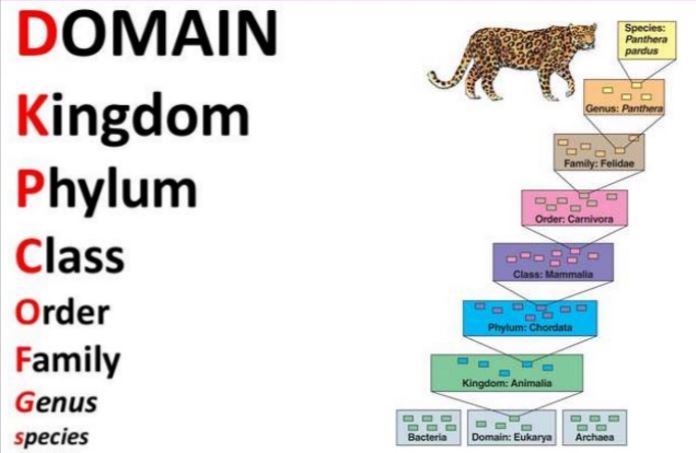
What is the STUDY OF CLASSIFYING organisms?
a)
Genetics
b)
Biology
c)
Ecology
d)
Taxonomy
13.
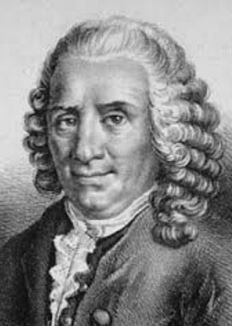
Who developed the 6 kingdom system of classifying organisms?
a)
Gregor Mendel
b)
Carolus Linnaeus
c)
Ms. Hugger
d)
Charles Darwin
14.
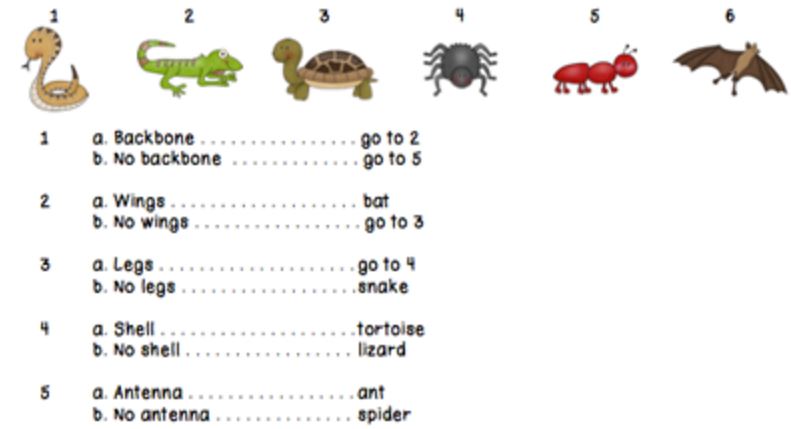
A _______________ can be used to identify an unknown organism.
a)
Binomial Nomenclature
b)
Cladogram
c)
Dichotomous Key
d)
Domain
15.
The scientific name for an organism is made from the:
a)
class and family name
b)
genus and species name
c)
domain and kingdom name
d)
kingdom and phylum name
16.
Term given to describe the 2 name naming system is:
a)
dichotmous key
b)
binomial nomenclature
c)
2 scientific names
d)
binomial key
17.
Cells that do not have a true nucleus are called....
a)
eukaryote
b)
prokaryote
c)
unicellular
d)
multicellular
18.
Cells that have a true nucleus are called....
a)
eukaryotes
b)
prokaryotes
c)
unicellular
d)
multicellular
19.
An organisms scientific name is made of (in order) ...
a)
species, class
b)
genus, kingdom
c)
genus, species
d)
species
20.
The eight levels of classification, from general to specific, are
a)
domain, kingdom, class, order, phylum, family, genus, species
b)
somain, kingdom, phylum, class, family, order, genus, species
c)
domain, kingdom, phylum, class, order, family, genus, species
d)
domain, kingdom, class, phylum, order, family, genus, species
21.
Organisms are the same ___________ when they can have offspring, then those have more offspring.
a)
Class
b)
Family
c)
Species
d)
Phylum
22.
Fill-in-the-blank:
Domain--Kingdom--Phylum--____________
Domain--Kingdom--Phylum--____________
a)
Order
b)
Family
c)
Class
d)
Species
23.

Which 2 organisms would be able to reproduce and produce fertile offspring?
a)
2 organisms in the same class
b)
2 organisms in the same family
c)
2 organisms in the same genus
d)
2 organisms in the same species
24.
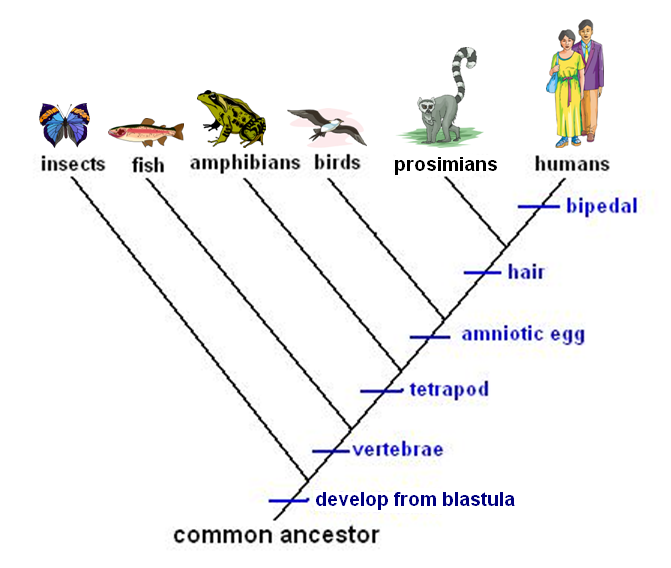
Which organisms pictured on the cladogram have hair?
a)
prosimians only
b)
prosimians and humans
c)
humans only
d)
prosimians and birds
25.
The science of describing, classifying, and naming living things is called:
a)
Geology
b)
Biology
c)
Taxonomy
d)
Chemistry
26.

Which organism in the table shown is most closely related to the common dolphin?
a)
human
b)
killer whale
c)
giant kelp
d)
bat star
27.
What is the correct way of writing our scientific name?
a)
homosapiens
b)
homo sapiens
c)
Homo Sapiens
d)
Homo sapiens
28.
The smallest functional and structural unit of all living organisms is:
a)
atom
b)
cell
c)
nucleus
d)
brain
29.
Any living things is called:
a)
organism
b)
animal
c)
cell
d)
plant
30.
An example of an unicellular organism would be:
a)
monkey
b)
bacteria
c)
spider
d)
human
31.
An organism that CAN make its own food is called:
a)
heterotroph
b)
unicellular
c)
autotroph
d)
multicellular
32.
An organism that CANNOT make its own food and must consume other living things:
a)
heterotroph
b)
multicellular
c)
unicellular
d)
autotroph
33.
Special structures in a cell that all have different functions are called:
a)
organs
b)
organisms
c)
tissues
d)
organelles
34.
Binomial nomenclature is the ____________ system for naming organisms.
a)
Numerical
b)
Symbolical
c)
two word
d)
alphabetical
35.
The written set of choices leading to an organism's name is a(n)
a)
Cladogram
b)
Instructions
c)
Dichotomous key
d)
Binomial nomenclature
36.
Binomial Nomenclature uses the __ and ___ name to identify an organism
a)
Latin & English
b)
Class & order
c)
Kingdom & species
d)
Genus & species
37.
List the names of classification in order (Letters are given)
a)
K P C F O G S
b)
K F O C G S
c)
K P C O F G S
d)
S G F O C P K
38.
Scientists use the __ __ of organisms because it is always the same
a)
Common name
b)
Scientific name
c)
First name
d)
Nick name
39.
Which taxon is broader (more organisms included)?
a)
Phylum
b)
Family
c)
Order
d)
Class
40.
In a dichotomous key, each question contains four choices.
a)
TRUE
b)
FALSE
Reset

