
 Worksheets
Cells Test
Total questions: 37
Worksheet time: 26mins
Name
Class
Date
1.
Which of the following is the smallest unit of life that can carry out all life functions?
a)
the mitochondria
b)
the vacuoles
c)
the nucleus
d)
the cell
2.
Which structures are found in every living cell?
a)
cell membrane and cytoplasm
b)
chloroplasts and mitochondria
c)
a cell wall and nucleus
d)
chloroplasts and cell wall
3.
Which cell structure is found in plant and animals cells and controls what can come into or leave a cell?
a)
cell membrane
b)
cytoplasm
c)
nucleus
d)
vacuole
4.
What is the function of the cell nucleus found in both plant and animal cells?
a)
to produce energy
b)
to control cell activity
c)
to remove waste products
d)
to allow molecules to enter the cell
5.
Cell organelles that are responsible for digesting food, worn out organelles and other cellular wastes are called ___________________.
a)
Mitochondria
b)
Vacuoles
c)
Lysosomes
d)
Chlororplasts
6.
What is one basic function of the vacuoles?
a)
circulating oxygen
b)
producing food
c)
controlling cell processes
d)
storing water
7.
Chloroplasts in plant cells allow the plant to perform a function that animal cells cannot do. What is the main function of the chloroplasts found in plant cells?
a)
to absorb light energy and manufacture food
b)
to remove waste materials by active transport
c)
to manufacture chemical energy from food
d)
to control the shape of the cell
8.
All cells need energy to function. Which cell organelle is responsible for producing energy in the cell?
a)
chloroplasts
b)
mitochondria
c)
nucleus
d)
vacuoles
9.
What is the function of a cell wall?
a)
to protect and support the cell
b)
to perform different functions in each cell
c)
to prevent water from passing through it
d)
to prevent oxygen from entering the cell
10.
In what part of the plant cell does the process of photosynthesis take place?
a)
nucleus
b)
mitochondria
c)
chloroplasts
d)
vacuoles
11.
Cells with a nucleus and membrane-bound organelles are called ____________________.
a)
prokaryotes
b)
eukaryotes
c)
bacteria
d)
protists
12.
Which of the following is not part of the cell theory?
a)
cells must contain DNA
b)
all living things are made from cells
c)
cells can only come from other cells
d)
cells are the basic unit of life
13.
Chloroplasts are organelles that convert light energy to sugars. These organelles are found only in plants. Which organelles are found only in animals?
a)
Golgi apparatus
b)
lysosomes
c)
mitochondria
d)
ribosomes
14.

Name this protist?
a)
Amoeba
b)
Euglena
c)
Paramecium
d)
Volvox
15.

How does this protist move?
a)
Flagellum
b)
Cilia
c)
Pseudopods
16.

How does this protist move?
a)
Cilia
b)
Pseudopods
c)
Flagellum
17.

A protist that can not make its own food is called what?
a)
Autotroph
b)
Heterotroph
18.

A protist that can make its own food is called what?
a)
Heterotroph
b)
Autotroph
19.

Most _____ protists have structures for movement.
a)
plant-like
b)
animal-like
c)
fungus-like
20.

Algae use sunlight to make food through photosynthesis.
a)
True
b)
False
21.

Many protists have a _____ that removes extra water from the cell.
a)
nucleus
b)
oral groove
c)
chloroplasst
d)
contractile vacuole
22.
Scientists classify living organisms by --
a)
placing them in groups with organisms that share similar characteristics.
b)
determining if the organism is harmful or helpful
c)
the type of brain the organism has
d)
giving each one several different kingdom names.
23.
Protists obtain food by
a)
Autotrophs
b)
Heterotrophs
c)
Autotroph & Heterotroph
d)
Sigotrophs
24.
Protist require moist in their environment to survive
a)
True
b)
False
25.
What does the word Pseudo mean?
a)
Large
b)
Small
c)
Real
d)
Fake
26.
What is Cilia?
a)
A tail like structure that help protist move
b)
Hair like fibers that help protist move
c)
A place where spores are kept
d)
A fake foot that help protist move
27.
What is Flagella?
a)
A tail like structure that help protist move
b)
Hair like fibers that help protist move
c)
A place where spores are kept
d)
A fake foot that help protist move
28.
What is a pseudopod?
a)
A tail like structure that help protist move
b)
Hair like fibers that help protist move
c)
A place where spores are kept
d)
A fake foot that help protist move
29.

Which protist is this?
a)
Euglena
b)
Plasmodium
c)
Water mold
d)
Algae
30.
How do paramecium move?
a)
Cilia
b)
Flagella
c)
Cytoplasmic streaming (psuedopods)
31.
Euglena has chloroplasts so it is classified mainly as what?
a)
Animal-like
b)
Plant-like
c)
Fungus-like
32.
What type of cell(s) do Protist have?
a)
Eukaryotic
b)
Prokaryotic
33.
Organs and tissues that perform the same function is called _____________?
a)
cells
b)
tissues
c)
organ system
d)
organs
34.
A group of tissues that perform a similar function is called_____. (Examples include the heart, lungs or stomach)
a)
cells
b)
tissues
c)
organs
d)
organ system
35.
When many organ systems work together it can form...
a)
organ
b)
cells
c)
organ system
d)
organism
36.
What is the correct order of organization
a)
tissues-cells-organs-organ systems-organism
b)
cell-tissue-organs-organ systems-organism
c)
organism-cells-tissues-organ systems-organism
d)
tissues-cells-organs-organ sytems-organism
37.
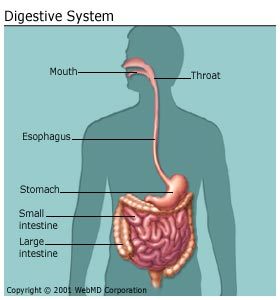
This is a example of........
a)
organ system
b)
cells
c)
organ
d)
tissue
100 %

