
 Worksheets
KS3 Plant Reproduction
Total questions: 34
Worksheet time: 18mins

C is correctly identified as ___________
Cotyledon
Plumule
Testa
Embryo

B is correctly identified as _________
Plumule
Radicle
Cotyledon
Embryo

A is correctly identified as ___________
Plumule
Radicle
Testa
Embryo
Radicle is referring to embryonic roots. True or False?
(a)
Seed coat is also known as testa. True or False?
(a)

The function of structure labelled as C is to ______________
to serve as food storage
to protect the embryo against adverse environmental conditions
to absorb water uptake
to produce new young shoots
The first organ emerge after seed germination is plumule then followed by radicle. True or False?
(a)
Which one is not a requirement for germination of a seed?
Fertilizer
Water
Sunlight
Temperature
The purpose of seed dispersal is for the seeds to __________.
germinate at the same time
move to the same place and grow
move further away from the parent plant
compete with one another for minerals in the soil

How are coconuts dispersed?
by animals
by water
by wind
State the characters ideal for dispersion by wind.
Small, light and hair-like
Small, light and sharp hooks
Big, light and fibrous husk
Big, light and explode
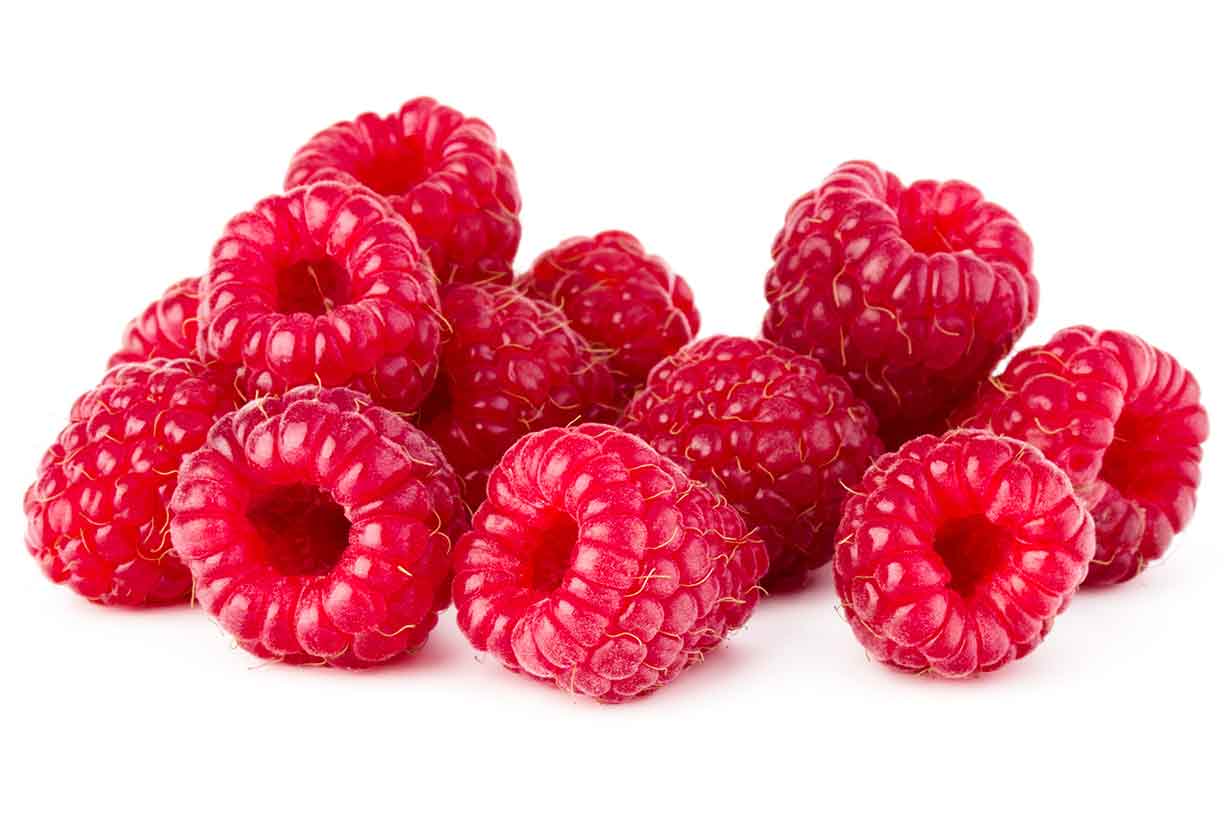
How are raspberries dispersed?
by animals
by explosion or bursting
by water
My pod splits open and seeds are thrown out with a force. What is likely my dispersal method?
wind
water
animals
explosion

How are dandelion seeds dispersed?
by animals
by explosion or bursting
by wind
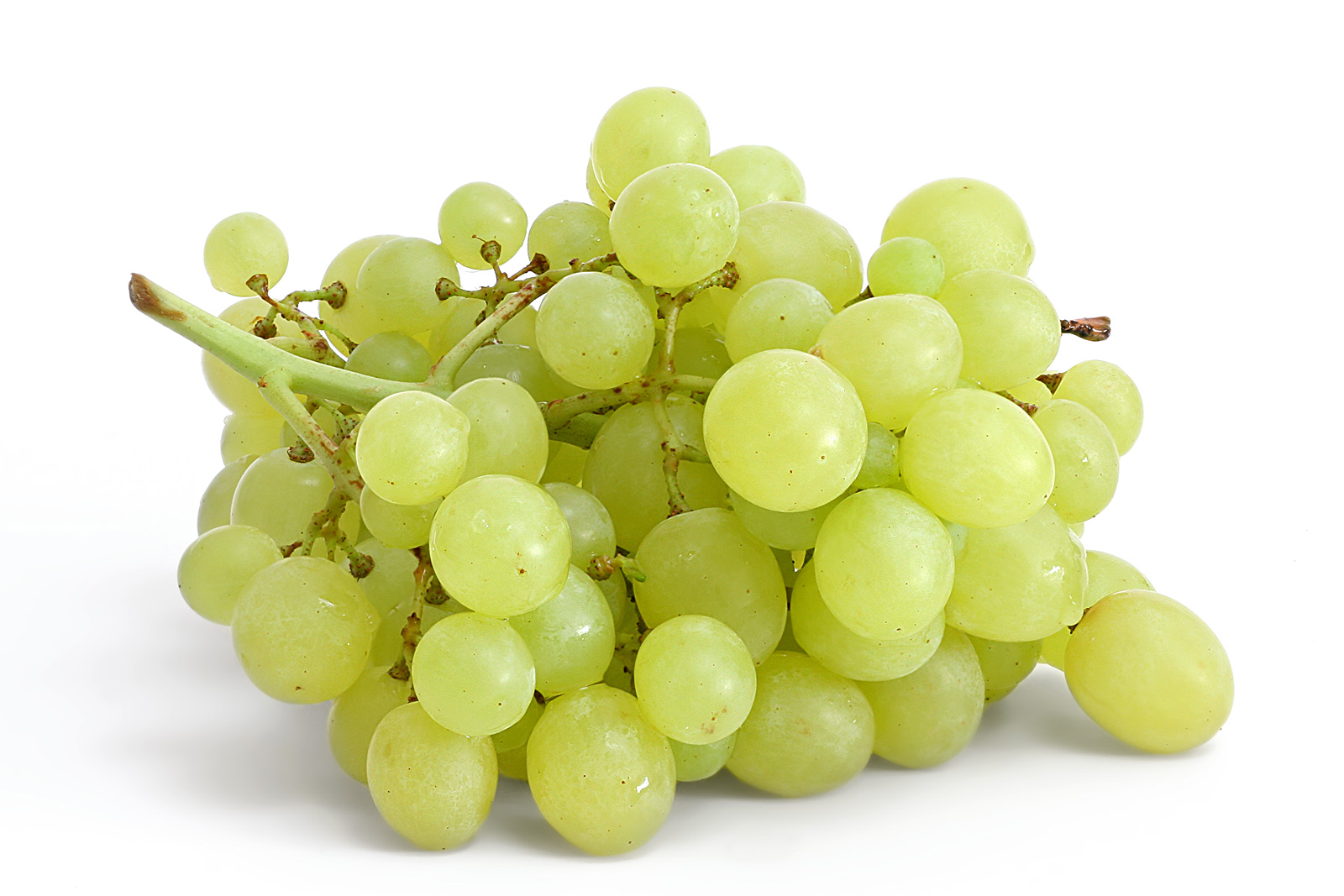
Why are grape seeds able to be dispersed by animals?
It is light and has wing-like structure
It is juicy and edible
It has a fibrous husk that makes it float
It has dry pods that split open

How are bur seeds dispersed?
By wind
By animal
By splitting
By water
The transfer of pollen from flower to flower is called..
seed dispersal
pollination
fertilisation
germination
What is the function of cotyledon?
proctect the seed
small holes that enable water and air to enter the seed
stores food
embryo that develops into root
What name is given to the food store within a seed?
Monocot
Dicot
Cotyledon
Hilum
Which condition is NOT needed for germination?
Water
Oxygen
Light
Suitable temperature
Define the term seed germination .
This is the growth of a shoot
process where an embryo sprouts from a seed
the growth of a plant

What do you call to the process where plants make their own food?
Germinate
Nutrients
Photosynthesis
Plant Life
What is fertilisation in plants?
When the pollen nucleus fuses with the ovule nucleus
When the ovary develops into a fruit
When the sperm nucleus fuses with the egg
When the pollen is taken to the stigma
What grows from the pollen to the ovary?
A style
A flower
A pollen tube
An oviduct
What travels down the pollen tube?
The whole pollen
The pollen nucleus
The whole ovule
The ovule nucleus
Name the part of the flower that becomes the fruit
Ovary
Ovule
Style
Seed
What is fertilisation?
The process of transferring the pollen from one flower to another
The fusion of the male and female gamete
The growth of an embryo

Study the diagram carefully.State the reproductive process that is happening.
germination
pollination
fertilisation
seed dispersal
Which of the following is the right order?
Pollination -- Dispersal -- Germination -- Fertilisation
Pollination -- Fertilisation -- Germination -- Dispersal
Pollination -- Dispersal -- Fertilisation -- Germination
Pollination -- Fertilisation -- Dispersal -- Germination
What develops from the embryo?
young root
young seed
young shoot
young fruit

