
 Worksheets
Basic Chemistry & The Periodic Table
Total questions: 48
Worksheet time: 2hrs 31mins
Name
Class
Date
1.

The horizontal row on the periodic table is called a
a)
group
b)
family
c)
period
d)
atomic number
2.

A vertical column is called...
a)
group
b)
tower
c)
period
d)
crew
3.
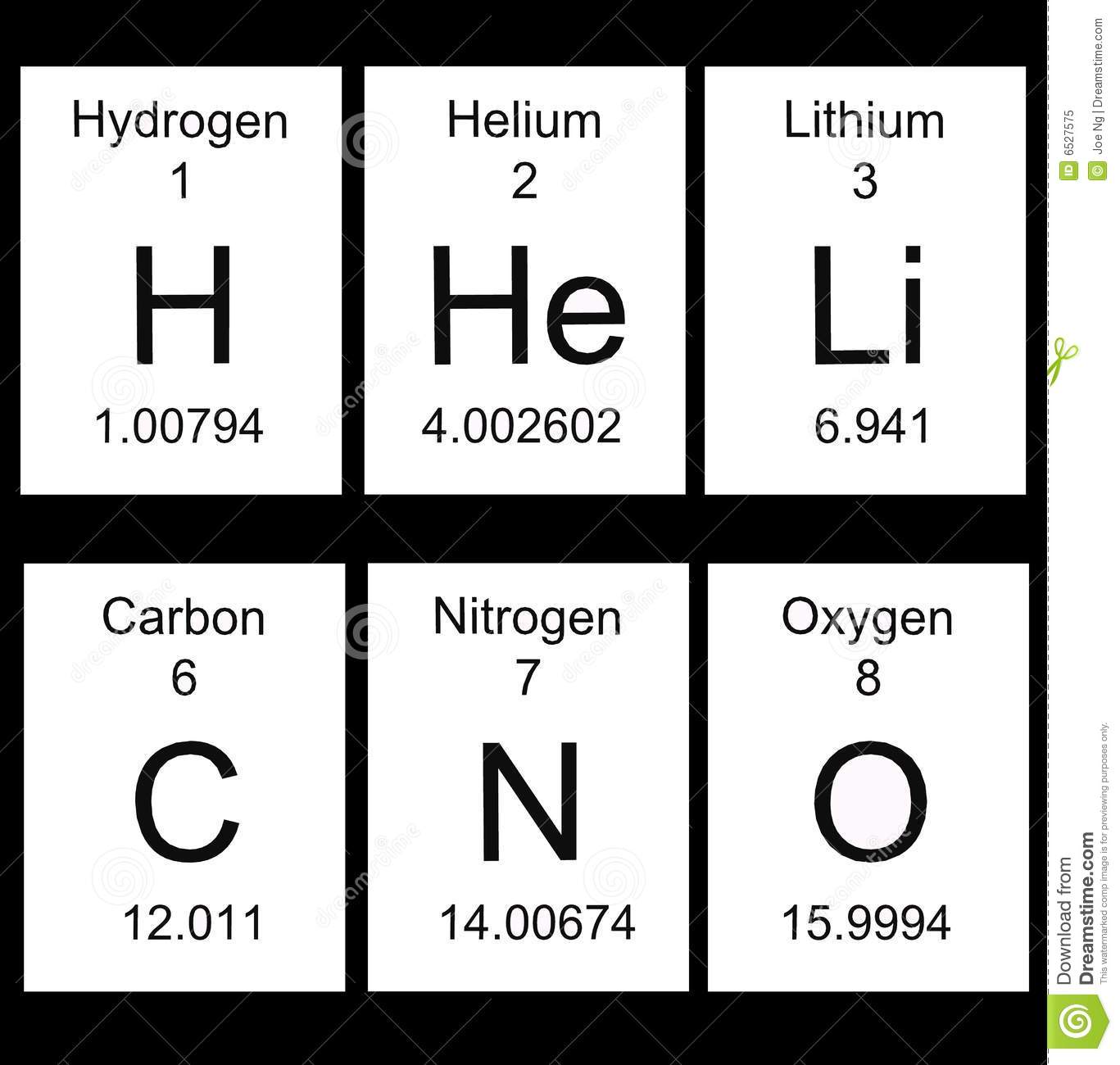
The number at the bottom of each square on the periodic table is the ...
a)
atomic number
b)
atomic mass
c)
chemical symbol
d)
element name
4.
The number at the bottom of each square on the periodic table is the ...
a)
atomic number
b)
atomic mass
c)
chemical symbol
d)
element name
5.
The number at the bottom of each square on the periodic table is the ...
a)
atomic number
b)
atomic mass
c)
chemical symbol
d)
element name
6.
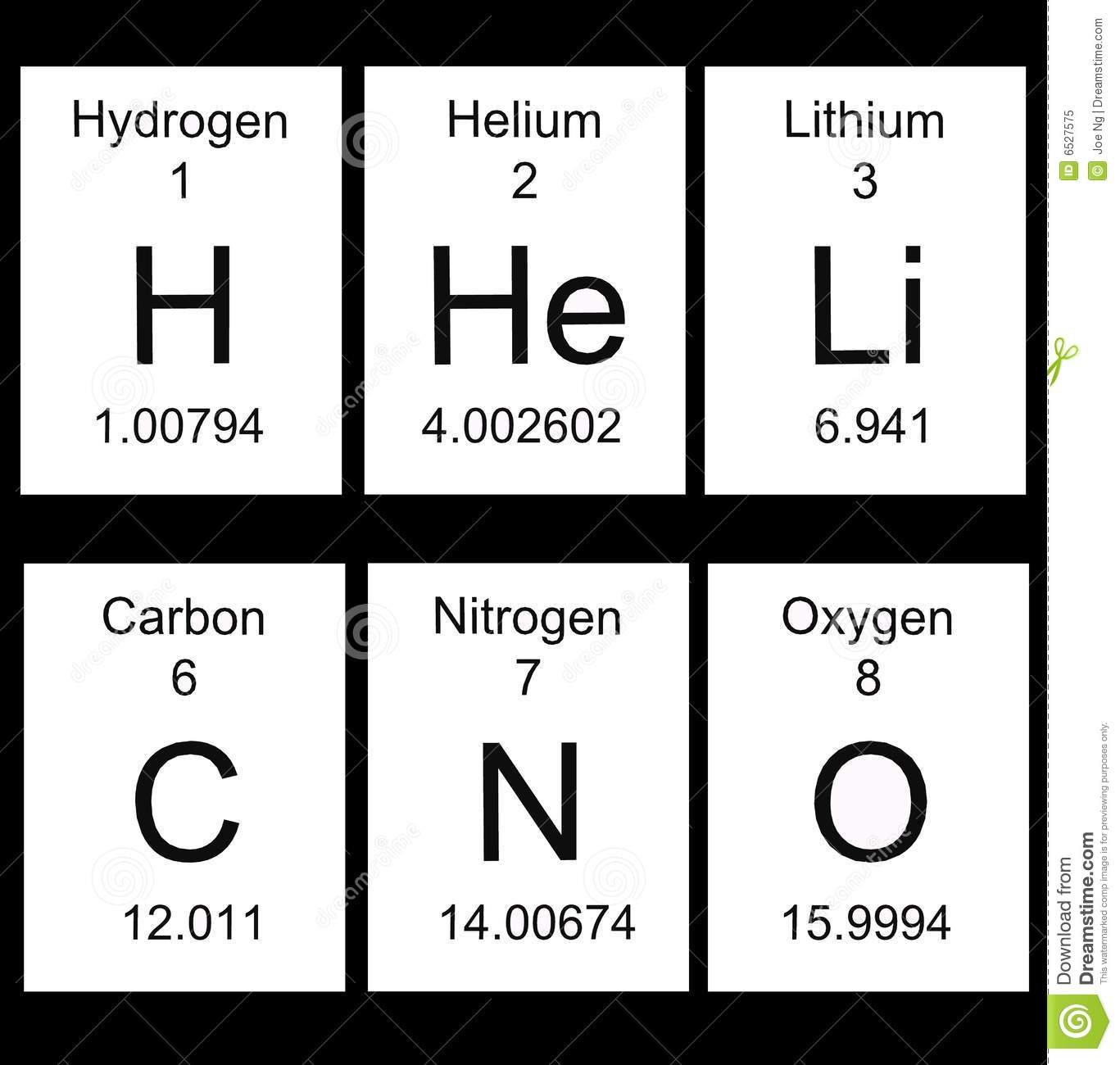
The number at the top of each square on the periodic table is the ...
a)
atomic number
b)
atomic mass
c)
Chemical Symbol
d)
Element Name
7.
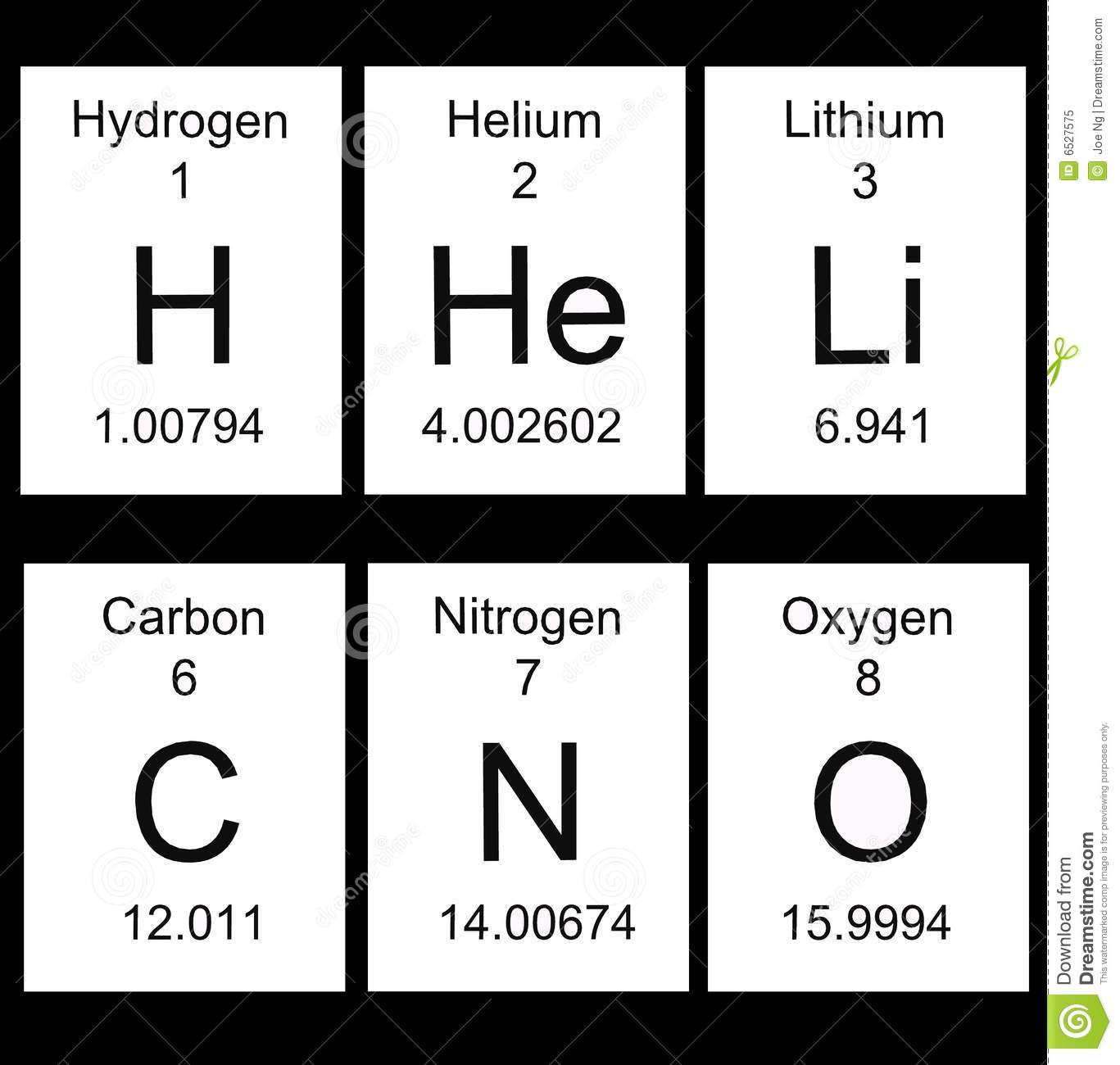
What is the chemical symbol for Lithium?
a)
L
b)
He
c)
Li
d)
N
8.

The months of the year are __________ because they repeat in the same order every 12 months.
a)
periodic
b)
group
c)
period
d)
halogens
9.

Most of the elements on the periodic table are classified as _____.
a)
Metals
b)
Nonmetals
c)
Metalloids
d)
Periods
10.
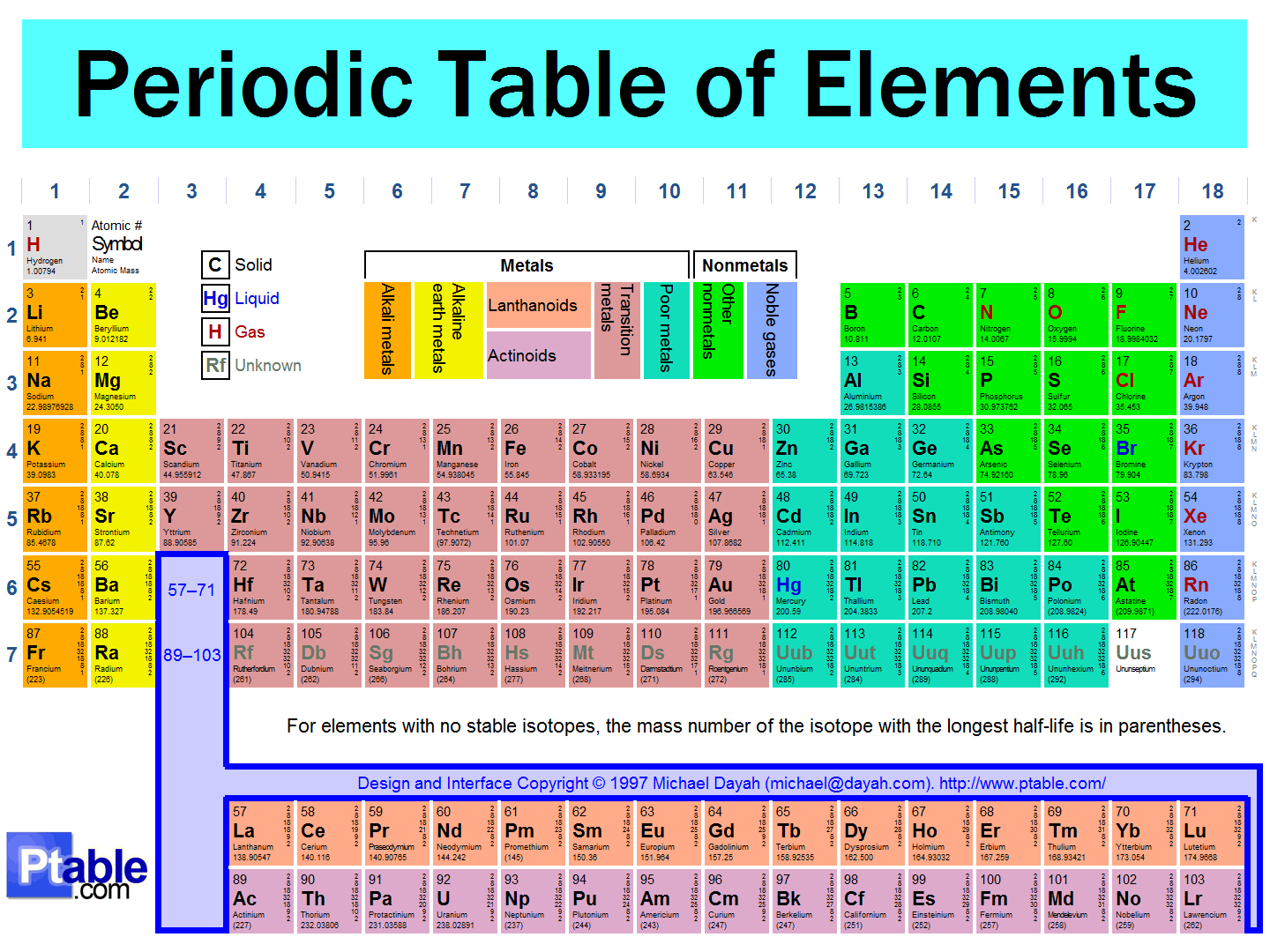
This class of elements are sometimes called "semiconductors."
a)
Metals
b)
Nonmetals
c)
Metalloids
d)
Groups
11.

How did Mendeleev arrange the elements?
a)
alphabetical
b)
density
c)
melting point
d)
atomic mass
12.
The atomic number tells you what?
a)
number of electrons
b)
number of protons
c)
number of neutrons
d)
both electrons and protons in an atom.
13.

What are the first two elements on the periodic table?
a)
hydrogen and helium
b)
hydrogen and lithium
c)
hydrogen and carbon
d)
nitrogen and helium
14.
In what section would Transition Metals be found?
a)
columns 3-12
b)
column 1-2
c)
rows 2-3
d)
column 18 only
15.

The atoms along the staircase are called
a)
metals
b)
nonmetals
c)
metalloids
d)
noble gases
16.

Which elements have the most similar chemical properties?
a)
K and Na
b)
K and Mg
c)
K and Cl
d)
K and S
17.
Which elements have the most similar chemical properties?
a)
K and Na
b)
K and Mg
c)
K and Cl
d)
K and S
18.
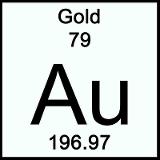
Which number is the atomic mass?
a)
79
b)
196.97
c)
atomic mass not given
19.
What does the atomic mass tell you?
a)
The weight of electrons and protons
b)
The number of neutrons
c)
The average weight of protons and neutrons
d)
The number of protons.
20.

In a neutral atom the amount of electrons is equal to
a)
neutrons
b)
protons
c)
atomic mass
d)
neutrons + protons
21.
What types of particles are found in the cloud surrounding the atom's nucleus?
a)
Positively charged particles and negatively charged particles
b)
Negatively charged particles only
c)
Neutral particles and positively charged particles
d)
Positively charged particles only
22.

a)
2
b)
8
c)
3
d)
13
23.
What is the difference between the number of electrons in an atom of Calcium, Ca, and the number of electrons in an atom of Aluminum, Al?
a)
They both have 20
b)
Calcium has 7 more
c)
Aluminum has13 more
d)
Calcium has 27 more
24.

The first orbital can hold a maximum of how many electrons?
a)
2
b)
3
c)
8
d)
6
25.

Where is the neutron located?
a)
In the loose nucleus with the electron
b)
In the dense nucleus with the protons
c)
In the electron cloud
d)
The nucleus floats on orbitals
26.

a)
2
b)
3
c)
5
27.

How many neutrons does oxygen have?
a)
16
b)
15.99
c)
8
d)
Doesn't contain any neutrons
28.
An atom with 19 protons, and 19 electrons and a mass of 39 has how many neutrons?
a)
19
b)
39
c)
20
d)
58
29.

a)
2
b)
6
c)
10
d)
16
30.
a)
2
b)
6
c)
10
d)
16
31.

Sodium has an atomic number of 11, how many protons does this atom have?
a)
22
b)
11
c)
12
d)
2
32.
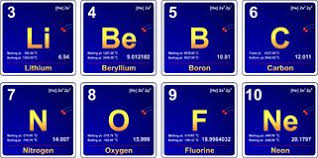
Elements can have the same number of protons?
a)
True
b)
False
33.

a)
2
b)
5
c)
10
d)
15
34.
Which element has a bigger mass?
a)
Krypton
b)
The element with an atomic mass 28.086
c)
The element with the atomic number 25
d)
Bromine
35.

What is the mass number of this nucleus?
a)
1
b)
3
c)
4
d)
7
36.
Protons determine an element's __________.
a)
Reactivity
b)
Nucleus
c)
Identity
d)
Color
37.

What is the atomic number of this nucleus?
a)
1
b)
3
c)
4
d)
7
38.

Where is most of the mass in an atom located?
a)
in the nucleus
b)
in the protons
c)
in the neutrons
d)
in the electrons
39.

a)
1
b)
2
c)
3
d)
4
40.

a)
7
b)
8
c)
9
d)
10
41.
What is an ion?
a)
A Charged Atom
b)
A Large Atom
c)
A Small Atom
d)
A Cute Atom
42.

Barium atoms want to form...
a)
an anion
b)
a cation
c)
an onion
d)
a cuddly kitten friend
43.
Barium atoms want to form...
a)
an anion
b)
a cation
c)
an onion
d)
a cuddly kitten friend
44.

An Arsenic atom wants to form...
a)
An anion
b)
A cation
c)
An onion
d)
A cuddly kitten friend
45.

Cations are...
a)
Positive
b)
Negative
c)
Neutral
d)
Purring
46.

An atom becomes _______ when it loses electrons.
a)
Positive
b)
Negative
c)
Neutral
d)
Invinsible
47.

An atom becomes _________ when it gains electrons.
a)
Positive
b)
Negative
c)
Neutral
d)
Invinsible
48.
Which particles change the charge in atoms when ions are formed?
a)
Protons
b)
Electrons
c)
Neutrons
d)
Kittens
100 %

