
 Worksheets
Grade 10 Biology 2. Exam ; Semester 1
Total questions: 50
Worksheet time: 33mins
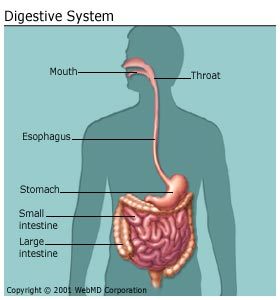
Which macromolecule is used as our main source of energy?
Lipids/Fats
Nucleic Acids
Proteins
Carbohydrates
Match the MACROMOLECULES and their MONOMERS.
Hint: Monomer = a single unit
carbohydrate
monosaccharide
lipid
fatty acid & glycerol
protein
amino acid
nucleic acid
nucleotide

Which do BOTH prokaryotes and eukaryotes contain?
nucleus
mitochondria
ribosomes
cell wall

What is the function of the cell membrane?
To control what comes in and out of the cell
To break down food inside the cell
to serve as a barrier
to eat the cells food

Which organelle contains genetic material?
Endoplasmic Reticulum
Golgi Complex
Lysosome
Nucleus

What is the function of the STOMATA in plants?
Allows water to enter the plant
Provides food to enter the plant
Allows for gas exchange
Site of photosynthesis

What is a STEM CELL?
Cells found in the stems of plants.
Cells that can differentiate into specialized cells.
Cells that control your genes to be expressed.
Cells that provide nutrients to your blood.

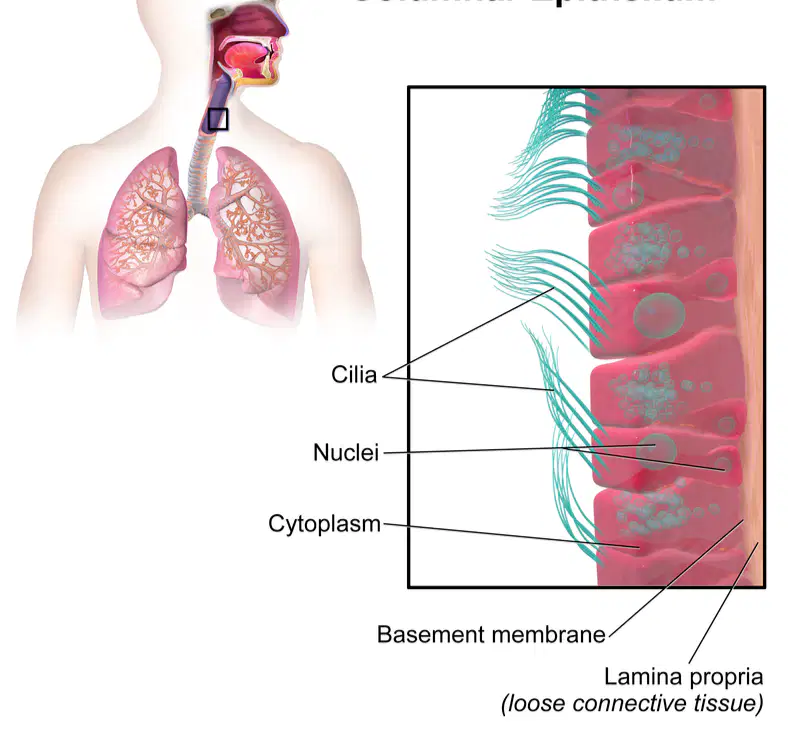
In the respiratory tract, the ciliated ________ epithelial tissues possess cilia. These cilia of the ciliated ________ epithelium can move and their movement pushes the mucus toward they pharynx.
Which type of Epithelium is this ?
Columnar
Squamous
Cuboidal
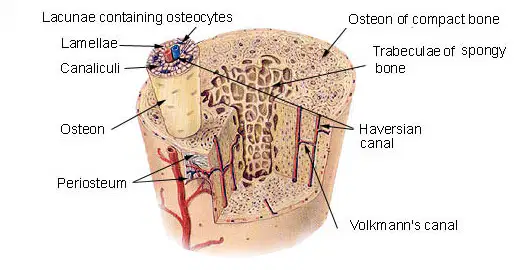
Name this tissue
Bone
Blood
Cartilage
Adipose
Match The connective tissue members with the pictures?
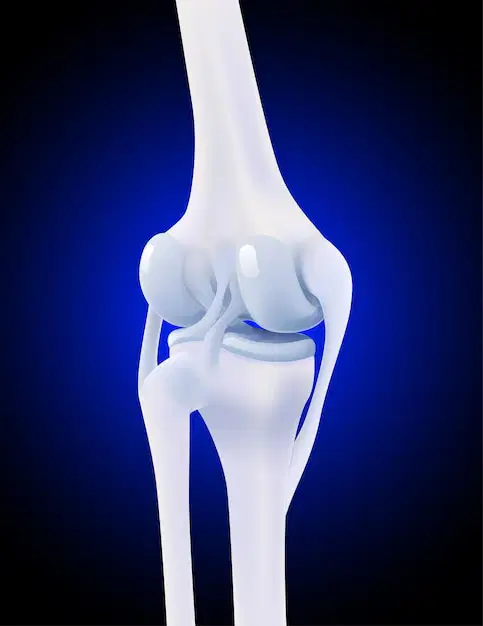
Ligament

Tendon
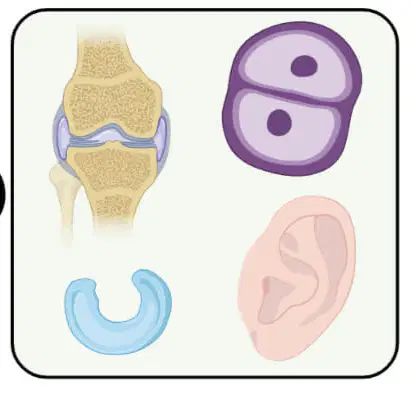
Cartilage
Where are fats stored in the Body?
Areolar Tissue.
Blood.
Stratified Squamous Epithelium Tissue.
Adipose Tissue.
Which cells are produced during the first few divisions of the zygote?
bone cells
epithelial cells
cardiac muscle cells
embryonic stem cells
Which tissue is responsible for the carrying of electrical and chemical signals and impulses from the brain and central nervous system to the periphery, and vice versa?
nerve
connective
muscle
epithelial
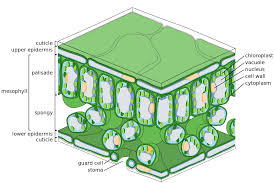
photosynthesis occur here.

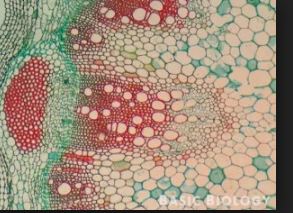
_____________________ is a vascular tissue that carries sugars and other foods throughout a plant.
stems
phloem
roots
xylem
Which of the following tissues whose role is to protect and cover the plant?
Dermal tissue
Epidurial tissue
Ground tissue
Vascular tissue

Guard cells are present in
cork
cortex
stomata
vascular bundle
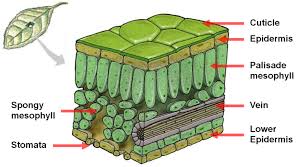
Which gas needed for photosynthesis enters the leaf through the stomata?
oxygen
nitrogen
carbon dioxide
hydrogen
Which part of the leaf has air spaces to allow carbon dioxide to flow through the leaf and diffuse into cells.
epidermis tissue
palisade mesophyll
spongy mesophyll
xylem
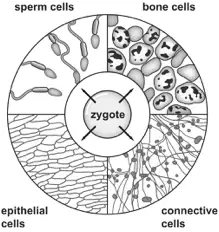
What process is shown in the diagram?
control systems
cell determination
cell differentiation
internal environment
Does the root system work together with the shoot system?
True
False
The root system consists of primary and secondary roots, while the shoot system...
(a)
Roots perform all of the following functions :
Label the parts of the plants. Don't worry about #4
Flower
Stem
Leaf
Roots
Match the following parts of the plant to their functions.
Flower
In charge of reproduction for the plant.
Stem
Transports water and nutrients / support
Leaves
Absorb sunlight for photosynthesis
Roots
Absorb water and nutrients from soil

What is a group of cells that have similar functions? Examples include nervous, epithelial, muscle, and connective _________ .
cells
tissues
organs
atoms
Tissues combine to form...
cells
organs
organ systems
organelles

Which of the following are an involuntary muscle ( automatic ) ?
bicep (arm)
intestine (smooth)
hamstring (leg)
heart (cardiac)
Your stomach and intestines are made of _____ muscle.
skeletal
cardiac
smooth
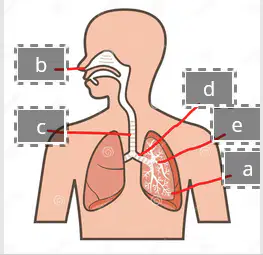
Match the label of the respiratory system!
alveoli
a
trachea
c
bronchioles
e
nostril
b
bronchus
d
The Respiratory and Circulatory systems work together to give the body the (a) ... it needs.
Oxygen
Blood
Nutrients
Birds
Match the correct substances to show whether they represent inputs or outputs of cellular respiration.
glucose
Inputs
oxygen
Inputs
carbon dioxide
Outputs
water
Outputs
ATP
Outputs
The body’s internal environment ( homeostasis ) must
stay __________.
exactly the same at all times
the same as its external environment
within narrow (fixed) ranges that support human life
away from sudden outside temperature changes
The body works to maintain homeostasis in response to what conditions?
tissue and cell formation
production of key vitamins
internal and external changes
cell differentiation and determination
Which steps will reduce the amount of an input to photosynthesis? Circle the letters of all the correct answers.
cover half of the plant’s stomata
place the plant in a low-oxygen environment
increase the carbon dioxide levels of the plant
reduce the amount of sugar that the plant is receiving
reduce the amount of sunlight that is available to the plant
Different parts of the cell system are responsible for different functions in the maintenance of homeostasis. Match the each part of the cell with its function.
nucleus
stores genetic information for the cell
ribosomes
produces cellular proteins
mitochondria
produces energy for cellular functions
cell membrane
controls movement of materials in and ou
Reorder the following steps In Vitamin D production :
The UV rays of sunlight cause a substances in the skin to turn into an inactive Vitamin D
Blood carries inactive Vitamin D to liver which changes it to intermediate compound
Then Its carried to the kidney which change it into active vitamin D
Active vitamin D works with hormones to maintain levels of calcium and phosphorus.
What organelles are unique to only the plant cell.
mitochondria
nucleus
Large central vacuole
chloroplast
cell wall
Match the following.

Prokaryote

Eukaryote
What does the flagella do?
movement
Which of the following are true about enzymes? (Choose all that apply)
Enzymes speed up chemical reactions.
Enzymes react best at a specific temperature.
Enzymes only control ONE type of reaction.
Enzymes are made of fatty acids.

