wayground logo

Free Printable Worksheets

NEW

Font size

S
M
L
XL
Worksheets

Body Sytems

Total questions: 53

Worksheet time: 37mins

Name
Class
Date
1.

Carries oxygen and nutrients to all parts of the body.

a)

Integumentary

b)

Nervous

c)

Circulatory

d)

Respiratory

2.

Main Organs: Heart and blood vessels

a)

Integumentary

b)

Nervous

c)

Circulatory

d)

Respiratory

3.
The main purpose of the ____________ system is to break food particles into pieces that can be used.
a)
circulatory
b)
respiratory
c)
digestive
d)
skeletal
4.
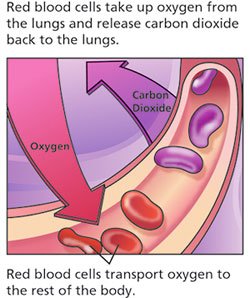
The circulatory system uses _________ to deliver oxygen to the rest of the body.
a)
blood cells
b)
lungs and nose
c)
blood vessels
d)
brain and spinal cord
5.
 Which system is the stomach in?
a)
respiratory
b)
digestive
c)
nervous
d)
excretory
6.
Where does digestion start?
a)
stomach
b)
mouth
c)
esophagus
7.
 What is the main job of the digestive system? 
a)
break down foods into nutrients that can be used by the body
b)
take in oxygen and exhale waste like carbon dioxide
c)
pump blood throughout the body
d)
makes the body hungry
8.
Your large and small intestines are part of this body system.
a)
nervous
b)
digestive
c)
muscular
d)
skeletal
9.
When blood is used by the body it must pass through which of the following organs before it is pumped back out to the body?
a)
Lungs
b)
Brain
c)
Stomach
d)
Skin
10.
Which two human body systems are most responsible for getting oxygen to cells?
a)
digestive and skeletal
b)
skeletal and circulatory
c)
circulatory and respiratory
d)
respiratory and digestive
11.
These cells, in the blood, carry oxygen and give the blood its color.
a)
white blood cells
b)
plasma
c)
platelets
d)
red blood cells
12.
This type of vessel carries blood TO the heart:
a)
vein
b)
nerve
c)
muscle
d)
artery
13.
When oxygen-rich blood is carried AWAY from the heart, it travels through an...
a)
artery
b)
neuron
c)
vein
d)
straw
14.
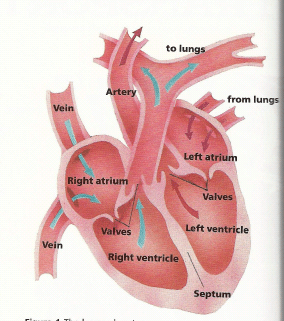
5?
a)
Aorta
b)
Pulmonary Valve
c)
Atrium
d)
Ventricle
15.
2?
a)
Right Atrium
b)
Right Ventricle
c)
Left Atrium
d)
Left Ventricle
16.
3?
a)
Superior Vena Cava
b)
Right Pulmonary Vein
c)
Right Ventricle
d)
Right Atrium
17.
Pumps oxygen-poor blood to the lungs
a)
Right Ventricle
b)
Right Atrium
c)
Left Ventricle
d)
Left Atrium
18.

There are _____________chambers in the heart.

a)

3

b)

4

c)

5

19.

What keeps blood from flowing backwards in the heart?

a)

atrium

b)

valves

c)

artery

20.
_____ carries blood away from the heart.
a)
Blood cells
b)
Veins
c)
Capillaries
d)
Arteries
21.
What is the process carried out in the EXCRETORY SYSTEM?
a)
The urina
b)
The waste
c)
The skin
d)
The heart
22.

What are the main functions of the excretory system?

a)

deliver oxygen to the body

b)

deliver nutrients to the body

c)

remove water and waste from the body

d)

remove disease from the body

23.

Which organs help to remove waste from the body?

a)

Lungs, stomach, bladder, and kidneys

b)

Lungs, heart, bones, and bladder

c)

Lungs, large intestine, bladder and kidneys

d)

Lungs, esophagus, bladder and kidneys

24.

Which organ(s) absorb excess water and store solid waste?

a)

Bladder and kidneys

b)

Large Intestine

c)

Lungs

25.

What is organ is #1?

a)

Kidney

b)

Stomach

c)

Bladder

d)

Heart

26.

True or False:

Kidneys filter waste from blood.

a)

True

b)

False

27.
A fluid in the mouth that helps digest food.
a)
pepsin
b)
pepsi
c)
saliva
d)
salty
28.
Provides additional enzymes(pancreatic juice) to help nutrients get absorbed by the small intestine.
a)
liver
b)
kidneys
c)
gall bladder
d)
pancreas
29.
The chewing and grinding of food into smaller pieces is an example of...
a)
Mechanical Digestion
b)
Chemical Digestion
30.
The organ where food doesn't pass through but it does break down fats and detoxify poisons?
a)
liver
b)
small intestine
c)
stomach
d)
large intestine
31.
What do the villi do?
a)
Digests food in the mouth.
b)
Digests food in the stomach
c)
Protects the stomach from digesting iteself
d)
Absorbs nutrients from food so the body has energy.
32.
Muscular tube that connects the mouth to the stomach
a)
Epiglottis
b)
Peristalsis
c)
Stomach
d)
Esophagus
33.

Where is most water absorbed during digestion?

a)

Small Intestine

b)

Stomach

c)

Large Intestine

d)

Esophagus

34.

Which is NOT one of the components of your excretory system?

a)

Lungs

b)

Skin

c)

Kidneys

d)

Heart

35.

What role does the skin have in the excretory system?

a)

Removing dead skin cells

b)

Removing old hair follicles

c)

Removing liquid waste in sweat

d)

Protecting against infection

36.

The endocrine system is made up of glands that release hormones into the blood.

a)

True

b)

False

37.
Are chemicals that travel in the blood and cause changes in different parts of the body
a)
Hormones
b)
Glands
c)
Parathyroid 
d)
Adrenal Gland 
38.
What are some major organs of the Endocrine system?
a)
Heart and blood vessels
b)
Mouth, Lungs, Bronchi, and Trachea
c)
Esophagus, Stomach, Small and large instestine
d)
Pineal gland, Thyroid gland, Adrenal gland, and pancreas
39.

What is the function of the endocrine system?

a)

to filter and eliminate the waste from the blood

b)

to secrete hormones into the bloodstream to regulate body activities

c)

to provide structure and support for the body

d)

to defend the body against pathogens

40.

When you eat a burger , your body produces insulin to control blood sugar . What type of feedback is that

a)

Positive feedback

b)

Negative Feedback

c)

None

d)

Both

41.

Hormones travel through the blood and encounter many cells. How do they affect ONLY target cells?

a)

Target cells have receptors that match up with the hormone

b)

Target cells send out signals that attach to hormones and draw them to the cell

c)

Target cells have cell membranes with a different composition

d)

Magic!

42.

Insulin is a hormone produced by the ___________________.

a)

liver

b)

bladder

c)

pancreas

d)

heart

43.

Which gland is responsible for regulating weight?

a)

1

b)

2

c)

3

d)

none of the above

44.
Inhale!!!!
Your lungs are ___________  air
a)
taking in
b)
letting out
45.
EXHALE!!!
My lungs are __________________ air. 
a)
taking in
b)
letting out
46.
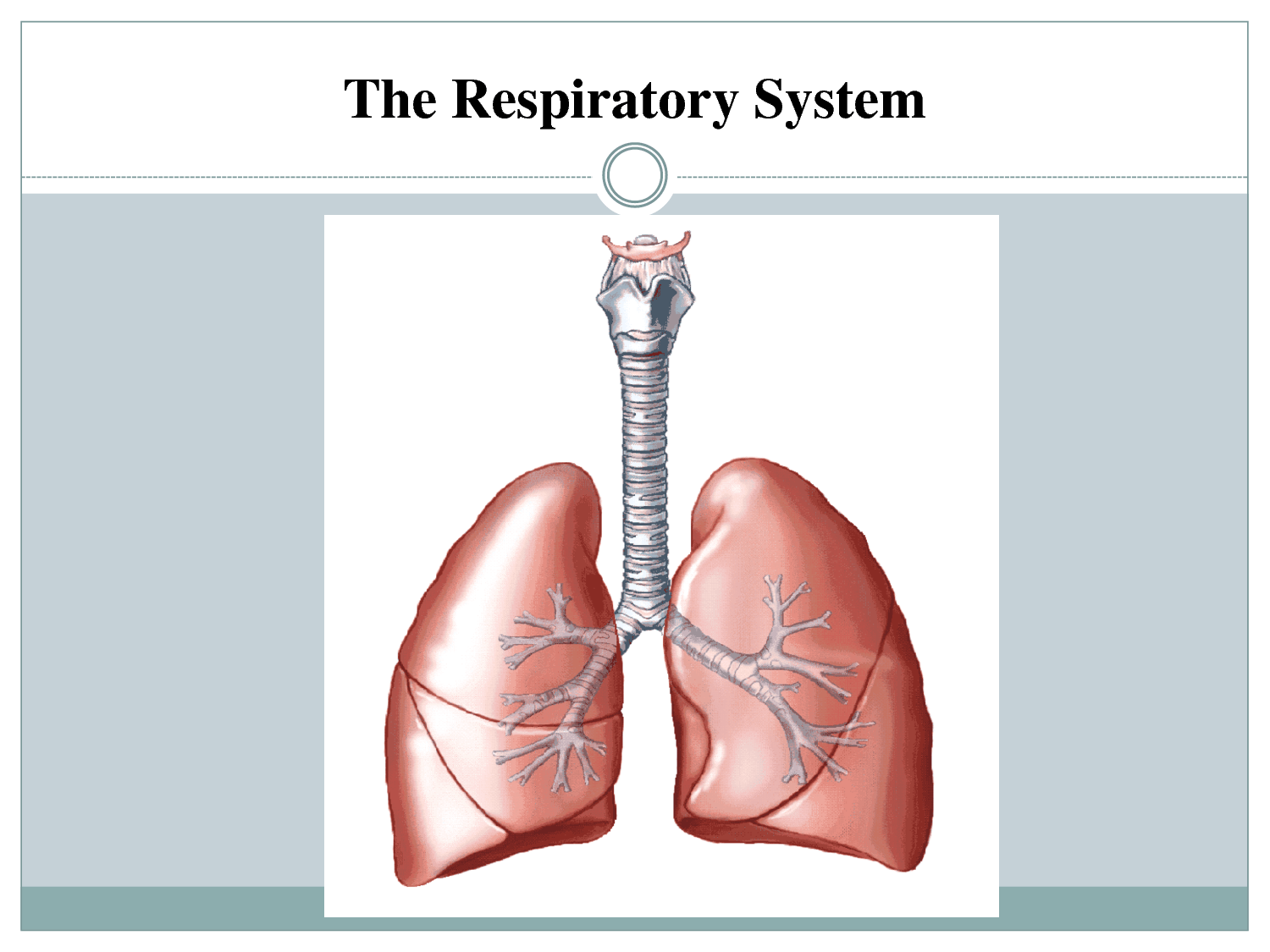
What is the main function of the respiratory system?
a)
to provide oxygen and remove carbon dioxide from the body
b)
to bring oxygen to the body
c)
to break down food and absorb nutrients
d)
to remove oxygen from the body and deliver carbon dioxide
47.
What are the main organs of gas exchange in the respiratory system?
a)
diapragm
b)
lungs
c)
trachea
d)
bronchi
48.
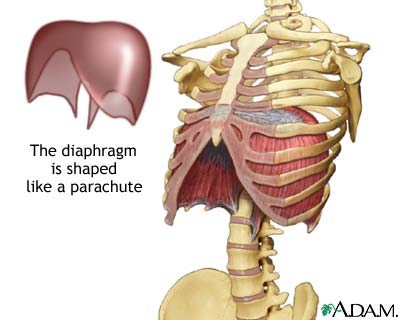
What is function of the dome-shaped diaphragm?
a)
This is where gas exchange happens.
b)
Air passes through the diaphragm on the way to the lungs.
c)
It attaches to the lungs to help in breathing.
d)
It is under the lungs and keeps them from falling down to your stomach.
49.
What is the primary function of mucus and cilia in the nostrils?
a)
Sound production
b)
Filtration
c)
Temperature Control
d)
Respiration
50.
Where in the respiratory tract does the exchange of oxygen and carbon dioxide take place?
a)
Larynx
b)
Bronchi
c)
Trachea
d)
Alveoli
51.
During cellular respiration, what happens to the carbon dioxide?
a)
It leaves the alveoli and is exhaled from the lungs
b)
It leaves the bloodstream and enters the alveoli
c)
It leaves the cells and enters the bloodstream
d)
It leaves the alveoli and enters the bloodstream
52.

We breathe in _____& breathe out ______.

a)

oxygen, carbon dioxide

b)

carbon dioxide, oxygen

53.

What is the muscle called that assists with inhaltion & exhalation?

a)

diaphragm

b)

alveoli

c)

bronchus